There is a specific kind of memory that a 2000s cartoon leaves behind, and it is not a memory of the show. It is a memory of four or five lines, delivered in exactly the right cadence, that a whole generation can still produce on demand more than twenty years later. Anyone who was a kid in the 1990s and a teenager in the 2000s carries a small library of them. The trouble starts when curiosity wins and the show gets pulled up on Paramount+ or Pluto TV, because the lines turn out to be the only part that survived. That is the gap this list is about. The quoting is real and the affection behind it is real, but affection for a handful of lines is not the same thing as affection for a show, and the two come apart the moment an episode is actually playing. Nobody notices until they try it.
Videos by ComicBook.com
Nickelodeon knew exactly how strong that recall was which is why it once crossed two of these shows over in a TV movie it will never be able to make again. What is around them is a formula, or a localization job, or a render pipeline built to a budget, and none of it was ever meant to be examined by an adult with a remote and a free afternoon. ComicBook made the same argument about the 1990s shows an ’80s kid grew up on, and the 2000s version has a twist. These four shows do not fall apart because they were cheap on preachy. They fall apart for four completely different structural reasons, and in one case for a reason that had nothing to do with people who made it. Each entry below separates the part that genuinely holds up from the part that only ever worked when you were eight.
The Fairly OddParents Is Infinitely Quotable and Structurally Incapable of Going Anywhere
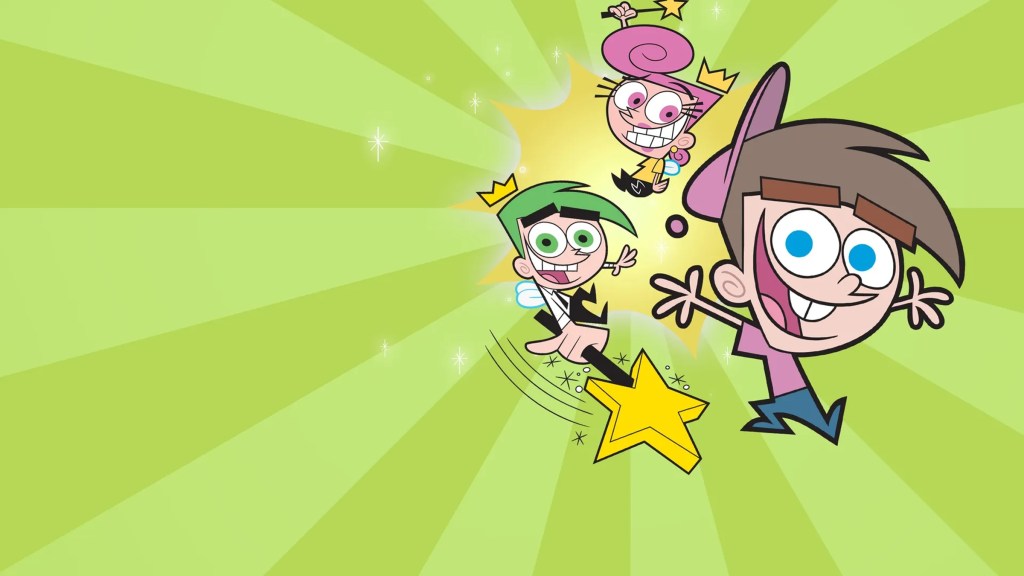
The Fairly OddParents, the Nickelodeon series about a ten-year-old boy with two magical fairies assigned to grant his wishes, premiered on March 30, 2001 and produced 294 episodes before its original run closed in 2006. Its quotes did not just survive, they metastasized. “And this is where I’d put a trophy, IF I HAD ONE”, delivered by Timmy Turner’s perpetually thwarted father in an April 2001 episode, had cleared 14,000 Meme Generator submissions by 2014 and still circulates. “Fairy godparents! Admit it! You have fairy godparents!”, the accusation from Mr. Crocker, the twitching schoolteacher who spends a decade trying to expose Timmy, picked up an entirely new life as an instagram parody format in 2019. Both lines are twenty years old and both still land. The show underneath them cannot survive the same scrutiny, because it was built to never move.
Every segment runs the identical loop: Timmy makes a wish, the wish curdles, Da Rules blocks the obvious fix for reasons invented in the episode, and the wish gets unwished so the next segment can start from the same place. Creator Butch Hartman has been candid that keeping a show running that long meant adding things to keep it fresh, which is how Poof, Sparky and Chloe arrived, and how a generation of fans learned to send angry emails. Watched once a week at eight years old, the reset was invisible. Watched three episodes deep at thirty, it is the only thing on screen. It is also getting harder to check since Paramount+ has been quietly pulling classic Nickelodeon series off the service.
Yu-Gi-Oh’s Most Quoted Line Is Not Actually From Yu-Gi-Oh
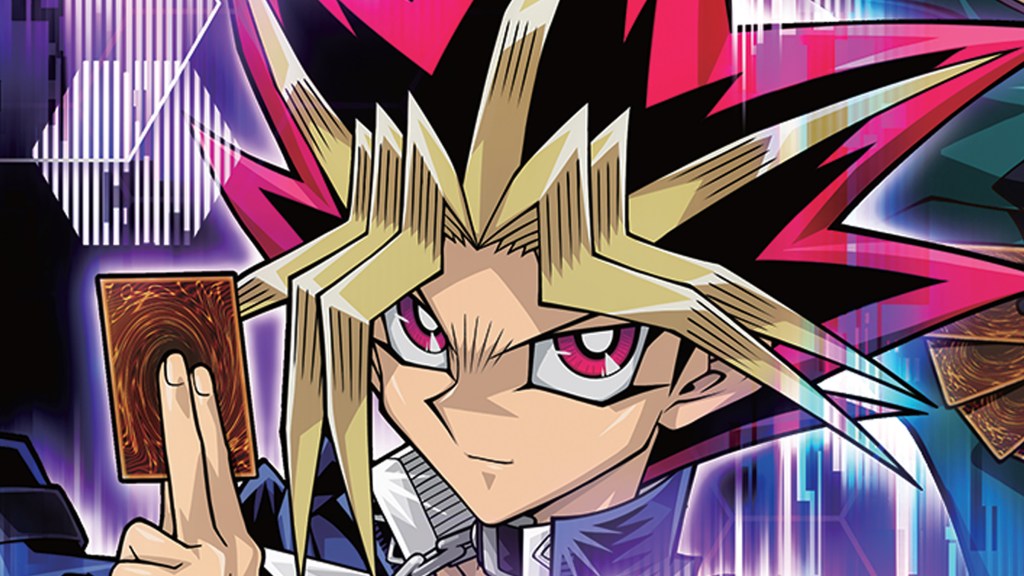
Yu-Gi-Oh!, the card-battling anime about a high schooler who shares his body with a three-thousand-year-old pharaoh, reached American kids through a 4Kids Entertainment dub that premiered on Kids’ WB on September 29, 2001. “Its time to duel” became one of the most submitted catchphrases on Know Your Meme, with more than 77,000 entries logged. The line people actually quote, though, is “Screw the rules, I have money”, and it was never in the show. It comes from Yu-Gi-Oh!: The Abridged Series, a fan-made parody that started in 2006, and it took over so completely that it now gets attributed to the original as a matter of course.
That mix-up is the entry, because it points at what the dub actually was: 4Kids redrew guns into finger guns, replaced deaths with banishment to a Shadow Realm the Japanese version never had, paid for animation work to change the Destiny Board’s letters from DEATH to FINAL because it read as a ouija board, rewrote a torture sequence as memory loss. American broadcast rules required that the cards on screen not resemble the cards in stories, or the show would have counted as an informercial and lost its lower-cost daytime slot. The show was obligated to misrepresent its own product. The parody was more honest than the dub, which is why the parody is the part that stuck.
Jimmy Neutron Looked Like the Future and Now Looks Like Its Own Budget
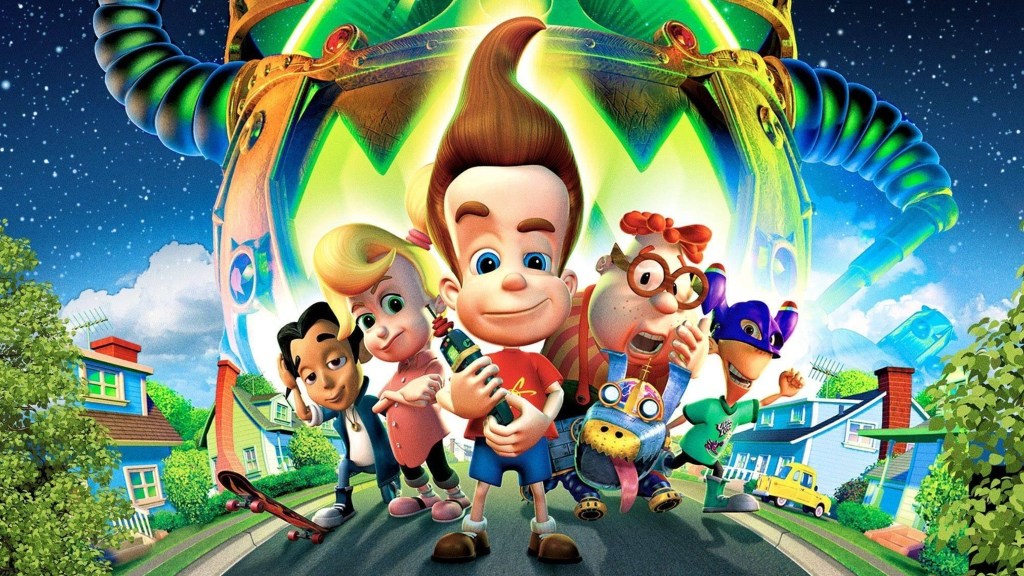
The Adventures of Jimmy Neutron: Boy Genius, the Nickelodeon series about a boy inventor and his robotic dog, premiered on July 20, 2002 and holds a real place in animation history as the network’s fully CGI cartoon. Kids repeated “Brain blast!” on playgrounds for years, and the catchphrases have outlived almost every plot the show ever ran. What has not outlived it is the look, and the reason is documented in the show’s own production history rather than in anyone’s nostalgia. DNA Production built a custom pipeline that animated in Maya and rendered in LightWave 3D, and leaned hard on asset reuse specifically to hit deadlines without going over budget.
That is a sensible production decision and fatal rewatch problem, because reuse at that scale means the same small set of character models, props and backgrounds recycles across all 64 episodes. In 2002, on a CRT television, it read as astonishing. On a modern screen it reads as what it was, which is cost structure. ComicBook has argued that Jimmy Neutron is one of the Nicktoons most deserving of a 2026 revival, and that case gets stronger, not weaker, once you accept the original cannot be easily rewatched with those visuals.
Codename: Kids Next Door Was Designed to Erase Itself
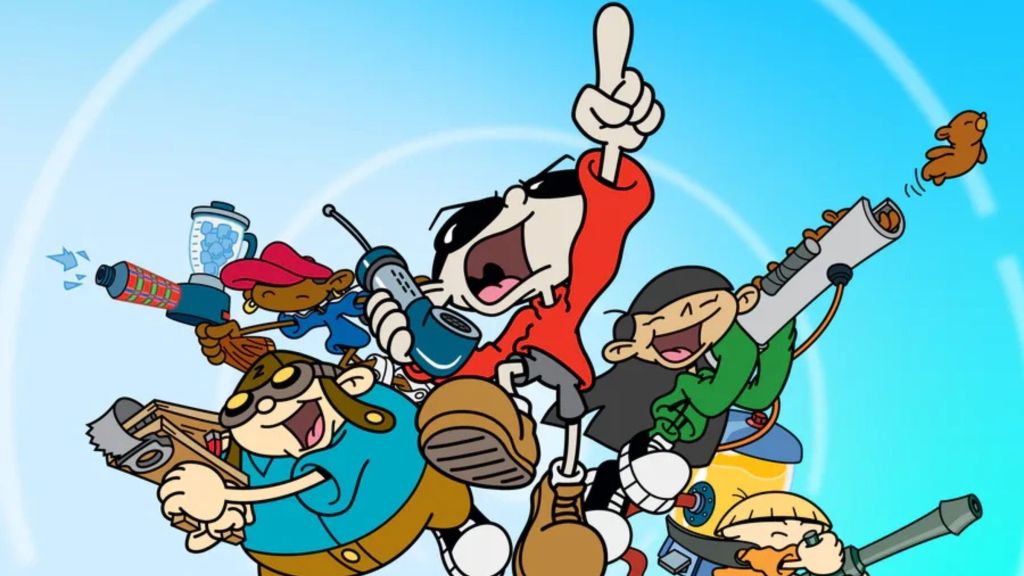
Codename: Kid Next Door, the Cartoon Network series about a global child-run spy organization fighting adult tyranny, premiered on December 6, 2002 and ran 81 episodes. Its fandom is still enormous and still fluent in it, two decades after the movie that gave the series its biggest swing. The show also wrote its own expiration date into its premise. Every operative is decommissioned at thirteen and has their memory of the organization wiped, which means the series announces in its first hour that nothing the characters do will stick for them. That is a genuinely clever idea and a difficult one to sit through in sequence, because the format spends the overwhelming majority of its run on standalone adults-are-the-enemy missions while the mythology that gives the premise weight surfaces in a handful of episodes near the end.
A rewatch is mostly the part that show itself treated as disposable. ComicBook has reported that a Galactic Kids Next Door script has been written and submitted to Warner Bros., which is exactly the right outcome, because the idea deserves a version that actually pays it off. The honest position here is that this is the one on the list that was too good for its own format. The reset was a network requirement, not creative choice, and a sequel free of it could be the thing the original kept gesturing at. That is a real concession, and it is worth making: Kids Next Door is not a bad show, it is a good idea trapped in a episodic structure that could not use it.
–
None of this is an argument that these four shows were badly made or that anyone was wrong to love them. Three of the four were doing something genuinely new for their network, and the fourth was reshaped by a localization process the original creators never asked for. The point is narrower. A catchphrase is a very small piece of a television show, small enough to survive twenty-plus years of decay on its own, and its survival says almost nothing about whether the other twenty-two minutes are still standing. Cartoon Network’s own 2000s era ended when Adventure Time arrived and reset what the network was doing, and the shows that came after were built for people who would watch them in order. These four were not. Plenty of that era is sitting free on Tubi if the urge wins anyway. Quote them freely, and hard before hitting play.
More TV Shows
-

Image Courtesy of Amazon MGM Studios