You know what’s one of the riskiest genres on Netflix? Yes, sci-fi. All the time, a new series pops up with an interesting idea, a world full of potential, and a story that feels built for long-term development. But when that’s within sci-fi, it somehow turns into a problem for the platform (even when it’s mixed with other genres). Most of these shows don’t survive and end up falling into the group of prematurely cancelled productions with just one season. And this has become a very well-known pattern: the show grabs attention, lands in the Top 10, cools off a bit because of the sheer number of releases coming out, and is then interpreted as a failure.
Videos by ComicBook.com
With Netflix, a lot of sci-fi shows simply don’t get the space to grow. So here are 5 series of this genre that are strong right from the start, clearly showed ambition to go further, but were unfairly cancelled after just a handful of episodes.
5) The Boroughs

For some people, The Boroughs had a complete ending, and expanding it into a second season might have risked ruining what was already there. However, the show did include a small cliffhanger at the end that could have been explored further, and that’s where the frustration comes in. Often described as a new version of Stranger Things (but with adults), it focuses on a community of retirees who start noticing an inexplicable threat unfolding around them. The story follows this group as they try to understand what’s interfering with their routine and their perception of reality, gradually introducing a lot of mystery and sci-fi elements along the way.
And the concept is the strongest part of the show, since it opens the door to ideas that are not usually explored in the genre, especially around aging and vulnerability. It clearly had more to say, was well-written, and had more than enough quality to support itself. However, it was cancelled, seemingly due to high costs versus insufficient retention, along with possible tension between Netflix and the Duffer Brothers. It’s a shame, because it definitely had enough potential to sustain a few more seasons.
4) The Society

Here you’ve got a series that, to this day, a lot of people still complain about being cancelled, mostly because it’s hard to think of a cliffhanger as big as the one this show delivers. The Society starts with teenagers returning from a school trip only to find that all the adults have disappeared, leaving the town isolated with no explanation of what actually happened. From there, the series uses that setup to build a kind of social experiment, with different groups of these teens starting to compete for power, resources, and control. It’s basically a massive swing from Netflix, and a really compelling one, especially for the time it came out.
And the mystery doesn’t just sit in the background, since it directly affects political decisions and the relationships between the characters. The sci-fi element in the first season isn’t heavily foregrounded, but the ending strongly suggests some kind of time travel or reality shift is involved. And the problem here wasn’t really ratings or audience response, but the pandemic and the logistical issues that came with it, especially since a continuation was already being prepared to move forward. After that, there were no further attempts to revive it.
3) I Am Not Okay With This
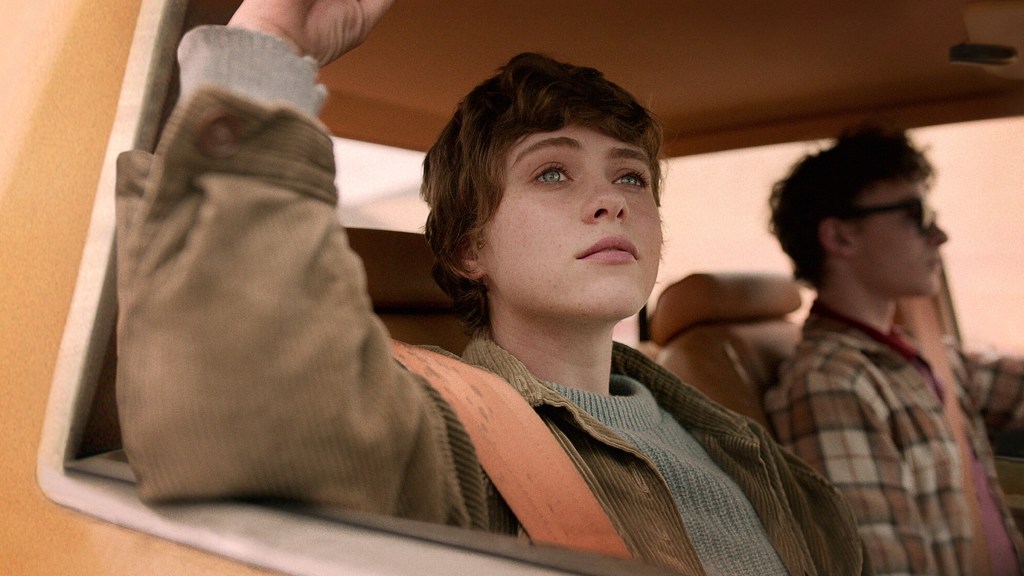
The cancellation of I Am Not Okay With This is still one of the biggest frustrations for many people, and, much like The Society, it’s tied to the way the first season ended — basically setting up what a next chapter of the story could have been. The show follows Sydney (Sophia Lillis), a teenager dealing with grief, anger, and anxiety, who discovers she can manifest telekinesis that only appears during moments of extreme stress. It’s a story that’s very easy to relate to, but also creative in how it handles that emotional pressure, keeping everything grounded and intimate instead of turning it into something bigger than it needs to be.
And that’s actually what makes it work so well: it never tries to turn itself into a big superhero story, as the telekinesis is never treated like a traditional power or some kind of magical system. Overall, it built a solid and fairly loyal audience, but it also ended up in the group of shows affected by the pandemic. Looking at the final episode, it feels like a setup for a much larger expansion, which would naturally require a significant budget increase for a second season. And at the time, that kind of investment became a problem for Netflix.
2) Archive 81
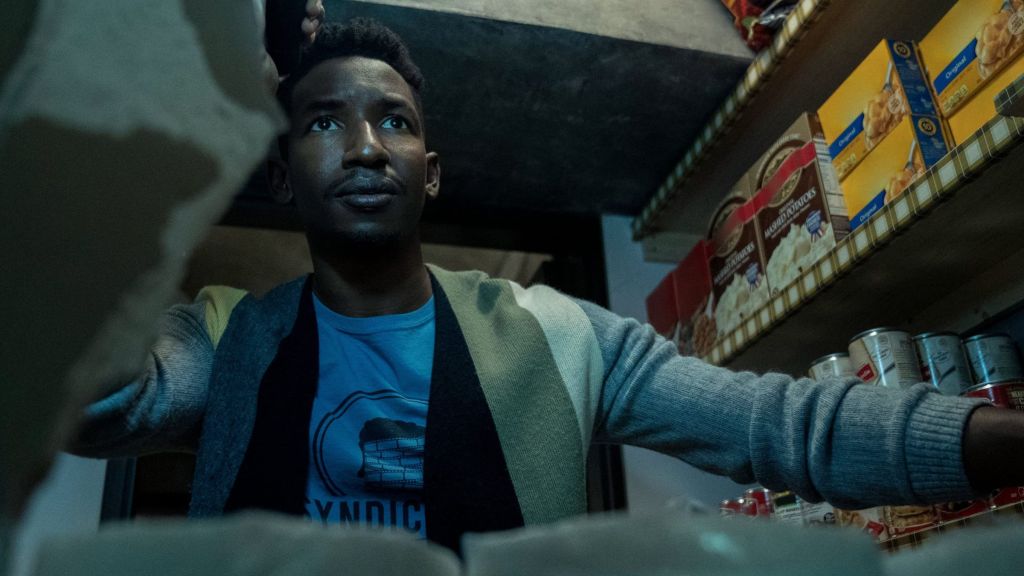
Almost nobody remembers Archive 81, but it’s actually one of the strongest sci-fi and horror series out there, with a really high level of quality for fans of slow-burn storytelling. The story starts with Dan (Mamoudou Athie) working on restoring old tapes, but he soon gets pulled into an investigation involving a missing filmmaker and a building connected to strange events and a cult. Over time, though, the tone shifts, moving away from a more traditional investigative thriller into something closer to cosmic horror with alternate dimensions.
Some people still say it’s a crime that it didn’t get renewed for a second season. The way it builds tension without spelling everything out clearly, instead letting the audience piece things together, is something you don’t see much on TV anymore. Usually, stories are much more spoon-fed. However, even though it had a strong initial audience, it became somewhat underrated not long after, and that, combined with the fact that it was a relatively expensive show for a niche thriller, wasn’t forgiven. But finding this in the catalog really is like finding a hidden gem, to be honest.
1) 1899

1899 came from the same creators as Dark, and that already says a lot about the level of potential, right? It doesn’t take much convincing to believe the story would be really strong. It’s basically a mystery set at sea, following passengers from different countries on a ship that crosses paths with a vessel that had been missing for months. From there, the show starts breaking down the idea of reality itself and moves into themes of simulation, memory, and identity, just in a way that’s more complex than it initially looks. And of course, that immediately hooks you, especially in the early episodes when everything is still being introduced.
There are layers of information added slowly throughout the narrative, but they always come with this feeling that there’s a larger system behind everything. It’s the kind of pure sci-fi mystery that absolutely depends on continuation because of how detailed and interconnected it is. But the cancellation came down to a combination of factors: very high per-episode costs, the use of advanced production technology, and Netflix’s expectation that it would become a massive global hit (which didn’t really happen, since we know the platform doesn’t tend to give these shows much time to grow).
What do you think of these cancellations? Leave a comment below and join the conversation now in the ComicBook Forum!
More TV Shows
-
Gambit in X-Men '97 -
Courtesy of Toei Animation / McDonalds / Nickelodeon -

Image courtesy of Fox