Television producers frequently rely on spinoffs to capitalize on established intellectual property, more often than not diluting the power of the original series. However, when it comes to prequels, a handful of projects manage to justify their existence and even improve their parent series in retrospect. Better Call Saul might be the next example, transforming Jimmy McGill (Bob Odenkirk) into one of the best characters in the medium’s history while recontextualizing almost everything that made Breaking Bad devastating. HBO is trying to recreate that success with the Game of Thrones universe, where House of the Dragon and A Knight of the Seven Kingdoms have restored prestige to a franchise that its finale nearly destroyed.
Videos by ComicBook.com
What a good prequel does most effectively is convert supporting figures and mythologized backstories into protagonists. The result, when the creative team commits fully, is a television universe where the events of the original show carry exponentially more weight because audiences have witnessed through the choices that made them possible. Several acclaimed dramas left behind rich lore, compelling secondary figures, and formative histories that the original series never had the time or the mandate to explore. Therefore, they would be improved by a prequel series.
5) Deadwood
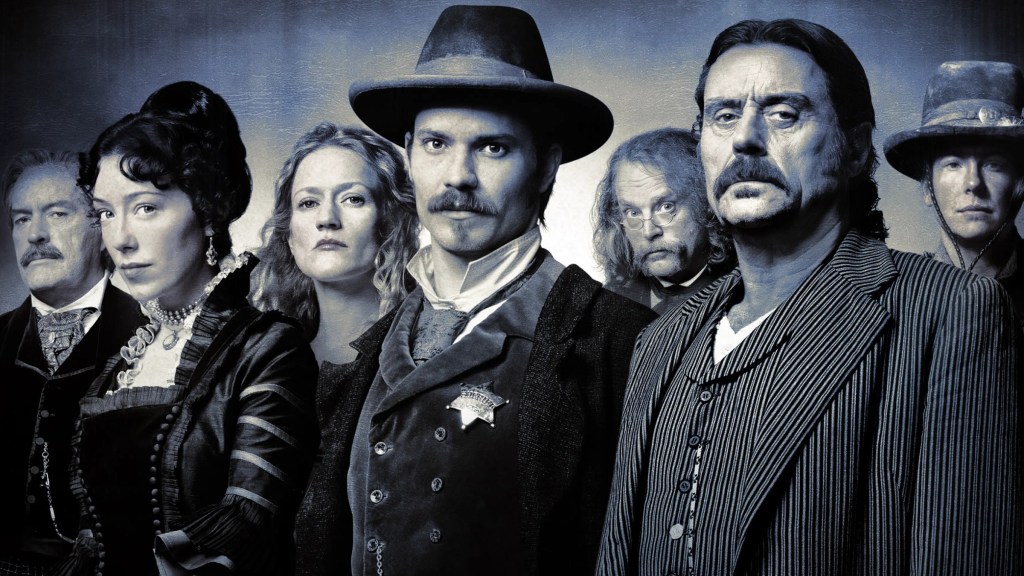
David Milch’s Deadwood built one of the most complex settings in television history, but the show never truly explored the founding of the lawless South Dakota mining camp. Al Swearengen (Ian McShane) arrived in Deadwood already in command of the Gem Saloon, operating as the town’s de facto power broker, and the series moved forward from that established position. The prequel that Deadwood deserves would dramatize how that power was constructed, explaining how a man arrived in a dirt-floored settlement during the gold rush of the 1870s and systematically outmaneuvered every rival, every pimp, and every territorial government to become the closest thing the camp had to a sovereign.
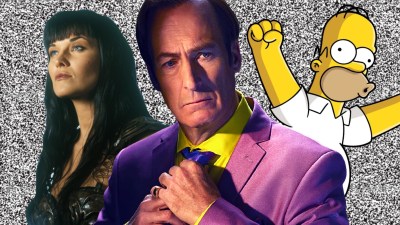
Milch’s Shakespearean dialogue would suit that period even more naturally than it suited Deadwood‘s later political intrigues, and McShane’s performance consistently suggested a character whose most formative years happened offscreen. Deadwood: The Movie brought the saga to a close in 2019, but there’s still plenty of room to explore the years before the camp had a newspaper, a sheriff, or a reason to pretend it had laws.
4) The Americans

Joe Weisberg’s The Americans drops viewers directly into the complex domestic espionage operations of Elizabeth (Keri Russell) and Philip Jennings (Matthew Rhys) during the 1980s Reagan administration. However, the series routinely hints at the grueling Directorate S training the couple endured in the Soviet Union and their difficult early years assimilating into American culture during the 1960s. A prequel series tracing their initial deployment into the United States presents a fascinating opportunity to fill the gaps while offering fans something new.
Before they became an elite KGB execution team, Elizabeth and Phillip were strangers forced into an arranged marriage, navigating a hostile foreign nation while learning to suppress their native accents and cultural instincts. A prequel series could chronicle their rookie mistakes, their struggles with early American counter-intelligence, and the slow, complicated development of their genuine romantic bond. Detailing their transformation from isolated zealots into the synchronized operatives seen in The Americans could flesh out the characters and allow fans to return to the beloved universe.
3) The Wire
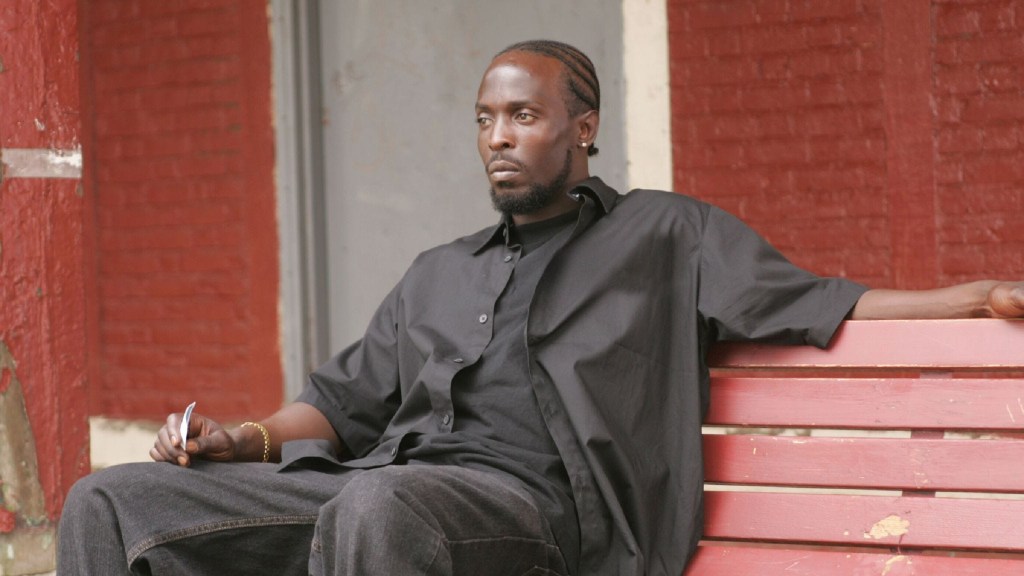
David Simon’s The Wire stands as a definitive institutional critique of modern American cities, using Baltimore to explore the decay of the working class and the systemic failures of the drug war. The flagship narrative begins with the Barksdale organization already dominating the West Side drug trade, leaving their violent ascension entirely to the imagination. A prequel tracing the rise of Avon Barksdale (Wood Harris) and the strategic maneuvering of Stringer Bell (Idris Elba) during the 1990s crack epidemic could offer a ruthless origin story for Baltimore’s criminal underworld.
Simon previously pitched a prequel concept centered on this exact era, incorporating a younger version of the legendary stick-up man Omar Little (Michael K. Williams), but HBO passed on the project at the time. Still, The Wire’s popularity has only increased since the series originally aired, making the possibility of returning to this story more enticing. The Wire‘s thesis was always that American institutions create the conditions for their own dysfunction. The prequel would be an opportunity to watch those conditions emerging in real time, before anyone knew what they were building.
2) Sons of Anarchy

No television prequel has been more publicly demanded, seriously considered, or frustratingly delayed than a Sons of Anarchy series centered on the First 9. Kurt Sutter’s outlaw drama built a sprawling mythology deeply rooted in the history of the SAMCRO charter, documenting the rise and fall of Jax Teller (Charlie Hunnam). Still, we only learn about the origins of the motorcycle club through the retelling of supporting characters or the diary of Jax’s father, John Teller.
Teller and Piney Winston (William Lucking) originally founded the organization as a social rebellion, seeking the brotherhood they lost upon returning to a fractured American society in the late 1960s after the Vietnam War. Watching this idealistic commune slowly mutate into a violent organized crime syndicate under the mounting influence of a young Clay Morrow is a tragedy that deserves a TV show of its own. Sutter has confirmed as recently as 2026 that a First 9 prequel remains on the table, with FX chairman John Landgraf still open to the project. Hopefully, the Sons of Anarchy prequel series will materialize sooner rather than later.
1) Succession
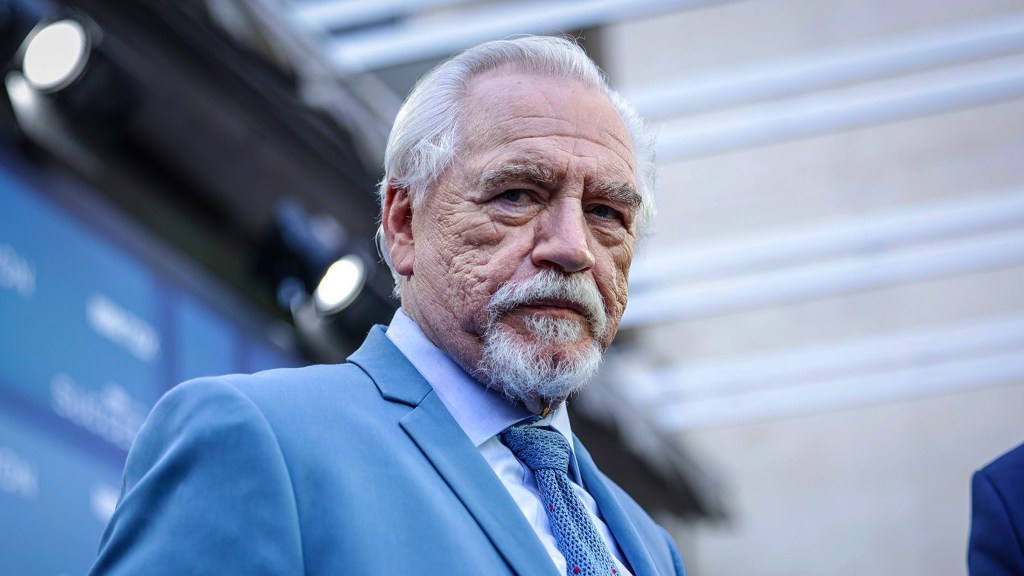
Succession centers on the bitter power struggle for control of Waystar Royco, yet the titan who built the conglomerate remains an enigmatic figure throughout the four-season broadcast. Logan Roy (Brian Cox) frequently weaponizes his impoverished Scottish upbringing against his privileged children, but the audience never witnesses the supposed ruthless events that forged his media empire.
A Succession prequel set against the backdrop of the 1980s corporate boom could explore the vicious consequences of deregulation, hostile takeovers, and the creation of the ATN news network that eventually destabilized American politics. The prequel could also show Logan at the absolute peak of his hunger, battling rival executives without the physical vulnerabilities of his later years. Charting Logan’s transformation from a scrappy outsider into the ultimate media oligarch could expand the reach of Succession, delivering a high-stakes financial thriller that deepens the story while still standing on its own.
Which TV show do you think has the richest untold backstory for a prequel to explore? Leave a comment below and join the conversation now in the ComicBook Forum!
More TV Shows
-
Courtesy of 20th Century Animation -
Courtesy of Warner Bros. Animation