When Game of Thrones premiered on HBO, the production revolutionized the television industry by proving that big-budgeted high fantasy could thrive within a weekly episodic format. Before this cultural milestone, sprawling lore and magical world-building were largely relegated to cinematic epics, as network executives believed the genre lacked the broad appeal necessary to sustain long-term viewership. The adaptation of George R.R. Martin’s novels dismantled those assumptions, delivering unprecedented commercial success and universal critical acclaim. Even the highly publicized controversies surrounding the pacing and narrative decisions of the final season were not enough to undermine Game of Thrones‘ legacy.
Videos by ComicBook.com
Viewers have eagerly returned to Westeros, turning House of the Dragon into a massive viewership juggernaut and elevating A Knight of the Seven Kingdoms to similar heights of critical praise. HBO is actively working to expand this specific universe, with upcoming spinoffs focused on Aegon’s Conquest and the maritime voyages of Corlys Velaryon currently in active development. However, beyond the borders of the Seven Kingdoms, several massive fantasy shows are currently moving through pre-production, and some of them are positioned to become even greater cultural phenomena than the battle for the Iron Throne.
5) Fourth Wing
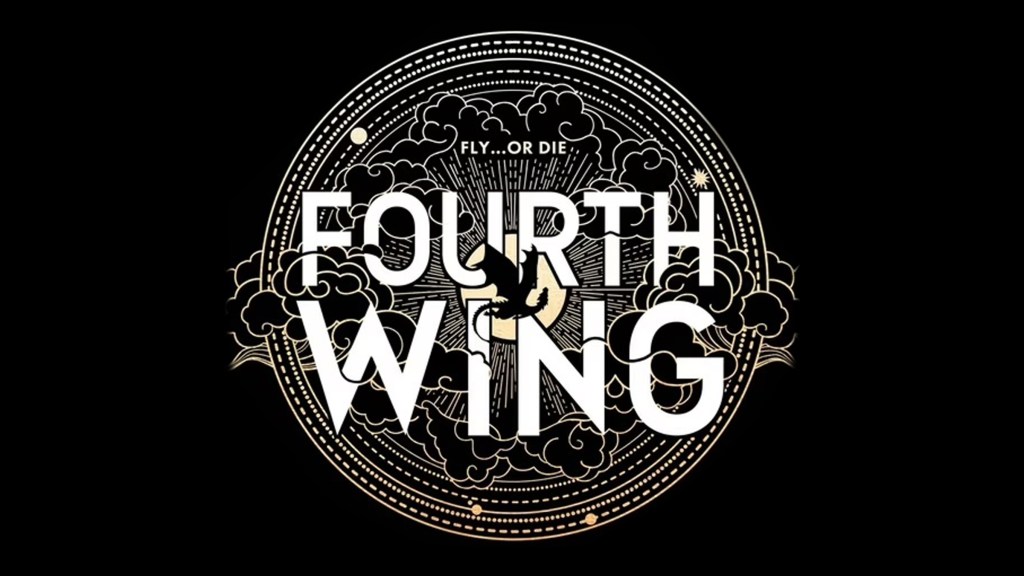
Amazon MGM Studios is currently developing a live-action adaptation of Fourth Wing, based on the wildly popular romantic fantasy novel by Rebecca Yarros. The last we heard of it, Meredith Averill joined the project as showrunner, guiding a narrative that centers on a physically vulnerable scribe who is forced to survive a lethal dragon-rider training program at Basgiath War College. Produced alongside Michael B. Jordan’s Outlier Society, the series promises to blend intense aerial combat with brutal military politics.
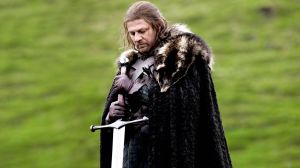
Fourth Wing has the distinct advantage of tapping into the massive BookTok community, a demographic that drives modern publishing trends with a level of enthusiasm that dwarfs the pre-television fanbase of the Westeros novels. In addition, the combination of high-stakes survival trials and character-driven romance provides a more accessible emotional core than standard grimdark fantasy. Finally, because the property focuses on the visceral bond between riders and massive fire-breathing beasts from the very first episode, it can deliver the spectacle audiences crave without requiring years of gradual plot progression.
4) Magic: The Gathering
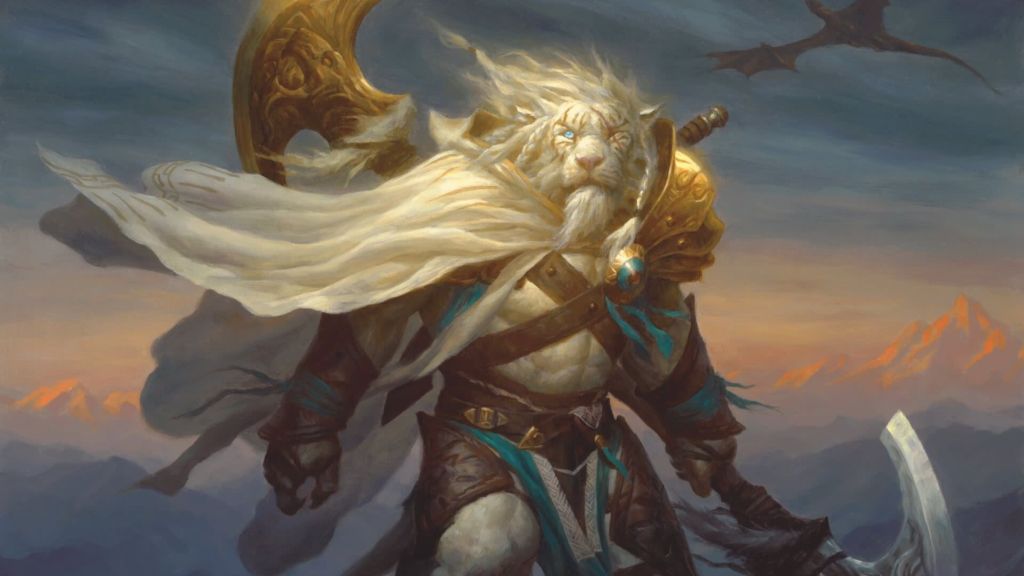
Netflix is officially moving forward with an animated adaptation of Magic: The Gathering, bringing the legendary tabletop card game to the screen after years of delays. In recent years, showrunner Terry Matalas took over the creative reins, confirming that all scripts for the first season are complete and the project has entered the animatics phase. By prioritizing a massive CGI production rather than a live-action format, the studio bypasses the prohibitive budgetary constraints that typically limit magical world-building.
Magic: The Gathering‘s technical freedom allows the narrative to accurately depict the immense scale of the magical practitioners, dropping viewers into an authentic representation of the original card game. The limitless nature of this multiverse gives the series the potential to surpass the scope of Game of Thrones. Instead of confining the geopolitical conflict to a single continent, the narrative can effortlessly jump between entirely distinct dimensions, offering a fresh visual palette and a rotating roster of mythical creatures that a grounded medieval setting simply cannot accommodate.
3) The Forgotten Realms
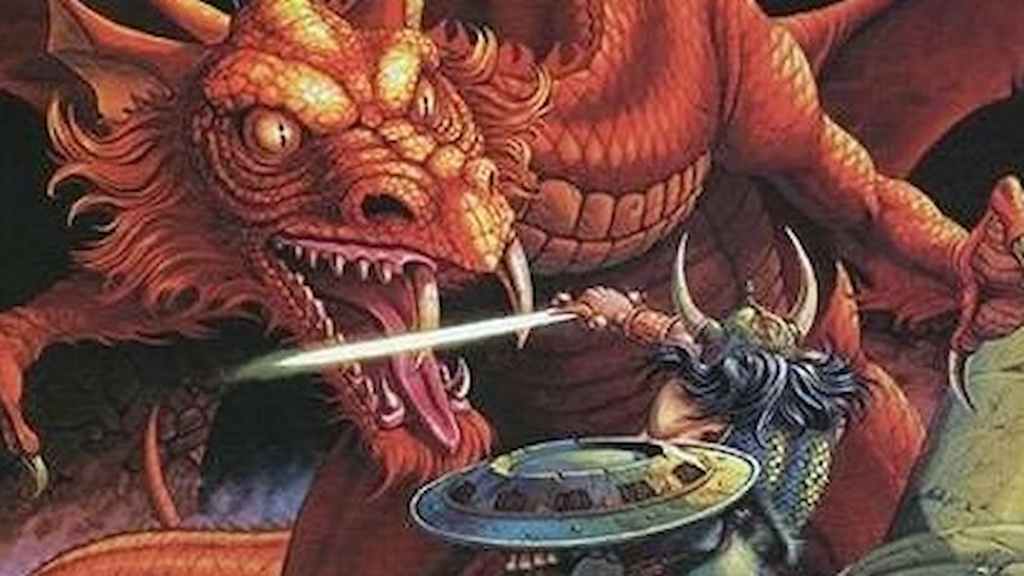
Following a canceled attempt at Paramount+ to build a cinematic universe, the live-action television series based on the Dungeons & Dragons property has been resurrected at Netflix under the title The Forgotten Realms. Executive producer Shawn Levy and showrunner Drew Crevello are spearheading the project, which utilizes the most famous campaign setting in the history of the tabletop game.
Rather than adapting a specific novel, the creative team of The Forgotten Realms is constructing a completely original narrative within the established lore of the sword-and-sorcery universe. This strategy represents a significant advantage over rigid book adaptations, as the writers possess the absolute freedom to shape the pacing and plot surprises for the television medium. By embracing the inherent optimism and collaborative spirit of a classic roleplaying adventure, the show can offer a refreshing alternative to the relentless cynicism of Game of Thrones, delivering an epic journey where the magic feels truly boundless.
2) The Dark Tower
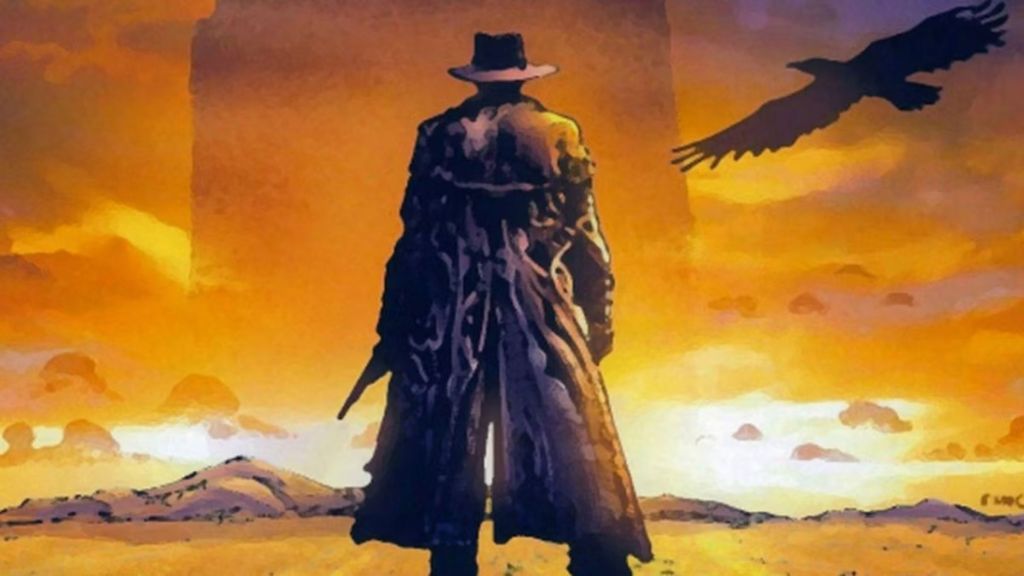
Mike Flanagan is actively developing a television adaptation of The Dark Tower, tackling Stephen King’s sprawling masterpiece for Prime Video. The acclaimed horror director recently confirmed that the scripts for the first season are fully complete, emphasizing that the project is currently his top creative priority. Conceived as a multiple-season television arc accompanied by feature films, the narrative will follow the dimension-hopping journey of the last surviving Gunslinger as he pursues a monolithic structure that holds reality together.
The Dark Tower holds the potential to redefine television because it actively defies standard genre categorization. Flanagan’s distinct mastery of character-driven psychological horror, combined with King’s blend of post-apocalyptic westerns and weird fiction, creates an atmosphere that is far more unpredictable than traditional feudal politics. On top of that, the multiverse mechanics inherent to the source material will allow the production to constantly shift its visual identity, ensuring that audiences experience a sprawling cosmic tragedy.
1) Harry Potter

HBO is currently producing a decade-long television reboot of the Harry Potter franchise, officially targeting a premiere window in early 2027. Showrunner Francesca Gardiner and director Mark Mylod are constructing a comprehensive adaptation that promises to explore the intricate details and character dynamics that the original film series was forced to condense. Last year, the studio concluded an extensive casting search, officially introducing Dominic McLaughlin (Harry Potter), Arabella Stanton (Hermione Granger), and Alastair Stout (Ron Weasley) as the new central trio.
The primary reason the Harry Potter series can eclipse the legacy of Game of Thrones is the sheer magnitude of its built-in, multi-generational global audience. The Wizarding World remains one of the most lucrative intellectual properties in entertainment history, ensuring an immediate viewership base that spans across every demographic. With the prestige production values of HBO backing a deeper exploration of the wizarding war, the network is perfectly positioned to deliver the definitive magical coming-of-age epic of the modern era.
Which upcoming fantasy TV show do you believe has the greatest chance of capturing the television throne? Leave a comment below and join the conversation now in the ComicBook Forum!
Most Viewed
-

Image Courtesy of Prime Video -
CREATOR: gd-jpeg v1.0 (using IJG JPEG v80), quality = 88 -
Image Courtesy of DC Comics -
Image Courtesy of Science SARU