Television has fundamentally changed in the last decade, moving from a model that nurtured long-term growth to one that demands immediate dominance. In the era of broadcast cable, a series was often afforded the luxury of time to find its footing, allowing shows with sluggish starts to gradually build a dedicated audience through word-of-mouth and critical acclaim. However, the modern streaming model has aggressively dismantled this patience, replacing it with a ruthless algorithm that prioritizes metrics like “completion rates” and opening weekend viewership above all else. This creates a volatile environment where even high-quality productions are treated as disposable content if they fail to go viral within days of their release.
Videos by ComicBook.com
As a result, viewers are increasingly hesitant to invest emotionally in new narratives, fearing that the unresolved cliffhangers of today will become the canceled disappointments of tomorrow. This cycle of premature cancellation not only alienates subscribers but also stifles creative risk-taking, as studios become less willing to back unique or complex concepts that might require a slower burn to fully resonate. The following series represent some of the most egregious casualties of this new system, leaving behind rich worlds and agonizingly unresolved plot threads that deserved far better than an unceremonious deletion.
7) The Midnight Club

Mike Flanagan was one of the most consistent creators of high-quality horror for Netflix, yet his adaptation of Christopher Pike’s young adult novel was cut short after a single season. The series is set at Brightcliffe Home, a hospice for terminally ill teenagers who meet every night to tell each other scary stories. It features a talented young cast, including Ilonka (Iman Benson) and Kevin (Igby Rigney), who navigate the heavy themes of mortality and friendship while investigating the supernatural history of their residence. Unlike Flanagan’s previous limited series, The Midnight Club was designed to be an ongoing saga, but Netflix pulled the plug due to viewership numbers that did not justify the cost.
The cancellation was particularly painful because The Midnight Club was built entirely around a central mystery that was never solved on screen. The season finale dropped massive revelations, including the tease that the mysterious Janitor (Robert Longstreet) could actually be Death and that the head of the hospice, Dr. Stanton (Heather Langenkamp), had a tattoo connecting her to the Paragon cult. While Flanagan graciously released a blog post detailing the plot of the unproduced second season, reading the answers is a poor substitute for watching the story unfold. The show deserved the chance to properly conclude the emotional journeys of Ilonka and her friends before their time ran out.
6) Dead Boy Detectives
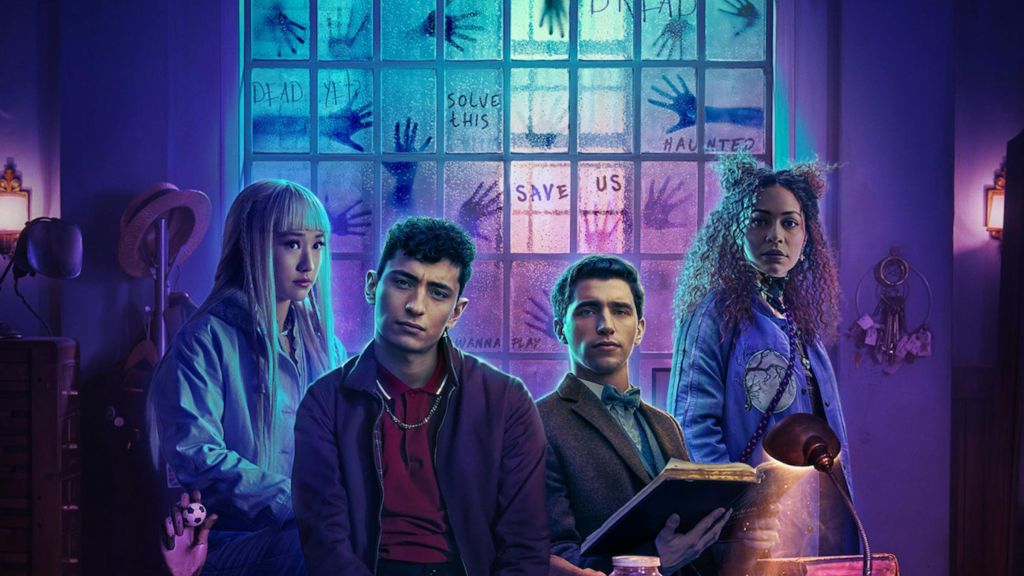
Set within the same universe as The Sandman, Dead Boy Detectives offered a charming expansion of Neil Gaiman’s television mythology. The show follows the ghosts of Charles Rowland (Jayden Revri) and Edwin Payne (George Rexstrew), two best friends who start a detective agency to solve paranormal crimes rather than moving on to the afterlife. They are joined by a psychic medium named Crystal (Kassius Nelson) and a cheerful butcher named Niko (Yuyu Kitamura), forming a found family that battles witches, demons, and their own personal trauma. Despite receiving positive reviews for its chemistry and wit, Netflix canceled the show mere months after its premiere, citing low completion rates.
The loss of Dead Boy Detectives is frustrating because it feels like the streamer wasted a prime opportunity to build a cohesive shared universe. The first season ended with the agency finally gaining a degree of legitimacy, but it also left several major threads hanging. Crystal had just begun to reclaim her lost memories and understand her past, while the subplot involving the Cat King (Lukas Gage) remained largely unexplored. Furthermore, the cancellation robbed fans of potential crossovers with the main The Sandman series, leaving this corner of the magical world permanently dark and disconnecting it from the larger narrative it was meant to enhance.
5) Archive 81
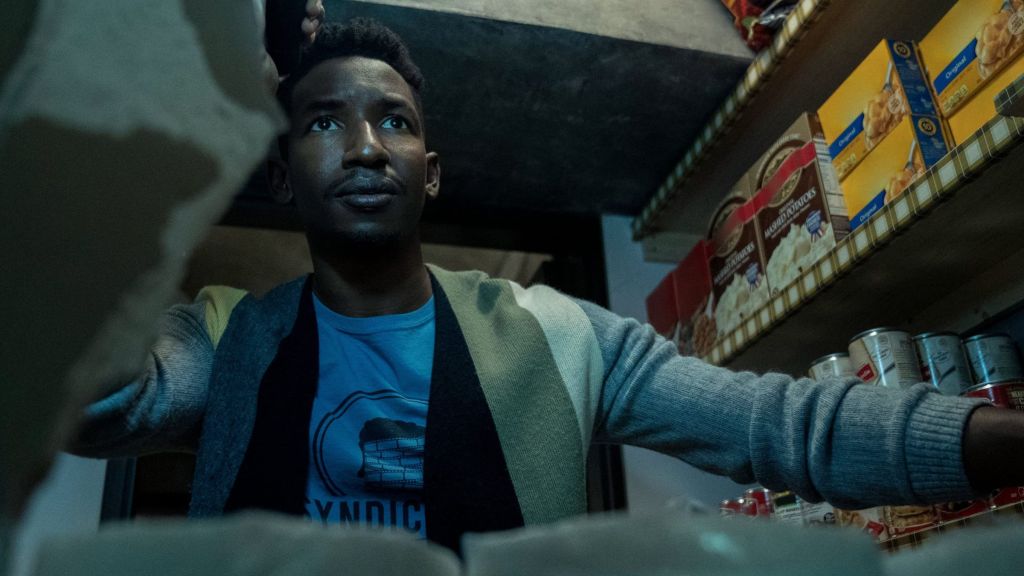
Loosely based on a popular podcast, Archive 81 was a gripping blend of found-footage horror and psychological thriller that hooked audiences with its dual-timeline mystery. The story focuses on Dan Turner (Mamoudou Athie), an archivist hired to restore a collection of damaged videotapes from 1994. As he watches the footage filmed by PhD student Melody Pendras (Dina Shihabi), he becomes obsessed with her investigation into a cult residing in the Visser apartment building. The show was praised for its oppressive atmosphere and intricate plotting, yet it was unceremoniously axed shortly after its release, reportedly because the viewership numbers did not align with the production budget.
The cancellation of Archive 81 is especially egregious given the massive cliffhanger that closed the first season. In the finale, Dan successfully opens a portal to the otherworld to save Melody, but the rescue attempt goes wrong. Melody is transported to the present day, reuniting with her mother, while Dan is dragged back in time, waking up in a hospital bed in 1994 as the sole survivor of the Visser fire. This role reversal set the stage for a fascinating second season where Dan would have to navigate the past while Melody searched for him in the present. Instead, the story is frozen forever, leaving the central mystery permanently unresolved.
4) Kaos
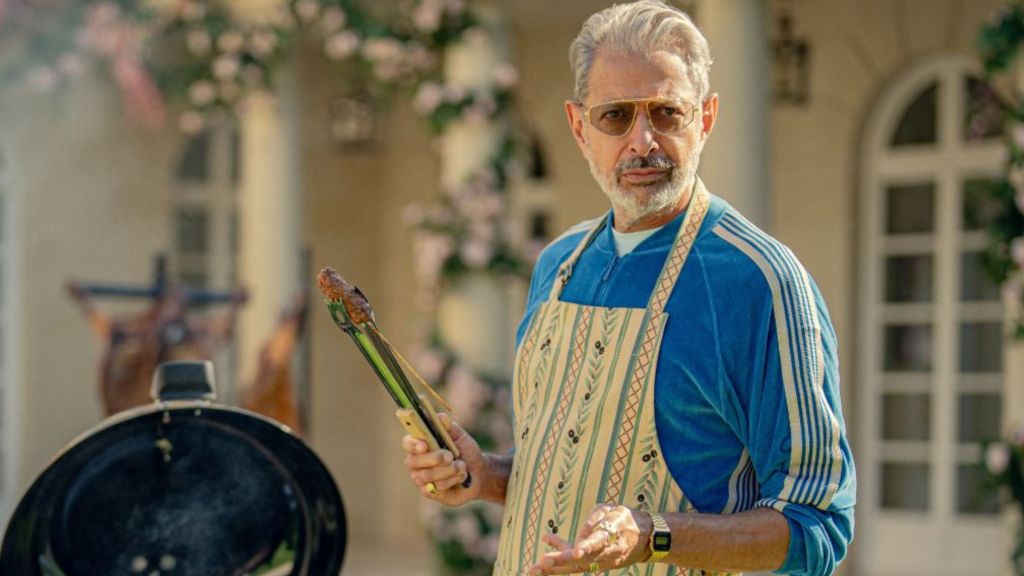
Released in late 2024, Kaos was a bold and stylish reimagining of Greek mythology set in a modern alternate reality. The series stars Jeff Goldblum as a paranoid and insecure Zeus, who begins to spiral when he discovers a wrinkle on his forehead, believing it to be a sign of his impending downfall. The show balanced dark comedy with high-stakes drama, exploring themes of power, corruption, and defiance through characters like Riddy (Aurora Perrineau) and Prometheus (Stephen Dillane). Despite spending four weeks in the top ten, the show was canceled almost immediately, a victim of its own high production costs and the streaming service’s intolerance for anything less than a mega-hit.
The swift execution of Kaos left the story at its most interesting moment. The season finale saw the established order crumbling: Zeus had begun to bleed, confirming that his immortality was fading, while Hera (Janet McTeer) was secretly mobilizing the other Olympians against him. Meanwhile, Prometheus had taken his place on the throne, and Riddy had returned from the underworld with a mission to liberate the dead. The show was clearly designed as a multi-season epic about the toppling of a regime, and cutting it off just as the revolution began renders the entire first season a prologue to a story that will never happen.
3) 1899
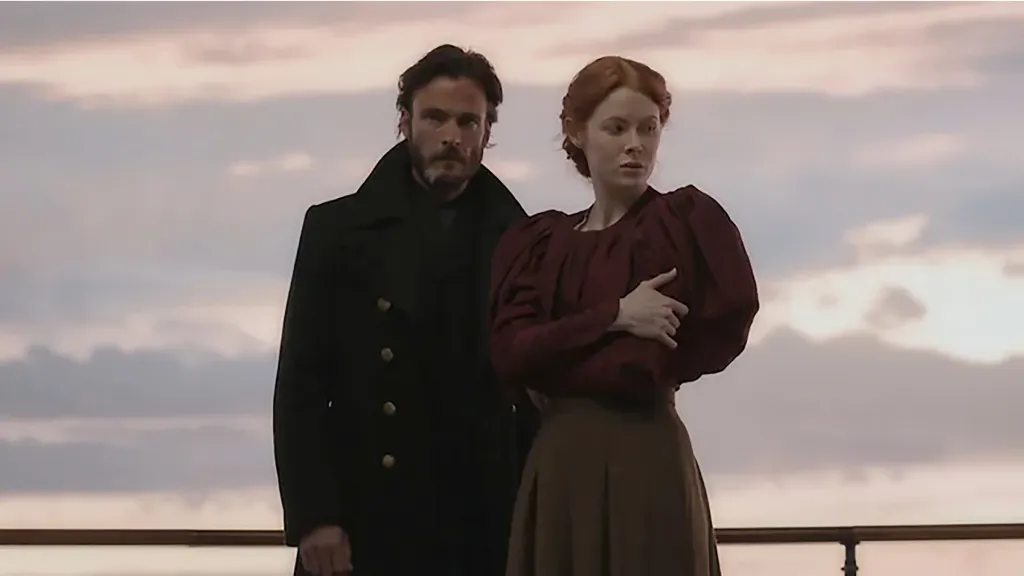
From the creators of the international hit Dark, 1899 was positioned as the next great mind-bending puzzle box for sci-fi fans. The show takes place on a migrant steamship heading from London to New York, where a diverse group of passengers, including Maura Franklin (Emily Beecham), encounter a missing vessel adrift in the ocean. What starts as a maritime mystery quickly descends into a surreal nightmare involving shifting realities and inexplicable technology. The show was expensive and complex, and despite high initial viewership, the completion rate was reportedly too low for Netflix to authorize a second season, leaving the creators’ planned three-season arc completely destroyed.
The final moments of 1899 completely upended the premise of the show. The finale revealed that the entire steamship journey was a simulation and that the characters were actually on a spaceship in the year 2099. This twist recontextualized every event that had come before it and promised a second season that would have been a completely different genre, exploring the reality of their situation in deep space. To have such a radical narrative shift followed by immediate cancellation feels like a betrayal of the audience’s investment, discouraging viewers from trusting complex mysteries in the future.
2) Raised by Wolves

Ridley Scott’s Raised by Wolves was a strange, philosophical, and visually stunning sci-fi series that felt unlike anything else on television. It followed two androids, Mother (Amanda Collin) and Father (Abubakar Salim), who are tasked with raising human children on the desolate planet Kepler-22b after Earth is destroyed by a religious war. The show was a flagship series for HBO Max, dealing with heavy themes of atheism, faith, and evolution. However, it became a casualty of the corporate merger between Warner Bros. and Discovery. As the new leadership looked to cut costs and tax write-offs, the show was canceled, leaving its incredibly weird mythology hanging in the balance.
The second season of Raised by Wolves ended on a cliffhanger that changed the power dynamics of the planet. Mother, the powerful Necromancer, was imprisoned in a simulation by Grandmother (Selina Jones), an ancient android with a twisted objective to devolve humanity to ensure its survival. Meanwhile, the religious zealot Marcus (Travis Fimmel) was crucified upside down and seemingly transformed into a biomechanical entity. The show was in the middle of unpacking the secrets of the planet’s core and the history of the civilization that lived there before. The abrupt end means we will likely never understand the true nature of the entity Sol or the ultimate fate of the last human colony.
1) GLOW

The cancellation of GLOW remains one of the most heartbreaking television decisions of the streaming era because the show had already been renewed. Based on the 1980s wrestling circuit, the series starred Alison Brie and Betty Gilpin as Ruth and Debbie, two friends-turned-rivals navigating the world of professional wrestling. The show was a critical darling with a passionate fanbase and had begun filming its fourth and final season when the COVID-19 pandemic hit. Netflix ultimately decided that the cost of maintaining the sets and the difficulty of filming a contact-heavy wrestling show under new health protocols were too high, reversing the renewal and canceling the series abruptly.
This decision robbed fans of the closure they were promised. The third season GLOW ended with the wrestling troupe fracturing: the characters were scattering to different locations, and a major rift had formed between Ruth and Debbie after Ruth rejected an offer to direct the new show. The final season was set to bring the band back together and resolve the complex relationship between the two leads. Instead, the characters are left in a state of permanent estrangement. To have a show earn its final season, start filming it, and then have it snatched away due to external circumstances is a lasting sting that tops the list of cancellation tragedies.
Which recently canceled TV show would you bring back, if you could? Leave a comment below and join the conversation now in the ComicBook Forum!
More TV Shows
-
Sam and Dean Winchester in Supernatural looking out a window.