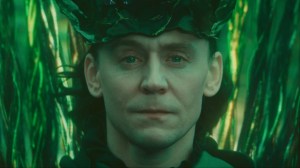
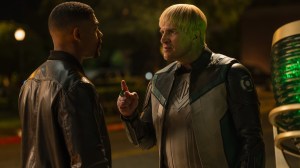
Nicolas Cage’s Spider-Noir may be a fantastic TV show, but it switches up the comics quite a bit. We’re diving deeper into the Spider-Verse with Amazon’s new TV series, which kicks off by openly acknowledging this is a version of Spider-Man Noir who never jumped between the dimensions – even if he has crossed paths with someone who once asked him which universe this was. This universe’s “Spider” isn’t the animated character seen in Spider-Man: Into the Spider-Verse.
Videos by ComicBook.com
Nor, for that matter, is he the character we know and love from the comics. The comic book version of “The Spider” bears only the most superficial resemblance to the excellent character Cage brings to life on the small screen. But what are all the big differences, and why did Sony switch them up so much?
6. Spider-Noir is Ben Reilly, Not Peter Parker
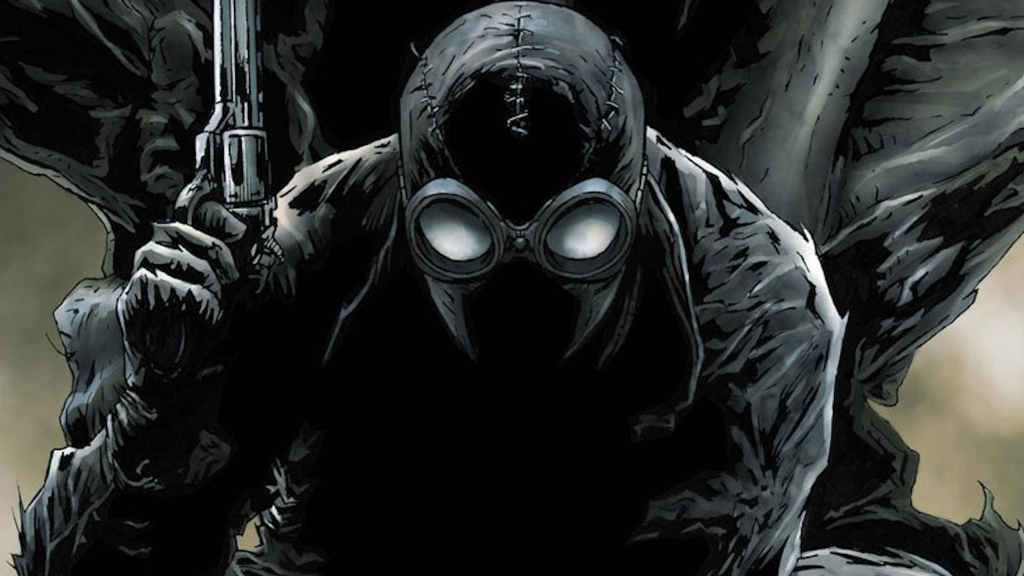
Let’s start with the most basic difference of all: this is Ben Reilly, not Peter Parker. To be fair, there’s a reason Peter Parker isn’t directly named in Spider-Noir; the show strongly hints this incarnation of the wall-crawler changed his name when he went on the run (more on that later). From an out-of-universe perspective, showrunner Oren Uziel explained, “Peter Parker feels very synonymous with a high school kid. Boyish. On his way up.” This Spider is down-on-his-luck, tired and world-weary. That’s why Spider-Noir takes a step away from the Parker name.
5. This Universe’s Ben Reilly is a Much Older Character
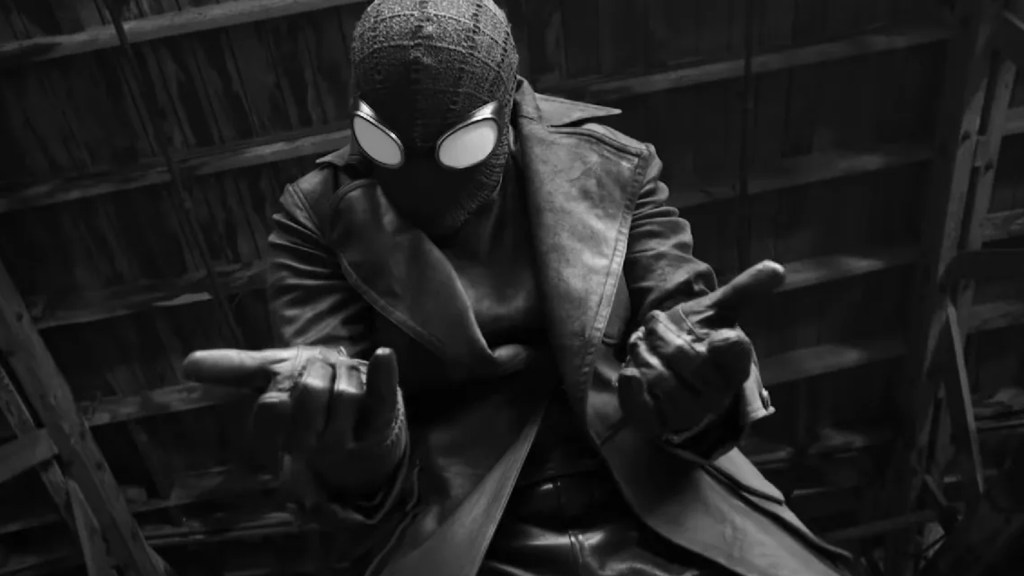
In the comics, Peter Parker’s Uncle Ben served in the First World War; Peter is only in his late teens when he suits up as Spider-Man (not “The Spider”) in the 1930s. In contrast, Spider-Noir introduces us to an older character who himself fought during the First World War – and it’s crucial to The Spider’s entire origin story. This one change turns The Spider into someone who’s known war, and immediately means he has a greater tally of kills than any previous Spider-Man we’ve seen on-screen.
4. The Spider’s Origin Story is Completely Different
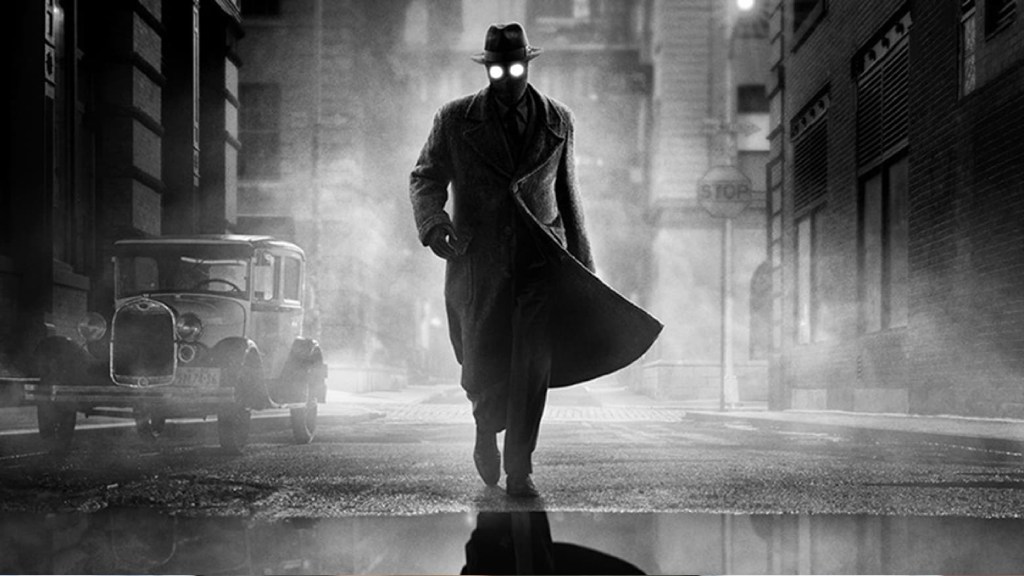
All this leads to a completely different origin story for The Spider. In the comics, the young Peter Parker was spying on a delivery of mysterious artifacts sent to the crime boss known as the Goblin. One broke, unleashing a flood of spiders, one of which bit Peter; he then experienced a mysterious hallucination in which he was chosen by a spider-god. He’s the most explicit Spider-Totem in the entire Spider-Verse.
In contrast, Spider-Noir introduces a character who stumbled on monstrous genetic experiments being conducted by the Germans during the First World War. These were essentially an attempt to artificially create totems by bonding humans with animals, and Peter was bitten by a monstrous Man-Spider. The Man-Spider’s venom gave him his powers, while also making his DNA stable so the mutation didn’t kill him.
3. The Spider’s Nature is Very Different to Spider-Man Noir
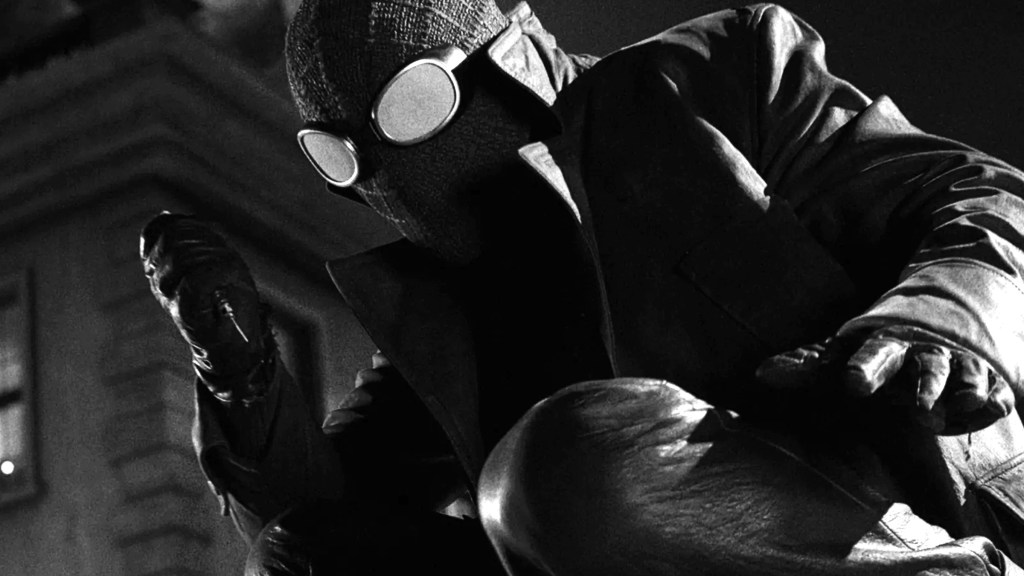
This builds to the next big difference between The Spider and Spider-Man Noir. In the comics, Noir is basically just your typical version of the wall-crawler; a down-on-his-luck photographer with all the traditional Spider-Man powers, plus organic webs. In contrast, The Spider’s DNA was mutated much more radically, leaving him more animal than man. Ben reveals he had to relearn what it meant to be human, which he did by watching the movies and studying how actors did it. He reverts to nature when unfocused, drugged, or injured, and Cage has a blast with that aspect of the performance.
2. All of Spider-Noir’s Villains Have a Different Origin
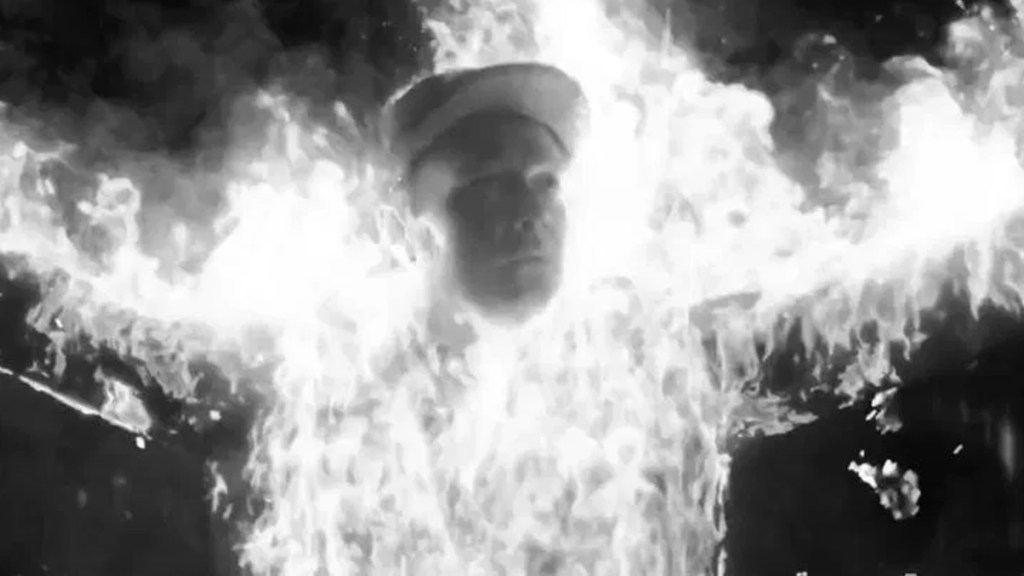
The different origin story means Spider-Noir‘s other characters are switched up quite dramatically (and, indeed, many riff on the classic Earth-616 villains rather than Spider-Man Noir’s bad guys). In Spider-Noir, all the bad guys were victims of German science experiments who’ve become known as “monsters,” and who gradually fall into the orbit of crime boss Silvermane. They possess powers just as remarkable as The Spider’s, differentiating this universe from Spider-Man Noir’s.
Sandman is the perfect example. In the comics, Spider-Man Noir’s Sandman doesn’t have a body composed of sand at all; he’s simply a phenomenally tough human, a carnival freak. He came within a hair’s breadth of beating Spider-Man to death, before being shot dead by police. In contrast, Spider-Noir‘s Sandman is basically the traditional Earth-616 bad guy, but with a different origin story and love interest.
1. Spider-Noir’s Black Cat is Very Different
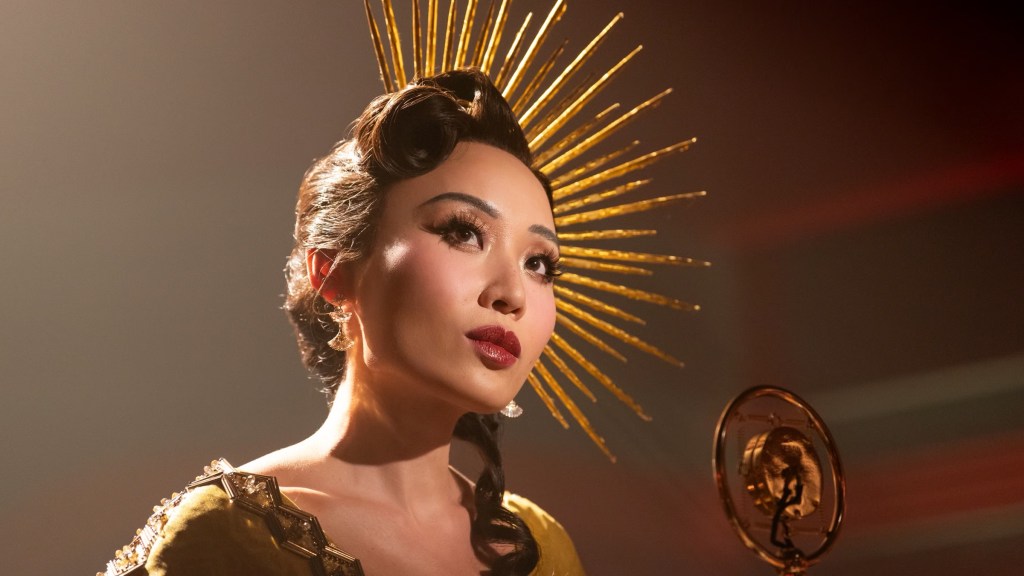
Finally, we have “Cat” Hardy – another major change from the comics. In Spider-Man Noir continuity, Felicia Hardy owns the Black Cat nightclub, and secretly became lover of reporter Ben Urich before she was sexually assaulted by the Goblin. She helped Spider-Man Noir beat the Goblin, becoming his lover shortly after. She helped him against many enemies, although she was sadly badly scarred after crossing the Crime Master. Cat Hardy took up the alias of the White Widow, a very different trajectory to Earth-616’s Felicia.
In contrast, Cat Hardy is Spider-Noir‘s version of the same character; a nightclub singer with enough similarities to clearly riff on the original, but a totally different story. She does indeed become Ben Reilly’s principal love interest, but ultimately proves to care a lot more about the Sandman. All this means she feels more like an original character than the one we know from the comics.
What do you think? Leave a comment below and join the conversation now in the ComicBook Forum!