Ahsoka Tano is a central Star Wars character introduced as Anakin Skywalker’s Padawan during the Clone Wars. Stories about Ahsoka are primarily about her growth from an inexperienced Jedi apprentice into an independent Force user who operates outside the Jedi Order. Because she is closely connected to major figures and major turning points, Ahsoka-focused stories often function as a “bridge” through Star Wars history, moving from the late Republic era into the rise of the Empire and beyond.
Videos by ComicBook.com
In the larger franchise, Ahsoka is significant because she provides a long-running perspective across eras without being one of the saga’s original film protagonists. Viewers see how the Jedi legacy is remembered, questioned, and carried forward after the Order’s fall, and how the Force tradition continues outside the formal structures that once defined it.

10. Ahsoka’s Introduction in The Clone Wars (2008 Film)

Ahsoka’s debut in the 2008 animated film was met with mixed reactions. Fans struggled to accept a young, snippy Padawan paired with Anakin Skywalker. Over time, that very brashness became the foundation for one of Star Wars’ richest arcs in character development. Her first mission on Christophsis reveals both her potential and her flaws—qualities that would come to define her journey.
The film also marked a pivot for Star Wars storytelling. Ahsoka’s presence reframed the narrative around mentorship, growth, and moral strain during the Clone Wars. It set the tone for the series that followed and introduced a protagonist who would challenge Jedi dogma more than anyone since Qui-Gon Jinn.
9. The Battle of Ryloth Arc (The Clone Wars, Season 1)
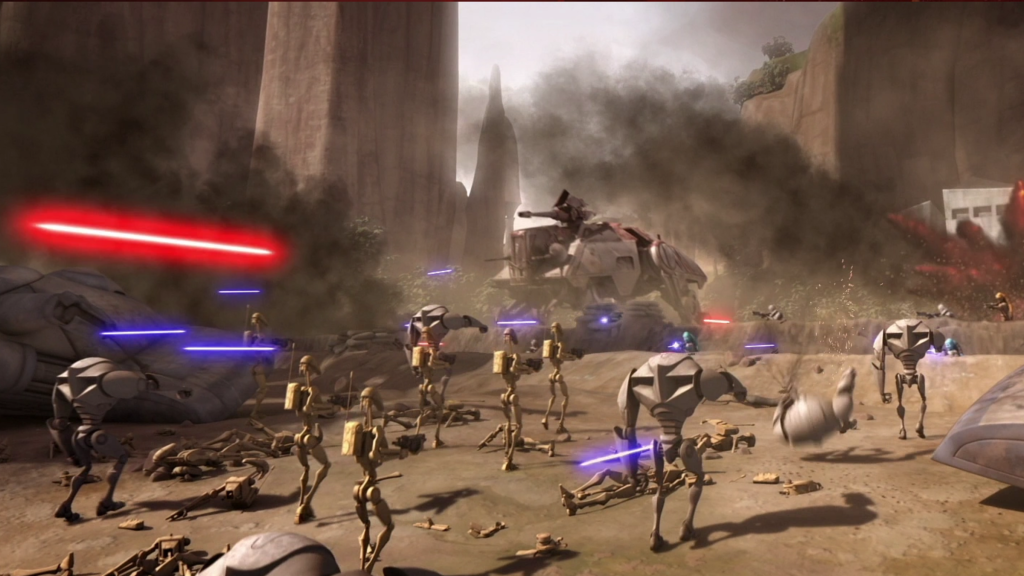
During the liberation of Ryloth, Ahsoka faces command failure for the first time. Her disobedience leads to heavy clone losses, forcing her to confront guilt and the weight of responsibility. It’s a pivotal early lesson — humility through consequence — that shapes her leadership style throughout the war.
This arc also shows how her connection to the clones and civilians differs from the Jedi Council’s detached approach. By choosing empathy and learning from failure, Ahsoka begins to walk a path that separates her from the traditional Jedi mold. That emotional awareness becomes her compass long after she leaves the Order.
8. The Mortis Trilogy (The Clone Wars, Season 3)
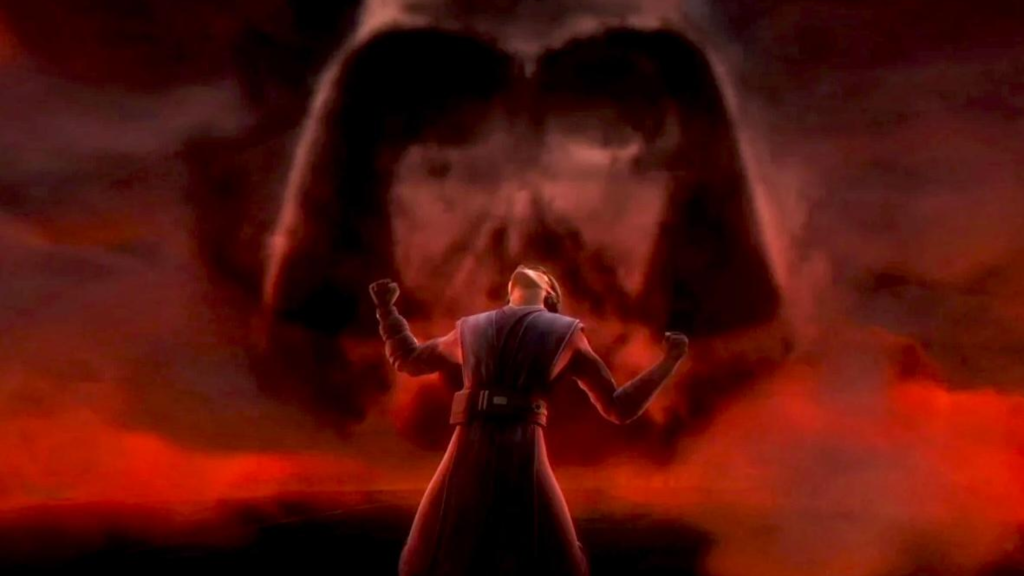
Ahsoka’s time on Mortis places her within the mythological spine of Star Wars. The Daughter, Son, and Father represent cosmic aspects of the Force, and Ahsoka’s corruption and resurrection hint at a destiny far larger than the Clone Wars. Mortis brings her face-to-face with the living mystery of the Force, and she survives an experience that would break most Jedi.
What makes Mortis essential to her story is the foreshadowing of future roles. The Daughter’s power living through Ahsoka becomes symbolically tied to her survival beyond death, later resonating through her return as a “white-robed” wanderer. Mortis transforms her from a soldier into something closer to a prophetic figure in the Force’s balance.
7. The Citadel Arc (The Clone Wars, Season 3)
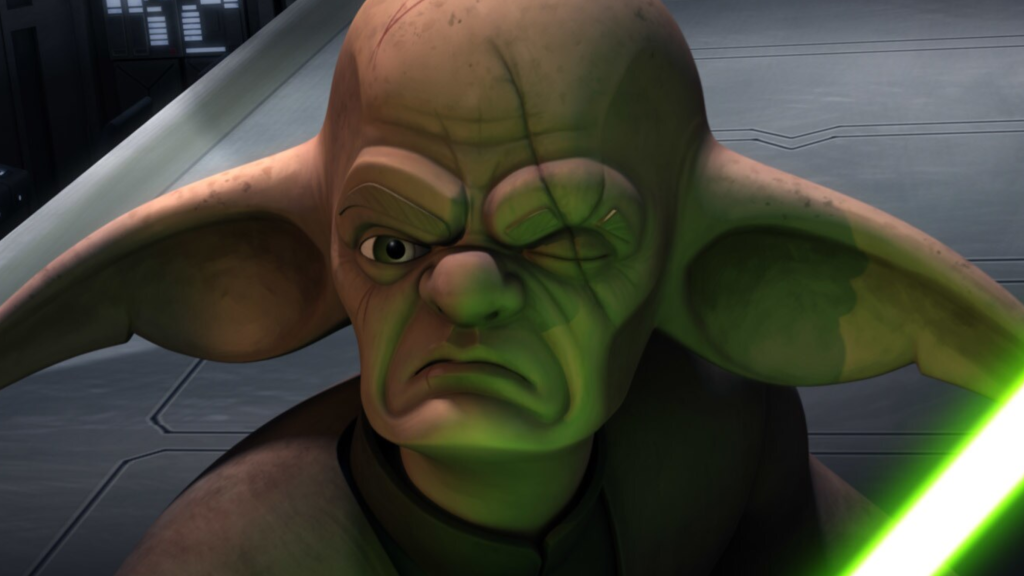
Trapped behind enemy lines, Ahsoka fights to free Master Even Piell and other captives in the Citadel. The mission showcases her maturity as a commander and her rising tactical brilliance. The arc delivers a deep sense of cost—Jedi Masters die, and morality blurs under wartime conditions.
This story matters because it shows Ahsoka fully functional among veteran leaders rather than under supervision. She’s trusted, decisive, and unafraid to question tactics when lives are at stake. The Citadel makes clear that she is no longer a trainee but an equal on the battlefield—an evolution critical to her eventual break from the Jedi hierarchy.
6. The Onderon Rebellion (The Clone Wars, Season 5)

Ahsoka helps train rebels on Onderon—a key prelude to the eventual Rebellion against the Empire. Her mentorship of Lux Bonteri and Saw Gerrera exposes her to the political complexity beyond the Jedi Council’s oversight. She sees firsthand how ordinary people fight tyranny long before the Rebel Alliance forms.
This experience fundamentally alters her worldview. Ahsoka understands that ideological purity means little to those living under oppression. Her sympathy for the people on the ground deepens her disillusionment with institutional Jedi strategies, placing her trajectory parallel to the rebellion long before she officially joins it.
5. The Jedi Temple Bombing and Ahsoka’s Trial (The Clone Wars, Season 5)

Framed for treason and murder, Ahsoka becomes a fugitive hunted by the Order she once served. This is the turning point of her life—the collapse of trust between her and the Jedi Council. Their willingness to abandon her to political convenience exposes the Order’s decay from within.
When she finally proves her innocence and rejects an invitation to return, she establishes her moral independence. Ahsoka’s departure marks one of Star Wars’ most important emotional pivots. She embodies the conscience the Jedi had lost, making her exit both tragic and necessary for her spiritual rebirth.
4. Siege of Mandalore (The Clone Wars, Final Arc)

The Siege of Mandalore delivers Ahsoka’s narrative crescendo. Facing Maul amid the chaos of a crumbling Republic, she leads clone forces with courage and restraint. Her duel with Maul ranks among the saga’s finest — tension, philosophy, and choreography merging into pure storytelling.
Her survival of Order 66 cements her transformation from soldier to survivor. Watching her bury her clones in silence beside her lightsabers speaks louder than a thousand Jedi speeches. It’s the definitive closure of her wartime self and a haunting prelude to the dark era that follows.
3. Ahsoka vs. Darth Vader (Star Wars Rebels, “Twilight of the Apprentice”)

Her duel with Vader delivers emotional devastation in the purest sense. Facing her old master in the ruins of a Sith temple, Ahsoka fights with purpose but without hatred. The reveal of Anakin beneath the mask breaks her composure for the first time since leaving the Order.
This confrontation is not about victory but acknowledgment. Ahsoka’s refusal to abandon Anakin again validates her enduring compassion, while Vader’s inability to accept her forgiveness solidifies his entrapment. It’s perhaps the most personal and mythic duel in Star Wars animation — love colliding with ruin.
2. Ahsoka’s Journey in The Mandalorian and The Book of Boba Fett

Ahsoka’s live-action debut reintroduces her as an experienced but emotionally distant wanderer. Her connection to Grogu mirrors her lingering pain over Anakin’s fall. By refusing to train Grogu, she demonstrates the lessons learned from her own broken past — the cost of attachment and the scars of mentorship gone wrong.
Her alliances with Din Djarin and Luke Skywalker weave her into the broader post-Imperial narrative. Unlike many Jedi, Ahsoka operates with balance born of failure and wisdom rather than doctrine. In this period, she represents what the Jedi could have been — guardians guided by compassion rather than rigidity.
1. Ahsoka (2023)

The live-action Ahsoka series crowns her decades-long evolution. It unites threads from The Clone Wars and Rebels into a mature narrative about legacy and rediscovery. Facing former allies, mentors, and new apprentices, she redefines what it means to serve the Force without serving an order.
Crucially, this story reveals Ahsoka at peace with herself. Her lessons to Sabine Wren echo her own past failures and triumphs, creating a cycle of mentorship that feels earned, not replicated.
What do you think? Leave a comment below and join the conversation now in the ComicBook Forum!
Most Viewed
-

Image courtesy of Amazon MGM Studios -

Image Courtesy of MAPPA -

Image courtesy of Tor Books/Macmillan