The X-Men are one of Marvel’s biggest franchises, and have often been the publisher’s most important line of comics. 2024’s “From the Ashes” tried to position the new line of mutant books at the top of the charts, and it worked for about a month. Then DC’s Absolute line came out and blew it away. Since then, the X-Men line has been in freefall, with books getting cancelled, and formerly bestselling books like Wolverine falling down the charts. This is a huge change of affairs for the team and their comics. It wasn’t all that long ago that a new X-Men status quo became the biggest thing in the comic industry, and stayed at the top for more than one month.
Videos by ComicBook.com
I’m speaking, of course, of the Krakoa Era. The Krakoa Era was the first time that Marvel put the biggest and best writers and artists on the X-books in years, and it paid off; the Krakoa Era X-books were bestsellers. In fact, there’s clues that the only reason Marvel survived the 2020-2021 pandemic so well is because of how well these books sold. The success of these books can’t be denied, and all of it came from the two books that were one: House of X and Powers of X, by writer Jonathan Hickman with art by Pepe Larraz and R.B. Silva. These books are considered some of the best X-Men comics of all time. However, I think it’s time we all talked about the problems with this story that we mostly ignored back in the day.
SPOILERS for House of X/Powers of X
House of X and Powers of X Ignored the X-Men’s History More than It Honored It
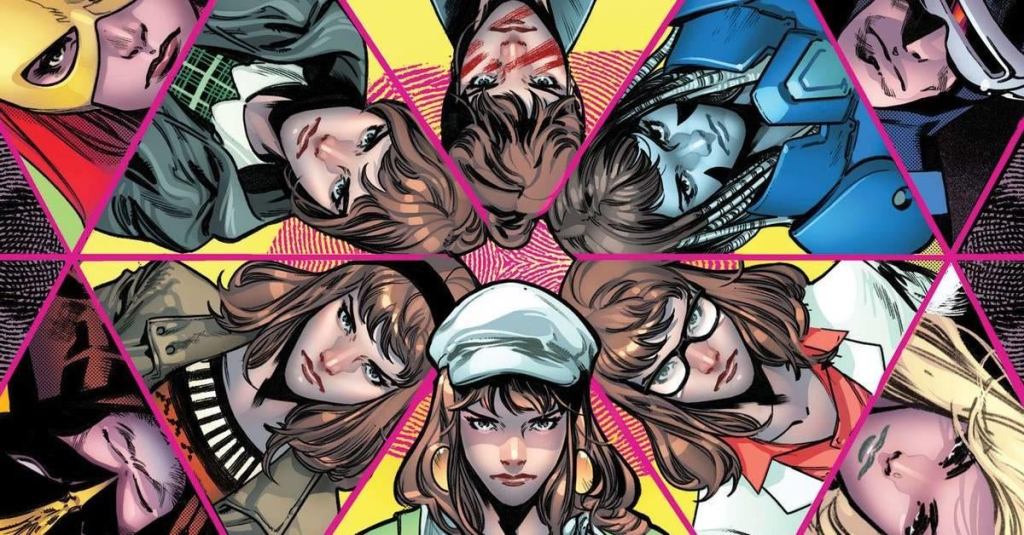
So, I think the best place to talk about the problems with the story begin with Moira MacTaggert. The reveal that Moira was a mutant was one of the biggest surprises of HoX/PoX. I remember the whole comic fandom that read the book melting down over this moment; I reviewed HoX/PoX back then, so I read the book a couple of days before everyone else and wrote a couple of thousand words about why the whole thing was genius. However, looking back at the twist, it robs the X-Men of one of their most important human characters, a person whose life was hurt by mutants who still chose to help them. Moira becoming an immortal mastermind was a cool idea, but it was eventually turned into yet another disappointment, and robbed the X-Men of a very important character.
Hickman’s run on X-Men wasn’t amazing, and I think that began with HoX/PoX. One of the problems with his run on the team’s book had been ignoring who the characters were to tell his stories, and that honestly began in HoX/PoX. Sure, he “nailed” characters like Xavier and Magneto, but he chose a very limited view of both of them; they became the kind of one-dimensional leaders that were making the most obvious mistakes. Other characters also felt extremely cold, for lack of a better word. There was something about the way that Hickman wrote the characters that felt like it was mostly ignoring the emotional lives of the team. Sure, there was the joy at the end, but how many times did any character feel right? I’d say it was only the Nightcrawler/Wolverine death scene.
Speaking of death, I think it’s about time we talked about the death of the X-Men and Krakoan resurrection. Now, sure, it was a huge idea that changed mutant comics right off the bat, but it also felt like it was there to shock for the sake of shock in HoX. Go back and re-read House of X #4; the only good parts about the book are the art and the shock 9 (and the aforementioned Nightcrawler/Wolverine scene). It’s not actually an issue of good action, it was just meant to shock readers. On top of that, as great an idea that Krakoan resurrection was (Hickman did come up with something cool with the Five and how it worked), it also became a huge problem. Death hadn’t meant anything in comics for a long time, and the Krakoa Era went even further in that direction; even if it was meant to mock how death in comics was portrayed, it went way too far in the other direction and became something to mock itself.
The data pages were fun, especially in HoX/PoX, but they were ultimately a mistake. They’re actually a pretty common trope in Hickman comics; The Nightly News and Pax Romana from Image Comics have them. The writer was very good with these pages, and they helped at times, but they also felt like a crutch. Instead of having to figure out how to give all of that info to readers in an entertaining way, a data page just allowed Hickman to give the exposition without that. They became a huge part of the X-Men comics throughout the Krakoa Era, and no one used them as well as Hickman, which was another problem with them (honestly, Gerry Duggan shouldn’t have been allowed to use them). Looking back, so many of things that we praised about HoX/PoX are the biggest problems with the book.
The Krakoa Era Was Never Going to End Well and That Was Obvious from the Beginning

I have a lot of fond memories of reading House of X/Powers of X. A lot of X-Men fans do, and for good reason. It was the first time in years that the X-Men books felt vital and new; we had watched the House of Ideas marginalize the mutants comics for ages. It was nice to get this massive new story, from Jonathan Hickman, who had long been Marvel’s golden boy writer. However, the more we look at HoX/PoX, the more problems there were with it, problems that were always there but we ignored.
The Krakoa Era was a huge disappointment, and fans often talk about how much better the beginning was than the end. This is true (even with the problems of the beginning of the era, it was better than the end), but the more I think about it, the more I realize this was always inevitable. As much as we love House of X/Powers of X, it was never this perfect masterpiece. It was highly flawed, often in the places where we praised it the most, and those flaws became baked into the era. It’s still an important book, and it’s one that I will always recommend, but it’s time we were more realistic about it and its problems.
What do you think about House of X/Powers of X? Leave a comment in the comment section below and join the conversation on the ComicBook Forums!
Most Viewed
-

Courtesy of Sony Pictures Animation / McDonald's -

Image courtesy of Marvel Television