Almost a decade after the anime’s debut and across eight seasons, My Hero Academia finally came to an end on December 13, 2025, marking the conclusion of a generational era. Like most shonen series, it followed a simple narrative thread: a protagonist with a grand ambition, a world that gradually unfolds around them, and a journey that culminates in a definitive ending. However, My Hero Academia’s conclusion may be one of the strongest endings a shonen series has ever delivered, especially when compared to other major Shonen Jump titles such as Bleach, Naruto, and Jujutsu Kaisen. The primary reason the finale stands out is the strength of the series’ foundational storytelling.
Videos by ComicBook.com
My Hero Academia begins with a long-standing conflict between All For One and One For All, a conflict that spans decades. Heroes strive to protect the latter quirk from falling into the villain’s hands, establishing a deep and layered narrative from the outset. This foundation is made clear as early as the second episode, when All Might reveals that he can pass his power on to Izuku Midoriya, setting them on a journey to preserve this legacy and finally put an end to All For One’s reign of terror. This carefully maintained groundwork is what makes My Hero Academia’s ending feel so satisfying, especially in comparison to its counterparts, which struggled to maintain the same level of consistency.
My Hero Academia’s Foundations Are Stronger Than Those of Other Shonen Titles
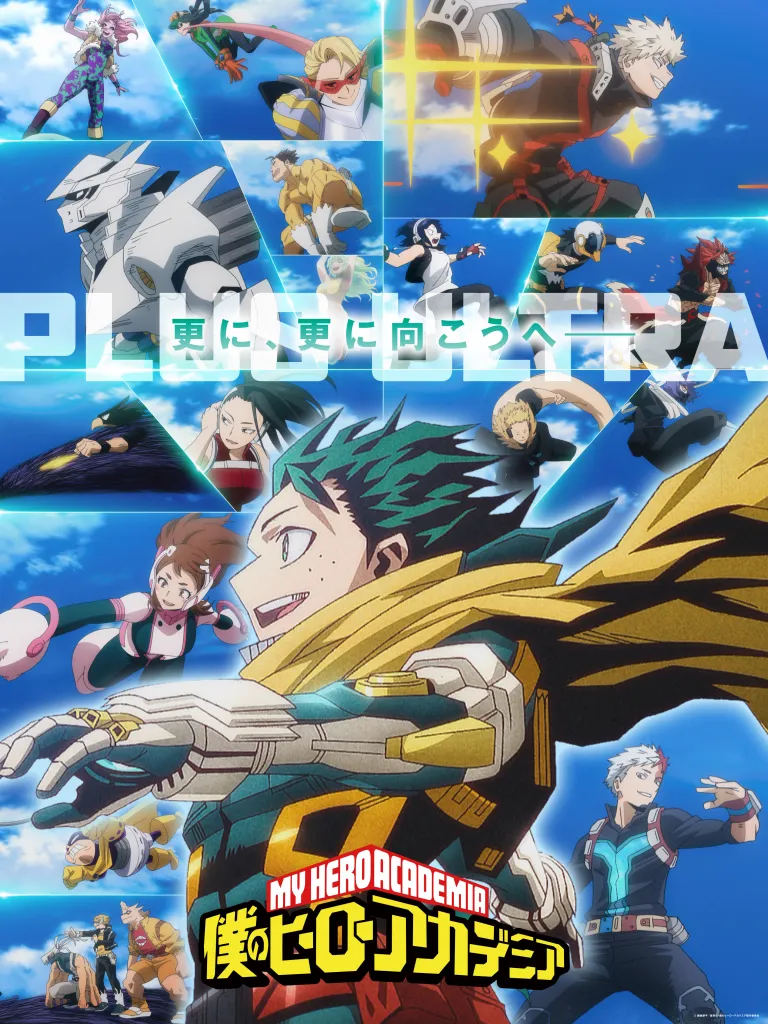
My Hero Academia never strayed from its foundational building blocks, even while introducing surprising twists through additional narrative threads, most notably the true nature of its main villain. This reflects the author’s strong writing, reinforcing the idea that the ending was envisioned from the very beginning and that the series was constructed around those core elements. This consistency is precisely why Naruto’s ending, which introduced a sudden surprise villain, is often regarded as one of the weakest conclusions in shonen history, further compounded by the fact that fans never saw Naruto actually become Hokage within the original manga or anime.
In contrast, Bleach’s final arc arrived abruptly, giving the impression that it was incorporated late into the story. Jujutsu Kaisen’s ending, meanwhile, is one that fans have yet to come to terms with and is frequently cited as a failed conclusion for the new generation of shonen, especially given the immense depth the series possessed and the unexplored potential that could have made the manga even more engaging. In terms of narrative consistency, only Demon Slayer truly stands out, but with My Hero Academia having a significantly longer storyline, it ultimately earns far greater merit for its ending.
If any series has the potential to surpass My Hero Academia’s near-perfect conclusion, it would be One Piece. With a narrative length unlikely to ever be matched and the author’s claim that the ending has been planned from the beginning, One Piece may eventually emerge as the shonen series with the best ending. For now, however, My Hero Academia stands above the rest, and much of the satisfaction of its finale comes from how Izuku Midoriya embodies the core ideals of shonen storytelling, an essence that the ending captures more effectively than any other series to date.
My Hero Academia’s Ending Perfectly Encapsulates What a Shonen Hero Should Embody
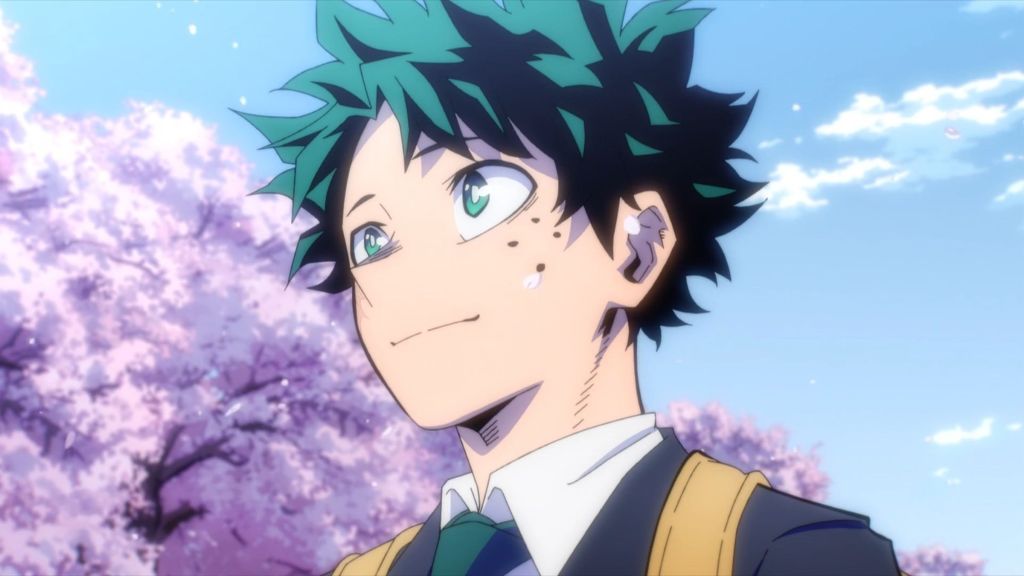
If there is one moral that defines shonen series, it is the idea of never giving up and inspiring others. In that regard, My Hero Academia’s Deku embodies these ideals more completely than most, and the series’ ending makes this especially clear. Unlike many shonen protagonists, Deku does not project the image of someone who can shoulder everything alone, even after becoming immensely strong. Instead, he openly shows vulnerability, and that very weakness becomes the source of his strength, inspiring others to stand beside him. This is powerfully reflected in the final battle, where seeing a fragile Deku compels every other character to step onto the battlefield and help him overcome the looming threat.
Deku’s philosophy of inspiring others rather than existing as an untouchable pillar ultimately makes him a greater hero than All Might, and arguably than many shonen heroes who become figures others rely on entirely. A single pillar, no matter how strong, is fragile by nature; its fall would only lead to chaos and panic. In contrast, even after losing his powers, Deku’s influence continues to shape society, encouraging ordinary people to find the hero within themselves and help those around them. Kohei Horikoshi’s My Hero Academia may not be a flawless series, but its ending firmly establishes it as a special entry in the shonen genre, proving that it understands and embodies the core spirit of shonen storytelling better than most.
What do you think? Leave a comment below and join the conversation now in the ComicBook Forum!
Most Viewed
-

Image Courtesy of Netflix -

Images courtesy of CBS and NBC