Anime fandoms have a habit of building impossible expectations — especially for beloved, acclaimed series. The deeper a story gets, the more personal it becomes to each viewer, and so the ending rarely satisfies everyone. Acclaimed anime should strive to be more inclusive of their fandoms rather than dividing them. A great series builds a connection with its audience, and a polarizing finale or sudden narrative shifts can feel like a betrayal of that trust.
Videos by ComicBook.com
While it’s crucial for creators to retain their artistic vision, they should also consider the expectations and emotional stakes of the audience. Splitting a fandom through controversial choices often overshadows the series’ accomplishments, reducing it to debates over its flaws rather than its strengths. Endings may never be perfect, but they don’t have to be divisive.
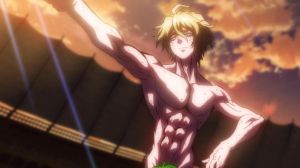
10. The Seven Deadly Sins
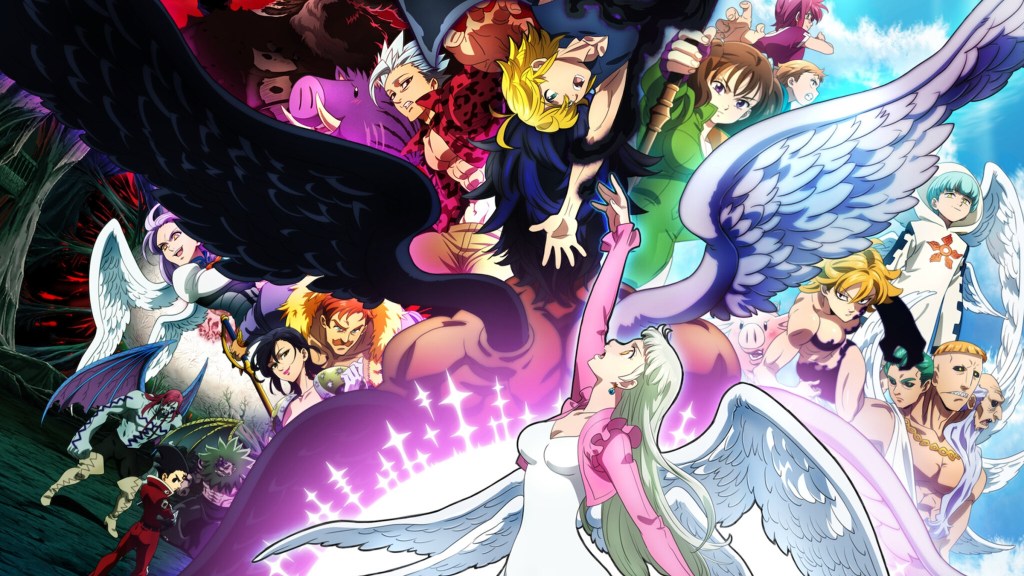
This fantasy adventure follows the legendary “Seven Deadly Sins,” a group of knights framed for treason in a magical medieval world. The biggest reason fans turned against The Seven Deadly Sins was its disastrous animation quality in later seasons. Season 1 and 2 were widely celebrated for their engaging storylines, strong character dynamics, and vibrant animation. However, when the production switched studios for Season 3 (Wrath of the Gods), the quality dropped catastrophically. Poorly drawn fight scenes, awkward frames, and a lack of polish in key moments — such as Meliodas’ fight with Escanor — became a meme-worthy disaster.
9. One Punch Man
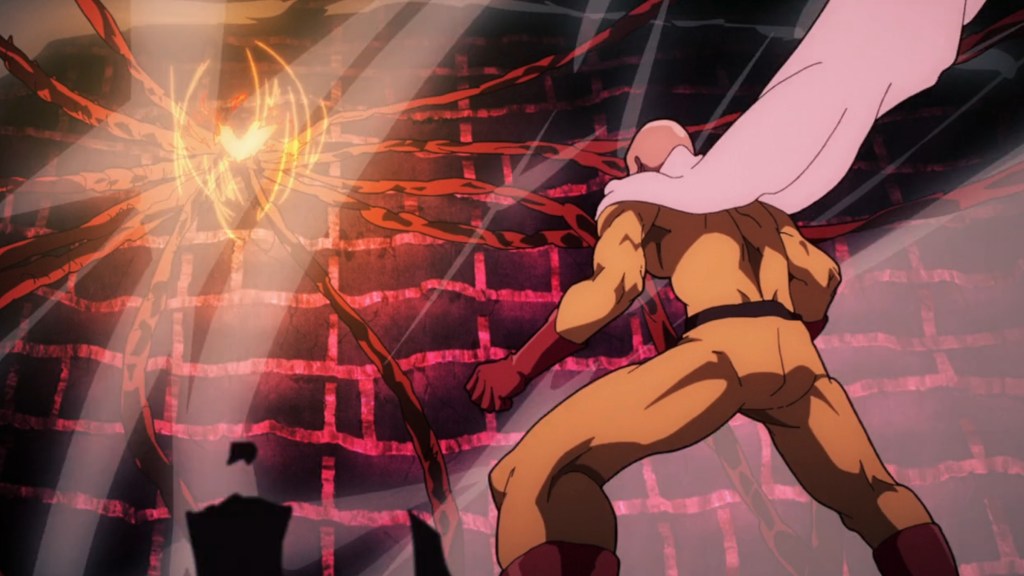
Season 1 of One Punch Man was a phenomenon — gorgeous animation (thanks to Madhouse), razor-sharp satire on superhero tropes, and a protagonist who was both absurd and profound. Saitama was existentially bored, and that made for brilliant meta-commentary. However, expectations became its enemy. Season 2’s studio switch to J.C. Staff, coupled with uneven pacing and lackluster direction, diluted the magic. The satire gave way to repetitive fight setups, and the sharp comedy turned into dull parody. People didn’t fall out of love with One Punch Man because it changed — they did because it became ordinary.
8. Bleach

For much of the 2000s, Bleach stood proudly beside Naruto and One Piece as a shōnen titan. Its early arcs, particularly the Soul Society storyline, perfectly balanced style, lore, and heart. Ichigo, Rukia, and the soul reapers were icons. However, success created pressure for constant escalation, and by the later arcs, pacing and filler episodes became critical flaws. Fans began to drift as the anime overstayed its welcome without meaningful evolution. The Fullbring arc bored even diehard viewers, and the endless filler episodes made Bleach feel bloated. Though the Thousand-Year Blood War return rekindled some love, the damage had been done — Bleach lost its mythic aura long before it ended.
7. Darling in the Franxx
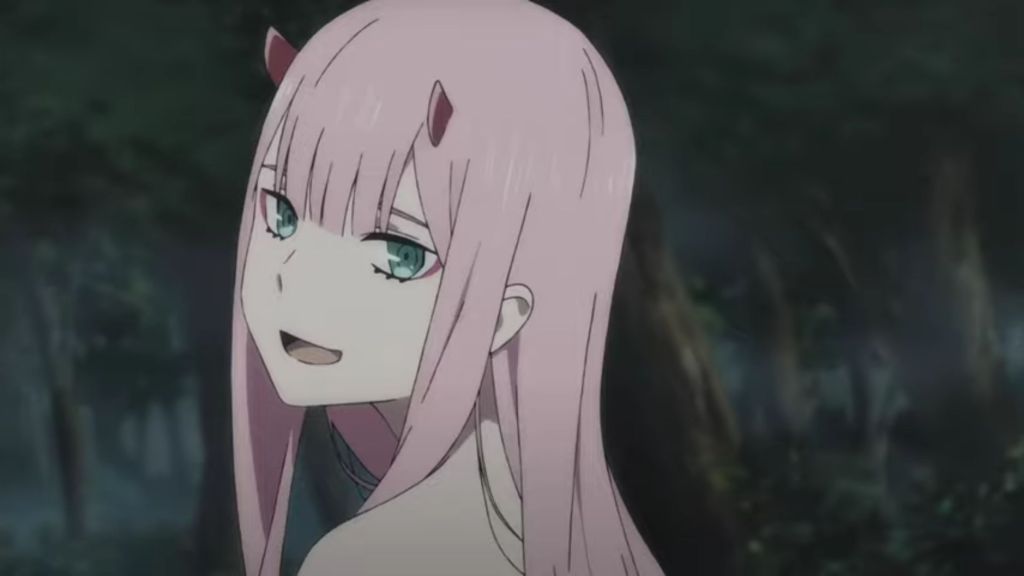
Darling in the Franxx started with immense potential, blending mecha action with emotional storytelling and a hint of romance. However, the anime quickly became infamous for its bizarre narrative choices and rushed conclusion. The first half introduced compelling characters and themes about individuality, love, and sacrifice. But as the series progressed, the plot devolved into a mess of convoluted twists, including a sudden alien invasion and a bizarre time skip in the final episodes. It’s now cited as the example of wasted potential in modern anime.
6. Death Note
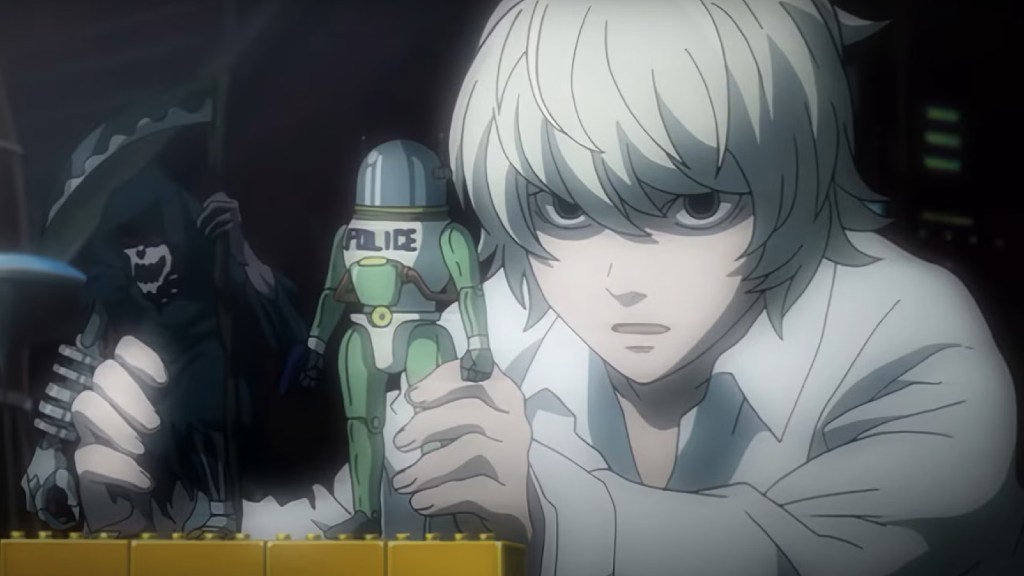
Death Note is often hailed as a masterpiece of psychological drama, but even this iconic series faced backlash for its second half. The first part, which focused on the battle of wits between Light Yagami and L, was near-perfect in its execution. However, after L’s death, the series lost much of its tension and intrigue. The introduction of Near and Mello as L’s successors divided fans; many felt they were underwhelming replacements who lacked the depth and charisma of L. The pacing also became uneven, and the finale left some viewers dissatisfied with Light’s abrupt downfall. Fans didn’t necessarily hate the ending on principle. They hated how it cheapened a once masterful game of intellect and pride.
5. The Promised Neverland

Season 1 of The Promised Neverland was a near masterpiece — an intricate escape thriller drenched in dread and intellect. It was gripping, beautifully directed, and emotionally haunting. Grace Field House was as much a stage for horror as it was for hope. The world beyond that wall promised terrifying and fascinating possibilities. Then Season 2 arrived and systematically erased all good will. Entire arcs from the manga got condensed or outright skipped. For a series that began with such promise, the second season’s failure was a massive disappointment that alienated its once-loyal fanbase.
4. Tokyo Ghoul
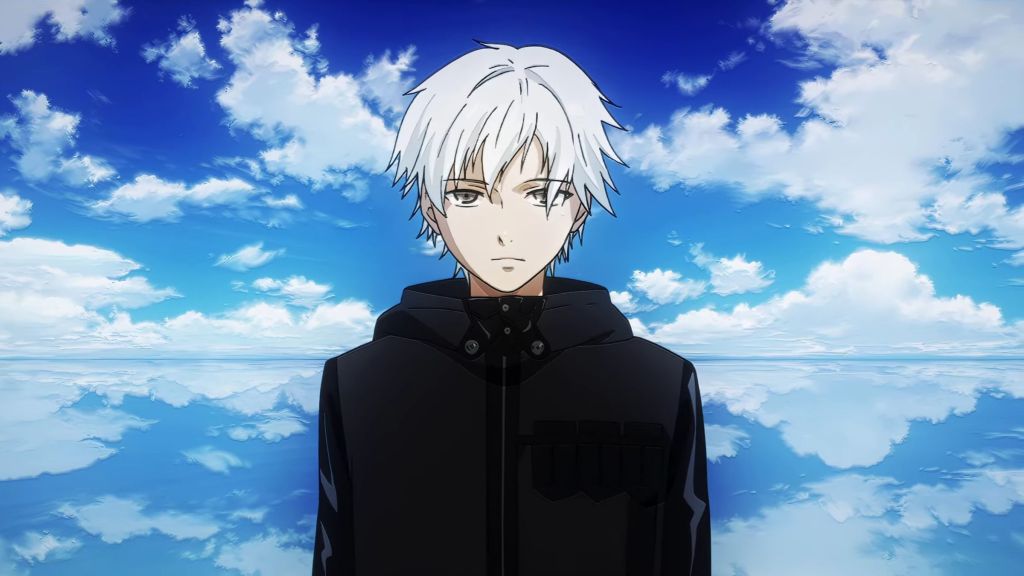
Tokyo Ghoul had all the ingredients for success: a dark and compelling story, morally complex characters, and stunning visuals. However, the anime adaptation suffered from poor pacing and drastic deviations from the manga. The first season was passable, but starting with Tokyo Ghoul √A, the anime began to diverge significantly from the source material, introducing new plot points that confused both manga readers and anime-only viewers. This alienated fans who wanted to see a faithful adaptation of Sui Ishida’s work. The final nail in the coffin was Tokyo Ghoul:re, which crammed an enormous amount of content into just 24 episodes.
3. Neon Genesis Evangelion

Evangelion was brilliant, devastating, and divisive from the start — so its “turning against” was more cyclical than sudden. The final two episodes, in particular, were divisive, as they abandoned traditional narrative structure in favor of introspective monologues and surreal imagery. Over time, reinterpretations and rebuilds only deepened the divide. Some hailed Hideaki Anno’s vision as auteur genius, others saw indulgent chaos masquerading as profundity. The “turning” here wasn’t about quality, but exhaustion — Evangelion became homework for fans rather than escape, and in doing so, lost half its once-fervent audience. Additionally, the protagonist, Shinji Ikari, is often criticized for being overly passive and whiny, making it difficult for some viewers to empathize with him.
2. Attack on Titan
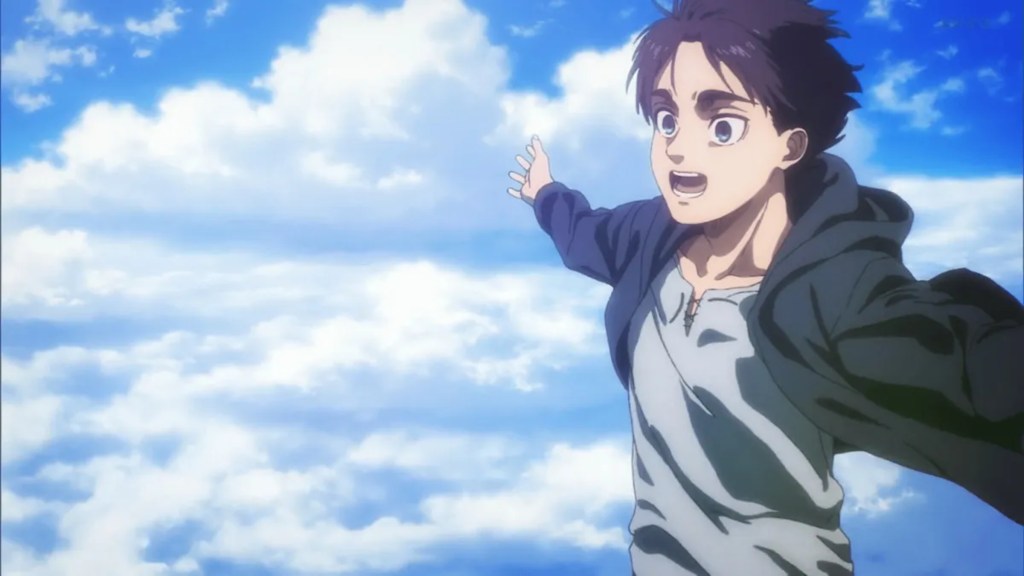
The first season of Attack on Titan redefined shōnen storytelling. The worldbuilding was top-tier, the mystery gripping, and its themes of freedom, war, and survival resonated globally. However, the ending fractured the fandom. Some saw it as a powerful commentary on cycles of hatred; others found it rushed, contradictory, or morally regressive. Combined with the constant marketing churn and delays between parts, fatigue set in. Attack on Titan aged from “modern masterpiece” to “controversy magnet.”
1. Sword Art Online (SAO)

Sword Art Online (SAO) became infamous for its treatment of female characters, many of whom were reduced to damsels in distress or love interests for Kirito. While the animation and fight scenes remained impressive, the repetitive storytelling and lack of meaningful character development led many fans to turn on SAO.
The first arc, Aincrad, was well-received for its immersive world-building and emotional stakes. However, later arcs, such as Alfheim Online, were heavily criticized for their overuse of tropes, poor pacing, and questionable content (e.g., the creepy subplot involving Asuna’s captivity). Kirito, the protagonist, was often derided as an overpowered and bland “Gary Stu,” making it hard for some viewers to stay invested.
What do you think? Leave a comment below and join the conversation now in the ComicBook Forum!
Most Viewed
-

Image courtesy of Paramount -
TMS Entertainment -
Image Courtesy of Disney -

Image Courtesy of Lionsgate