The One Piece manga is the “true form” of the story more often than not, and it comes down to a simple advantage: Eiichiro Oda controls the pacing and the punchline timing on the page. The anime can absolutely deliver peak moments, but it is also boxed in by weekly broadcast economics. When the adaptation needs to avoid catching up, it stretches scenes, repeats reactions, adds pauses, and turns crisp chapters into slow-burn episodes that are not always earned.
Videos by ComicBook.com
The manga lets jokes be sharp and quick. It lets horror be sudden. It lets grief be quiet. That control is why manga-first fans often say the story feels smarter and more intense in print. It is not that the anime “ruins” it. It is that the manga delivers the story with fewer compromises and more consistent authorship.
7. Marineford’s Emotional Pacing
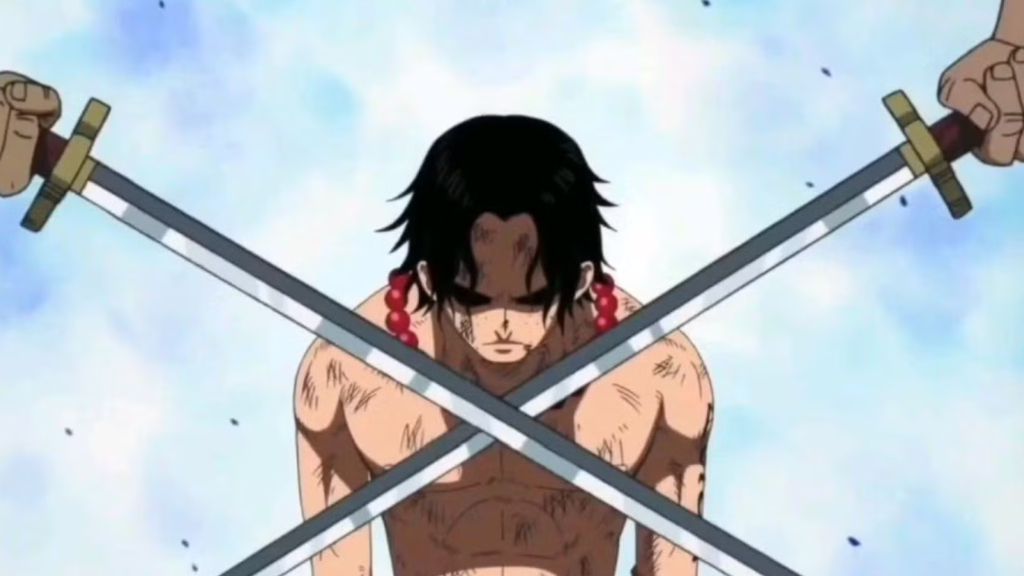
In the manga, the Marineford War unfolds with unrelenting urgency. Oda’s panel composition captures the chaos of battle in tight, brutal bursts. The anime, while visually explosive, often slows the pace with prolonged reaction shots and expanded crowd commentary. The tension deflates when the momentum gets diluted. The manga’s sharper timing makes the heartbreak more immediate and raw, delivering the emotional crescendo with far greater control.
6. The Enies Lobby Declaration
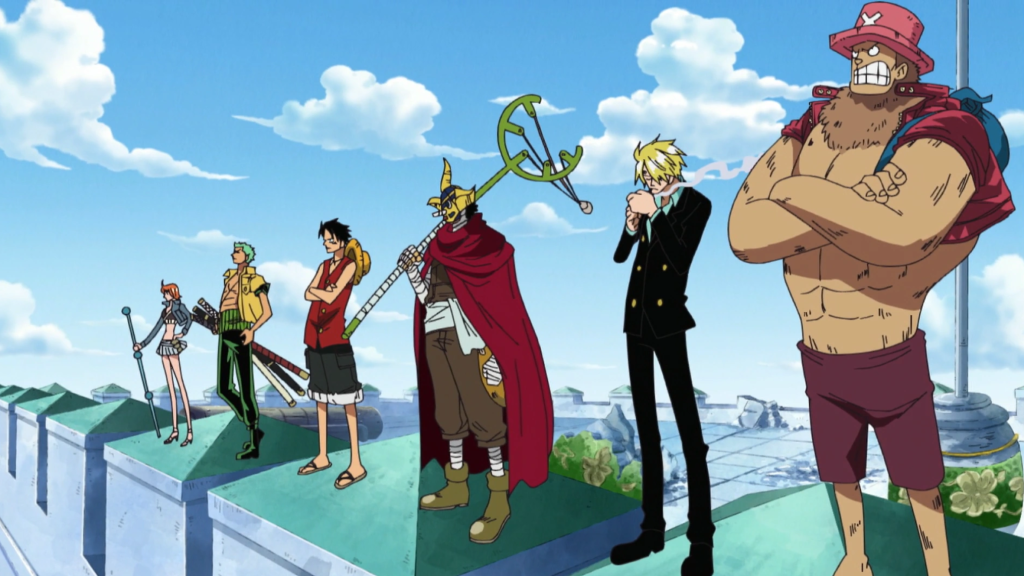
Luffy’s command to shoot down the World Government flag at Enies Lobby hits like a cannon blast in the manga. Oda frames the moment with clean panels that make the gesture cinematic and deeply personal. The anime’s version, while grand in music and scale, loses some punch through heavy pacing and repeated camera cuts. The sense of danger pauses too often. In print, the silence between panels makes that declaration thunder more loudly than a full musical score ever could.
5. The Death of Going Merry
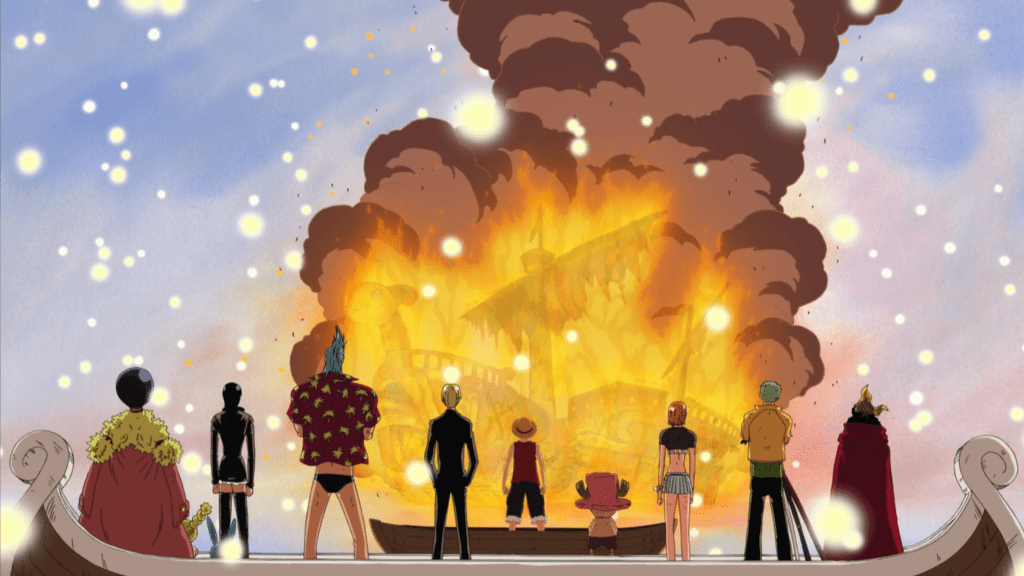
The manga’s farewell to the Going Merry remains one of the most gut-wrenching moments in shonen storytelling. Oda’s minimalist use of space and dialogue gives the scene a quiet dignity. In the anime, the extended scene loses that restraint. Music and voice acting bring emotional weight, but they also soften the stark intimacy that made the manga version powerful. The printed panels allow readers to linger where the anime insists on movement, making grief feel private instead of performed.
4. The Dressrosa Climax
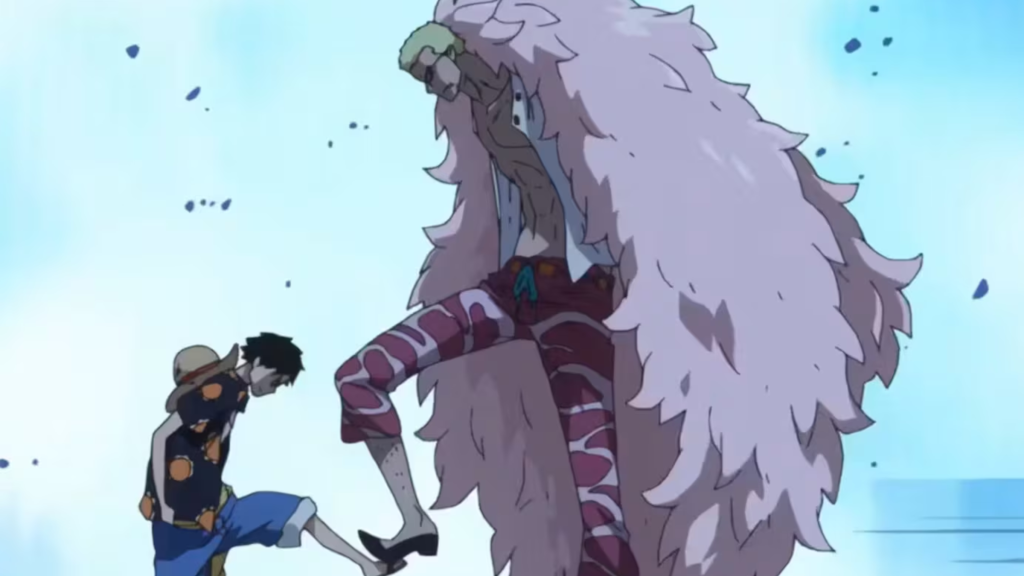
The manga’s Dressrosa finale manages tension and character payoff with precision. Luffy’s fight against Doflamingo builds seamlessly, and every supporting player’s effort connects in clean narrative rhythm. The destruction of the Birdcage in the panels feels physically terrifying. The anime adaptation dilutes this by stretching scenes and inserting pacing gaps. Doflamingo’s defeat lacks momentum because of inconsistent timing and episode padding. While the voice work remains strong, the manga’s tighter storytelling reminds readers why visual economy often trumps spectacle in high-stakes arcs.
3. The Reverie Chapter Sequence
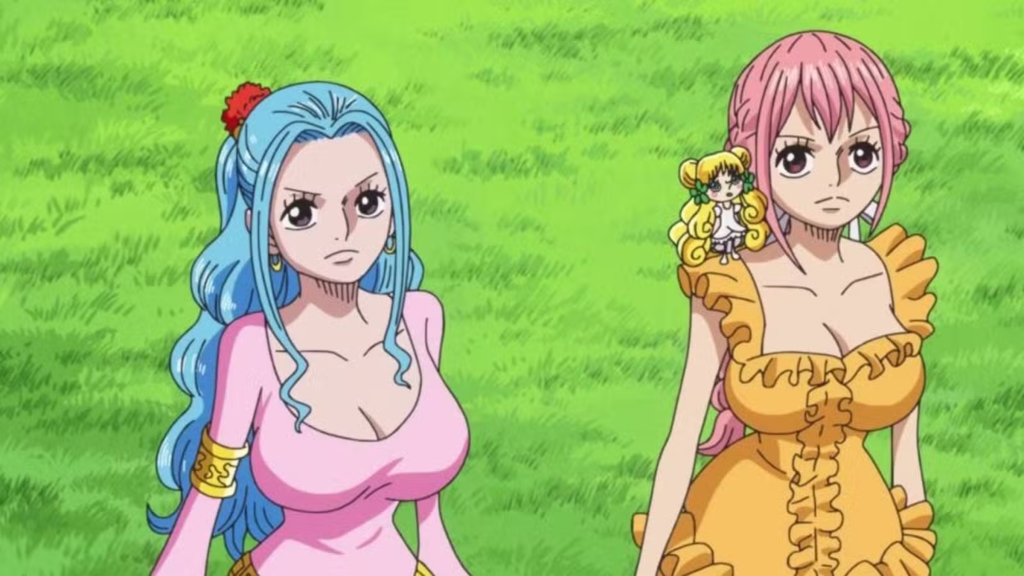
In the manga, the Reverie mini-arc reads like a political thriller. Oda’s choice to intercut world leaders and revolutionary figures in short, sharp sequences gives the global stakes a crisp rhythm. The anime tries to dramatize these same events but undercuts their subtlety through slower pacing and excessive recaps. The sense of mystery gives way to exposition. The manga’s understated pacing does more to build anticipation, turning brief scenes into monumental hints for what’s next.
2. The Wano Flashbacks
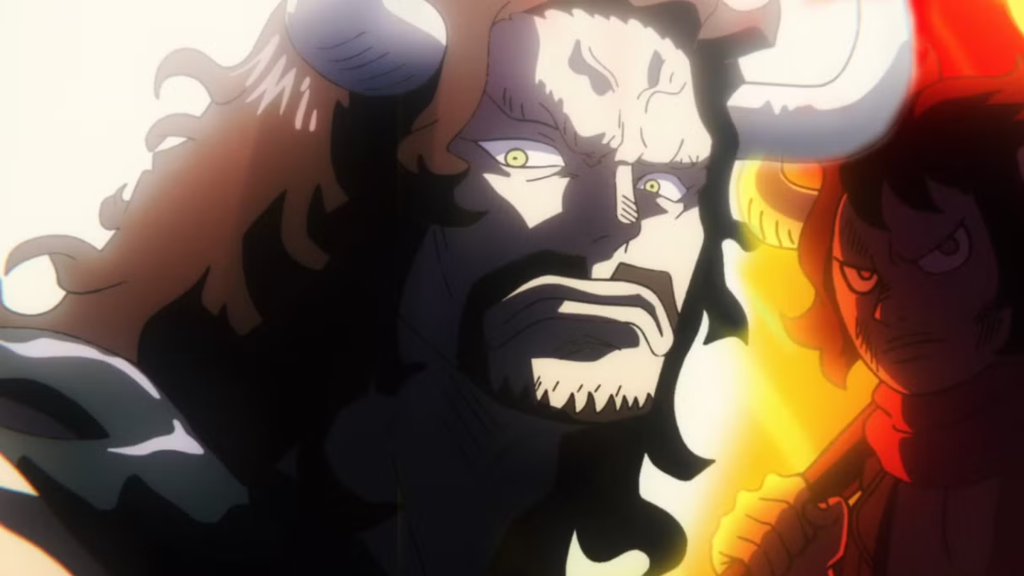
Oden’s flashback in the manga carries classical tragedy. Oda’s art balances grandeur with emotional precision. The framing of Toki’s prophecy and the fall of Wano hit harder in still form because the imagery demands focus on every expression and symbol.
The anime, while visually rich, overindulges in color and effects. The raw emotion of the story gets swallowed by presentation. The manga thrives on silence and stillness — two things that the anime rarely allows. As a result, Oden’s legend feels more mythic in ink than in motion.
1. The Gear 5 Reveal
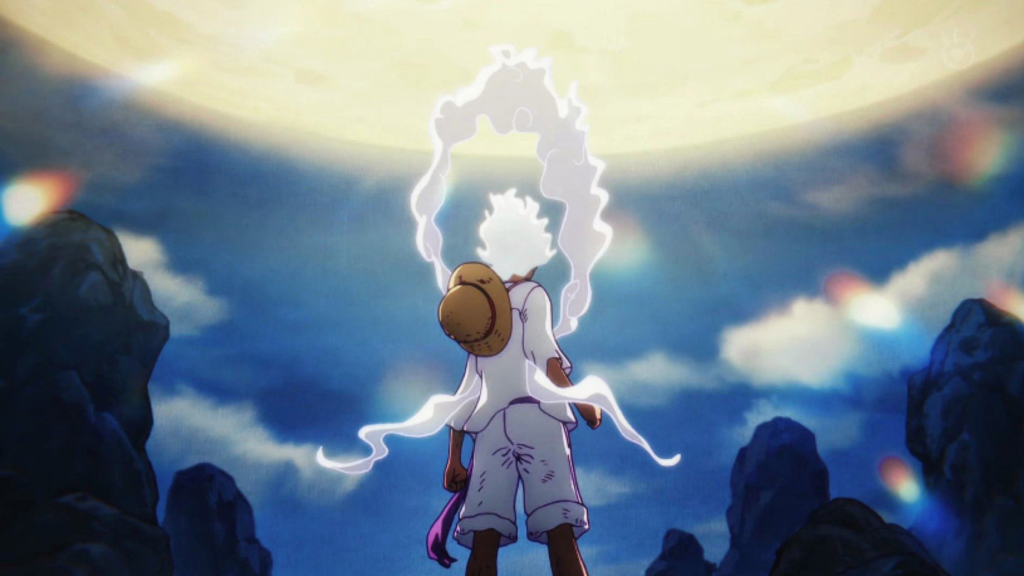
When Gear 5 appeared in the manga, it felt unshackled. Oda’s artwork exploded with cartoon logic, creative distortion, and fearless experimentation. The elasticity of the art becomes part of the storytelling. The anime had the opportunity to surpass this, yet it leaned heavily into visual overload. The colors and effects turn whimsy into spectacle. The manga’s presentation captures a deeper sense of freedom through imaginative control, making Gear 5 feel like pure storytelling liberation.
What do you think? Leave a comment below and join the conversation now in the ComicBook Forum!
Most Viewed
-
Lucasfilm Animation -

Courtesy of Sony Pictures Animation / McDonald's