Black Panther debuted in Fantastic Four #52 (1966), and this led to him getting solo stories in Tales of Suspense before joining the Avengers and then getting a running storyline in Jungle Action starting with issue #5 (1973). Just over three years later, Marvel Comics gave Black Panther his first solo series and brought on one of the greatest artists in comic book history as the creative force behind the title.
Videos by ComicBook.com
On October 19, 1976, Marvel Comics released Black Panther #1 with Jack Kirby as the writer and penciler. The story that started the new series was “King Solomon’s Frog,” and it opened in the middle of action with no real explanation as to what was going on. Black Panther was helping a man named Mister Little find the mysterious King Solomon’s Frog, which is a brass time machine that myths claim had watched over the Earth as long as the Watcher. The myths also claimed the frogs felt a world where Wakanda ruled would be a bad one. That is when Black Panther found someone else seeking the frogs, a villain named Princess Zanda.
Jack Kirby’s Bronze Age Classic Introduced a New Era for Black Panther
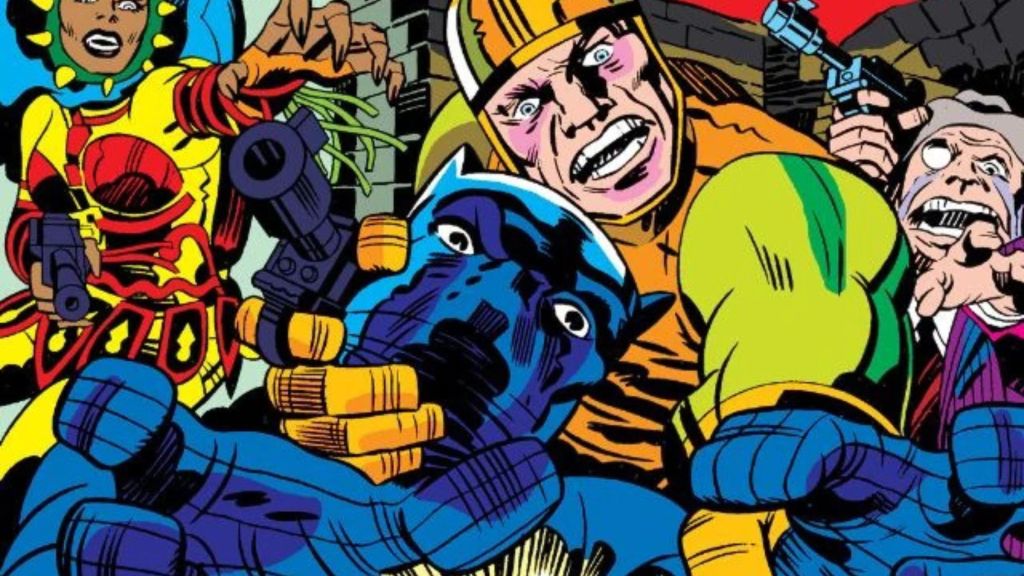
When Black Panther #1 started, Jack Kirby showed T’Challa on a treasure hunt with the mysterious Mister Little, who claimed that T’Challa’s grandfather, Azzuri, had once held control of the frogs. What was most interesting about this comic book is that Jack Kirby started to tell his own story here, and he didn’t seem to care about what Black Panther had done before this. In fact, Kirby completely ignored everything that was happening in Jungle Action, and the events from those storylines were not revisited until after Kirby ended his run on Black Panther and the character returned to Marvel Premiere #51.
Jack Kirby’s run on Black Panther Vol. 1 ran for 12 issues. After Kirby left the title, there were only three more issues before Marvel ended the title. Jim Shooter, Ed Hannigan, and Jerry Bingham created issue #13, while Hannigan and Bingham finished the last two to end the series. However, it was those first 12 issues that remain iconic, thanks to both Kirby’s brilliant artwork and his creatively bizarre storylines. Once that series ended, Panther returned in Marvel Premiere Vol. 1 #51 (1979), which continued his Jungle Action storyline, making Kirby’s run a piece of Marvel history.
The Black Panther series brought in one of the three era-defining Black superheroes for Marvel Comics at the time, as Black Panther, Luke Cage, and Falcon gave fans someone new to look up to. Jack Kirby himself co-created Black Panther, along with Stan Lee, in Fantastic Four #52 (1966). Falcon arrived in 1969 and Luke Cage in 1972. While Cage got his first solo series named after him, Panther had to start in Jungle Action before finally getting his own solo title with Jack Kirby.
What makes the entire Kirby run special is that it is a piece of Black Panther history that most people don’t know about. While Marvel mostly ignored it when moving on with Marvel Premiere, these are pure and fun Jack Kirby tales. While the last two issues tried to throw in the Avengers and Klaw, it was the first 12 that went for something different, and Kirby gave Panther some good sci-fi action that the hero would become known for many years later. In fact, Christopher Priest, one of the best Black Panther writers in history, is one person who did reference this run, and that should tell any true fan all they need to know.
Black Panther #1 Is a Piece of History for Any Collection
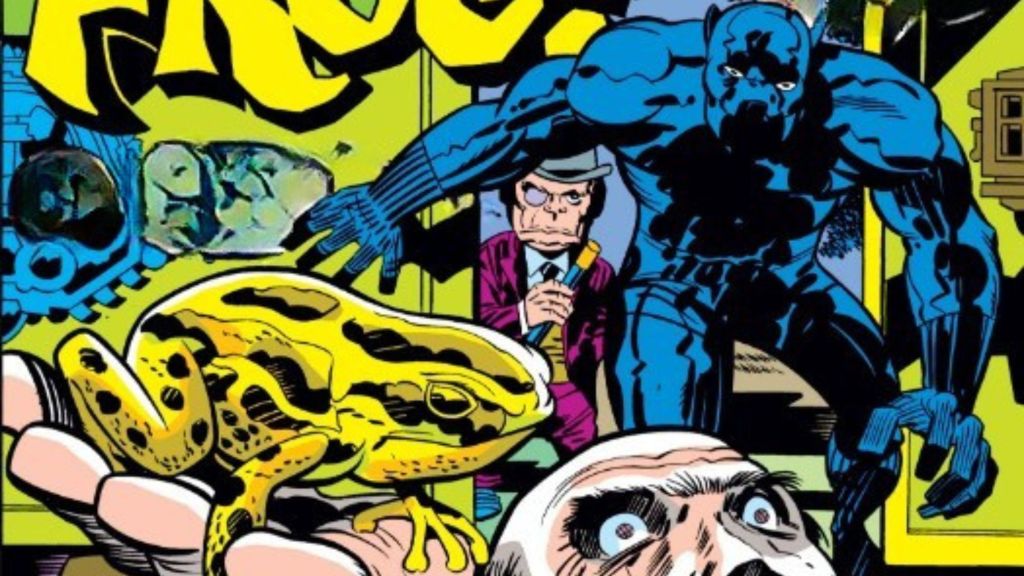
Black Panther has become one of the most iconic heroes in Marvel Comics, and this Jack Kirby issue started a series that is a must-have for any fan of T’Challa. The issue kicks off a fun 12-issue action-adventure storyline that doesn’t pay as much attention to Wakanda, but instead shows how great a hero Black Panther really is. With a mix of Jack Kirby art and storytelling, and a mostly forgotten tale, Black Panther #1 is a quality addition to anyone’s collection.
What do you think? Leave a comment below and join the conversation now in the ComicBook Forum!
More Collectibles
-

Courtesy of 20th Century Studios -

Courtesy of The Walt Disney Company -

Courtesy of The Walt Disney Company