The Flash is one of the most important characters in the history of the comic industry. To begin with, the mantle is the first of DC’s legacy mantles – those superheroic identities that have been handed down over the years – with Jay Garrick running into readers lives in Flash Comics #1. This itself was a milestone, as the Flash was one of the first heroes to debut in their own book and not one of the anthology comics. Down the road, in 1956, the Flash would become the first DC hero to have someone new step into the mantle, with Barry Allen becoming the Flash in Showcase #4 before running into his own series. However, the most important legacy of the Flash came in 1961’s The Flash #123, a comic from Gardner Fox and Carmine Infantino.
Videos by ComicBook.com
This comic has become a legend, and for good reason. To begin with, it was the return of Jay Garrick, the first Flash. This is a major milestone in comic history, as it was the first crossover between a Golden Age and Silver Age character. This would have been enough to make it one of the most important comics ever, but it also serves as the official introduction of the concept of the multiverse, revealing that the adventures of the Justice Society and their compatriots had all taken place on Earth-Two. This story planted the seeds for some of DC’s greatest successes, bringing readers a concept that has become integral to superhero media in 2026.
Comics Would Not Look the Same Without The Flash #123
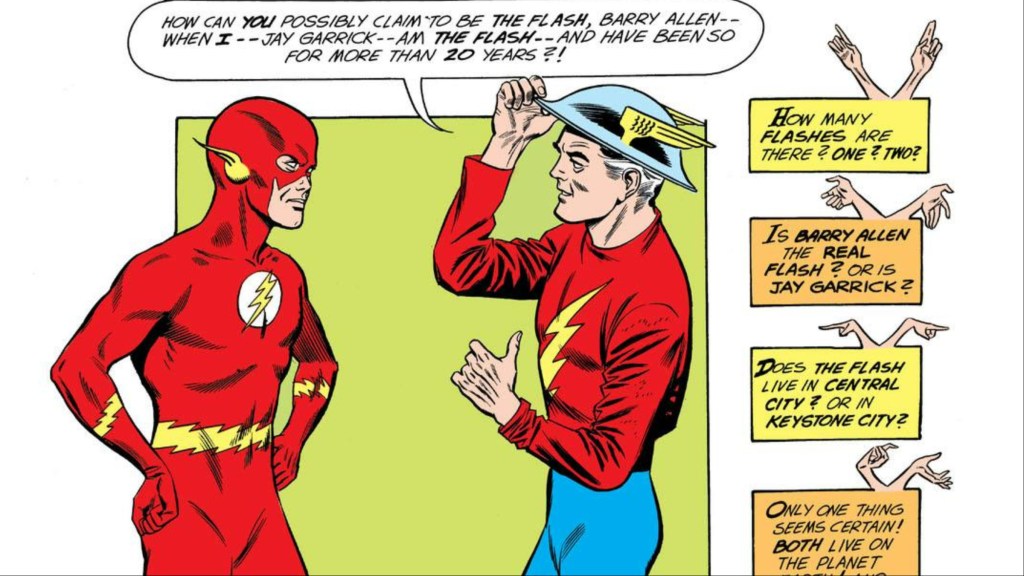
The history of DC Comics is filled with amazing moments, ones that have echoed down through the decades. The Golden Age of the company was full of famous firsts, setting the basis for what the superhero comic would be. Creators combined elements of sci-fi, fantasy, and adventures stories to give readers a new kind of hero and it proved to be a fruitful concept. By the Silver Age, things had codified to an extent, with sci-fi taking the reins of superhero comics in a way it hadn’t before. Things had entered a nice little equilibrium and then The Flash #123 came along and ran things into the future.
The introduction of the multiverse to DC Comics has always struck me, someone who entered superhero comics as a Marvel fan, as counterintuitive. Why create an all-new Earth to have your Golden Age adventures on instead of just saying that they all existed on the same Earth? And the answer to that, revealed to me over years of reading the pre-Crisis on Infinite Earths DC Multiverse, is simple: the rule of cool. It was cool to have a multiverse and that was enough in 1961. It’s honestly enough in 2026, as well. The first meeting of Barry Allen and Jay Garrick was always going to be legendary, but the introduction of the multiverse made it into something that even legendary can’t describe well.
It’s impossible to picture DC Comics without its multiverse. Sure, we had 20 years of the singular DC Universe, but nearly every decision made for it was inspired in some way by the old multiverse. There are some fans out there who will say they prefer the concept of the multiverse the way it was before it all got smushed together in 1986 and there’s honestly something to that. Earth-Two, and the various Earths that came along after it, was an interesting way of giving readers something new out of something old. There could have just been normal crossovers, but the multiverse changed that into something more interesting.
The Flash #123 led directly to Justice League of America (Vol. 1) #21, which saw the rest of the Justice Society come over and meet the Justice League. This in turn led to the debut of Earth-Three, the world where the heroes are all villains, in Justice League of America (Vol. 1) #29. Soon, every year readers would get a JLA/JSA crossover and new Earths, many peopled by characters that DC had bought over the years, would pop up all over the place. The complexity of the multiverse by the ’80s led to its end, but the 21st century would see it return to DC Comics, becoming a beloved part of the publisher’s output. Of course, most people who know about the multiverse know about it because of the Marvel Cinematic Universe but without this classic book, there’s a good chance we wouldn’t even have that.
The Flash #123 Changed the Course of Pop Culture
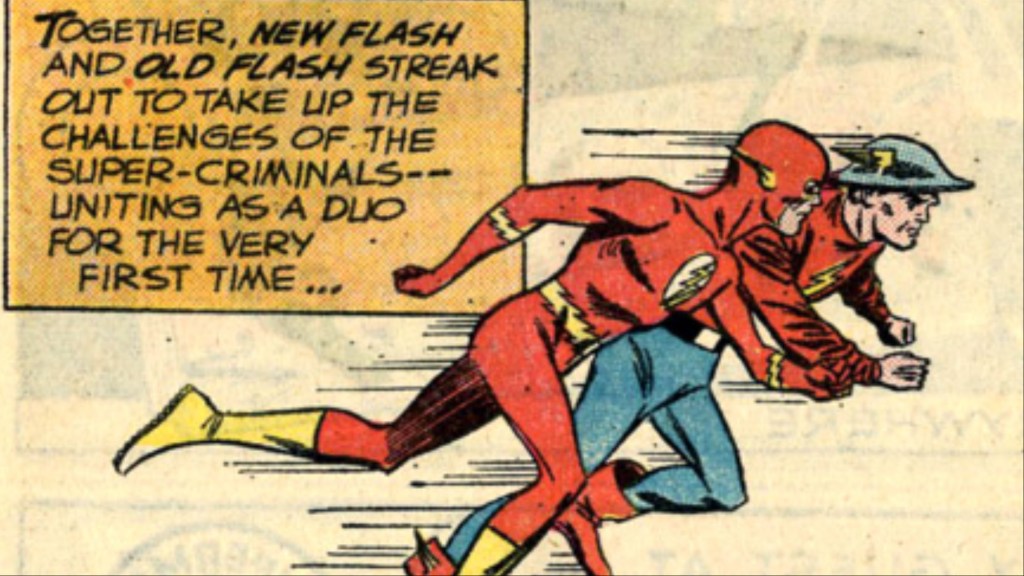
When it comes to classic DC comics, there are loads of books that most creators would give anything for. Many of the famous firsts of the comic industry came from the original superhero publisher, but there are few that are as important to the history of the comic industry as The Flash #123. This story brought back one of the greatest heroes of the Golden Age, the first time such a thing had happened in mainstream comics. If all it did was start a legacy of crossovers, it would still be important and valuable. However, add in the fact that it started the multiverse and you have a comic that changed pop culture forever.
Nowadays, superheroes are a much bigger part of pop culture than ever before. Basically every genre has been taking its cues from the superhero. Movies made them popular, but the movies wouldn’t exist without the comics. Books like The Flash #123 have become more important than ever, as they have laid the seeds for stories that fans never would have guessed at when they picked this book up at the soda fountain (channeling the stories my boomer dad told about buying comics in the ’50s).
What do you think? Leave a comment below and join the conversation now in the ComicBook Forum!
More Collectibles
-

Courtesy of 20th Century Studios -

Courtesy of The Walt Disney Company -

Courtesy of The Walt Disney Company