The X-Men have long been one of Marvel Comics’ crown jewels, but it feels like things have shifted lately. Marvel parent company Disney purchased 20th Century Fox in 2019, leading to Marvel Studios finally regaining the film rights to their merry mutants. Since then, we’ve gotten a gradual ramp up as the studio came closer and closer to bringing them into the Marvel Cinematic Universe. Well, that’s finally begun to happen and the company is pushing the team, both in the greater pop culture, with movies, TV shows, video games, and the like, and in the comic industry, the team’s longtime home.
Videos by ComicBook.com
Comics are a business of nostalgia; while us comic fans crow a lot about “new ideas”, we know that underneath it all, we just want the same things we’ve always got. The X-Men aren’t your standard superhero team, so their comics have often gone in very interesting directions. Nowadays, the mini-reboot is all the rage, with Marvel rebooting a character or team every few years, taking them in new directions. Over the years, X-fans have gotten to see some wild status quos, from the standard “mutant team operating out of the X-Mansion” to the gamechanging, team-redefining Krakoa Era. Various creators have tried their hands at redefining the X-Men, to various degrees of success, but there are other creators who haven’t really worked with them much. However, even these creators have great ideas for the X-Men, as proven by Alex Ross in his fantastic Earth X trilogy.
Alex Ross Was Never a Huge X-Men Fan but the Earth X Trilogy Showed He Could Write Them
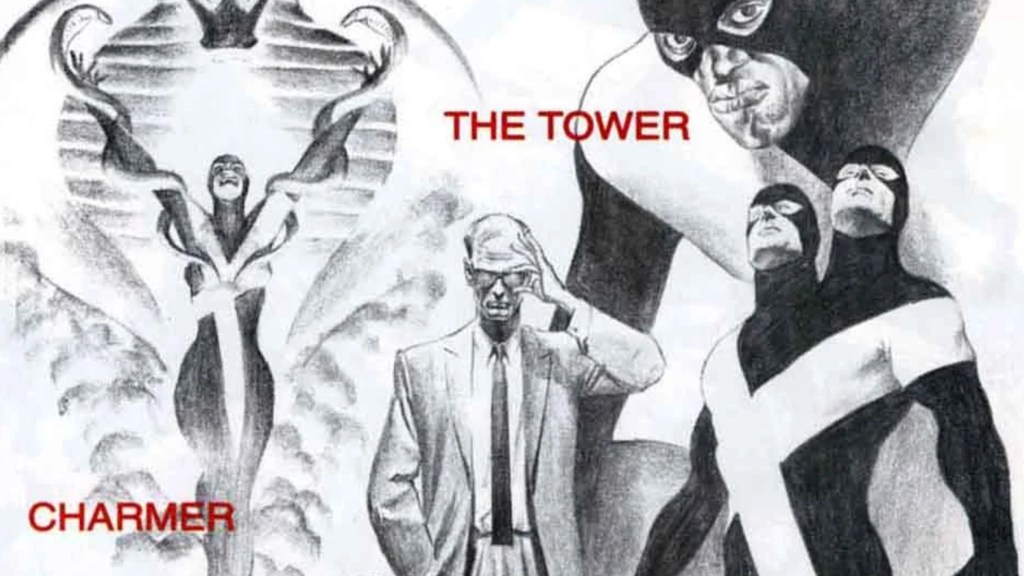
Alex Ross came to prominence because of Marvels, a story that took readers back to the Golden and Silver Age roots of the Marvel Universe. His art style was heavily inspired by Norman Rockwell and he got a reputation as a fan of old school comics and ideas. To a kid of the ’90s, like me, he wore his love of ’60s and ’70s pop culture on his sleeve. He became known as a fan of classic Marvel and DC, to the extent that it was often said that he wouldn’t draw DC characters created after Firestorm and would never draw modern Marvel characters like Cable or Deadpool (he’d eventually do so; you have to look up his first X-Force painting).
Ross was a fan of Silver and Bronze Age Marvel, but he was seemingly never all that into the X-Men. He didn’t dislike the X-Men – he once did a really good pitch for the team for an article for Wizard Magazine – but they weren’t his favorites. He liked the Fantastic Four and the Avengers more. Earth X would put this into focus; the 1999 story’s main characters were Reed Richards, the Thing, and Captain America. Cyclops appeared and began a new version of the X-Men, training a new generation of mutants, but he barely played into the series’ main plot.
More mutants would appear in the sequel Universe X, with Captain Britain portrayed as a world leader, Cable being made into one of the most important people on Earth, Archangel living up to his name, and Iceman using his powers to become wealthy, with Nightcrawler being revealed to have become a classic X-Men villain by the end. Paradise X would see Ross bring in Wolverine as a main character (after making a balding, overweight version of the hero in Earth X that seemed to underline his disdain for the character), leading to him giving his own version of the Canadian mutant’s origin.
Ross can often seem like a grumpy old fan, sort of like Alan Moore in an entirely different way. The whole “not drawing any character created after Firestorm” became something of an urban myth in the comic fandom, so whenever Ross does something that doesn’t fit that, it comes as a shock to fans. One of the coolest things about Earth X was getting to see how Ross would take his decidedly classic tastes to bring the Marvel Universe into the future; the artist worked with writer Jim Krueger and the two of them were able to create a narrative that took the entire history of the Marvel Universe and unified it in some surprising ways. His treatment of the X-Men over the story has always been one of the most intriguing parts of the whole trilogy.
To begin with, he was able to take characters in some great directions. Making Angel into a hero out to protect the weak flew in defiance to the work of Apocalypse, Warren taking his life back on his terms. Cyclops becoming the new Professor X, except an altogether better version, fits him perfectly. Iceman as fat, happy rich guy worked, with him finally finding the adulation he wanted. Making Belasco into a timelost version of Nightcrawler brainwashed by Mephisto was an interesting change to Kurt’s dynamic, as he was forced to become the kind of demon he fought against.
Cable learns to use his techno-organic virus to transcend his body, mixing biology and technology. Captain Britain becomes one of the most important heroes on the planet, his choices helping save the entire universe. Ross’s Wolverine was one of the best parts of the story; watching him slowly realize what made Wolvie tick and how to use him is a lot of fun. In some ways, Ross’s treatment of the mutants in his story shows the growth of the role of mutants in the history in the Marvel Universe.
Earth X starts off very much grounded in the Avengers/Fantastic Four 1960s corner of Marvel, with the X-Men acting as a teen heroes under the command of Cyclops. Universe X branches into the ’70s, with Defenders Nighthawk and Gargoyle becoming more important to the story. Meanwhile, much like in actual ’70s Marvel, mutants slowly start to play a bigger role in the story. Paradise X sees the mutants play a massive role in the overall narrative; Cyclops and Wolverine are both main characters, Jean Grey plays a huge role in the narrative, and various mutant characters push the plot forward. Ross used the trilogy to tell the ultimate Marvel story and gave readers some of the best mutant ideas ever.
Ross’s X-Men Ideas Are Some of the Most Unique Ever
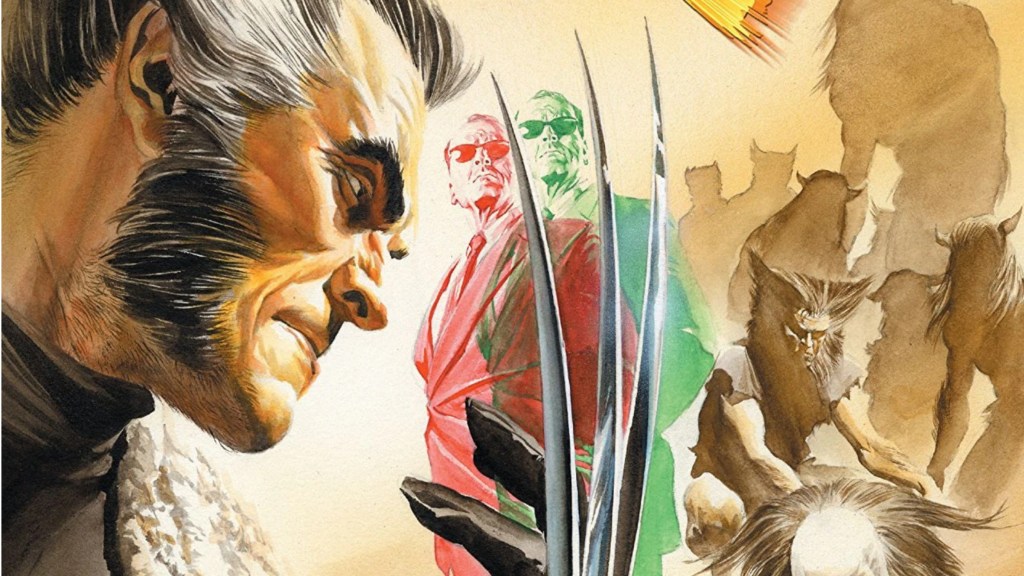
Over the years, I’ve read a lot of Alex Ross interviews. Like anyone else, he’s most inspired by the pop culture he grew up with. He loved those old ’60s and ’70s comics and there was this idea that he didn’t really like the same stuff as younger readers. I remember how surprised I was when I read his X-Men pitch in Wizard; after all, this was the guy who didn’t like to draw anyone who came along after Firestorm. It’s one of those urban legends that has spread across the fandom.
Ross likes more classic ideas in his stories, but what’s really interesting is that his X-Men ideas aren’t the same as everyone else. Most people who like “classic” X-Men comics usually just copy Chris Claremont. However, Ross’s ideas didn’t do this. They also didn’t copy any of the creators who came after Claremont. His X-Men ideas were unique; they felt classic and took advantage of the old stories, but they were something all their own. Ross is honestly pretty great with the X-Men and it would be awesome to see him get another chance with the group.
What do you think of Alex Ross’s X-Men ideas? Do you want him to put out more X-stories? Sound off in the comment section below.
More Comics
-
Image Courtesy of DC Comics -
Image Courtesy of Marvel Comics -
Image Courtesy of Marvel Comics -
Image Courtesy of Marvel Comics -
Image Courtesy of Dymanite Entertainment -

Image Courtesy of DC Comics