The action RPG Dark Souls series had a legendary beginning, but shifted in several directions after its original game redefined difficulty, storytelling, and level design in ways other titles would take inspiration from to this day. As the 10th Anniversary of the series’ conclusion takes place, it’s good to remember exactly how the final Dark Souls game would define FromSoftware’s direction on future games, including the massively successful Elden Ring. In many ways, mechanics and systems within Dark Souls‘ conclusion set the stage for everything that players know now.
Videos by ComicBook.com
Although there are talks about FromSoft possibly remaking the first Dark Souls, that series has long held up with multiple remasters. Even without visual refinements or quality-of-life updates, each Dark Souls game has its merits, with titles like Bloodborne or Sekiro: Shadows Die Twice changing the franchise’s formula even as spin-offs. As for the main three Dark Souls titles, many fans point to the end of the trilogy as their favorite.
Dark Souls 3’s 2016 Release Changed How FromSoftware Approached Their Action RPG Titles
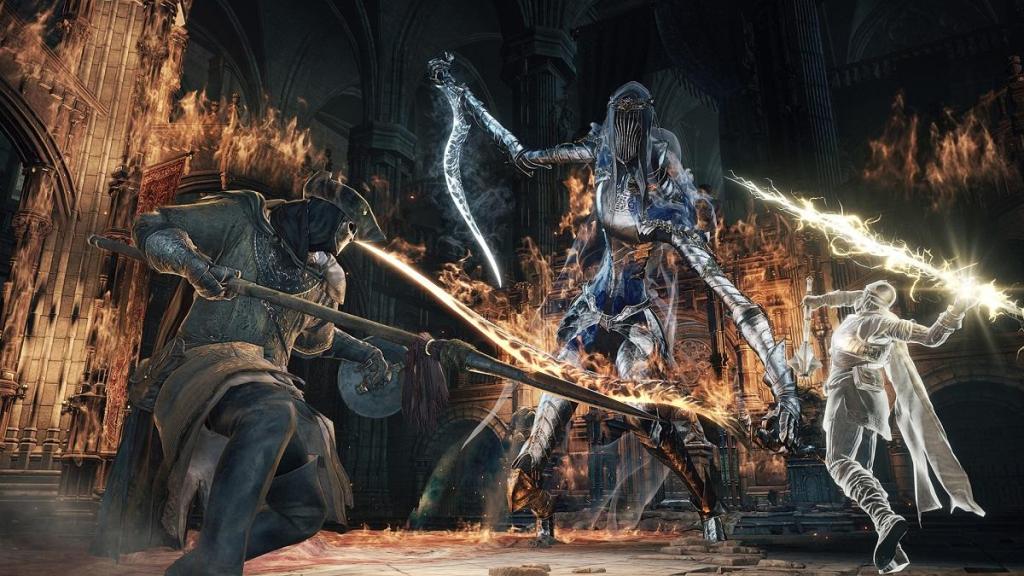
Dark Souls 3 was a return-to-form for the series in a variety of ways, following Bloodborne, which was perhaps the greatest departure FromSoft ever made from the franchise. While Bloodborne had a Victorian aesthetic with Lovecraftian monsters and firearms, Dark Souls 3 returned to dark fantasy with a vengeance, emulating the original Dark Souls more than any other follow-up to the iconic action RPG. Even featuring locations from the first game, Dark Souls 3 was a true sequel through and through.
That being said, Dark Souls 3 included tons of innovations and expansions from the rigid gameplay of the prior titles FromSoft had created. For example, Dark Souls 3‘s combat was faster, more fluid, and easier for new players to approach while maintaining the difficult elements that gave the series its identity. This could be felt by veterans of the series in every step of gameplay, taking lessons from Dark Souls 2‘s mistakes and what made Bloodborne beloved to craft a new blueprint going forward.
Being able to move while drinking consumables, healing, or casting spells added more flexibility to battle. At the same time, players had greater invulnerability when dodge rolling, giving them wider room to adapt to difficult enemies and bosses. A greater variety of weapons also led to a much deeper pool of build options, giving players more creative freedom than ever to customize what play style they used in Dark Souls 3. Although the game was far more linear than its predecessors when it came to level design, the staggering combat changes would become a staple of later FromSoft projects.
Elden Ring & Other Souls-like Games Took Inspiration From Dark Souls 3 The Most
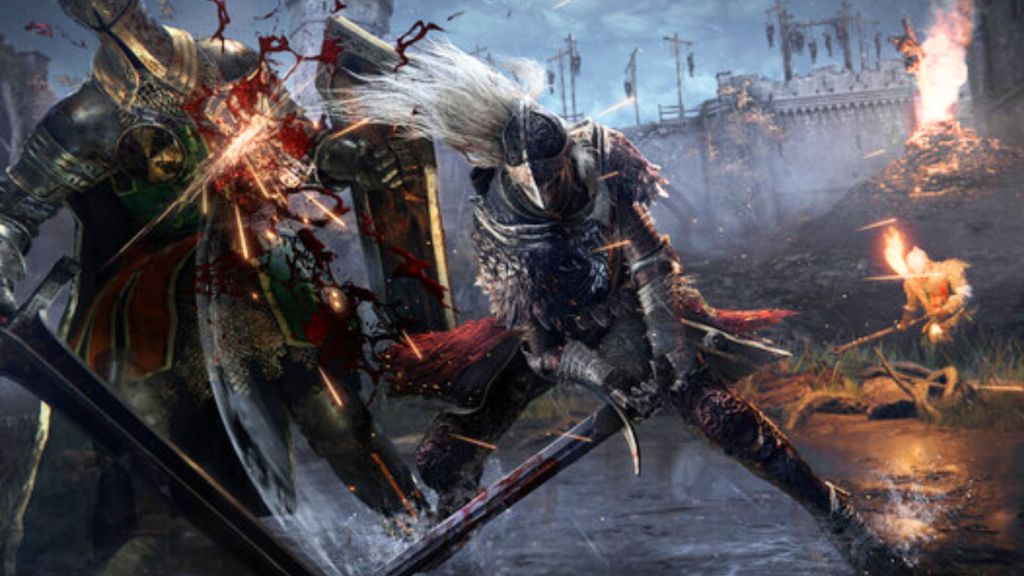
Elden Ring, Elden Ring: Nightreign, and Sekiro: Shadows Die Twice owe a lot to Dark Souls 3‘s combat changes, as these games adopted the fast-paced and forgiving elements of the 2016 title. Compared to the first Dark Souls, Dark Souls 3 gives players far more options to strengthen, even if it uses the same stat-based build systems from the series’ start. While the RPG elements remained consistent across all of FromSoft’s games, Dark Souls 3 set the standard for its “modern” combat sensibilities.
Beyond just the mechanics players saw for themselves directly, this applied to enemy design and interactions that would define Elden Ring upon its release. For example, the ability to break enemy stances for a staggering critical attack was something that was made far more common in Dark Souls 3. Easier application of conditions like Frostbite was also a system from Dark Souls 3 that directly translated into Elden Ring, forming one of the latter game’s more popular build concepts through Bleed.
The accessibility of Elden Ring also reflected Dark Souls 3 more than anything else. Upgrading healing abilities was more streamlined, and the existence of Sites of Grace frequently emulated how bonfire checkpoints were far more abundant in Dark Souls 3. The conclusion of Dark Souls cut out a lot of the tedium of past games from the franchise, such as limited healing items or long run backs to bosses. The positive reception to those changes would cause them to be must-haves that FromSoft adopted in nearly every other game they’ve made since.
Previous FromSoft Projects Set Up The Refined Foundation Of Dark Souls 3’s Blueprint
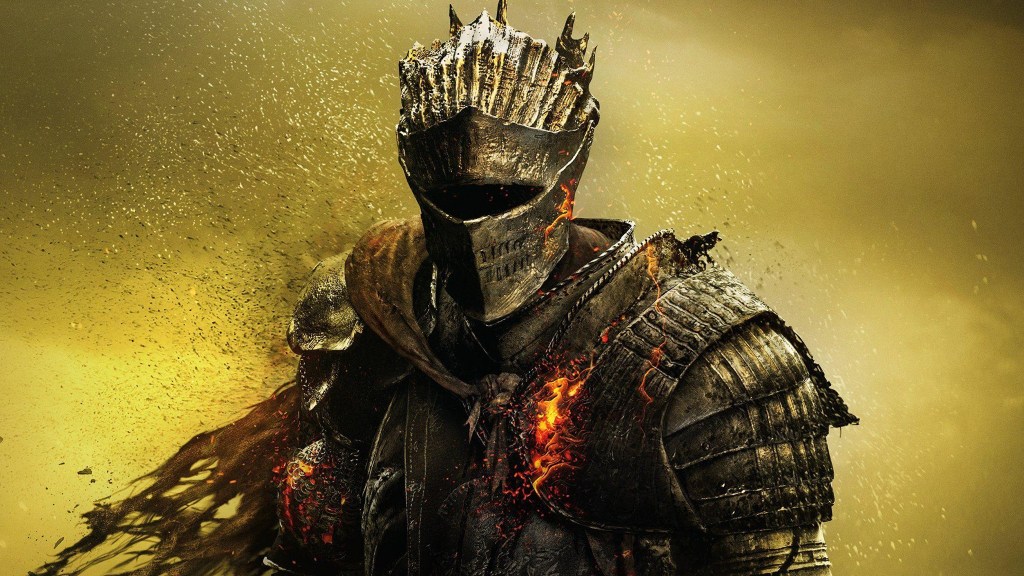
The levels of accessibility in Dark Souls 3 came after mistakes and setbacks from previous games, even ones with huge followings like Bloodborne. Collecting Blood Vials and running back ridiculous distances to some bosses in Bloodborne is still annoying to return to, despite the game’s amazing atmosphere. Yet, without Bloodborne‘s more direct approach to storytelling, Dark Souls 3‘s linearity and definitive DLC endings wouldn’t feel as impactful either.
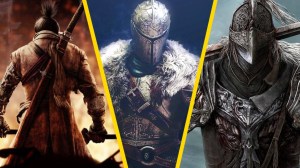
The sometimes frustrating combat of Dark Souls 2 also helped its sequel progress into something fans could appreciate more. Removal of Adaptability, the character stat that influenced how invulnerable your dodges were, and other systems helped Dark Souls 3 cut out the “bloated” features that held back that controversial title. Simply put, there was more routes to success in Dark Souls 3, from easier core combat systems, a linear adventure path, to an open-ended build structure that supported a huge variety of play styles.
Even after 10 years, Dark Souls 3 is still considered by many fans to be the pinnacle of the series, and a perfect conclusion that pays plenty of homage to the original action RPG. Without this refined conclusion to the Dark Souls series, larger expansions in Elden Ring‘s open world would be impossible, as its foundation would likely be far more flawed without a great foundation to build from.
How do you think Dark Souls 3 has influenced FromSoftware’s latest games even 10 years later? Leave a comment below or join the conversation in the ComicBook Forum!
Most Viewed
-

Image Courtesy of Netflix -

Image courtesy of Marvel Studios -

Courtesy of SuperGiant Games -

Courtesy of Eight-Bit -

Courtesy of Crunchyroll