Many Dungeons & Dragons players start their journey as a player character. After all, running the game as a Dungeon Master (DM) requires a pretty in-depth knowledge of the rules. There are a lot of moving pieces in D&D, but that’s especially true for the one who’s running the adventure. For many players curious about taking a spin in the DM chair, a shorter one-shot adventure is an ideal testing ground. These adventures are designed to last only a handful of sessions. That means fewer details and long-term implications to keep track of, while still giving you a sense of whether you’ll enjoy the view from behind the DM screen.
Videos by ComicBook.com
I’ve been playing Dungeons & Dragons (and Pathfinder) for a long time. But though I’ve helped DM one or two quick sessions within longer campaigns, I’ve never been the one fully calling the shots. I’m just the overly invested player who spends way too much time reading the rules. That changed when I read Dragon Delves last year. I fell head over heels in love with one of its many one-shot adventures, and I knew my time had come. The player would step behind the DM screen. I thought I knew what it would be like to DM, having run a few sessions before. But running a one-shot is its own unique situation. If you, too, are thinking about trying your hand at being a Dungeons & Dragons DM for the first time, here are a few things I learned from running my first one-shot.
5) For In-Person Sessions, Go Analog If You Can
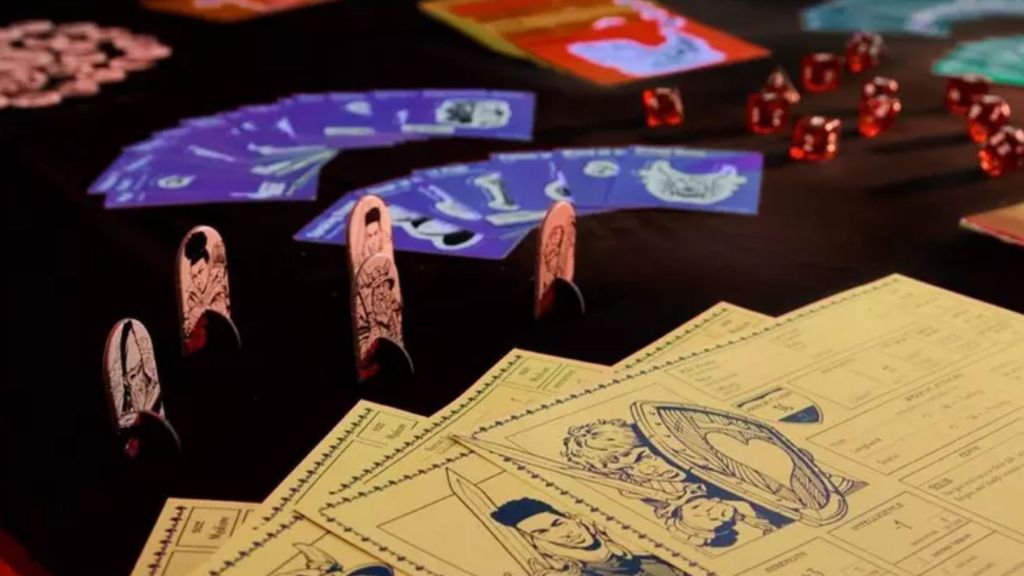
As the player with the fastest typing speed (occupational hazard), I have been the default note-taker for my party for years. And that means playing D&D from behind my laptop screen. When it came time to DM my first session, I really wanted to feel more present at the table. Yes, I’d need reference materials, but that’s what the books are for. I felt like not having a screen full of distractions in front of me would help me truly stay focused on the adventure. And as the DM, you can’t exactly get distracted and check your email mid-session.
Not everyone uses analog materials for reference. If you’re playing online or using something liek D&D Beyond, this advice won’t apply. But personally, opting to use physical books and a notebook for notekeeping really helped me keep my focus on the adventure my players and I were crafting together. I recommend doing this, especially if you’re a first-time DM. It’s a one-shot, so you don’t need quite so many reference materials or notes as you would for a longer campaign. That makes it a great time to return ot the roots of what makes TTRPGs like Dungeons & Dragons so great – crafting a story with your friends.
4) Start With A Pre-Written One-Shot That Resonates With You
If you love a good story, it can be tempting to homebrew your D&D adventures. But if it’s your first time running an adventure, or even just your first time doing a one-shot, I think it’s best to use a pre-written adventure. This takes a lot of the pressure off and can help keep things balanced to fall within the time constraints. You can always sneak in a few creative tweaks if you really need to spread your wings, but having a pre-crafted story with encounters and characters will really help take the pressure off.
I also suggest finding a story that you’re excited to run. I have social anxiety, which is part of why the idea of being the central focus at D&D has always been a little scary to me. But I was so charmed by the premise of Baker’s Doesn’t that my excitement well outweighed my nerves. Was I still afraid I’d freeze up when called to improvise? Yes. But not nearly as much as I might’ve been if I hadn’t found a story I was really excited to tell.
3) Prep the Basics, But Don’t Be Afraid to Improvise

Prep is one of the more challenging parts of DMing, in my opinion. While you can get a sense of who your players are and what they are likely to do, they are almost certainly going to surprise you. Starting with a one-shot means there’s less scope for what they could potentially get up to. But even so, there’s a balance to strike between preparing and improvising. Personally, I’m a “rule of fun” kind of player, and I wanted to bring that same energy to being a DM. The rules are there to give the game structure, but it’s okay to bend them a little if it would make for a fun in-game moment. So even if your improv isn’t exactly within the rules or confines of the original adventure-as-written, that’s okay.
For my one-shot prep, I made sure to read through the adventure in full a few times. I made notes of key details I wanted to be able to reference quickly and bookmarked the stat blocks I might wind up needing. But I didn’t obsess over memorizing every NPC and stat block. After all, my players might choose to skip entire locations. And indeed, they did. Depending on what the players decide to do, be willing to make adjustments on the fly to keep things on track or keep things fun for everyone. Playing D&D is always partly improv, and that goes even more so when you’re the one running things behind the scenes.
2) Nudge Players Along When Needed

A one-shot is designed to be short. Whether your group has agreed to truly finish in one session or spread things out for a few, you’ll want to keep things moving along. This is always true for D&D, because slow momentum can cause everyone to get bored. But it’s even more important when you’re running something small and more self-contained. To that end, remember it’s okay to nudge players along if they’re not picking up on clues.
I’ve had DMs who fail to do this in longer adventures, and it can get frustrating. Yes, you want to ensure players have agency to do what they want. But if they’re clearly stuck and unsure where to go, it’s okay to have an NPC nudge them along, or to describe things again with a bit more emphasis on something they’ve missed. You can do this without railroading, simply by making sure they see all of the options on the table without forcing them to take any particular path. Even if it means they don’t visit that bakery you were really excited to show off.
1) Get Right Into the Action

Figuring out how to start a D&D campaign can be tricky. How do you introduce your player characters and their quest? The tavern scene is a stereotype for a reason, but I encourage you to skip it with a one-shot. These shorter sessions should have a quicker pace, and that includes getting things started. Many one-shots have a setup that helps with this already, but you might be tempted to add a lengthier introduction scene. Don’t be afraid to start right in the middle of the action.
Have your player characters meet while learning the quest, or simply decide they’ve been traveling together already. There’s no need for a lengthy preamble before you get to the fun stuff in a one-shot. The one I ran starts with a building on fire, and the players just stumble upon it and have to decide what to do. From there, the rest of the adventure unfolded pretty naturally, and the pacing felt right. Because a one-shot isn’t going to spark off a years-long campaign, there’s no need to spend a ton of time laying the background. Just get right to it, and above all, have fun!
Is there a pre-written one-shot you’ve always wanted to run? Leave a comment below and join the conversation now in the ComicBook Forum!
Most Viewed
-

Image courtesy of Warner Bros. Pictures -

Image Courtesy of Netflix -

image courtesy of Studio Ghibli