In an era of live service and popular ongoing games, it’s surprising to hear when an older title receives a balance patch to keep its content fresh. One of the best real-time strategy (RTS) games of all time was the recipient of changes recently, despite official support ending at the turn of the decade. With extensive shifts to a variety of mechanics and features, this will shake up what is strong in that game, giving even veteran players new strategies to explore many years after the title’s launch.
Videos by ComicBook.com
Tweaking anything in an RTS can have big ramifications on the game itself, as even the smallest changes can heavily impact player plans. For example, switching up how a resource contributes to an RTS’ economy may affect how, when, and why a player goes after that resource at any point of a long match. Adjusting faction mechanics in an RTS is a delicate process, so larger balance patches with a lot of changes are met with far more scrutiny.
Starcraft 2 Just Received A Major Update From Blizzard That Changes Several Gameplay Systems
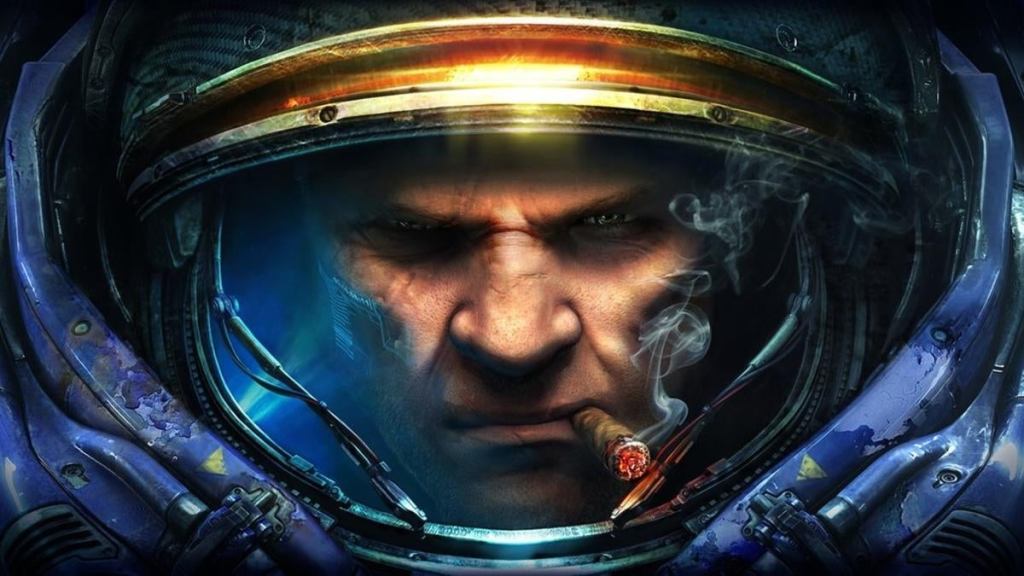
Even though Blizzard announced that support for Starcraft 2 would end in 2020, the RTS has just received a major update over half a decade later. Blizzard promised that the game would get balance adjustments as needed, but no players expected the depth of changes that have come with this patch. With a focus on “extending the early and mid-game experience” and “increasing overall strategic diversity across all three races,” it seems like this Starcraft 2 update is extensive.
Beyond just quality-of-life tweaks and bug fixes, this patch adds impactful shifts to faction gameplay, including changes to the game’s economy. For example, the 5.0.16 patch reduces starting workers from 12 to 8, while also increasing small mineral patch resource counts to encourage more time spent in the early stages of match planning. Extending the mid-game of Starcraft 2 comes from deliberately making some strategies slower through these changes, preventing players from rushing straight into late-game plans without thinking.
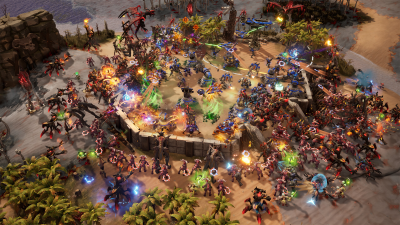
The high skill ceiling of Starcraft 2 already makes long-term planning an art that takes many years of practice, but this patch shifts how that process works. The Zerg, Terran, and Protoss factions have had their production systems changed around, meaning that old strategies won’t work as well as they have in the past. Every faction’s resources or supplies take a longer time to gain, meaning that more decisions need to be made as materials are slowly acquired. In theory, this opens up new opportunities for players to explore new plans, perhaps going for goals they would normally skip.
Shifts To Multiple Years Of Long-Held Strategies Creates A Fresh Experience For Players To Explore
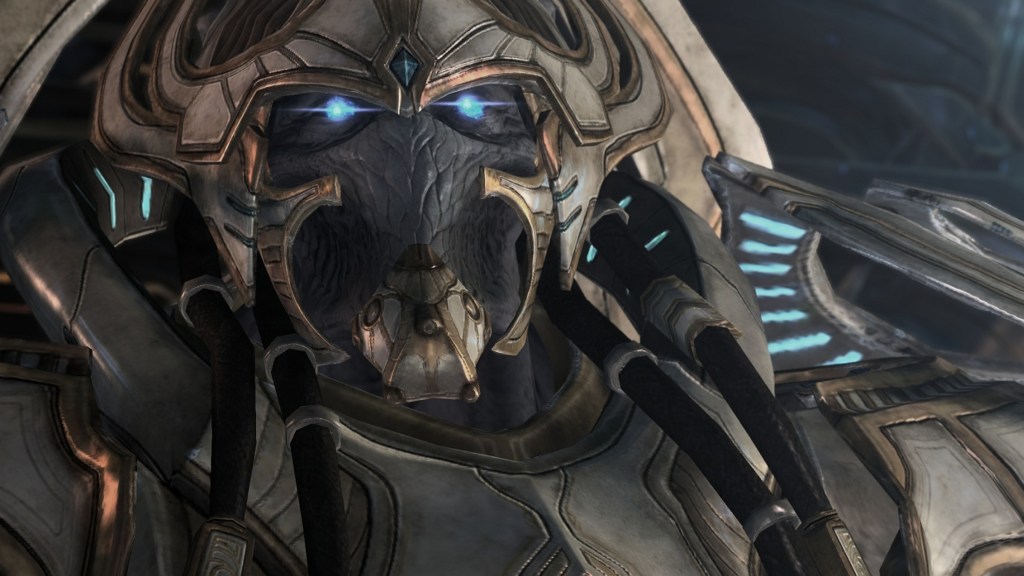
Already, players are calling this patch one of the most impactful Starcraft 2 has ever received, even compared to some balance changes seen near its release. A great example of this is how the Protoss Warpgate systems have been altered, changing how that faction works for the first time in ten years. With similar changes to the Terran and Zerg factions, players on all sides may have to experiment with new strategies, instead of relying on old plans for those groups.
Players are already praising this patch for providing more variety in faction build ideas, especially with the emphasis on more early and mid-game strategies. Considering how Starcraft 2 was a game that many players have “figured out” from years of experience, this patch is a breath of fresh air for its impactful changes. The new limitations behind resources in particular have players scrambling for new faction paths, with a bigger focus on using more scouts and spending materials in different ways than factions usually would.
One other reason why this patch has been received well so far is that it makes base building less prioritized due to the resource changes. Now, you aren’t punished as heavily for expanding your main base later than another player, since your minerals aren’t as depleted by a certain point. This alone gives the mid-game less of a sense of urgency, and opens up that phase of the game to become as careful and thought-out as the other time periods of a match.
It is unclear whether this patch is in preparation of more Starcraft content in 2026, or a retroactive balance change Blizzard has been working on for a while. As players learn to love or hate this patch, it is also unknown whether any of these changes will be rolled back, as feedback tends to dictate the direction of such an evergreen RTS. Regardless, to see Starcraft 2 change even six years since its last patch is interesting, as it shows that the RTS is capable of evolving in new ways to keep its experience fresh.
What do you think about Starcraft 2‘s new patch? Leave a comment below or join the conversation in the ComicBook Forum!