At this point, Cyberpunk 2077’s spectacularly bad launch failures have been extremely well documented and, indeed, praised. In fact, the efforts of its developer, CD Projekt Red, are now often heralded as a perfect example of how to save a game, to support it well past its original launch, and turn around a potentially doomed project. It was incredible, as a fan, to watch CD Projekt Red pull Cyberpunk 2077 from the brink of ruin and turn it into the legendarily good RPG that it is today. I absolutely love the game it turned into, and would never want it to be anything else.
Videos by ComicBook.com
However, I’ve begun to reflect more on what has now been dubbed one of the worst video game launches of all time, and its effect on Cyberpunk 2077 as a whole. It is interesting to look back at exactly how the game changed as a result of those initial setbacks, how CD Projekt Red handled it all, and how, despite all the bad press, Cyberpunk 2077’s failings potentially propelled it to greater heights than it may ever have achieved had it been released in a perfect state.
Cyberpunk 2077’s Failings Kept It Popular For Longer
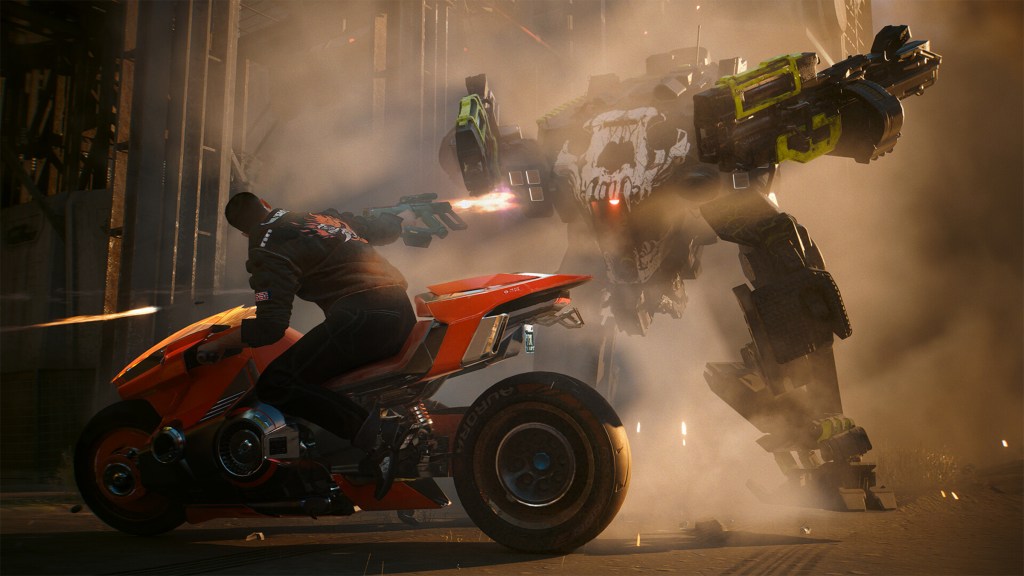
I want to make it abundantly clear that I do not believe CD Projekt Red sabotaged Cyberpunk 2077’s launch in order to drum up additional press and ultimately garner popularity. That would be utterly ridiculous and frankly insensitive to the extremely hardworking developers at the studio. Rather, I merely think there is a correlation between the consequences of said failed launch and the game’s ultimate enormous success that is worth exploring.
It is hard to argue that the immense amount of hype that preceded the initial disappointment had a huge hand in cementing Cyberpunk 2077 as one of the most popular single-player titles of all time. Cyberpunk 2077’s numerous improvements over six years ostensibly ensured that it remained in the zeitgeist as long as possible, certainly far longer than the majority of RPGs ever do. Its impressive updates were always highly-anticipated, and post 2.0, players began speculating wildly about what else could be introduced. Even when CD Projekt Red was practically done with the game, and updates slowed to a crawl, players still tuned in to its livestreams to see what else would be added.

This level of sustained momentum was only possible thanks to that initial failure. Had Cyberpunk 2077 launched in a completely acceptable state, it seems unlikely that people would have been as vocal about requesting the features that inevitably made their way into the title. Even if they had been, CD Projekt Red may not have been as incentivised to implement them, as there was only a financial need to make Cyberpunk 2077 a successfully regarded IP as a result of its rocky launch. Certainly, Cyberpunk 2077’s ridiculously high player count wouldn’t still be increasing five years after launch.
Of course, there is every chance that Cyberpunk 2077 would have been supported to a similar extent long after launch, even had it been an enormous success. Yet, while that remains a distinct possibility we’ll never get to see occur, I cannot think of another RPG in existence that got so much support even three or four years post-launch. Even Baldur’s Gate 3, which received patches and huge updates after it launched into 1.0, stopped getting significant support after two years, if only to allow Larian Studios to focus on its next game. Beyond Skyrim, which Bethesda refuses to leave alone, no other single-player game of this scale has gotten so much support and remained such a talking point for so long, and that is all down to Cyberpunk’s failure, not its success.
Games Shouldn’t Attempt To Replicate Cyberpunk 2077’s Success
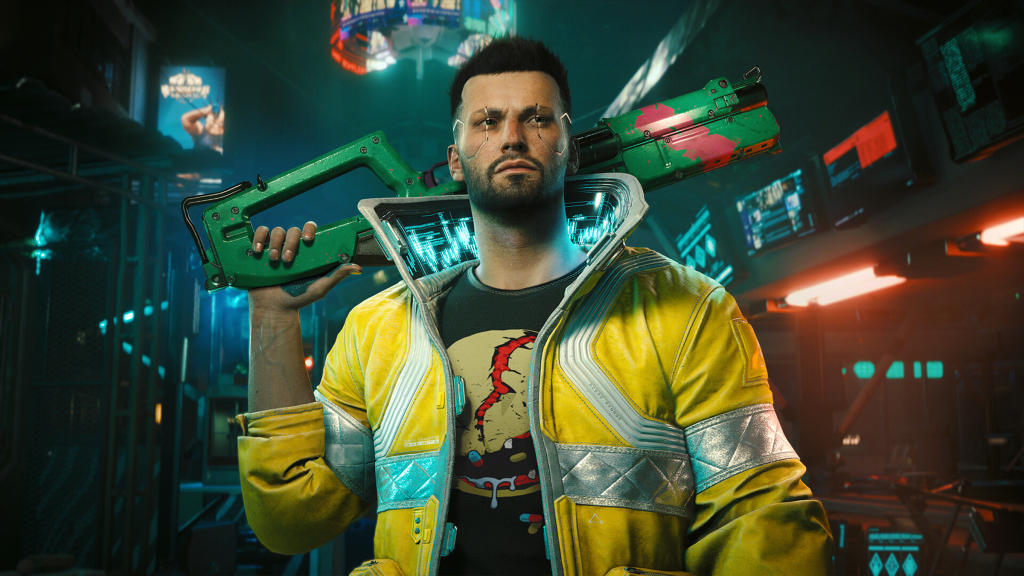
Of course, this is in no way replicable. The closest example of something similar occurring is the redesign of Sonic in the live-action movies, which both saw it garner far more press than it may ever have done and potentially even more ticket sales. Beyond that, failing to success is in no way a valid strategy, and absolutely something that should be avoided. In very few cases, a redemption arc for a video game has worked, and it has only ever worked for games that have strong enough foundations from which to redeem themselves.
No Man’s Sky, Rainbow Six Siege, and Cyberpunk 2077 all offered something, even at their most broken state, that people have been searching for and actively want to see more of. Had Cyberpunk 2077 been a largely generic RPG with a banal story and uninteresting progression, no one would have cared to see it succeed. Similarly, had No Man’s Sky merely been a survival game set on a singular alien planet, everyone would have given up on it. We say that Cyberpunk 2077 had a rocky launch and was a failure to begin with, but that’s only so true in terms of performance and a handful of missing features. What it offered on day one was a far greater success than most RPGs, and that’s what gave it the space and time to be improved upon.

We also don’t really want games to release in a broken state. Sure, there’s a minuscule chance that it’ll lead to long-term retention and improved sales across the board, but it also means that anyone picking it up day one will be immensely disappointed, and the industry will become known for broken launch-day products. Imagine if every time a new Pepsi flavor or the next blockbuster film came out, it was significantly disappointing and broken in some way, only to be rectified months down the line to be what you had always hoped it would be. It’s ludicrous and utterly unsustainable.
We need art to be complete, much like it was in the days before day-one patches. Sure, studios like Pearl Abyss have the staff and resources to fix their games almost immediately, but the majority of developers simply don’t. I would rather have games released in a good state than benefit from the hype surrounding the likes of Cyberpunk 2077 or No Man’s Sky. I don’t doubt that Cyberpunk 2077’s failure helped it become the financial success it is today, but it also paints a picture that the game was only good post-patches, and that simply isn’t true. I hope we can reach a point at which games can be appreciated solely for their strengths as art and entertainment, rather than the ability of their developers to redeem themselves long after delivering the original experience.
Do you think Cyberpunk 2077’s failure helped it to remain popular? Leave a comment below and join the conversation now in the ComicBook Forum!
More Gaming
-

Image Courtesy of Sony Interactive Entertainment