The gaming industry is always evolving, with new titles, tech, and trends often breaking out in unexpected ways. In the last decade, especially, the windfall for the biggest winners has been going up – although the overall cost for developers and consumers is doing the same. As a result, it’s not surprising to hear that gamers are being more specific and selective with their choices.
Videos by ComicBook.com
However, that might be a problem for some of the biggest developers out there. A recent survey has found that a wide majority of gamers aren’t buying games at full price, instead electing to hold off until the game is on sale or moving to other titles that might be affordable. While it makes a lot of sense for the average gamer, the metrics of success in the modern industry make that a very worrying discovery for developers.
Gamers Aren’t Buying New Games As Much As Older Titles
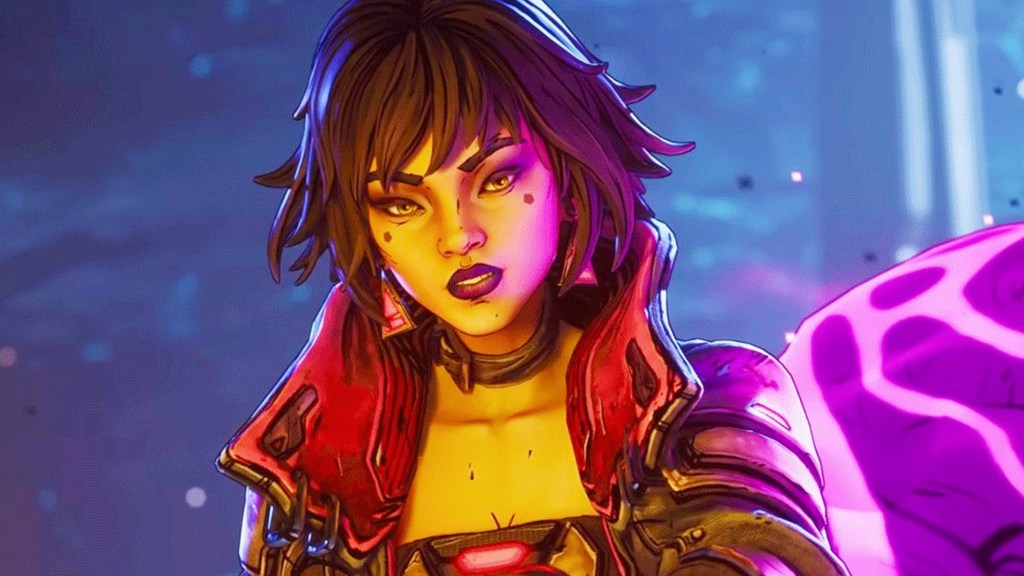
As reported by Video Games Chronicle, recent surveys held by IGN Entertainment with the cooperation of UC Berkeley and Kantar have found that a notable majority of “hardcore” players don’t buy games at launch –- which is a big deal when debut numbers are becoming increasingly important in terms of studio longevity and success. No age group (Gen X, Millennial, or Gen Z) had a majority of players buying games at full price. That margin shifts across age ranges, with the windows concluding that Gen Z was over 20% more likely than Gen X players to purchase games at full price.
The reasons vary, ranging from available time, generational perspective, and a massive backlog of available titles. The surveys were also focusing solely on “hardcore” gamers, with broader audiences likely spending the full price for fewer games than the players surveyed. The end result remains the same; the most committed gamers aren’t buying games new, and that’s a concern for the current state of the industry.
Why That’s Bad News For Game Developers

In modern gaming, a strong release is often key to success. While indie titles have better luck at gradually drawing in audiences over time, plenty of major game releases that underperformed expectations have caused huge publishers problems. The prevalence of live-service games underscores that reality, with plenty of potential forever games being pulled shortly after release because players simply aren’t coming. Games like Concord or Highguard might have been able to steadily develop an audience, but because they didn’t blow up at launch, they were swiftly shut down. Instead, older players are more likely to be diving into plenty of older games on sale and trying to fully complete them, while younger players are more often hopping from title to title to connect with different communities. This is all on top of the financial struggles that so many people contend with every day.
If budgets are getting tighter to reflect tech shortages and higher bills, then buying a two-year-old game that’s gotten great reviews, multiple patches, and a temporary 85% price cut over something entirely new makes sense. It’s a very tricky situation that many developers are still trying to figure out (although Sony’s continued support for Bungie and Marathon indicate that at least some publishers are seeing the worth in looking more towards long-term investment) and helps explain some of the frustration developers can have when their games sell well -– but not well enough at launch to impress shareholders or even sometimes keep the lights on. That’s really frustrating, even just as a fan of these talented developers. Seeing their work not be recognized until it’s far too late to make a real impact must be really frustrating.
It Makes Sense That Consumers Are Waiting To Buy Games – Which Is Part Of The Problem
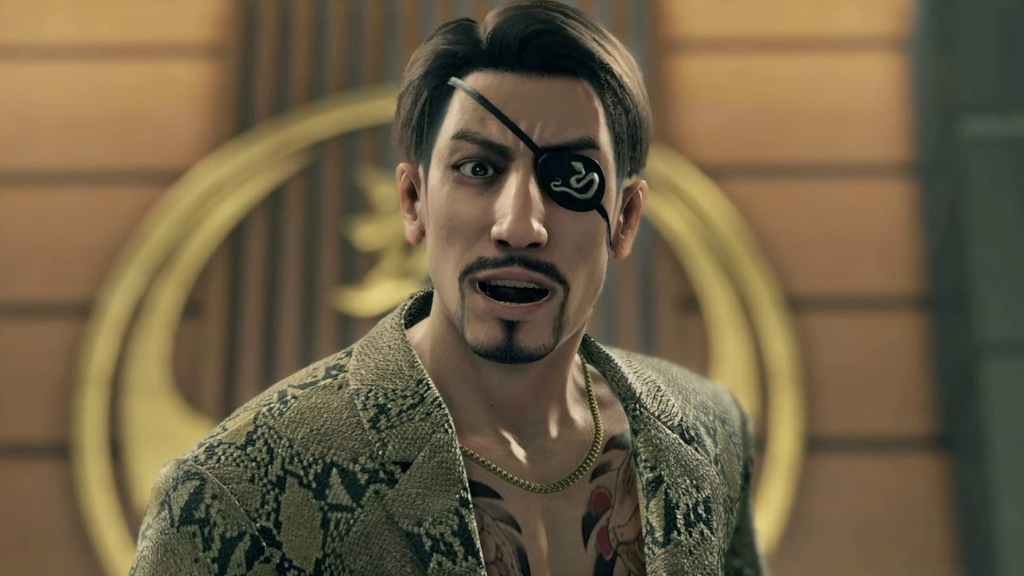
This trend is tough for the developers and the publishers, but it’s also an ethos that many players have to embrace if they want to play anything new at all. I can attest to seeing a slew of games I want to play every month, but knowing that, realistically, I just don’t have enough time or money to play everything. Waiting can often feel like the right move from a consumer perspective, as it can come with DLC, patches, and broader content all bundled together for a lower price. Even as someone who gets the chance to play a lot of games as part of their work day –- and will often spend off-time playing other games too – -is simply isn’t realistic to purchase all the games I want to play at full price.
The economy as a whole is facing struggles, with the tech sectors especially impacted by supply disruptions and a lack of stock. With so many options out there, it can be hard to justify paying $70 (or in some cases more) for something comparatively untested. I understand why this is bad for the industry at large, but I also want to actually be able to play the games I get and fit it into my budget. With so much of the industry predicated on initial engagement, I have little doubt that there will be plenty of great games that struggle at launch (which makes things tougher for the developers in turn) –- but I also can’t deny I’m one of the many gamers who really prefer getting games on sale.
More Gaming
-

Image Courtesy of Xbox Game Studios