Studio Ghibli, the animation studio famous for films like My Neighbor Totoro and Spirited Away (and my personal favorite, Castle in the Sky), is not particularly well known for video games. Sure, there are many titles that draw clear inspiration from Ghibli’s iconic visual style, themes, and even character designs, but Ghibli had no actual involvement in their production. However, there are a handful of games that Studio Ghibli has contributed to, one that has garnered mass appeal and critical acclaim, and another, the topic of today’s conversation, that remains a cult classic, barely remembered by anyone.
Videos by ComicBook.com
The former is obviously the incredible Ni No Kuni: Wrath of the White Witch, which Ghibli directly contributed to the game’s animation. While the sequel is inarguably a better game and indeed one of the best JRPGs available today, Studio Ghibli as a company wasn’t actually involved in its production, but employees who had helped with the first Ni No Kuni game returned. However, neither game is the Pokémon-like RPG I am referring to today. Rather, that is the hugely underrated PlayStation 2 game, Magic Pengel: The Quest for Color, a game that remains, to this day, one of the most creative and enjoyable creature collectors.
Magic Pengel: The Quest For Color Is Studio Ghibli’s Attempt At Pokémon
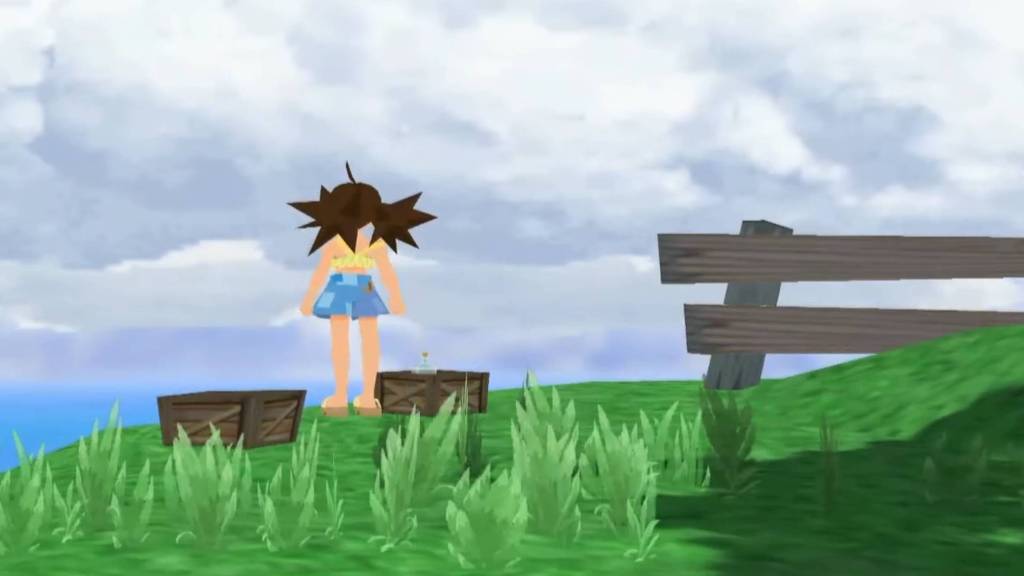
Magic Pengel: The Quest for Color is a PS2 RPG from developer Garaukta-Studio, which is ostensibly only known for this game and its more widely available sequel, Graffiti Kingdom. The hook of Magic Pengel was the ability to draw your own Pokémon-esque creatures that you’d then take and battle pre-existing ones. Each body part and color enhanced the creature’s stats ever so slightly, which meant there was some semblance of strategy involved in their design. Similarly, there were numerous unique moves, much like in Pokémon, that helped prevent Magic Pengel: The Quest for Color decending into a mundane rock paper sissors types affair. Frankly, despite its short length and small scale, Magic Pengel: The Quest of Color has more than enough depth and novel mechanics to qualify it as one of the best JRPGs ever made, at least in my opinion. Certainly its an extremely underrated one deserving of far more praise.
The ability to create your own creatures (called Doodles in-game) was a novel addition implemented extremely well, as the game practically allowed you to draw whatever and would then give it basic animations. Beyond combat, there’s the central story that revolves around a cast of quirky characters who feel as if they’ve been ripped straight out of a Ghibli film, Zoe in particular, who fits the popular empowered female archetype widely used in Miyazaki’s films. The game also has a phenomenal soundtrack, composed by publisher Taito’s in-house band Zuntata, with the song Form of Energy sounding like a burst of unrelenting joy and People Cannot Stop evoking the tear-jerking melodies of Ghibli’s saddest songs. If you take anything from this article, it is to go listen to at least that track. It is heartwarmingly beautiful.
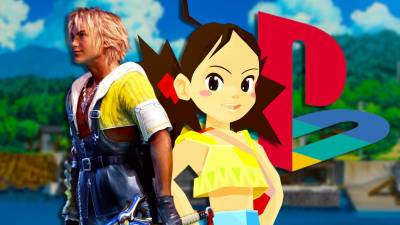
Ghibli’s involvement as a studio was, much like with Ni No Kuni, focused on animation work. The team produced the final animated cutscene that features Zoe heading off on an adventure, with numerous Ghibli veterans credited as having worked on the animation, including Hideki Hamasu, Osamu Tanabe, and Masashi Ando. Most notably, the game’s art director was Yoshiharu Satō, who was a character designer on My Neighbor Totoro and a key animator on numerous Ghibli films up until The Secret World of Arrietty. He would go on to be the art director for Graffiti Kingdom and the character designer for the DS game LostMagic, which was developed by Magic Pengel’s publisher, Taito, and featured characters from that game. Studio Ghibli was also joined by GAINAX in animation duties (which is perhaps best known for Neon Genesis Evangelion and Gurren Lagann) and long-time Ghibli collaborator, Anime Torotoro.
Despite its involvement being somewhat minimal in the grand scheme of things, you can feel its influences all over the game. Magic Pengel, perhaps even more so than Ni No Kuni, feels like a Ghibli film. It’s all about creativity, the innocence of youth, family, and an oppressive regime hellbent on crushing the passions of its people. It doesn’t really get more Ghibli than that (aside from perhaps an environmental message). Magic Pengel: The Quest for Color isn’t just Ghibli in appearance only; playing it feels like being transported into one of its films, and that is a rare treat indeed.
The World Needs More Studio Ghibli Video Games
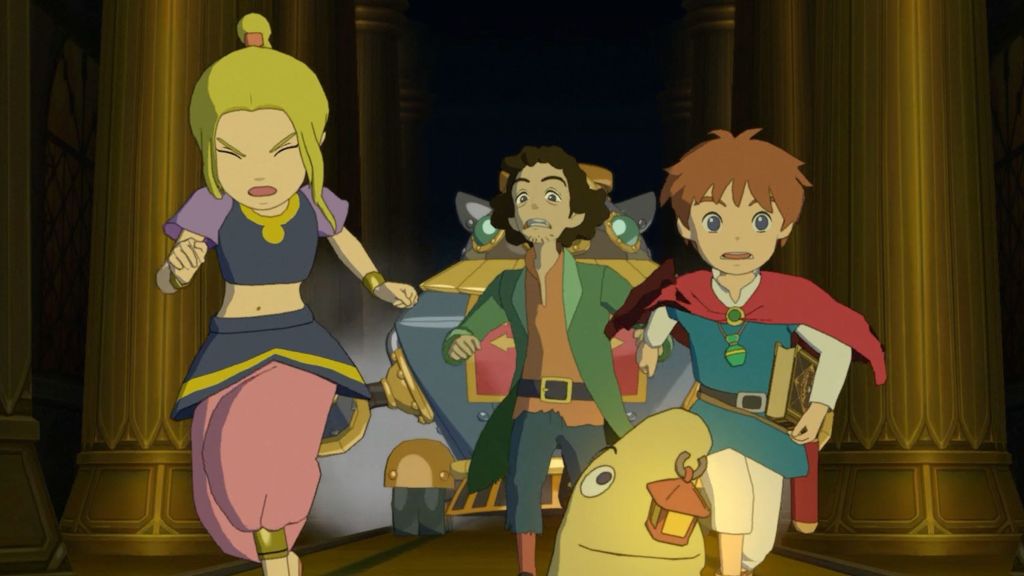
Sadly, Magic Pengel: The Quest for Color only received a small release in North America and Japan, which is almost certainly a large contributing factor to it being mostly unheard of. It was successful enough to warrant a sequel of sorts, but Graffiti Kingdom only really shares the game’s Doodle mechanic, as it changes up its gameplay to focus more on action and lacks a lot of the charm that Magic Pengel was so effortlessly imbued with. That’s not to say it is bad, far from it, but it doesn’t quite achieve the same magic as its predecessor. Beyond those, the aforementioned Ni No Kuni, and Jade Cocoon: Story of the Tamamayu (which Ghibli wasn’t directly involved with, but Katsuya Kondō, who was the character designer for Kiki’s Delivery Service, among other Ghibli titles, worked on it), there are no other Ghibli games.
This isn’t terribly surprising. Hayao Miyazaki famously despises video games, in part due to the dreadful video game adaptation of Nausicaä and his aversion to technology in general; so, getting him to sign off on any video game project must be challenging. Additionally, when Miyazaki went into temporary retirement, the studio massively restructured, something Level-5 founder Akihiro Hino implied was the reason for it not returning to work on Ni No Kuni 2 in an interview with Kotaku. While Miyazaki has returned, one can’t imagine that video games are at the forefront of projects he’s passionate about, and it’s unlikely that Ghibli will work on another major video game title again.
That being said, as prefaced at the start of this article, there are numerous games that draw inspiration from Ghibli, whether that’s in their visuals, themes, or even plot points. One could argue that much of Final Fantasy, VII especially, is inspired by Ghibli, from its airships to its themes of environmental destruction and princesses from ancient civilizations. Sure, I would love it if Studio Ghibli returned to the world of video games and helped contribute to another project as creative and fun as Magic Pengel: The Quest for Color. However, as that is unlikely to happen, I’ll settle for more indie and even AAA games deriving inspiration. If you’re looking for some recommendations, then be sure to try out Hoa, Europa, Mika and The Witch’s Mountain, Forgotten Anne, Neva, and Spirittea. Or you could just track down a copy of Magic Pengel: The Quest for Color and see what all the fuss is about for yourself.
What do you think of Magic Pengel: The Quest for Color? Leave a comment below and join the conversation now in the ComicBook Forum!
More Gaming
-
Image Courtesy of AdHoc Studio -

Courtesy of IllFonic