Final Fantasy has changed a considerable amount over the past several decades. It hasn’t just been cosmetic changes, although the vast disparity between CG cutscenes and gameplay has thankfully been rendered non-existent, as mechanically and thematically, Final Fantasy feels like a significantly different beast now. The likes of Dirge of Cerberus paved the way for more experimental titles, many of which failed; XIII’s controversially linear experience led to the extremely open and divisive Final Fantasy XV, which then led into the nuanced active-time combat of the Remake trilogy.
Videos by ComicBook.com
Each era of Final Fantasy has brought something new to the table, but not always something good. The series’ next defining era is happening right now, with the once PlayStation-exclusive Final Fantasy 7 Remake titles launching on both Xbox and Nintendo Switch 2. As much as Square Enix will see this as a positive move forward, I’m not all that convinced that this will work in Final Fantasy’s favor as much as a potentially more beneficial strategy would.
Final Fantasy’s Loss Of Exclusivity Won’t Solve The Problem
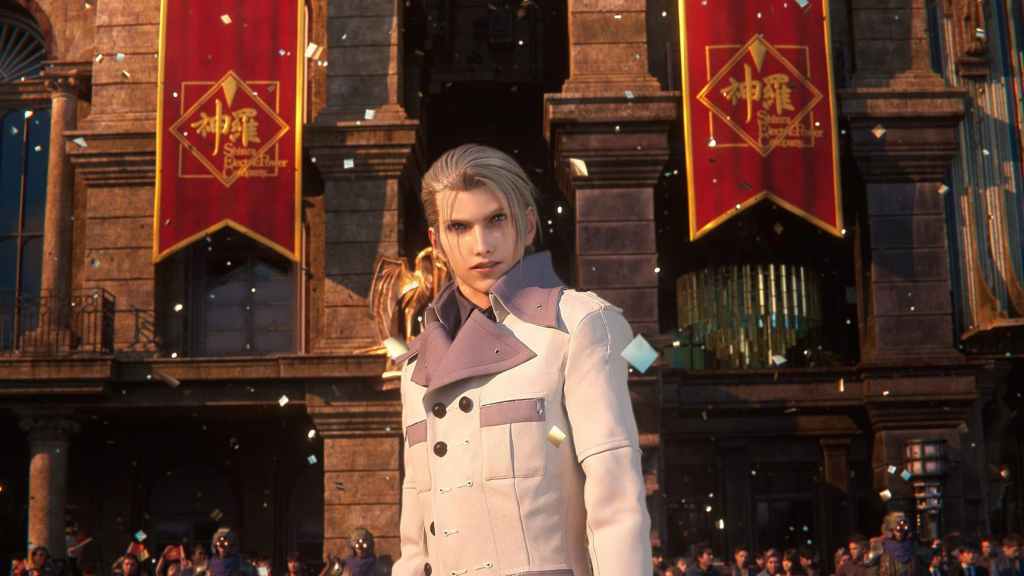
Square Enix has recently ported FF7 Remake and Rebirth to Xbox and the Nintendo Switch 2 in a bid to drop the series’ long-held exclusivity deals on PlayStation and PC. This is, on a purely superficial level, a good move as it means that people on Xbox and the Nintendo Switch, myself included, finally get to experience both of these legitimate masterpieces. However, more crucially, it feels like a desperate move on Square Enix’s part to ensure the series’ long-term safety after sales on PS5 failed to meet initial expectations.
Without proper sales figures, which Square Enix rarely releases, it is hard to tell just how successful Rebirth has been on PlayStation 5 and PC. Admittedly, sales did pick up after it failed to meet desired targets in 2024, and Rebirth saw great success on PC. Indeed, Rebirth’s director Naoki Hamaguchi told Automaton in late 2025 that Rebirth “has been doing very well on both PS5 and PC“. However, I’d argue that while I’m sure sales did improve to some degree after the game was discounted and word of mouth spread, the series shifting to other platforms so many years after launch implies perhaps less success than Hamaguchi is letting on.

Reliable leaker NateTheHate has claimed that there won’t be any form of exclusivity deal for Part 3, with it launching on all consoles simultaneously, implying a loss of faith in the final entry selling well on PlayStation alone. Additionally, had it always been Square Enix’s intention to put the Remake trilogy in as many hands as possible, it would have ported Remake over to Xbox, at the very least, a long time ago. It dropped its exclusivity deal back in 2021, meaning Square Enix has intentionally sat on it for nearly five years. It has had plenty of time to make the move and benefit from a wider audience, but it hasn’t.
However, I don’t think this move to make the series multi-platform will be enough to save it. The Series X/S consoles have a significantly smaller install base than the PS5, and the Xbox has never seen great success with JRPGs. A Nintendo Switch port would have made sense (although, admittedly improbable), but, despite being the fastest-selling console of all time, the Switch 2’s player base is still in its infancy. It isn’t as if there is a huge untapped market ready to send droves of money Square Enix’s way. The problem was never the exclusivity deals with PlayStation, the platform best known for supporting the JRPG genre and with the most players (at least on console). Instead, the issue is fundamental, one that has seen the series distance itself from its roots, when all fans want is a return to form.
Final Fantasy Needs To Go Back To Its Roots
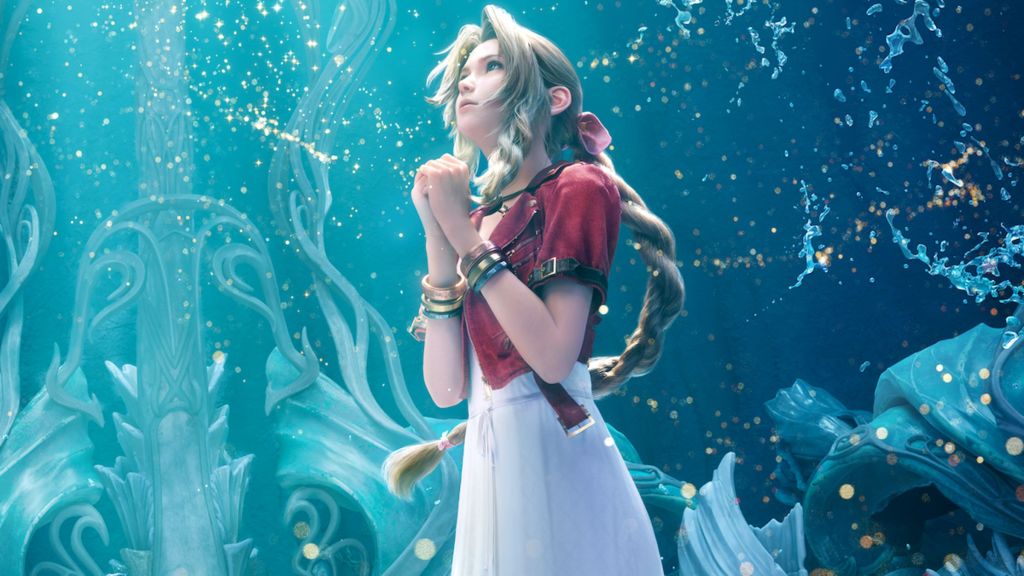
I’ll admit that I quite like both Final Fantasy XV and the Final Fantasy VII Remake trilogy’s approach to active-time combat. It’s thrilling, action-packed, and flashy, and while XV’s iteration was a little too basic, the addition of turn-based mechanics in the Remake trilogy was significantly innovative to prove exactly why this combat model works so well. However, I can also greatly appreciate why the deviation in gameplay mechanics, especially combat, in the aforementioned games and FFXVI, has proven so divisive among fans.
While it isn’t exclusively why people resonated so much with Clair Obsucr: Expedition 33, the JRPG saw great success as a result of its strategic and flashy turn-based combat. Atlus has found a myriad of ways of keeping its brand of turn-based combat feeling fresh, specifically with Metaphor: ReFantazio and the Persona series. The studio’s more recent titles have seen their combat injected with a lot of flair and aristry, thus significantly improving the typically tired and tropey turn-based model and making it feel utterly unique and fun to play around with.
Instead of attempting to do something similar, Square Enix simply abandoned the gameplay framework that has proven so successful for these aforementioned titles. That was a risky move that clearly hasn’t paid off as well as the studio hoped, as it’s move to active-time combat, while not as drastic a shift as Final Fantasy’s worst-rated game, Dirge of Cerberus, pushed the franchise into uncharted territory, with the developers attempting to deliver a combat model they lacked the experience in creating.
That isn’t to say that long-running series like Final Fantasy shouldn’t innovate, as otherwise you end up with the likes of the ridiculously lacklustre Pokémon series that feel firmly stuck in the past. However, rather than running away from the mechanics it helped revolutionize, Square Enix should have followed its contemporaries and found ways of innovating upon the turn-based combat formula to offer its own unique take on it.
Final Fantasy’s Loss Of Identity Is Hurting It
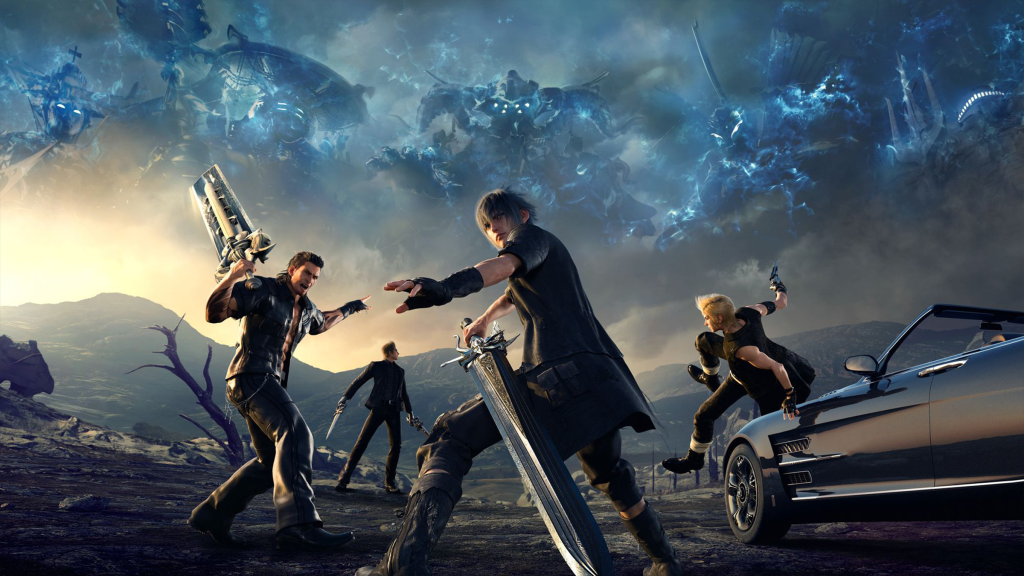
Now, I’m not about to state that Final Fantasy’s poor sales are completely due to a move away from turn-based combat. Rather, I believe it is the series’s diminishing sense of identity that is ultimately hurting it. Final Fantasy XVI would have felt like it came from an entirely different series were it not for its use of the series’ recognizable iconography, and XV’s messy story and bizarrely Earth-like world felt at odds with what the franchise is so well-known for. Final Fantasy is faltering while the likes of Clair Obscur: Expedition 33 soar because it, unlike 2025’s GOTY, doesn’t know what it is.
A return to turn-based combat would certainly help restore some of that lost identity and help it achieve the mainstream appeal it once effortlessly held. That’s not to say that Final Fantasy isn’t still a household name within the genre, but merely to imply that it has lost touch with its fanbase, with the genre it is a part of, and with the expectations of players. Perhaps its new style of combat would be better suited to a spin-off series where it could flourish, be improved upon mechanically, and then, eventually, grow popular enough to move into the mainline series once more.

Square Enix’s push for multi-platform releases is absolutely a good thing, as it further promotes the democratization of gaming. I am, therefore, not advocating for Final Fantasy to remain on PlayStation. I just don’t believe that going multi-platform is the solution to Square Enix’s Final Fantasy problem. The rumors of Square Enix copying Clair Obscur for future releases are encouraging, but until we see the series attempt to regain some of that lost identity and reestablish its niche in the genre, I suspect Final Fantasy will continue to alienate fans and lack the defining JRPG traits that would appeal to newcomers.
Do you think going multi-platform will save Final Fantasy? Leave a comment below and join the conversation now in the ComicBook Forum!
More Gaming
-

Courtesy of Ubisoft