Metro 2039 is looking like an especially exciting title, especially because the narrative’s darker edges give it something most other high-profile modern titles lack. The latest entry in the Metro series is jumping ahead a few years after the events of the last game, with a mysterious figure venturing into the underground that has long served as a primary setting for the series. The cinematic trailer for the game promised a grim world with nightmarish visions, ominous soldiers, and gruesome monsters.
Videos by ComicBook.com
It’s a continuation of one of gaming’s most harrowing depictions of the apocalypse, which has become a trope in modern gaming. Plenty of titles take place in the apocalypse, using the collapse of society and the destruction of the world as we know it to create their own compelling narratives or colorful sandboxes. However, Metro 2039 is approaching the concept with a far harsher approach, all informed by real-life war and death. It gives Metro 2039 an edge that we haven’t seen in anything else recently and could elevate the game above its peers.
Metro 2039 Doesn’t Want To Have Fun With The Apocalypse
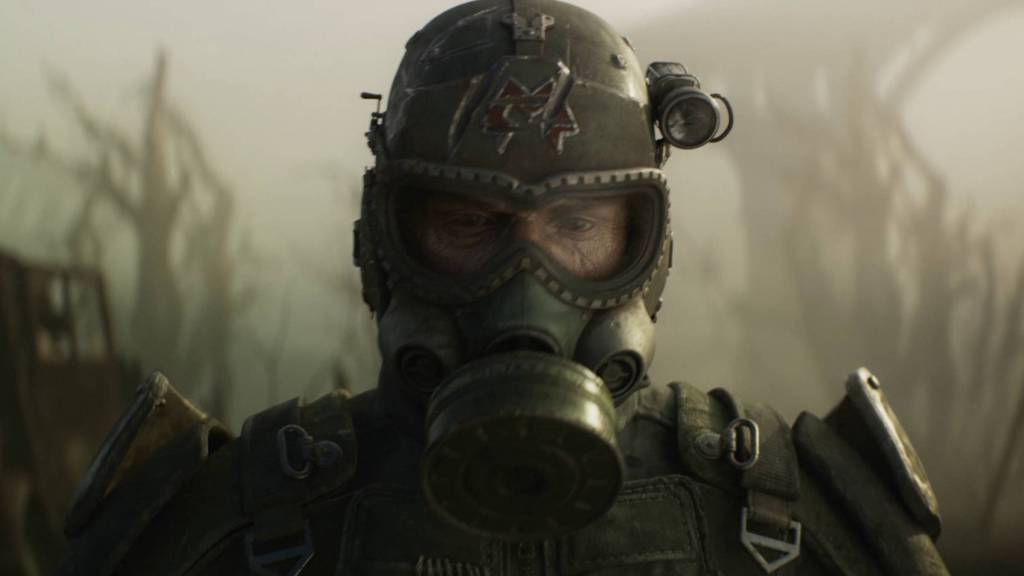
Metro 2039 is setting itself apart from most modern “end of the world” game franchises with an unrelentingly bleak tone to fit the story. Metro 2039 didn’t begin in the world of games but was adapted from the book series by Dmitry Glukhovsky, who wrote the first novel in 2002, which went on to inspire the long-running game series. The trick to apocalyptic media, especially in gaming, is that most of it finds the levity amid the darkness. None of those settings is necessarily a safe or happy place, but franchises like Borderlands and Fallout both find their own grim sense of gallows humor in their adventures. The apocalypse aesthetic is sometimes played for ridiculous laughs, or underlying humanity bleeds through at key junctions. Even The Last of Us, which is pretty grim, is more rooted in the humanity of the survivors instead of the larger world.
Metro 2039 is facing harsh musings about humanity head-on, in a way that promises to be a far cry from the wacky antics of Borderlands or the sci-fi comedy of Fallout‘s blunt horrors. Metro as a whole and Metro 2039 especially are seemingly eschewing that approach, instead focusing on the horror and existential dread that comes with surviving an apocalypse. The cinematic trailer and gameplay clip that have been released paint a grim portrait of the game’s world, with the hallucinations being haunting and the mutants being grisly. Other depictions of the apocayplse have found some sense of resilient humanity to shield themselves from that reality, but Metro 2039 isn’t that kind of story. It’s something far more relentless and harrowing, making it a unique outlier among many of the broader industry’s preferred takes on the subject matter. Tonally, this gives Metro 2039 a unique weight among many of the mainstream releases and their depiction of the apocalypse.
Metro 2039’s Darker Storytelling Is Reflecting Harsh Realities In The Real World
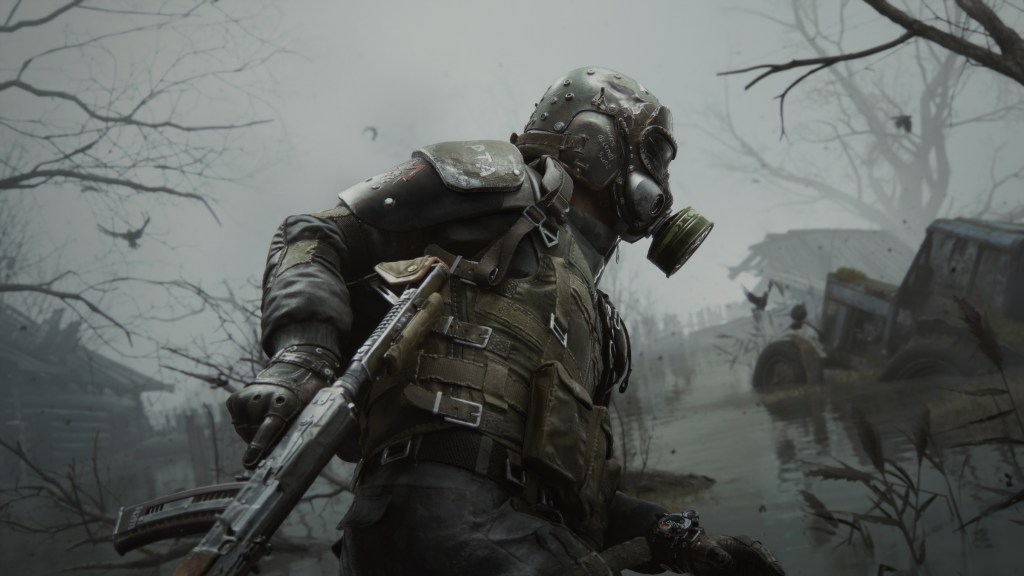
Metro 2039 was inevitably going to be a harsh game, but things took a turn in 2022 when Russia invaded Ukraine. Much of Metro 2039‘s team has connections to Ukraine or works within the country, with the conflict impacting development as the team refused to leave the nation. In a video shown to members of the press, the development team reflected on how the experience of working on the game, while prepared to rush to the bomb shelter, impacted their approach to the game’s story. The team is working heavily with Glukhovsky, who was forced to flee Russia for his open criticism of the Russian government and the conflict.
The world of Metro 2039 is dealing with very real-world challenges like the rise in authoritarianism and the brutality of war, impacting the game’s depiction of the apocalypse. It’s firmly set in a Russia where the world ended, but humanity didn’t — with those real-world roots feeding much of the unbearable tragedy of the setting. Instead of being set on an alien world like Pandora or with the retro-futuristic touches of Fallout, the game’s supernatural elements are bristling against a devastated world.
Metro 2039‘s approach to the apocalypse feels different than most other high-profile titles in the current gaming space, and that should have players very excited for its eventual release. It reflects the heavier narrative focus of this game over the other examples, which are defined primarily by how freeing the apocalypse might feel. By contrast, Metro 2039 is all about the horrors of what comes after the end of the world, without any assumptions that it would be anything lighter. It’s a dark narrative that will be more thematically rich as a result, setting itself up to stand out in the modern mainstream gaming space.
More Gaming
-
Image Courtesy of Fast Travel Games/Bethesda Softworks/Capcom