The innovations of The Legend of Zelda: Ocarina of Time make it one of the greatest games of all time, but it was far from perfect, with its groundbreaking mechanics having plenty of bugs. Glitches in the original N64 title have been explored throughout the years since Ocarina of Time‘s release, with ports to other systems largely keeping them intact without any alteration. However, the remake marks a completely new experience, with many familiar exploits being removed in order to establish something with modern refinements.
Videos by ComicBook.com
Many changes to Ocarina of Time were coming in the remake, a fact that players knew about since the title was announced due to comments and breakdowns from Nintendo developers. This included gameplay tweaks like the inclusion of dedicated jump and sprint inputs, but also covered larger design changes, such as an overhaul to item selection menus or entire locations like the infamous Water Temple. For players who remember the original Ocarina of Time, they shouldn’t go into the remake expected a 1:1 copy, especially when it comes to hidden details that have been polished out.
Ocarina of Time Remake Removes Infinite Rupee Glitch at Hyrule Castle, Among Other Exploits

Obviously, some of Ocarina of Time‘s N64 glitches were going to be left out of the remake, such as the ability to delete walls in the game by turning your cartridge to one side. The corrupted RAM of the original game from this technique is a method of the past, but players were curious of more innate exploits were still available. The most infamous glitch in Ocarina of Time is arguably the one tied to Hyrule Castle, where players could originally scale the chains of the structure’s drawbridge to access nearly infinite Rupees.
In the old game, players who scaled either drawbridge could jump off them to obtain three invisible Red Rupees, which are worth about 60 Rupees total. Doing this over and over was an infinite money glitch, making every item in the game easy to buy right from the start. Yet, in the remake, new collision boxes prevent players from setting foot on the drawbridge chains of Hyrule Castle, removing this exploit entirely. This is just one of many cheats removed from Ocarina of Time, with some of the others listed below also not in the remake:
- Stolen Fishing Rod – Once allowed players to break the inventory system, manipulating the game’s memory when the fishing rod was brought into the Overworld.
- Seam Walking – Tiny gaps between wall corners of certain locations used to let players skip to areas without using progression triggers.
- Infinite Sword Glitch – Crouch-stabbing and interacting with an object could put Link’s sword into a permanent and continuous active state, allowing players to damage enemies simply by walking up to them. This also used to prevent players from falling off ledges.
- Kokiri Forest Escape – Broken collision geometry with Navi in the Lost Woods and the NCP Mido allowed players to leave Kokiri forest without having the Kokiri Sword or Deku Shield items.
Updated world design in the Ocarina of Time remake basically built the game from the ground up, introducing new collision physics to correct many of the biggest glitches from the original. Progression breaks were mainly targeted, but so were exploits like the one at Hyrule Castle throughout the game. For example, jumping across the stone platforms next to the Kokiri Forest shop no longer grants Link five Rupees, replaced by a number of collectible Blue Rupees hidden in the area. This is likely due to the universal jump mechanic in the remake, trading a secret of the original for a new encouragement for players to explore the world with more intention.
The Switch 2 Version Already Has Glitches of Its Own Less Than a Day After Its Release
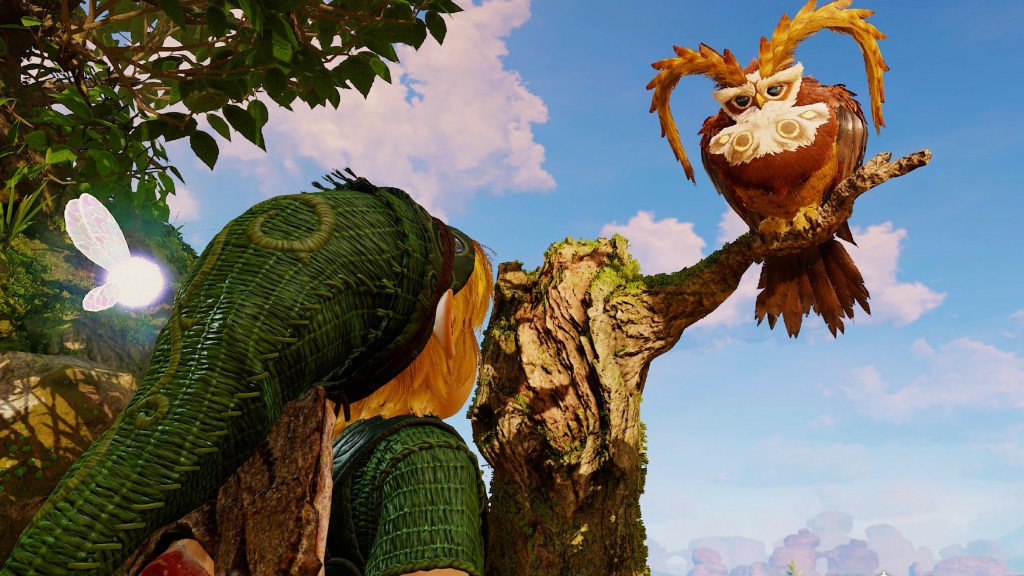
While the incredible polish of the Ocarina of Time remake is clear, that hasn’t made the game without any glitches or problems upon its launch. While players have found many exploits from the first game removed, new ones could come up within the framework of the remake sooner than you’d imagine. That being said, most of the glitches the remake is experiencing are tied to performance issues, which could be addressed in an early patch for the game. For now, players have reported that Ocarina of Time as a Switch 2 console’s first game played physically can cause FPS drops, screen freezes, and faulty controller inputs for a short time.
Thankfully, that problem seems to resolve itself after rebooting the game a few times, but others may not be so easy to fix. Some players trying to start the game on docked mode are having trouble getting past the title screen at all, with the game freezing right as it gets booted up. Disabling VRR display seems to help with this, but these bugs are far less endearing than the exploits that players found naturally in Ocarina of Time before. The laundry list of exploits from the N64 may be gone, but some Rupee farming methods and movement skips are being discovered already for the remake barely a day after launch.
It’ll take some time to see what other exploits the Switch 2 version of this storied game will hold. After all, it took many years for players to find the ones within the N64 original, with speed runners finding consistent ways to bend the game’s rules into their favor consistently. For now, The Legend of Zelda: Ocarina of Time remake is something brand-new, smoothing out a classic game while adding new features that open the door for fresh exploits that clever players will inevitably find.
What glitches do you remember most from Ocarina of Time? Let us know in the comments below!
More Gaming
-

Courtesy of Atlus -

Rockstar / Nissan Gamerz -

Courtesy of Rockstar Games