Changes at Capcom in 2026 have mostly been positive, with new content for Street Fighter and other IPs being mostly positive so far. However, one larger shift in the company’s leadership could greatly impact the iconic fighting game franchise, as well as other series like Resident Evil, Monster Hunter, or even Mega Man. Based on patterns seen at other gaming development groups, the years ahead for Capcom may bring about significant obstacles.
Videos by ComicBook.com
The ongoing success of Street Fighter 6 contrasts with the struggles of other fighting game series, such as Tekken 8, 2XKO, and Fatal Fury: City of the Wolves. Multiple issues have plagued those titles, from poorly received balance decisions to company layoffs that impact a game’s potential future. Although Street Fighter remains popular going into the final part of its third DLC Season, the changes Capcom has gone through mimic shifts another fighting game has had to endure.
Street Fighter May Be Impacted By Capcom’s Shareholder Sales To Saudi Arabia
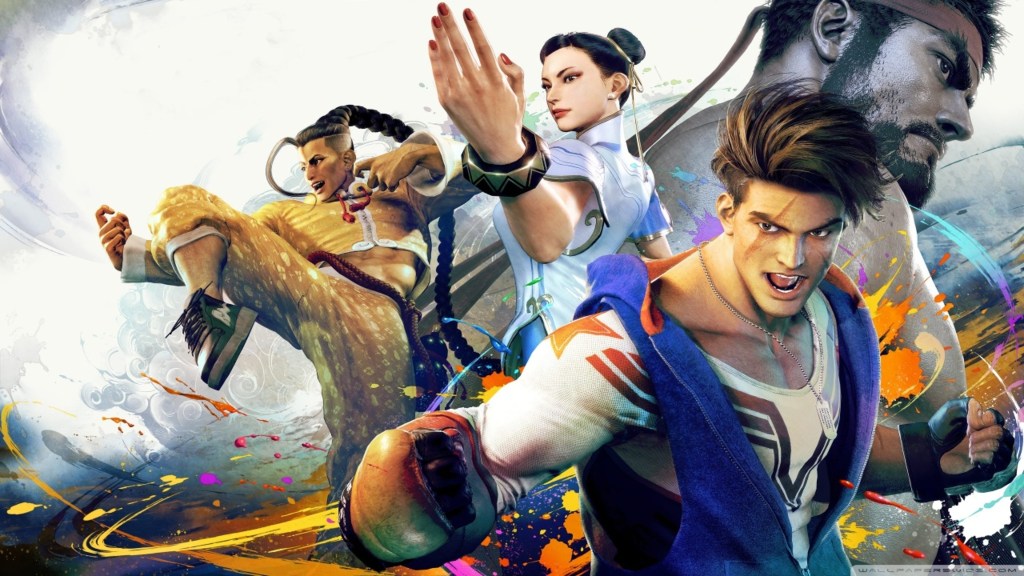
On March 13, 2026, the investment firm Electronic Gaming Development Company (EGDC) purchased a large amount of shares of Capcom, becoming a major shareholder in the development creators of series like Street Fighter and Resident Evil. This comes shortly after Street Fighter 6 reached 6.36 million sales back in December 2025, pacing ahead of its predecessor and being one of the most successful fighting games released in the last few years.
EGDC’s shares amount to around 5% of Capcom’s total assets, representing a huge investment in the gaming company as a whole. EGDC is not new to purchasing shares within gaming fields, as they are also responsible for buying portions of Electronic Arts (EA) and almost all of SNK, the company behind Fatal Fury: City of the Wolves, as well as other fighting game series like Art of Fighting, The King of Fighters, and more.

With roughly around 26,788,500 shares of Capcom bought by EGDC, the Saudi Arabia-based company joins the Saudi Public Investment Fund (PIF) as another group tied to Capcom. The PIF also owns around 5% shares, bringing the total shares from both groups making up 10% of Capcom as a whole. This represents a larger effort from Saudi Arabian crown prince Mohammed bin Salman, who owns EGDC as an investment subsidiary of the larger government.
Although initial statements argue that EGDC’s investments in Capcom are purely tied to profits and stocks from the company’s latest successes, there are fears it could be part of a larger endeavor. Much of Saudi Arabia’s gaming investments have been tied to cultural capital, with visions tied to changing global perception of the nation through the integration of its values into many gaming and esports-related fields. Heavy influence from these groups have already changed several series, meaning that Capcom IPs like Street Fighter and Resident Evil could be next.
Previous Influence Has Been Seen Through Other Fighting Games Through Company Ownership

The “sportswashing” influence of EGDC and other Saudia Arabia investment groups is heavily criticized by fans across multiple genres, mainly for how the influence of those groups is felt. One of the biggest games impacted has been Fatal Fury: City of the Wolves, produced by SNK, a company where EGDC bought 96% of their shares. Infamously, the latest Fatal Fury was given two guest characters in Cristiano Ronaldo and Salvatore Ganacci, two people connected to the Saudi Arabian crown prince.
Most fighting game guest characters are not real people, as they tend to be controversial at best. While Salvatore Ganacci was accepted over time, Ronaldo’s multitude of past scandals drew the ire of many fans, causing some players to skip out on buying Fatal Fury: City of the Wolves entirely. Companies like EGDC are also responsible for the newest Fatal Fury‘s use of generative AI for its Season 2 DLC trailer, which also created a sea of complaints from fans for the game’s marketing.
Fighting games of all kinds have been impacted through EGDC too, with the EVO tournament series having been recently purchased by the group. This series of competitive events is sponsored by a number of fighting game developers, including Bandai Namco, Arc System Works, and of course, Capcom. Much of the concerns players have about EGDC’s ownership comes from how they are tied to governmental efforts to diversify Saudi Arabia’s economy, which could extend the country’s divisive policies into the gaming landscape.
Other Financial Controversies Are The Biggest Obstacle To Street Fighter’s Continuing Success
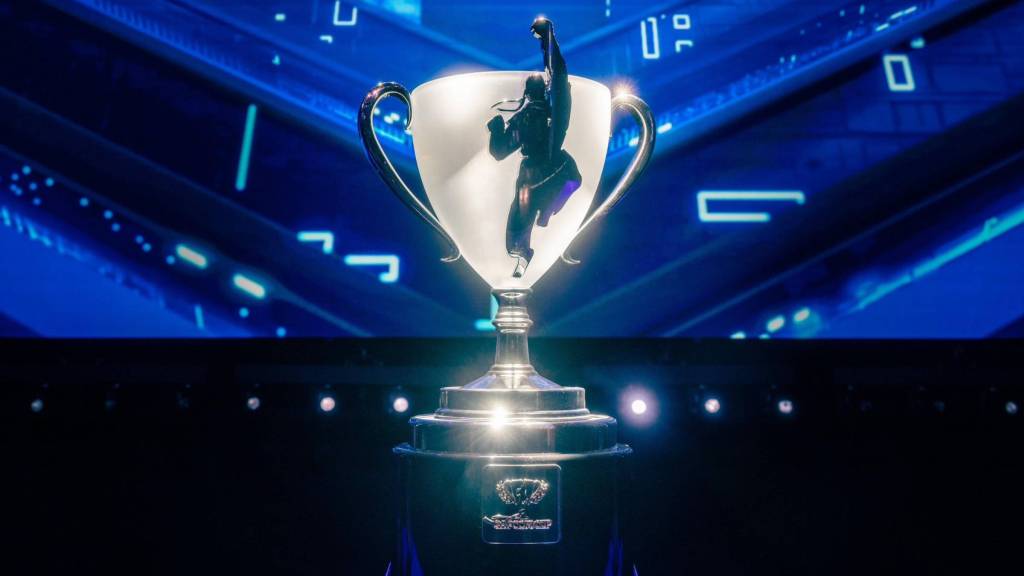
The acquisition of Capcom shares by EGDC are not the only financial hiccups the company has faced in the last week. The esports Capcom Pro Tour recently had its final event, the Capcom Cup, where the best Street Fighter 6 players in the world competed for a large cash prize and honors for their efforts throughout the year at multiple tournaments around the globe. However, for the first time, the finale of this events’ tournament bracket was locked behind a Pay Per View format, preventing a vast majority of an eager audience from watching it.

This decision was already controversial when announced, but became even more hated when Capcom’s only response was to reduce the PPV cost slightly. Some streamers were even banned for showing glimpses of the Capcom Cup 12 PPV finals, showing how much Capcom desired the event to be tied to profit. Despite all the excitement surrounding Street Fighter 6, this seems like a major step backward for fostering community and creating a larger group of dedicated fans who follow the game’s progress.
When combined with the EGDC shares purchase, this PPV choice paints an even worse look on Capcom. The company isn’t facing hardships with the hit games it’s been putting out lately, so these changes seem geared toward greedy corporation practices that could impact multiple IPs in the long term. Fans of Street Fighter may see this impact first, as the shifting nature of business decisions leads to more conflicts with what fans truly want.
What do you think about Capcom’s latest financial news? Leave a comment below or join the conversation in the ComicBook Forum!
Most Viewed
-

Image Courtesy of MAPPA -

Courtesy of Shueisha / Kadokawa / Square Enix / Shogakukan