The soulslike genre has grown into one of the most influential in all of gaming. Its mechanics and aspects have bled into other genres and practically taken over the action RPG genre. They are defined by deliberate combat, environmental storytelling, and punishing difficulty; it traces its roots back to titles like Demon’s Souls and Dark Souls. FromSoftware has emerged as the leader of the soulslike genre, and many of its titles are ranked among the best. This includes what many consider to be the best soulslike of all time.
Videos by ComicBook.com
On March 24th, 2015, FromSoftware released Bloodborne. It excels at everything a soulslike does: difficulty, atmosphere, world-building, and the ability to immerse players in a setting that feels both hostile and fascinating. More than a decade later, it remains widely regarded as the best Soulslike ever created, thanks to its unique setting, unforgettable design, and lasting influence on the genre. Yet, despite this, it has remained trapped in the past.
A Release That Redefined the Soulslike Formula
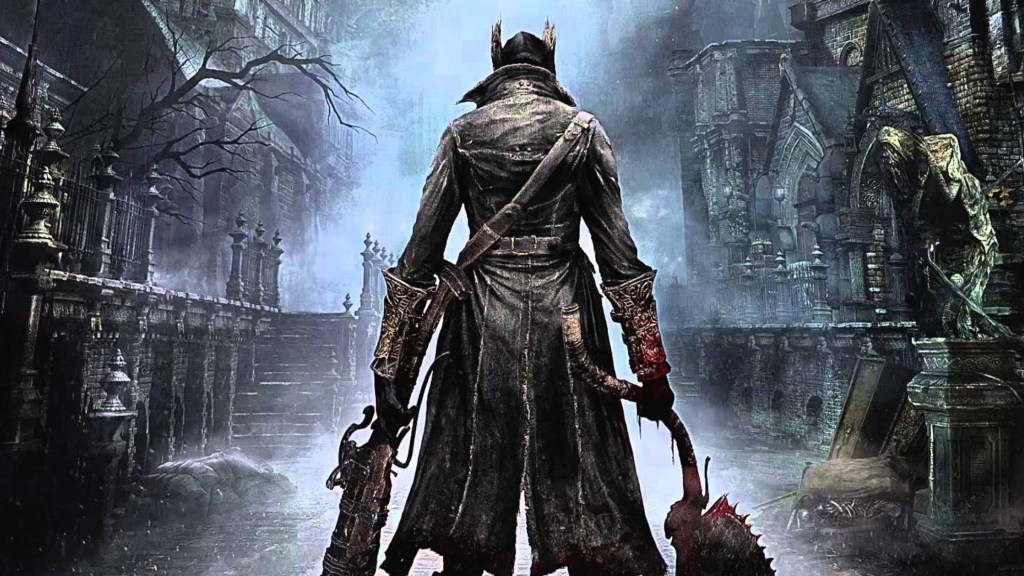
When Bloodborne launched in 2015, it built upon the foundation established by Dark Souls but made several key changes. Combat became faster and more aggressive, encouraging players to stay on the offensive rather than rely on defensive tactics. The introduction of the rally system allowed players to regain lost health by striking enemies quickly, shifting the rhythm of every encounter. This design philosophy made the game stand out immediately.
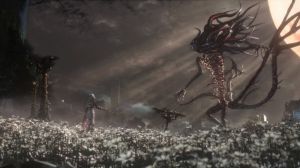
While combat was still deliberate and focused, Bloodborne brought more speed and aggression. Fights demanded precision and skill more than before, and even the very first werewolf players encounter feels like a challenge. Bloodborne helped redefine what soulslike combat can be, and it is directly responsible for FromSoftware’s journey to Sekiro: Shadows Die Twice. Elden Ring feels like a transition back to the Dark Souls formula, clearly showing the difference between the series.
From a personal perspective, the first few hours were overwhelming. The early areas are unforgiving, and the game offers little guidance. Yet that difficulty creates a sense of growth that soulslikes are famous for. Learning enemy patterns, mastering timing, and finally overcoming a tough boss creates a level of satisfaction that few other games can match. That loop is a major reason why fans love soulslikes, and why Bloodborne is considered one of the best.
Bloodborne’s World and Story Stand Apart
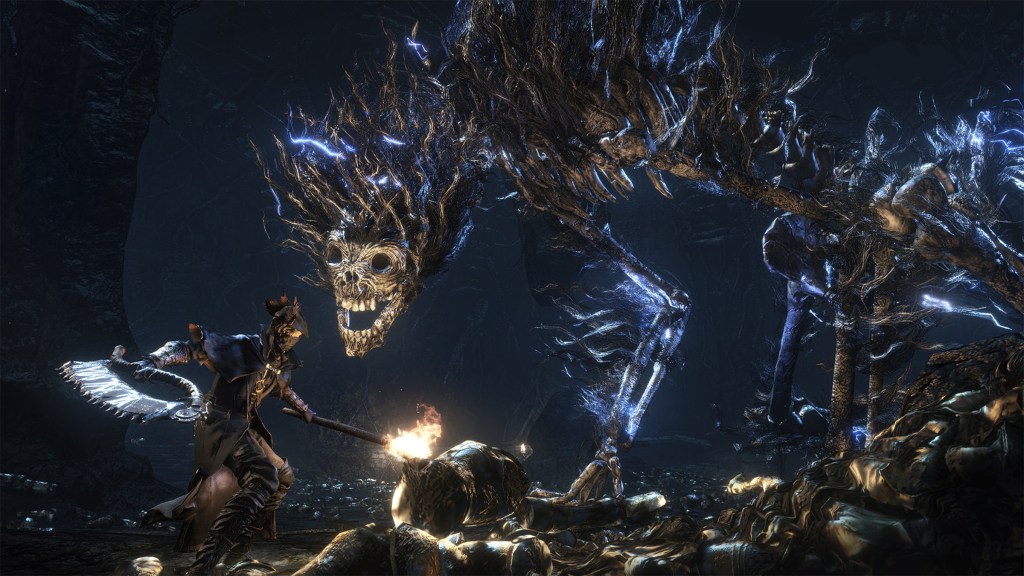
One of the strongest aspects of Bloodborne is its setting. The city of Yharnam draws heavily from Gothic architecture and Victorian-era design, creating an atmosphere that feels distinct from the medieval worlds seen in Dark Souls. The narrow streets, towering buildings, and dim lighting create a constant sense of unease. As players progress, the story reveals itself in subtle ways like other FromSoftware games. The narrative is delivered through item descriptions, environmental clues, and fragmented dialogue, encouraging players to piece together the story themselves.
What makes the story especially memorable is its shift in tone. What begins as a grim tale of disease and hunters evolves into something far more cosmic and unsettling. I never saw the twist coming on my first play-through, and it is why so many others and I love Bloodborne. Even years later, players continue to analyze its themes and hidden details, which speaks to the depth of its design.
Bloodborne is home to some of the most iconic moments in FromSoftware’s lineup. Bosses like Gehrman, Ludwig, and Lady Maria are incredible for their challenge, design, environment, and so much more. Learning the world’s lore, such as the Fishing Hamlet and the hanging corpses, still remains with me today. Then there is the unsettling nature of the Amygdala, always watching but not seen unless you meet the requirements. Bloodborne is so memorable and beloved because of moments like these.
Where Is Bloodborne Now?

Despite its lasting reputation, Bloodborne has never received a full remake or sequel. This is especially notable given that other titles in the genre, including Demon’s Souls, have been rebuilt for newer hardware. The demand for a modern version of Bloodborne is one of the most vocal points in gaming history, yet Sony and FromSoftware seem to have no intention of following through on this.
Part of this demand comes from the game’s technical limitations. While it performs well on the PlayStation 4, players often point out its frame rate and resolution compared to modern standards. A remake or remaster could address these issues while preserving the core experience that fans love. For many players, including myself, the idea of revisiting Yharnam with modern visuals and performance is incredibly appealing.
However, recent developments within Sony have made the possibility feel uncertain. Studio closures and shifting priorities have raised concerns about whether a project like this will ever happen. As a result, Bloodborne has become one of the most requested but least likely remakes in gaming. When FromSoftware revealed The Duskbloods, many assumed it was a sequel to Bloodborne, another highly requested game. When this turned out to be false, many fans felt disappointed, and it seemed to reinforce that the project was never to happen.
More than a decade after its release, Bloodborne continues to define what a soulslike can be. Its influence is still felt across the genre, and its legacy shows no signs of fading. Whether or not it ever receives a remake, it stands as one of the most important games of its generation. Fans will likely never give up hope on a remaster or true sequel, even as they replay that game time and time again. Bloodborne is a masterclass of a game, and one of the best aspects of the soulslike genre.
What do you think? Leave a comment below and join the conversation now in the ComicBook Forum!
Most Viewed
-

Image Courtesy of TOHO -

Image Courtesy of Crunchyroll