Players for popular simulation games can sometimes drop off after a time, but new inspiration can mark an audience’s return almost instantly. Sometimes, those sources of inspiration come from real-world events, where great achievements bolster groups of players to go back into games that require great levels of dedication and planning to succeed in. For one 2015 title, one such event has seen an all-time rise in players, reflecting the enthusiasm for detailed creativity sim games can often provide.
Videos by ComicBook.com
Survival and simulation games tend to have a lot in common, with both demanding a lot from players due to a wealth of systems and mechanics. Yet, simulation games can be extra challenging, as they provide fewer linear solutions to the obstacles players face. For example, a game like Microsoft Flight Simulator requires you to learn far more about controlling an airborne vehicle than a title like Battlefield or Halo ever would.
Kerbal Space Program Hits An All-Time Steam Record Following The Success Of The Artemis II
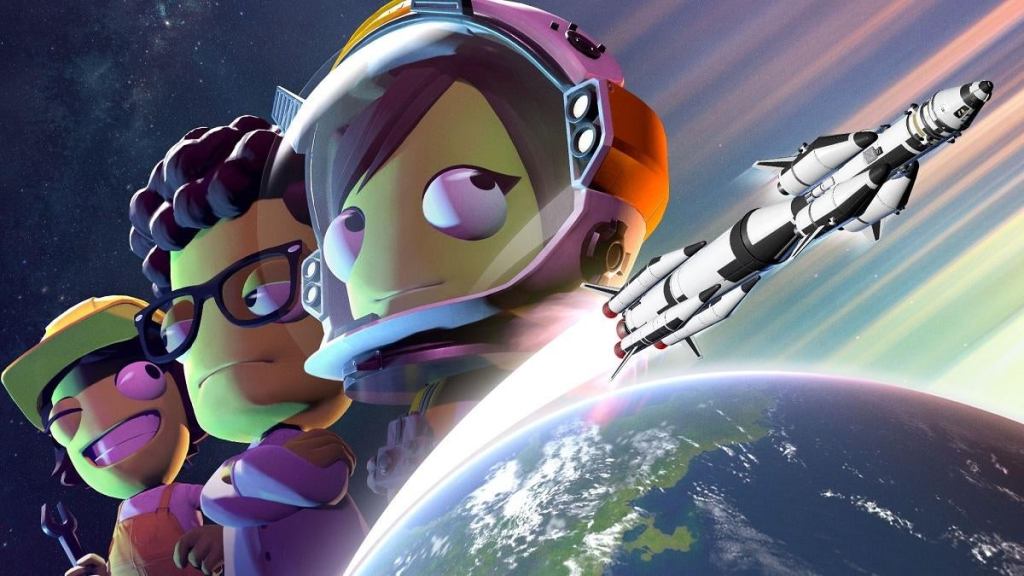
One of the biggest real-world events that has taken place is the successful journey of the Artemis II, the NASA-led expedition to the moon. This flyby was shared all across social media, with footage of the astronauts becoming viral sensations and reviving a wonder about space travel not seen in a long time. As a result, simulation games like Kerbal Space Program saw a huge resurgence, as players wanted to create their own lunar missions similar to the Artemis II’s.
Since being an astronaut is far too lofty of a goal for most people, Kerbal Space Program offers a simulation as close to the real experience as players can get. Since the launch of the Artemis II on April 1, 2026, Kerbal Space Program has reached 20,000+ concurrent players, smashing the game’s previous records by a wide margin. This number only grew more as the Artemis II continued its mission, although the game’s sequel didn’t see the same success due to its controversial reception from fans.
Long after Kerbal Space Program‘s development has ended, the game’s explosion of new and returning players comes right off a well-timed sale for the simulation title. For a small price, players are gathering together to carefully plan their own aerospace projects, going into meticulous detail for how to make their astronauts reach the same heights as the Artemis II. This revival of sorts only seems to be growing more and more with each passing day, even though the Artemis II’s mission ended with the safe return of its astronauts on April 10, 2026.
The widespread appeal of this game reflects not only a level of nostalgia for it, but also a fervor players have for well-crafted simulation titles with a level of creativity and challenge. In many ways, the revitalization of Kerbal Space Program was the perfect marriage of a cheap game, real-world events, and timing, but it also calls back to an era of games that are hardly seen anymore in the “modern” era of the industry.
After 11 Years, This Title Still Has Some Of The Most Immersive Simulation Mechanics Out There
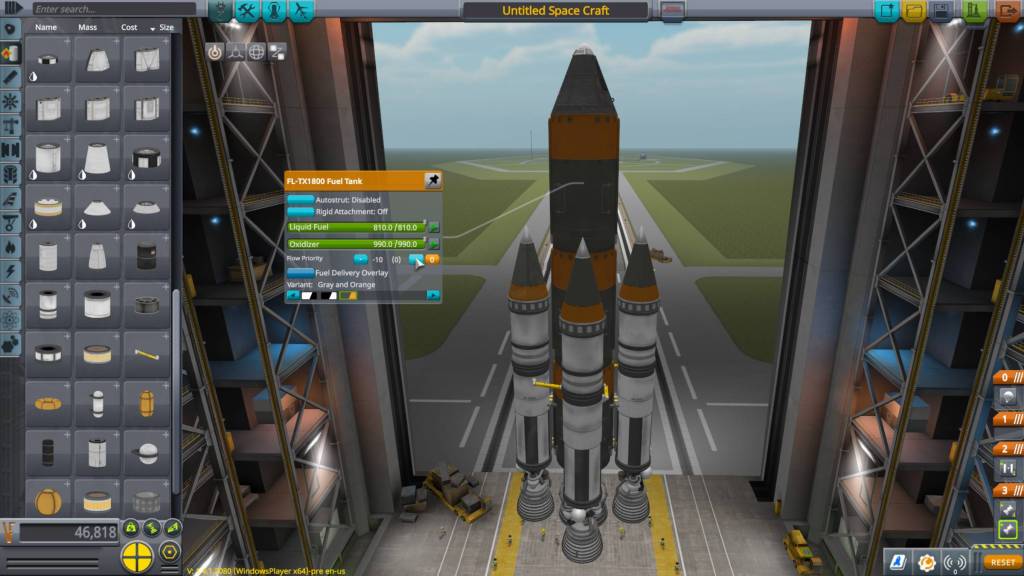
Building a rocket that travels to space in Kerbal Space Program is hard, even if you have a team of your friends hard at work trying to make elements of your vehicle work. Every aspect of engineering must be considered for your project to not end in explosive failure. This includes which parts you use to construct the rocket itself, to the amount of fuel it uses while traveling, to the intricate technical skill needed to pilot the rocket as it does begin to travel beyond Earth’s atmosphere.
Unlike other satirical simulation games, Kerbal Space Program doesn’t sugarcoat or simplify many of the mechanics that go into the rocket science needed to make space missions successful. While you won’t have to do complex math equations, there are several small details that could mean the difference between a clean trip or a fireball of consequences. Tutorials on how the game works are almost like collegiate lectures, with the finer points of the title requiring some degree of study to understand fully.
Despite all of these difficulties, there is almost no game as satisfying to figure out as this 2015 classic. Those who truly get how to play Kerbal Space Program with various friends and collaborators will tell you that the stress of launching a mission makes its success all the sweeter, making you feel like a real astronaut that the Artemis II could have inspired.
Will you be going back to the original Kerbal Space Program after seeing the Artemis II’s journey? Leave a comment below or join the conversation in the ComicBook Forum!
More Gaming
-

Image Courtesy of Dreamworks -

Image Courtesy of Electronic Arts -

Image Courtesy of Electronic Arts