While there are many genres of coming, it can be hard to trace exactly when some of them started or when they gained mainstream appeal. But for the genre that is all the rage today, there is a clear and definite game that put it on the map. 17 years ago, one Japanese studio boldly released a game that would shape action games from that moment on. Without this game, fans may never have seen the soulslike boom that has exploded and overtaken the gaming industry.
Videos by ComicBook.com
FromSoftware released Demon’s Souls on February 5th, 2009, and it would come to the US a few months later. It was a risky experiment from the studio and its publisher, Sony, but it paid off in ways that cannot be overstated. While it didn’t immediately take over the industry, Demon’s Souls would lead to the creation of Dark Souls and eventually Elden Ring, representing the next steps for the soulslike genre and its rise to popularity. Today, it seems like nearly every action RPG is influenced by FromSoftware’s original soulslike game.
We Wouldn’t Have a Soulslike Genre Without Demon’s Souls
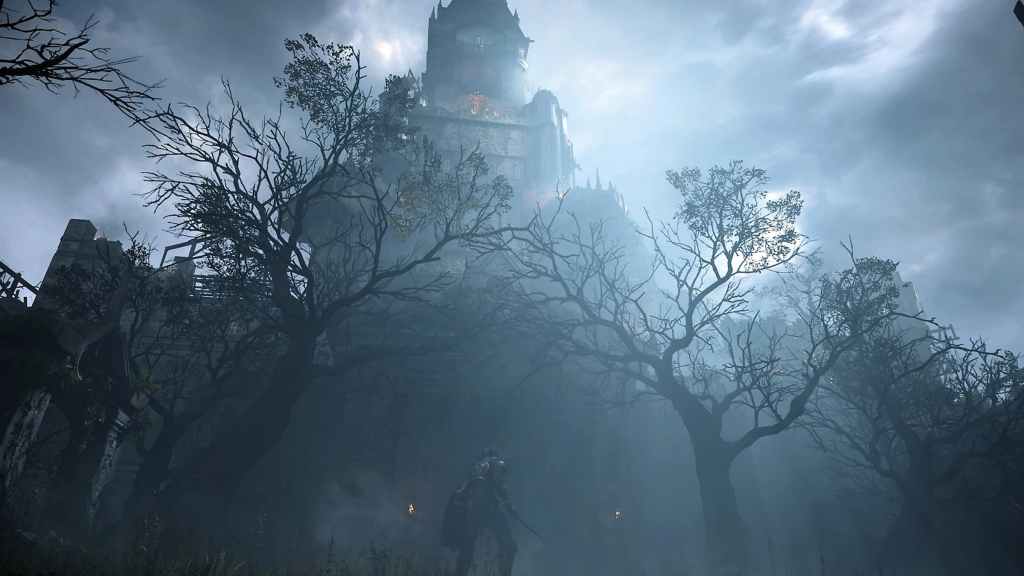
When Demon’s Souls arrived, neither Sony nor FromSoftware expected it to become an industry milestone. It was initially viewed as a niche RPG with experimental multiplayer elements and a steep learning curve. Yet players would quickly realize the thrill of its challenge and the demand for mastering its systems. The tight combat, deliberate animations, and punishing enemy design were all carefully built to teach players through experience rather than instruction. This design philosophy defined the soulslike genre before it even had a name and continues to do so today.

The core loop of pushing forward, learning from failure, and finally breaking through became addictive. It is easy to forget how radical this structure felt in 2009. Many games of the era leaned toward accessibility and forgiving mechanics, while Demon’s Souls embraced difficulty as a design tool. Its world tendency system, obscure weapon paths, and hidden NPC storylines created layers that players uncovered as a community over time. For many, this was their introduction to a game where online message boards, not in-game tutorials, provided essential guidance and lore.
As the game’s reputation grew, so did its influence. Dark Souls, its spiritual successor, followed soon after and evolved everything that made Demon’s Souls special. The success of the series sparked a wave of similar titles from other developers. Today, games like Elden Ring, Lies of P, Lords of the Fallen, Nioh, Wuchang: Fallen Feathers, and even 2D games like Hollow Knight and Blasphemous owe some part of their identity to the foundation FromSoftware built. Without Demon’s Souls, the soulslike genre as we know it simply would not exist.
The 2020 Remake Proved Demon’s Souls Still Has It
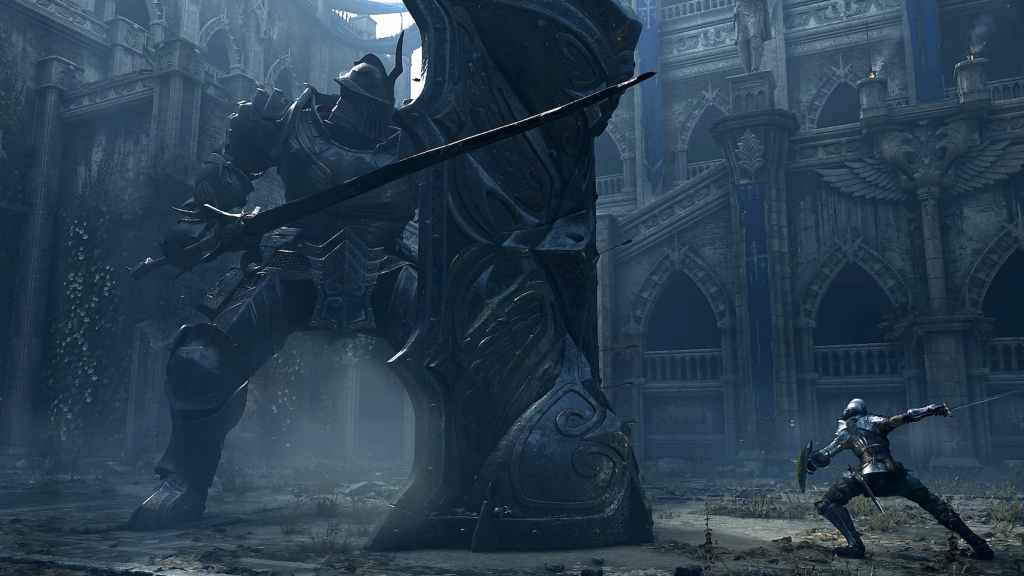
When Bluepoint Games released the Demon’s Souls remake in 2020 for PlayStation 5, it wasn’t just a visual upgrade. It was a test of whether the original design still held up, especially with players who had grown up on Dark Souls and Bloodborne. The result was confirmation that the core identity of Demon’s Souls remained timeless. Bluepoint reworked the visuals, rebuilt the environments, and modernized the audio, yet kept the combat, enemy behavior, and difficulty untouched, creating a perfect return for veteran players and an exciting new adventure for first timers.
Playing the remake felt like returning to a challenge, one that I’d beaten but forgotten. I still fell into the same traps, misjudged the same attacks, and felt the same rush of relief when surviving a boss with only a sliver of health. The commitment to honoring the original’s systems proved that its design still holds up against modern standards. Yet, it also felt like a modern game thanks to the additions and improvements Bluepoint had implemented.
The remake also revealed how ahead of its time the original game truly was. The atmospheric level design, asynchronous multiplayer messages, and risk-reward structure all translated seamlessly into a new generation. For many younger players, this was their first experience with Demon’s Souls. For veterans, it was a reminder of how far the genre has come while showing just how strong and iconic the foundational ideas always were. Few games can return after a decade and feel just as relevant as they did on day one.
The Soulslike Genre Is Only Going up From Here
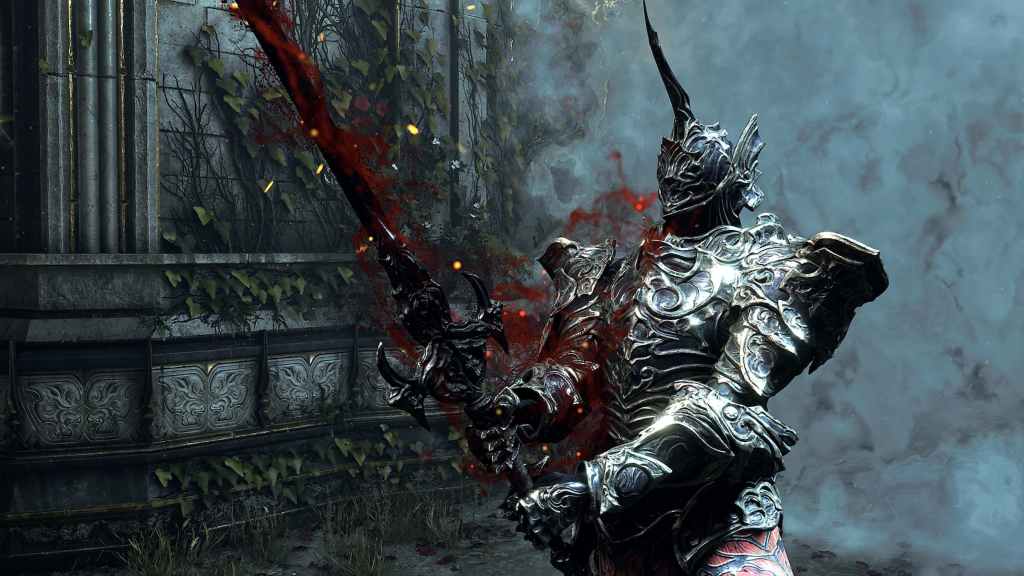
Seventeen years after the release of Demon’s Souls, the soulslike genre has grown into one of the most influential forces in gaming. Its impact spans multiple studios and styles, from indie 2D interpretations like Hollow Knight: Silksong to massive open-world epics like Code Vein 2. What makes this growth impressive is that the genre continues to evolve rather than stagnate. Modern soulslikes explore different settings, pacing, and mechanical twists, proving that the core philosophy still has room to expand.
The success of Elden Ring showed that these ideas can thrive in open-world spaces without losing their tension or identity. Games like Nioh introduced deeper combat systems, while titles such as Blasphemous applied the formula to side-scrolling action. The genre has become essential for players who crave challenge, discovery, and memorable boss encounters. Even studios outside the traditional action RPG space borrow elements from the formula, whether it be combat, world layout, or narrative design.
Looking to the future, the genre shows no signs of slowing down. New projects continue to be announced each year, and developers regularly cite Demon’s Souls as an inspiration. Its emphasis on learning, mastery, and atmosphere sets a standard that encourages creativity rather than imitation. Seventeen years later, the spark that began on February 5, 2009, is still burning brightly, fueling a genre that millions of players now consider one of gaming’s greatest.
What do you think? Leave a comment below and join the conversation now in the ComicBook Forum!
Most Viewed
-

Image Courtesy of Netflix -

Image Courtesy of Toei Animation -

Image Courtesy of Hulu