Japanese role-playing games have long been some of the most acclaimed titles in gaming. But nothing proves this like the 2000s era of games. New hardware allowed for cinematic storytelling, voice acting became the norm rather than a novelty, and developers were finally able to explore themes that went far beyond simple good-versus-evil fantasies. It was a golden age where JRPGs weren’t just popular but shaping how players thought about narrative, character growth, and emotional investment in games. Few titles proved this more than Final Fantasy X and Persona 3.
Videos by ComicBook.com
But there was another title that was equally impressive, and came from a long-running series. In fact, Tales of the Abyss was the strongest entry in the series. Compared to Final Fantasy X and Persona 3, though, it never achieved the lasting success of these JRPGs. And that’s a shame, because in terms of storytelling ambition, character development, and mechanical innovation, it absolutely deserved to stand alongside them.
Tales of the Abyss Was One of the Best JRPGS of Its Time
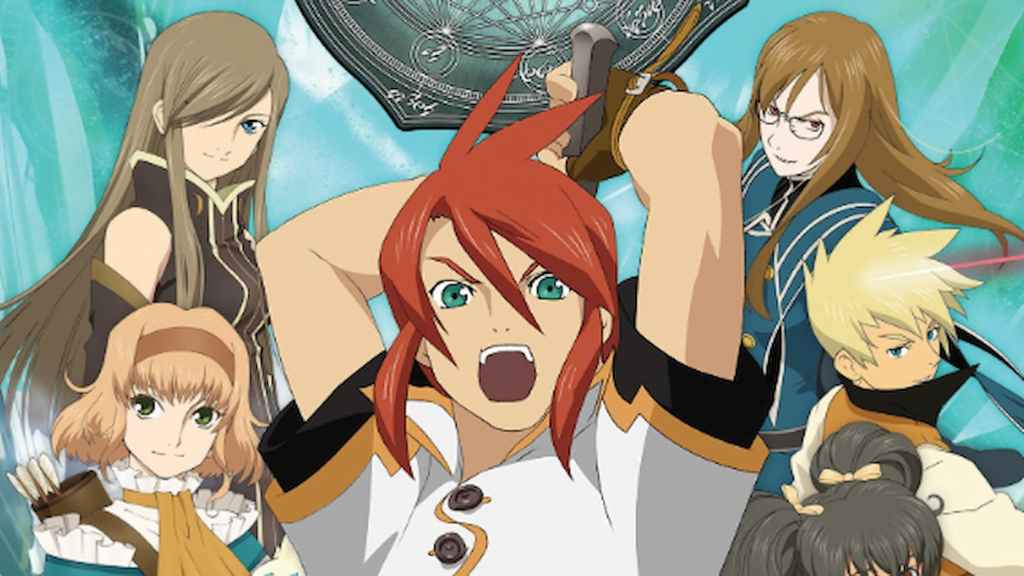
What sets Tales of the Abyss apart, even two decades later, is its commitment to character-driven storytelling. At its center is Luke fon Fabre, a protagonist who begins the game deeply unlikeable: spoiled, arrogant, and ignorant of the world around him. Instead of smoothing those edges, the game leans into them, allowing Luke’s flaws to define the narrative’s emotional arc. At the time, it reminded me of Final Fantasy VII’s Cloud, who, although incredibly cool and popular, came off as a bit of a jerk.

This approach was risky at the time, but it paid off. Luke’s transformation is one of the most convincing redemption arcs in JRPG history. His growth feels earned, painful, and deeply human, supported by a cast of party members who challenge him rather than excuse his behavior. Themes of identity, responsibility, and self-worth are woven tightly into the plot, making the story resonate long after the credits roll. Few games have shown such deep character development, even today.
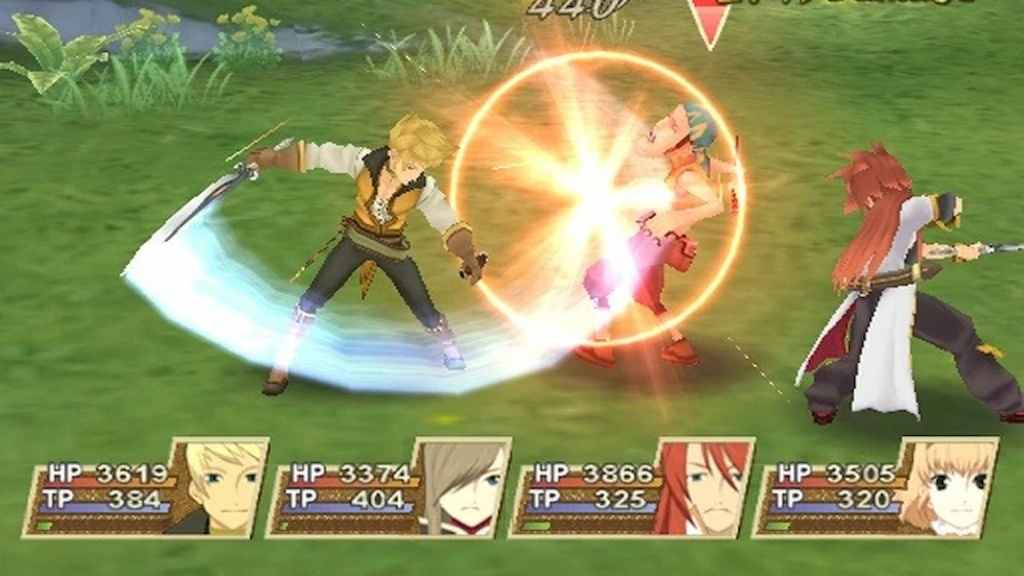
Mechanically, Tales of the Abyss also pushed the series forward. The Free Run system added a new layer of mobility to combat, while the Field of Fonons introduced elemental strategy that rewarded positioning and experimentation. These ideas influenced later Tales games and helped define the franchise’s modern identity. Even today, the combat feels fluid, expressive, and distinct from turn-based contemporaries like Final Fantasy X and Persona 3.
An Incredible Title Overshadowed by Giants
Despite its strengths, Tales of the Abyss arrived in an incredibly competitive era. The PlayStation 2 was home to some of the most iconic JRPGs ever made, and giants like Final Fantasy, Kingdom Hearts, and Persona dominated the conversation. Compared to those franchises, Tales simply didn’t have the same global visibility or marketing reach to compete with such already established and emerging titles. Even considering its previous successes, the series was still niche in the West.
There was also the matter of timing. Final Fantasy X had already redefined cinematic JRPG storytelling, while Persona 3 would soon revolutionize the genre with its social systems and modern setting. Tales of the Abyss sat between these cultural shifts, innovative but not revolutionary enough to capture mainstream attention in the same way. With so many groundbreaking games releasing around the same time, it was harder than ever to stand out.
Additionally, the game’s tone may have worked against it. Tales of the Abyss is dense, philosophical, and often bleak. It asks players to grapple with moral ambiguity, existential dread, and the consequences of blind obedience. While these themes are now celebrated, they were harder sells in an era when many JRPG fans still expected lighter escapism. Tales of the Abyss was doomed to repeat this lesson that Xenogears first showed, proving that even incredible games need to have proper timing.
Two Decades Later, Tales of the Abyss Has to Get a Remake

With its 20th anniversary arriving, the timing couldn’t be better to reintroduce Tales of the Abyss to a new generation. A full remake, or even a high-quality remaster, could finally give the game the recognition it has long deserved. Modern hardware could elevate its anime-inspired visuals, refine combat flow, and deliver voice performances that better match the emotional weight of the script. We’ve seen older titles like Final Fantasy Tactics and Trails in the Sky Chapter 1 claim major success with remakes, and I believe Tales of the Abyss could do the same.
More importantly, today’s JRPG audience is far more receptive to morally complex narratives and flawed protagonists. Games like Persona 5, Final Fantasy XVI, and NieR: Automata have proven that players are hungry for stories that challenge them emotionally and philosophically. In that landscape, Tales of the Abyss wouldn’t feel like an outlier but right at home. Especially on the heels of Clair Obscur: Expedition 33, one of the most successful games of all time and one heavily influenced by classic JRPGs.
Bandai Namco has already shown a willingness to revisit the Tales legacy with remasters and anniversary celebrations. Giving Tales of the Abyss the same care afforded to other classic JRPGs could finally cement its place among the best JRPGs. There have been rumors of a remake, and many are hoping these rumors will come to fruition after Tales of Berseria Remastered releases next year.
Even without mainstream acclaim, Tales of the Abyss has left a lasting mark. Its influence can be seen in later Tales titles, its characters remain beloved by fans, and its themes still spark discussion 20 years later. As the JRPG genre continues to evolve, it’s worth looking back at the games that helped shape it, especially the ones history didn’t fully celebrate. Tales of the Abyss isn’t just a great Tales game. It’s a great JRPG, full stop. And if it had received the same spotlight as its contemporaries, there’s little doubt it would be remembered as one of the defining titles of its era.
What do you think? Leave a comment below and join the conversation now in the ComicBook Forum!
Most Viewed
-

Courtesy of Sony Pictures Animation / McDonald's -
Courtesy of Sony Pictures Animation / McDonalds -

Images courtesy of Warner Bros. Pictures -

Image Courtesy of Netflix -

Image courtesy of The Pokemon Company -

Image Courtesy of Marvel Comics