Surprisingly, the Watch Dogs games are still considered a crucial IP for studio Ubisoft, at least according to company CEO Yves Guillemot. This is somewhat surprising, as the Watch Dogs series has been completely dormant since 2020’s Watch Dogs: Legion. Although the sandbox approach of Legion was received moderately well, many fans have expected Ubisoft to drop the franchise, but according to some reports, a reboot of the series could be in the works.
Videos by ComicBook.com
Ubisoft’s plans surrounding Watch Dogs came into light somewhat after Guillemot was asked directly why Watch Dogs wasn’t listed in org charts for the company for their new creative houses and teams within the studio. According to the CEO, “It’s [Watch Dogs] not expected to [be] put…in a creative house for the moment before it’s potentially remade. This means there is likely no plans for a potential Watch Dogs 4 following the events of Legion, but rather a structural reset of the IP that may see an existing creative house rebuild the original title that started the series.
Watch Dogs May Get Remade After Ubisoft Declares The Series An “Important Brand” For The Future
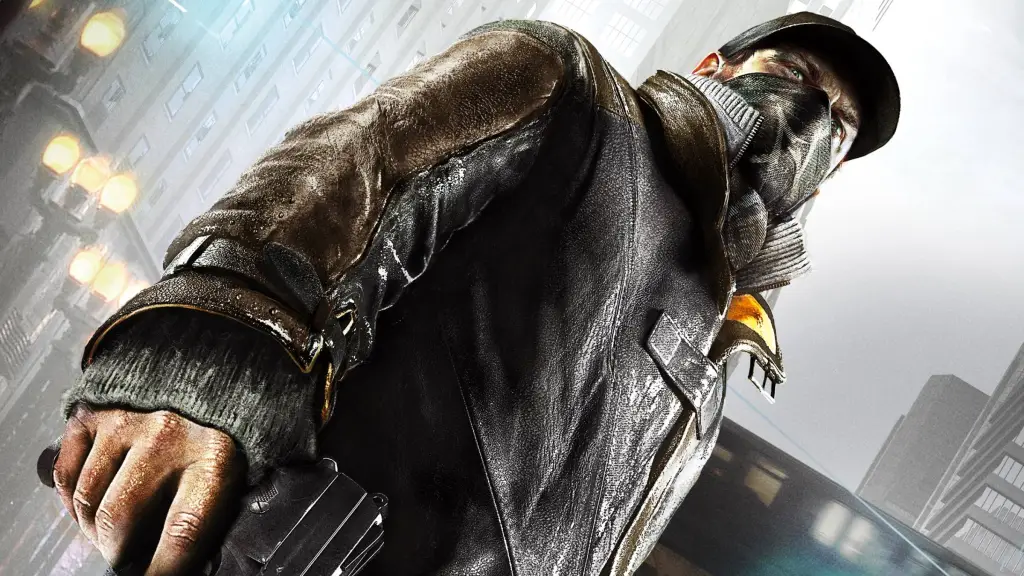
The same report that talked about Watch Dogs getting remade also featured other comments where Guillemot said the game was “still a brand that we consider to be an important brand for the future.” This reinforces the idea of some type of reboot, likely a remake or remaster of the first Watch Dogs rather than a continuation from its last title. This decision comes during a time where the only media Watch Dogs is involved in is a live action movie announced sometime in 2024.
With little to no news on that project in a couple years, the CEO’s comments during the Ubisoft annual meeting are the biggest proof to the IP’s continued existence, at least internally. Released originally back in 2014, Watch Dogs was meant to be a really advanced action-adventure experience, where players could hack into nearly anything of the world to disrupt technology in an open-ended sandbox. The teaser trailers for this game back in 2012 generated tons of excitement, as the game looked like a more detailed Grand Theft Auto focused more on corporate espionage rather than chaotic gunplay.
However, Watch Dogs released with tons of problems, despite selling 10 million copies rather quickly. The graphical quality of the game promised at its E3 2012 tease showed hyper-realistic visuals, which were significantly downgraded for the actual game. Without the atmospheric lighting and realistic crowds that drew players into the potential sandbox, the game felt largely like a failed promise. The fact that these visuals were artificially disabled by Ubisoft for no apparent reason only made matters worse, tarnishing Ubisoft’s reputation in a way that the company still hasn’t fully recovered from.
The First Watch Dogs Game Was An Unfortunate Disappointment Despite Enticing Promises
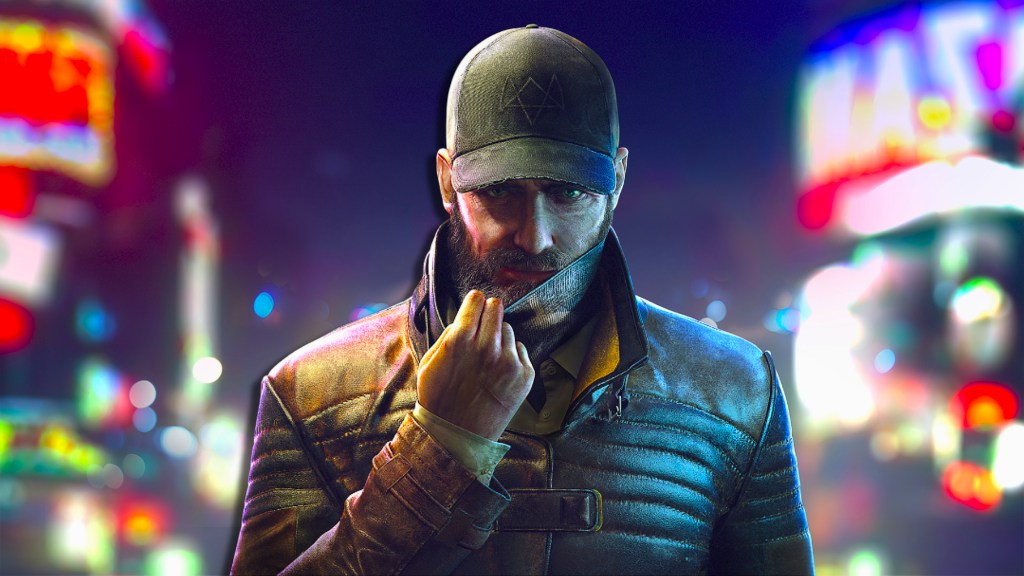
Beyond just the failed graphics that were withheld, Watch Dogs was also plagued with other launch issues that continued to put the IP into a precarious position. There were countless performance problems, from huge framerate drops, stuttering, and even crashes on the most advanced hardware possible. The UPlay servers at the time were also frustrating to deal with, with Ubisoft’s store front and login platform having a myriad of players locked from experiencing Watch Dogs day one. For almost multiple days, players simply couldn’t access Watch Dogs in any way, due to the servers being grossly unprepared for the high traffic.
The overhyped nature of Watch Dogs extended to its sequel too, which many players hoped would solve the problems the first title had. That being said, a more punk-rock and rebellious teenager tone of Watch Dogs 2 was not quite the grounded, corporate sabotage angle that players liked about the original Watch Dogs‘ aesthetic. While Watch Dogs: Legion got back to these roots somewhat, the innovations of that title weren’t enough to bring back fans who’d lost faith in the IP since Watch Dogs 2. In the end, Watch Dogs‘ original premise was built on connectivity through in-game technology, but the final product was shallow and not nearly as engaging as players wanted.
New Technology & Gaming Advancements Can Help Watch Dogs Live Up To Its Potential
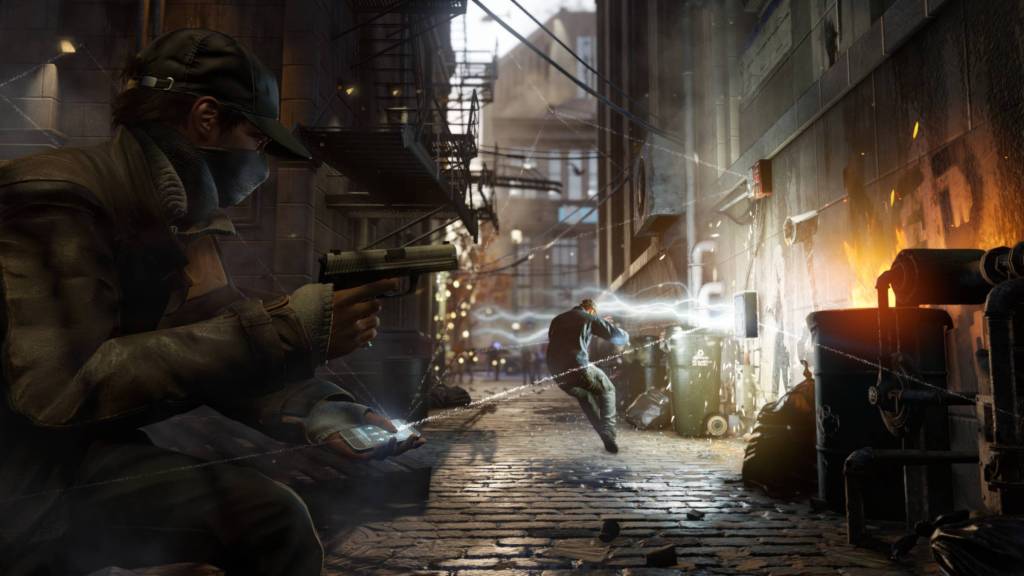
With GTA 6 pushing the boundaries of what’s possible in a larger world sandbox, the landscape of gaming 12 years after Watch Dogs‘ release is so much different. The graphics and performance problems of the original game could be solved entirely through the remake Ubisoft is hinting at, with the studio taking all the hindsight from the original game’s criticisms and delivering on the product players once desired. Hacking gameplay could be much deeper, the espionage angle could be doubled down on, and that E3 2012 teaser might finally be the reality of the game itself.
Using something like Unreal Engine 5 to improve graphics could combine with modern systems that could handle the workload of large crowds and interconnected gameplay features. As we see now with games like Cyberpunk 2077 or GTA 6, the means to make Watch Dogs is there, without the limitations of past console generations. For Ubisoft, this could be a chance to right a colossal wrong, reviving the Watch Dogs series in a big way before its live action counterpart.