March is an extremely busy month for both games and RPGs in general. Of course, if, like me, you’re inundated with an all-consuming backlog, this is somewhat bad news. For everyone else, it is a time for celebration, especially those with an affinity for the engrossing adventures found only in the RPG genre. Indeed, while the best RPGs of 2025 will forever be heralded as some of the greatest in the genre, 2026 seems set to surpass even their excellence with its slew of highly anticipated gems. We’ve already been treated to a handful of inarguably excellent titles, including the wonderful remake of Dragon Quest 7, but there are many more to look forward to, including in the very near future.
Videos by ComicBook.com
Some of the greatest RPGs releasing in 2026 may very well be worth putting whatever game you’re currently immersed in on the back burner, as their vast worlds, intricate design, and sprawling narratives look set to offer genre-defining experiences. Indeed, one such RPG is the upcoming Dread Delusion, a title that takes inspiration from the likes of Morrowind and other Elder Scrolls games, as well as Lovecraftian horror. While it may not have the flashy visuals and epic scope of Crimson Desert, which is set to release a mere two days after it, Dread Delusion has a lot to offer fans of the RPG genre and those looking for their next adventure into a strange and beguiling land.
Dread Delusion Continues To Grow The Scrolls-Like Genre
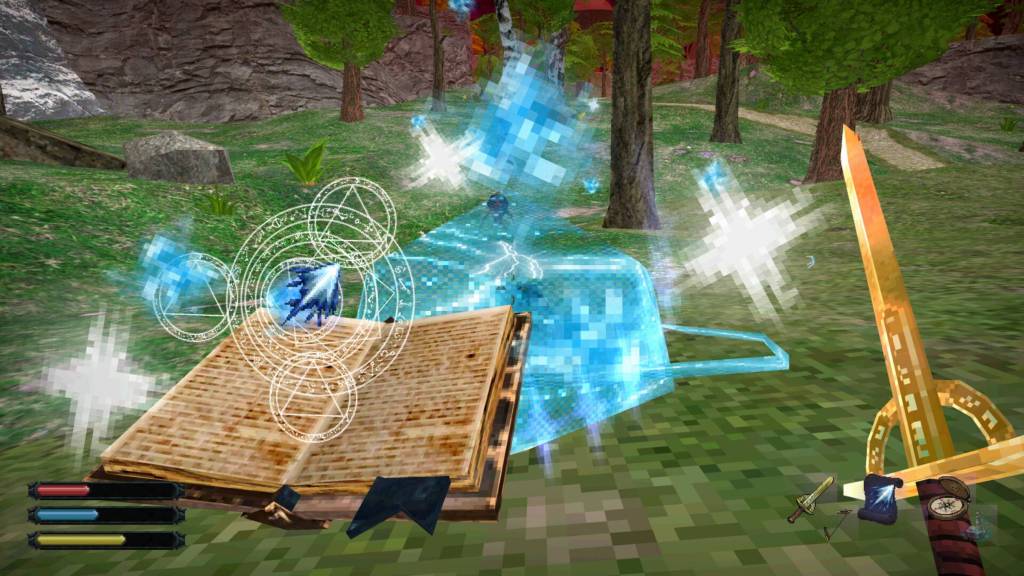
For a little while, it felt as if the Elder Scrolls series dominated the RPG genre, enrapturing players with its effortlessly beautiful worlds and intricately detailed design. Nothing could touch its sense of scale, ambition, and atmosphere, if only due to financial concerns. Building a game as big and engrossing as Skyrim would take a considerable budget, at least back in the 2010s, and so it was off the cards for most developers, AAA or otherwise. Fortunately, times have changed, development tools have become increasingly accessible, and those who grew up playing the greatest RPGs of the 2000s, Morrowind and Oblivion included, are now creating games.
That’s how we ended up with the Scrolls-likes, games that aim to capture the tone, level of immersion, and scale of the Elder Scrolls franchise while putting their own spin on the iconic formula. The most prolific of these games is Tainted Grail: The Fall of Avalon, a sprawling AA title that perfectly replicates the very best aspects of the Elder Scrolls experience and, in many ways, supercedes it. However, within the indie scene, Dread Delusion has been slowly garnering a healthy fanbase, first by launching on Steam to extremely positive reviews, and now on console on March 17.
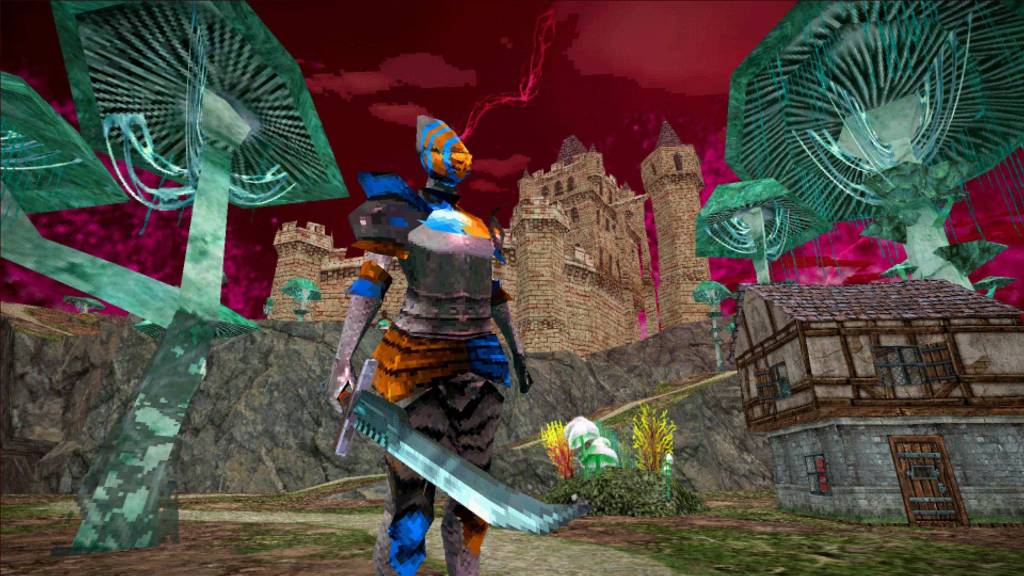
I suspect that Dread Delusion’s move to console will be a lot of people’s first exposure to the immensely inspired RPG, which is why it is so incredibly important to spotlight it before it is inevitably buried beneath the megalithic weight of Crimson Desert and the unruly discourse surrounding it. That’s not to say that it didn’t make a remarkably good first impression on PC, as its utterly inspired design offers one of the most engrossing open-world RPG experiences that I and many others have enjoyed in quite some time. Much like Tainted Grail, Dread Delusion feels like an elevation of the core Elder Scrolls formula, rather than an imitation; its hauntingly beautiful world and dedication to making each region of the game’s sprawling yet ultimately manageable world feel distinct and packed with secrets to uncover.
Dread Delusion evoked such a satisfying and rare sense of wonder and joy in me, even in moments of unease, as I contended with its flurry of bizarrely designed creatures and fretted over every choice. There are so many moments of exceptional elation, such as when I first got my hands on the airship, and suddenly an entire dimension of the world that had once felt like background detail became completely accessible. It is an exceptionally unique take on the Elder Scrolls formula, one that feels like it deviates from the expected at every turn yet never abandons the core tenets of discovery, wonder, and adventure.
We Need More Games Like Dread Delusion On Console
Aside from the fact that more people get to experience this masterclass in open-world design, Dread Delusion’s move to console, including the Nintendo Switch 2, is an incredibly important one. Crucially, it marks the continued effort to bring more of these indie open-world RPGs to the mainstream, lifting them from the often overlooked crevices of Steam’s monolithic library and onto slightly more curated platforms. It is an important task, as there are still countless games akin to Skyrim and its ilk that are exclusive to PC, which I suspect many people will miss out on as a result.
I feel like the Nintendo Switch, especially, would greatly benefit from many of these PC-exclusive titles, as the likes of Gedonia and Ardenfall could help expand its fairly measly offering of truly open-world RPGs. Of course, one could argue that console players should simply dip their toes more in the world of PC gaming, especially via Steam’s endless library of hidden indie gems. However, while handheld PCs are making that transition somewhat easier, it is an expensive jump to make. I’d also argue that many would feel it isn’t worth it either, as the stigma around indie games has yet to be completely dispelled, despite many of gaming’s greatest experiences falling well and truly within the indie space.

So, it is incredibly important that more games like Dread Delusion manage to make the leap, as it helps diversify art across all platforms and ensures that those stuck on console have easy access to some of the best Scrolls-likes ever made. That greater exposure and improved sales will mean more games like Tainted Grail, Dread Delusion, and Ardenfall will be created, and the formula that once solely underpinned the Elder Scrolls games will be expanded upon in meaningful and innovative ways. If that innovation should grow to the mainstream, then it could inspire Bethesda to do better with the upcoming, but seemingly eternally distant, Elder Scrolls VI. At the very least, the more indie open-world RPGs we have in the vein of Bethesda’s legendary series, the better, as it is a severely underrepresented sub-genre that is in dire need of bigger and better experiences akin to Dread Delusion.
Will you be checking out Dread Delusion later this month? Leave a comment below and join the conversation now in the ComicBook Forum!
Most Viewed
-

Image via Prime Video -

Courtesy of Toei Animation -

Courtesy of Lionhead Studios