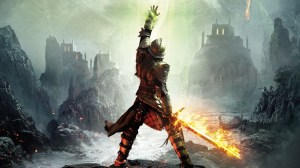
Roguelikes are usually defined by their gameplay loops. Fast combat, randomized runs, escalating difficulty, and endless replayability tend to take priority over storytelling in the genre. Players return again and again because each run feels slightly different, and mastering systems becomes incredibly addictive over time. For years, many roguelikes treated story mostly as background flavor rather than a central focus. That approach worked for many games, but it also created a reputation that roguelikes could not deliver strong narratives alongside their deep mechanics.
Videos by ComicBook.com
Over the last decade, roguelikes have begun putting more work and emphasis on their stories. The genre’s incredible gameplay systems are paired with emotional storytelling, memorable characters, and worldbuilding that evolves naturally through repeated runs. Death becomes progression rather than a setback and propels the story forward. These five games show that roguelikes can deliver moving narratives while still embracing what makes the genre what it is.
5) Slay the Spire
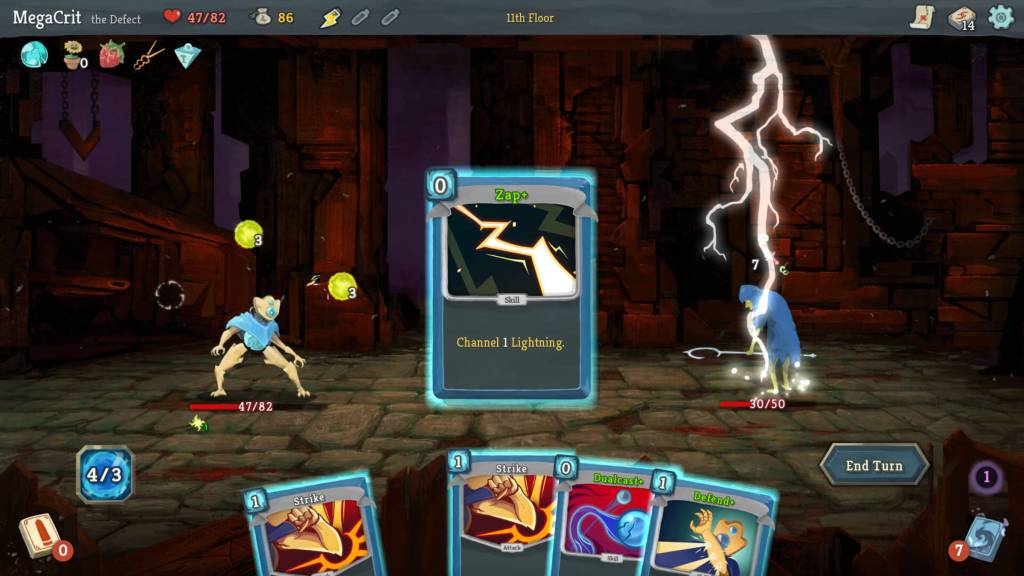
Slay the Spire, at first glance, does not seem to contain much of a story. However, Mega Crit’s deckbuilding roguelike hides its narrative behind the strategic gameplay, endless replayability, and genre-defining combat systems. Those who look deeper into the game’s quiet atmosphere and environmental storytelling will uncover the lore surrounding the Spire, its inhabitants, and those looking to climb it. In this way, the game never overwhelms players with lengthy cutscenes or exposition dumps, but instead builds intrigue gradually through encounters, lore hints, events, and enemy design.
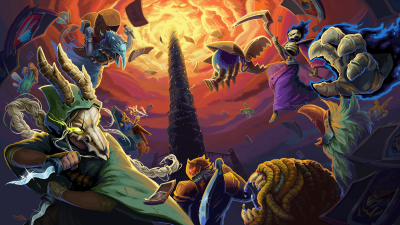
The world feels ancient and mysterious in ways many roguelikes struggle to achieve. Every floor introduces strange factions, corrupted beings, and surreal imagery that imply far more history beneath the surface. The merchant, the whale Neow, and the bizarre relic descriptions all contribute to an atmosphere of mystery that encourages interpretation. Every run feels like uncovering another small piece of an unknowable world, allowing players to connect the dots themselves in a way that feels similar to FromSoftware’s storytelling methods.
For those who want to know more, Mega Crit has given players the tools to uncover Slay the Spire’s secrets, but it isn’t mandatory to enjoy the game. The sequel, Slay the Spire 2, only enhances this and provides more context behind the Spire. Roguelike fans are missing out if they simply pilot Slay the Spire like a deckbuilder without stopping to discover the world’s secrets, especially its characters and their backstories.
4) Returnal
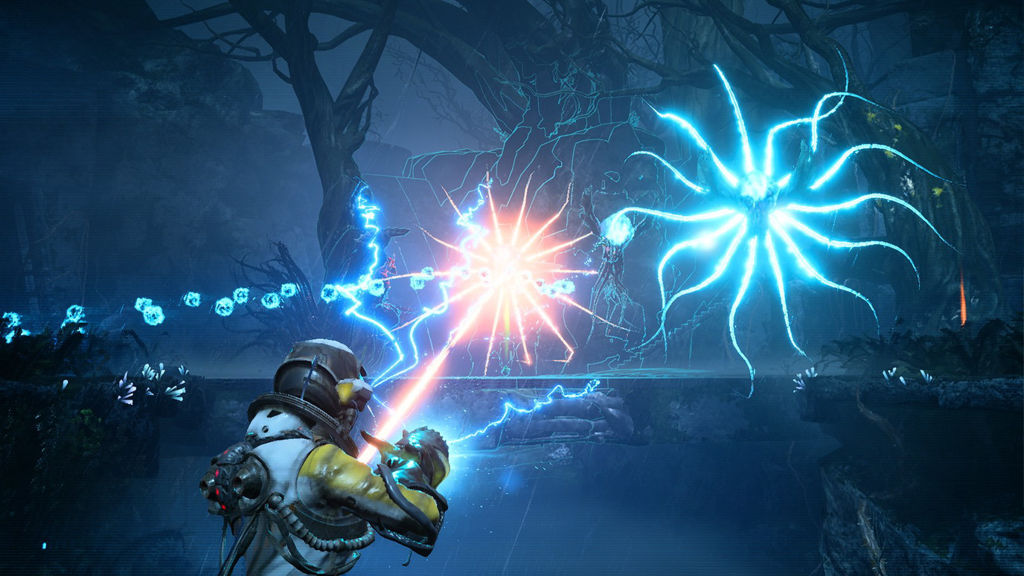
Housemarque’s Returnal demonstrated that roguelikes could support large-scale cinematic storytelling without sacrificing mechanical depth. Released originally for PlayStation 5, the game combines fast third-person shooter combat with psychological horror and an emotionally devastating narrative. Players control Selene, a space pilot trapped on the hostile alien planet Atropos in an endless cycle of death and resurrection.
Every time she dies, the world changes, forcing players to adapt while slowly uncovering the truth behind the time loop. This ties directly into Returnal’s story, and works so well because the roguelike structure directly supports Selene’s mental state. Repetition, confusion, and fragmented memories all become part of the experience mechanically and narratively. Few roguelikes use their gameplay loop this effectively to reinforce themes of grief, trauma, and obsession.
Atmosphere plays a huge role as well. Atropos feels lonely and oppressed throughout the entire game. Audio logs, environmental storytelling, and surreal house sequences gradually reveal more about Selene’s past while maintaining an unsettling sense of uncertainty. Returnal remains one of the most emotionally exhausting roguelikes, but in the best way possible. Every breakthrough felt rewarding because the game made failure and persistence such an important part of the narrative experience itself.
3) Inscryption
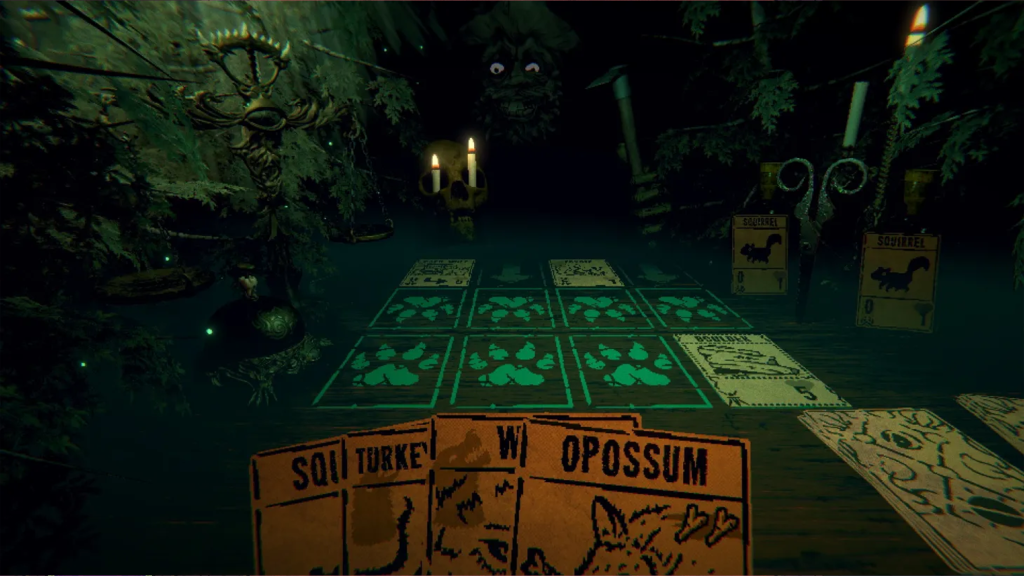
Inscryption skirts the line of roguelike, but certainly deserves this tag. Developed by Daniel Mullins Games, the roguelike deckbuilder quickly became famous for its unsettling atmosphere and constant genre shifts. What begins as a seemingly straightforward roguelike card game evolves into something far stranger and more ambitious thanks to its framing, one of its greatest strengths. Sitting across from the mysterious Game Master inside a dark cabin creates immediate tension, and the physicality of interacting with the room itself makes the world feel far more immersive than many card games.
Narrative progression constantly changes player expectations. Inscryption repeatedly transforms its mechanics and presentation in ways that directly tie into its themes surrounding games, control, and hidden information. Few roguelikes feel this structurally inventive, and it leaves players uncertain of what would happen next. Even outside the card gameplay, every new discovery felt exciting and unsettling simultaneously, especially the live-action sequences that played a major role in the narrative.
Its success proved indie roguelikes could still surprise players despite the genre becoming crowded. Many roguelikes focus almost entirely on progression systems, but Inscryption succeeded because it prioritized mystery and experimentation just as heavily as mechanics. By offering such a strong focus on storytelling and atmosphere, Inscryption achieved major success. So much so that the developers later added a dedicated roguelike mode to the game in a post-launch update.
2) Hades
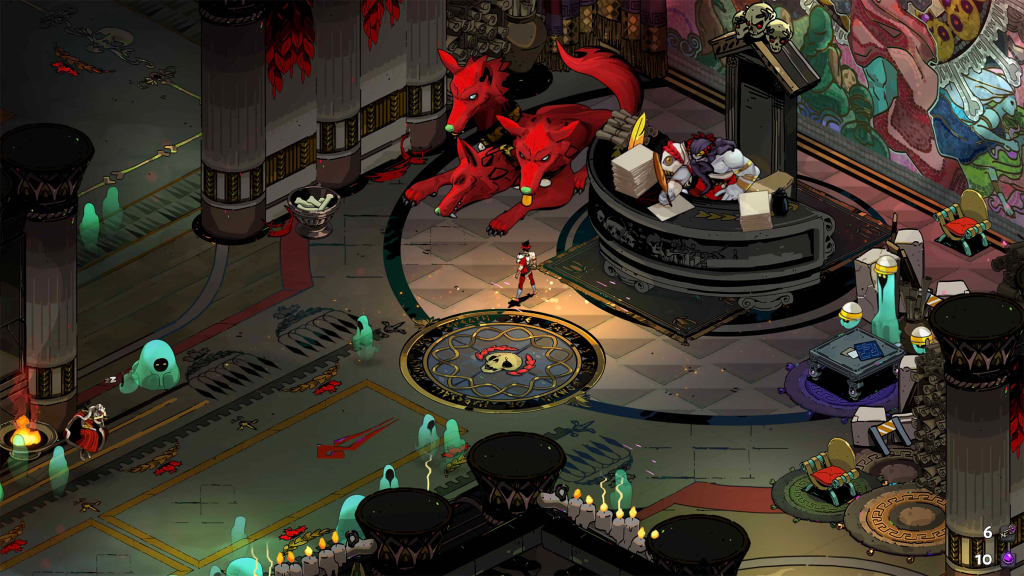
When discussing roguelikes with great stories, Hades is one of the most important. Supergiant Games took everything players loved about roguelike progression and integrated it directly into the narrative in ways few games had attempted before. The star of course is Zagreus, son of Hades, who attempts to escape the Underworld using powers granted by the gods of Olympus. Death sends players back to the House of Hades, where conversations, character development, and story progression continue naturally.
That structure completely changed how many players viewed roguelike storytelling. Instead of treating failed runs as interruptions, Hades made them essential parts of the experience. Characters reacted dynamically to deaths, bosses commented on repeated encounters, and relationships evolved gradually across dozens of runs. These moments excel thanks to the incredible writing and voice acting throughout. Every character feels distinct, from Zagreus himself to gods like Dionysus and Athena. The game balances humor, mythology, emotional vulnerability, and family drama remarkably well.
Hades II continues building upon these ideas, reinforcing how influential the original became. Many roguelikes released afterward clearly borrowed from Hades’ structure because Supergiant demonstrated how powerful narrative persistence could be within the genre. Few games showcase the appeal of one more run, especially when even failure rewards you with game progression and story progression.
1) Blue Prince
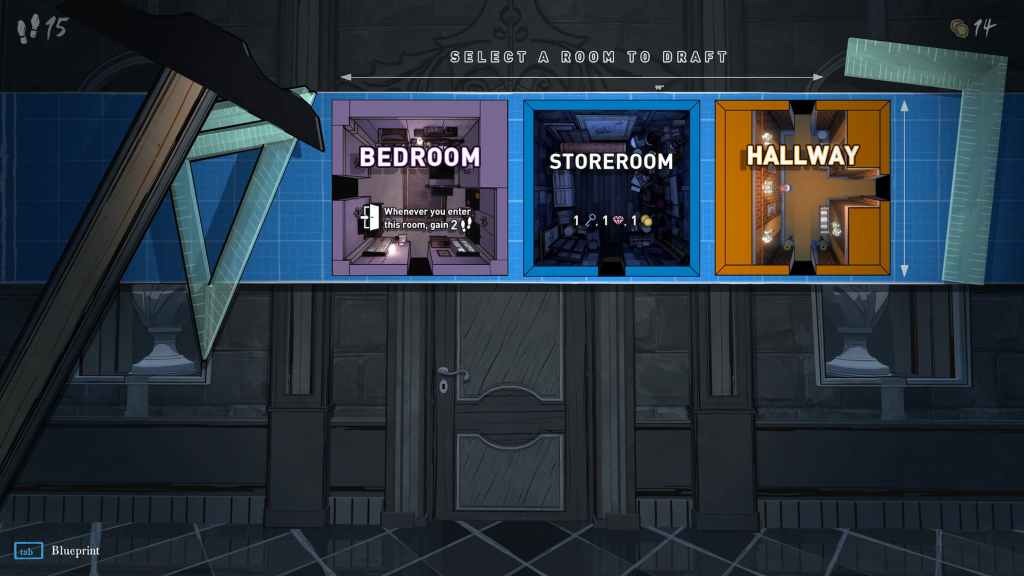
Blue Prince is easily the pinnacle of storytelling in roguelike games. It perfectly combines mystery solving, exploration, and procedural progression into an experience that constantly rewards curiosity and experimentation. Exploring the shifting rooms of Mt. Holly, a mysterious manor with an ever-changing layout, is a joy. The objective revolves around discovering the hidden Room 46, but the deeper players explore, the more complicated and unsettling the mystery becomes, and the deeper the player dives into the narrative.
The roguelike structure works brilliantly because it mirrors the uncertainty of exploration itself. Every run reveals new clues, hidden mechanics, and pieces of narrative context. Progress feels driven by knowledge as much as mechanical mastery, which gives the game an entirely different pacing from combat-focused roguelikes. The atmosphere adds to the experience; the manor feels mysterious without relying heavily on horror, and each new room adds another layer of intrigue. Puzzle solving, environmental storytelling, and gradual revelations create constant momentum even during quieter moments.
Blue Prince is a reminder of how effective mystery can be in roguelikes when developers trust players to piece things together slowly. Every run feels valuable because even failure usually reveals some new detail worth investigating further. Especially impressive is how naturally the procedural structure supports the story. Randomization does not weaken the narrative. Instead, it reinforces themes surrounding discovery, uncertainty, and obsession. Few recent roguelikes feel this narratively cohesive.
What do you think? Leave a comment below and join the conversation now in the ComicBook Forum!
More Gaming
-

Courtesy of Arc System Works -

Image Courtesy of Sony Interactive Entertainment