Each new generation of Pokemon adds something to the core foundation, but it often disappears just as quickly with the next. From new battle mechanics to entirely different ways to explore the world, Game Freak has never been afraid to experiment with ideas that change how players experience the series. Some of these stick while others drop the ball. Although this approach keeps each adventure feeling fresh, it also means several promising ideas never get the opportunity to reach their full potential, which is a shame because some features are genuinely good.
Videos by ComicBook.com
Looking back at Pokemon’s history, there are so many features I wish had stuck around, or at least been tweaked, rather than simply discarded. These range from enjoyable side activities to mechanics that brought so much more depth to the game. The Pokemon Company missed an opportunity to keep these features and keep refining them. With Pokemon Winds and Waves on the horizon, the time has never been better for the studio to look back in its history. These five features have so much potential that could be unlocked if Game Freak revisited them.
5) The Vs. Seeker

Before Game Freak made EXP share mandatory, grinding was a part of Pokemon games. But finding enough trainers to battle again can become frustrating when wild Pokemon stop providing decent experience. Pokemon FireRed and LeafGreen introduced the perfect tool for this with the Vs. Seeker. With this item, players could challenge previously defeated trainers, providing more ways to get experience and money. This was an expanded version of the Pokegear’s calling system in Pokemon Gold and Silver, and besides its return in Pokemon Diamond and Pearl, it effectively disappeared from the series.
What made the Vs. Seeker so effective was its simplicity. Instead of requiring players to find new opponents, it gave existing routes additional replay value. Some trainers even strengthened their teams as players progressed. It was particularly useful when preparing a team for the Elite Four or raising a newly caught Pokemon. Rather than making grinding feel like a chore, the Vs. Seeker sped the process up while providing new challenges to the player. It made regular trainers feel like new rivals.
Pokemon Winds and Waves could easily expand on this system with optional rematches, rotating trainer teams, and rewards for repeated victories. Revisiting earlier routes could show that previously defeated trainers have put in work to train their teams, or even have those trainers move to defeat routes. Trainers could even adapt their teams based on the Pokemon you defeated them with. It could be a tool for getting more experience as well as showing progression in the world as you yourself progress.
4) Pokemon Contests
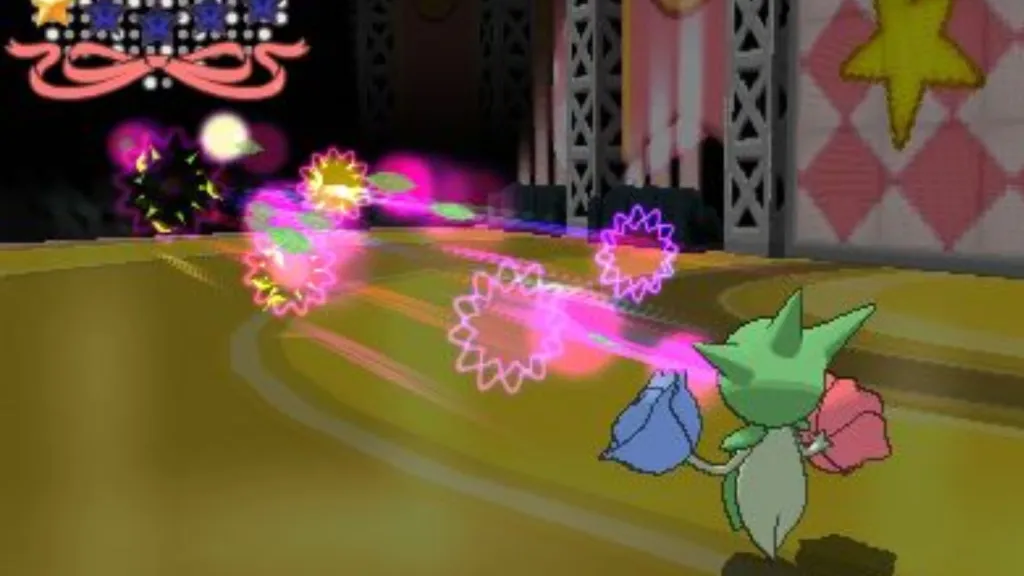
Pokemon Ruby and Sapphire gave me one of my favorite Pokemon mechanics with Pokemon Contests. It was an alternate way to use your Pokemon outside of battling, showcasing their abilities across different categories, including Coolness, Beauty, Cuteness, Smartness, and Toughness. Moves could earn appeal points or disrupt competitors, while Pokeblocks helped improve a Pokemon’s contest condition. The feature returned in later games, including Pokemon Diamond and Pearl and the remakes Omega Ruby and Alpha Sapphire.
Contests offered something different from the usual Pokemon journey. They encouraged players to think about their favorite partners beyond their battle statistics, creating another reason to collect Pokemon and experiment with their movesets. Moves that were useless in battle suddenly had more meaning, and it felt like a way to better bond with your Pokemon. However, Contests never developed into a permanent feature across the mainline series. Their absence leaves a gap for players who want activities that celebrate Pokemon without requiring another battle.
There is plenty of room to expand the concept. Future games could introduce larger competitions, customizable performances, online tournaments, and unique rewards for raising particularly talented Pokemon. Contests could even connect to regional festivals, giving towns their own competitions and traditions. Not every Pokemon adventure needs to revolve around becoming Champion, and Contests could help make the world feel more varied.
3) Secret Bases
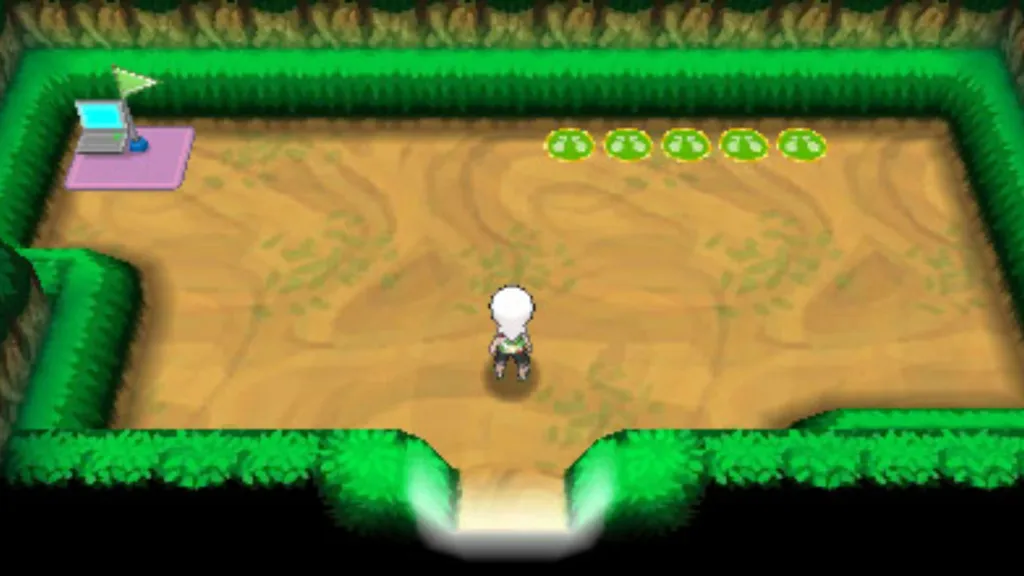
Secret Bases debuted in Pokemon Ruby and Sapphire, allowing players to transform designated locations around Hoenn into personalized hideouts. Using Secret Power, players could establish bases in trees, bushes, and rocky walls before decorating them with furniture, dolls, and other collectibles. The feature returned in Pokemon Omega Ruby and Alpha Sapphire, even introducing Super-Secret Bases that players could share with other trainers.
As a kid, I loved the idea of having a place to return to and customize throughout my adventure. Pokemon games encourage exploration, and Secret Bases gave that exploration a personal reward. Finding a secluded spot and turning it into a space of your own made the region feel more interactive. The remakes pushed the idea further by incorporating social features, letting players discover other trainers’ creations and challenge their teams. Unfortunately, Secret Bases never became a standard feature in subsequent mainline entries, despite offering an excellent foundation for player expression.
Pokemon Winds and Waves has the perfect opportunity to bring this feature back and take it further. Players could customize their interiors, display rare Pokemon, create themed rooms, and visit friends’ hideouts online. Game Freak could learn from Pokemon Pokopia and make it a place where player Pokemon could roam free. A more expansive world only gives more opportunities for incredible base locations and designs, especially with the increased hardware. Secret Bases are a perfect feature to bring back, especially with the rumors of Pokemon Ruby and Sapphire coming to Switch.
2) Seasons

Pokemon Black and White introduced a seasonal system that changed Unova’s appearance throughout the year. Spring, summer, autumn, and winter each lasted one in-game month, with the cycle repeating three times annually. These changes affected more than scenery: certain Pokemon appeared at different rates, daylight hours shifted, and seasonal conditions opened or obstructed paths. It was essentially a more advanced version of the day and night system introduced in Pokemon Gold and Silver, but wasn’t really seen outside of Unova.
Seasons made revisiting familiar locations worthwhile because the same route could look and feel different depending on the time of year. Winter snow altered parts of the landscape, while changing encounter rates gave players reasons to return to particular areas. Deerling and Sawsbuck provided a stronger gameplay reason for seasons. Although the mechanic had limitations, it helped Unova feel like a living region rather than a collection of static routes. Now, it has been replaced with biomes that never change seasons.
Future games could build on this idea with dynamic seasonal events, changing habitats, and weather patterns that influence exploration. Different seasons could introduce temporary encounters, alter available activities, and change how towns celebrate regional traditions. A larger world would make these changes more impactful and rewarding. Seasonal mechanics could also add variety to Pokemon collecting without requiring entirely new regions.
1) Battle Frontier
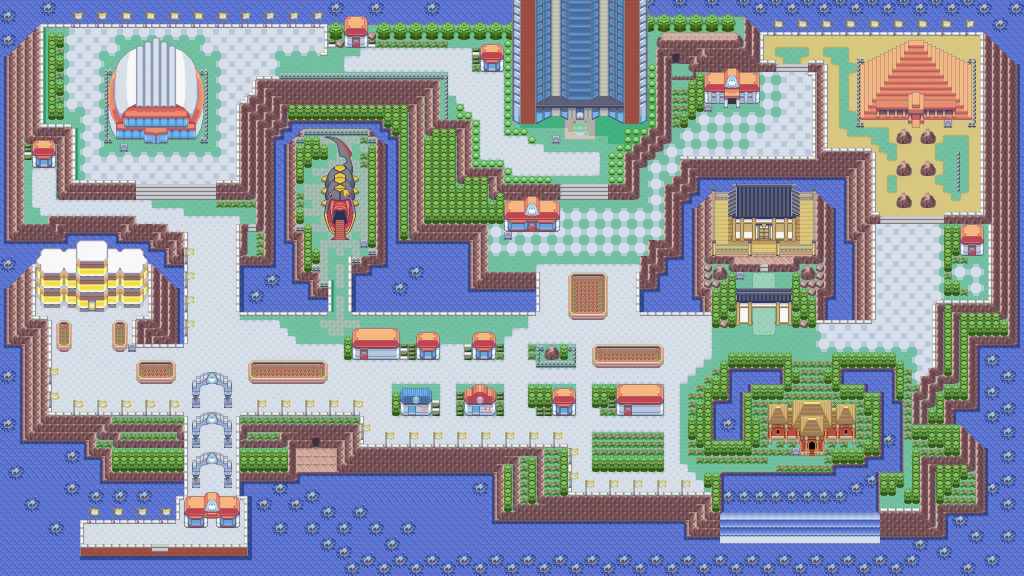
The Battle Frontier remains one of the best examples of postgame content in Pokemon history, with perhaps the return to Kanto in Generation 2 being the only one to top it. Pokemon Emerald offered players various facilities with different rules and challenges that gave them a way to truly test their skills. The use of rental teams made the challenge fresh and forced players to learn new Pokemon and strategies, and this often encouraged me to try Pokemon I’ve never used before in different playthroughs.
What made the Battle Frontier special was its ability to challenge players who had already conquered the Pokemon League. It demanded strategy and forced players to learn more than simply mashing the A button on your strongest moves. The Battle Factory, in particular, tested a player’s understanding of Pokemon matchups and team composition by limiting access to their own roster. This variety gave dedicated players a reason to keep training, refining strategies, and pursuing difficult rewards long after the credits rolled.
The Battle Factory, in particular, tested a player’s understanding of Pokemon matchups and team composition by limiting access to their own roster. This variety gave dedicated players a reason to keep training, refining strategies, and pursuing difficult rewards long after the credits rolled. A modern version could feature online leaderboards, rotating challenges, competitive rule sets, and new facilities that test everything from team building to tactical decision-making. Pokemon Winds and Waves could benefit enormously from a substantial postgame destination that rewards mastery of its battle mechanics. Catching Pokemon and completing the Pokedex are satisfying goals, but a returning Battle Frontier could bridge the gap between competitive and casual players.
More Gaming
-

Courtesy of Wizards of the Coast -

Courtesy of The Dreamer's Guild