The hero shooter genre hit the mainstream with Overwatch in 2016, but developers have been making similar games for decades. While some of them don’t have the “hero shooter” label, they still fit snugly in the genre, giving fans plenty of options. These games were never able to capture a massive audience for one reason or another, but that doesn’t mean they weren’t solid games for their time. Sadly, because they lacked that critical mass, most of these games have long been forgotten by the gaming public. That’s a shame because they were a blast.
Videos by ComicBook.com
Here are six hero shooters you might’ve forgotten about.
6) Outtrigger
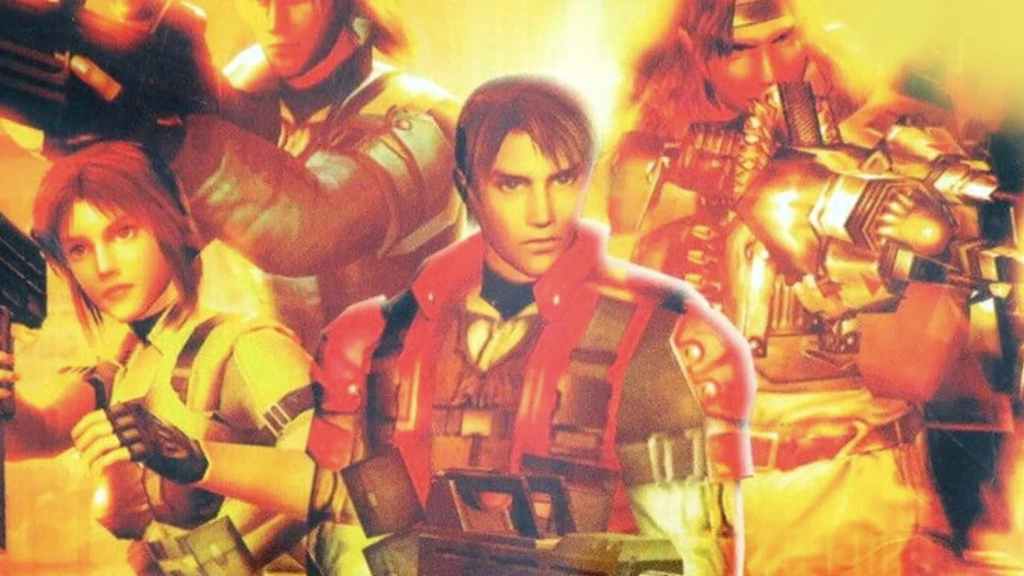
Sega’s Outtrigger launched in 1999 in arcades. It then came to the Dreamcast in 2001, adding support for six-player multiplayer battles. As one of the early versions of a hero shooter, players can pick from one of four character classes. Each class has its own weapon speciality and attributes, making your choices matter more than most games at the time.
On top of that, players could create their own character classes, giving them even more utility. It’s obviously a bit primative, but it felt like a breath of fresh air at the time. Outtrigger also looked great on the Dreamcast, making it easy to recommend for players at the time looking for something new.
5) Monday Night Combat
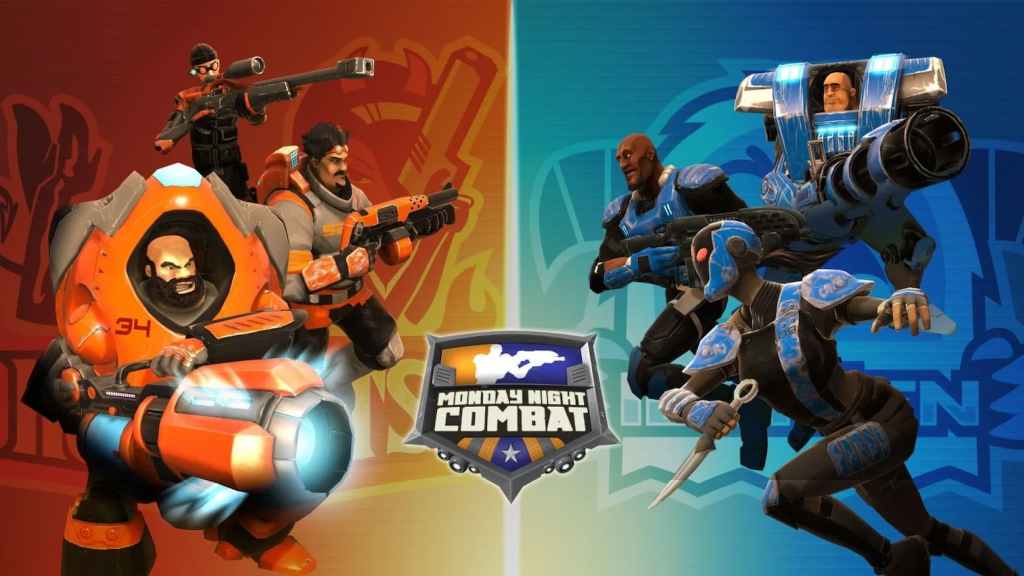
Monday Night Combat is one of many hero shooters that incorporate MOBA-like elements. Not only will you pick between several different classes, but you’ll also need to defend your Moneyball from opposing players. In effect, it’s the tower defense mechanic from games like DOTA, but with the third-person shooting twist.
What makes Monday Night Combat so fun is how wacky the action is. The gimmick is that this is the future of Monday Night Football, which means the over-the-top announcer is always there with a witty comment. Plus, the diverse selection of characters means there’s something for every playstyle.
4) Evolve
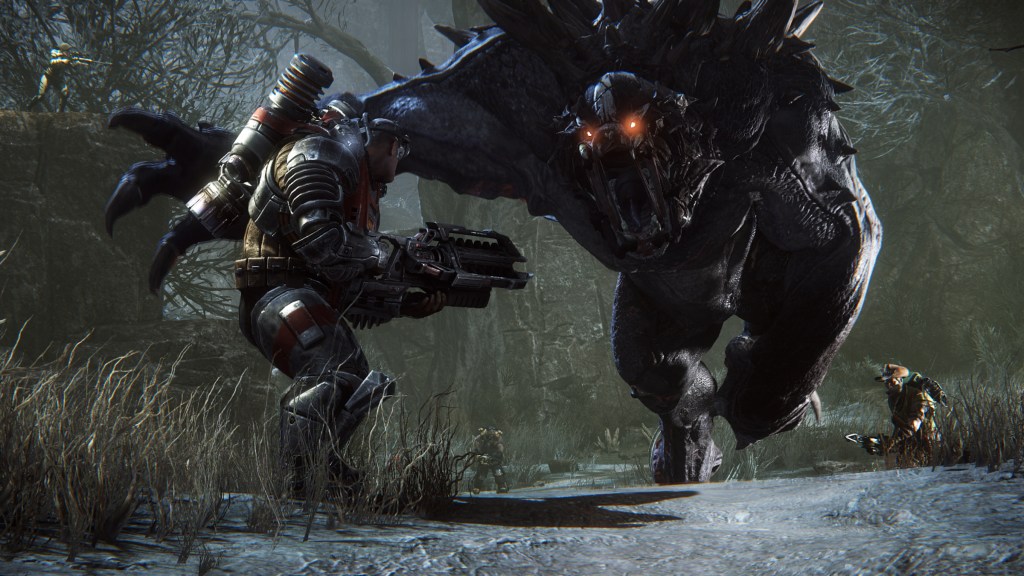
Evolve tried to become the next step in asymmetrical multiplayer, which means it barely qualifies for this list. Four players join the fray as humanoid Hunters and take on a fifth player who is controlling a giant monster. There are 20 different types of Hunters, each with their own speciality, and five different Monsters, giving you plenty of options to pick from.
Developer Turtle Rock is best known for its work on Left 4 Dead, and you can see the influences in Evolve. It was quite able to live up to that billing, thanks in part to the need for a solid group to have a chance at taking down the monster. That said, when you got a team together, it was one of the best asymmetrical games of the era.
3) Battleborn
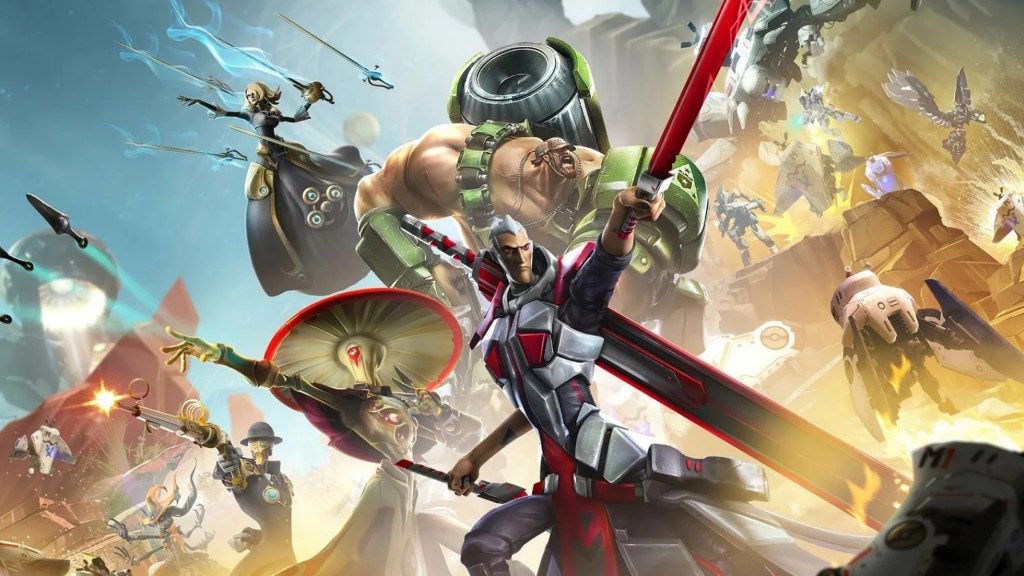
Battleborn‘s developers coined the term “hero shooter,” so it’s impossible to omit it from this list. Gearbox was hot off the success of Borderlands and was looking to change the game with a high-budget shooter that mixed hero classes with MOBA-like elements. It had all the makings of a success, but it never took off.
Part of that is that it came out so close to Overwatch, which immediately dominated the genre for most players. It also didn’t help that Battleborn‘s gameplay loop was confusing for new players. Once you wrapped your head around everything, it was great, but many players weren’t interested in spending that much time learning its systems. Especially with Overwatch being so easy to pick up and play.
2) LawBreakers
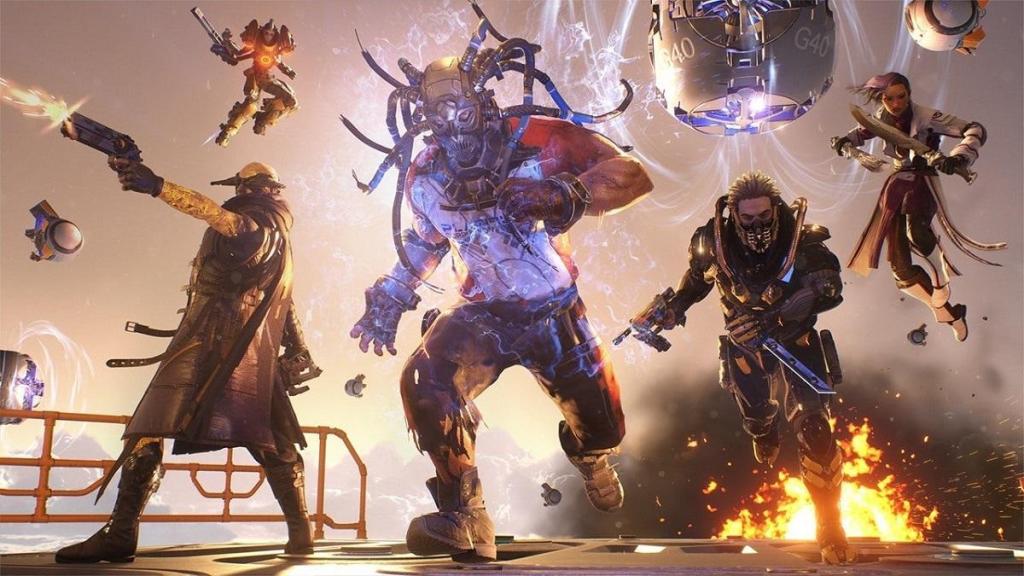
Boss Key’s LawBreakers came into the established genre a year after Battleborn and Overwatch. It added a few new gimmicks to keep things fresh, including low-gravity gameplay that made the action even more intense.
To LawBreakers‘ credit, it garnered solid reviews. The first closed beta did pretty well, but players quickly fell off. By the time it launched, nobody wanted to leave Overwatch and learn something new. LawBreakers was a success from a quality standpoint, but could not find a way to break into the increasingly crowded genre. Unfortunately, it shut down its servers after a little over a year.
1) Lemnis Gate
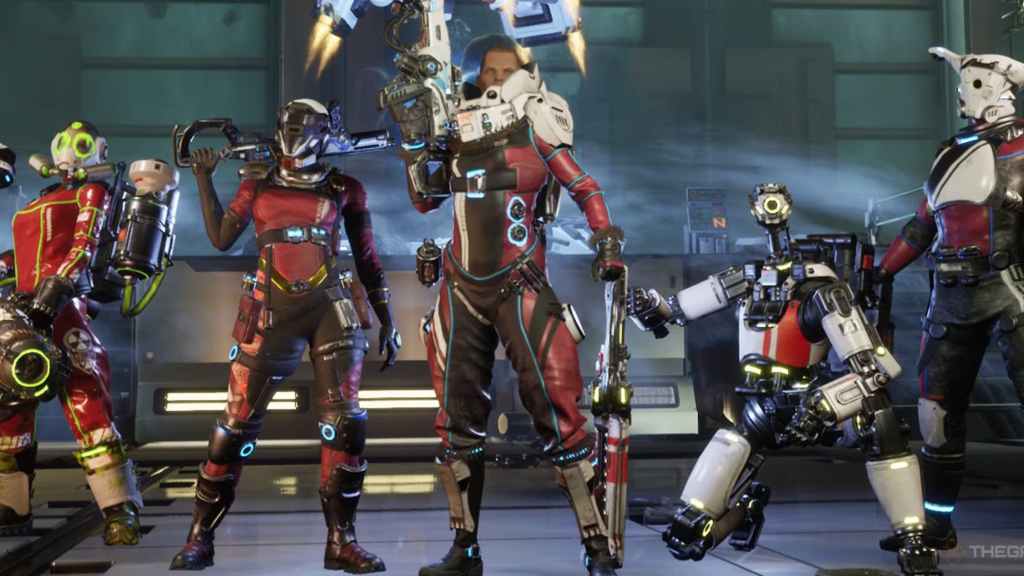
Lemnis Gate is probably the most innovative game on this list. Players dive into competitive matches inside a time loop. They have 25 seconds to try to complete objectives, and then the next player goes. Each run is layered on top of the last round, adding strategy to how you approach each run.
Do you use subsequent runs to stop your opponent’s actions? Or should you race to complete the objectives as fast as possible? It quickly became a complicated puzzle of first-person shooter action that was different from anything else in the genre. Unfortunately, innovation doesn’t always equal sales, and Lemnis Gate could not get enough players to stay open. The developers closed the servers in 2023, yet another disappointing closure in the online multiplayer space.
What do you think? Leave a comment below and join the conversation now in the ComicBook Forum!
Most Viewed
-

Courtesy of Eight-Bit -

Courtesy of Crunchyroll -

Image Courtesy of Netflix -

Courtesy of Kadokawa / Shosetsuka ni Naro -
Image Courtesy of Marvel Comics