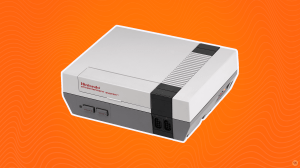
Atari has been a fixture in the gaming landscape for decades, even dominating the early home console market before the video game crash of 1983 derailed things. Despite this, the brand has endured thanks to the number of foundational classics that the developer/publisher brought into the world. This includes some of the foundational games of the modern gaming landscape, as well as some efforts that still feel unique forty years after they debuted.
Videos by ComicBook.com
Atari CEO Wade Rosen recently told Bloomberg that he wants to make Atari the ideal retro developer for new generations. It’s an interesting challenge for the developer to set for itself that comes with a lot of possibilities. With that in mind, all of these games were developed by Atari in the early days of the company, some of which have enough underlying potential to justify a revisit — and others that, through bizarre legacy or dated design, should be left in the past.
Needs A Remake: Missile Command
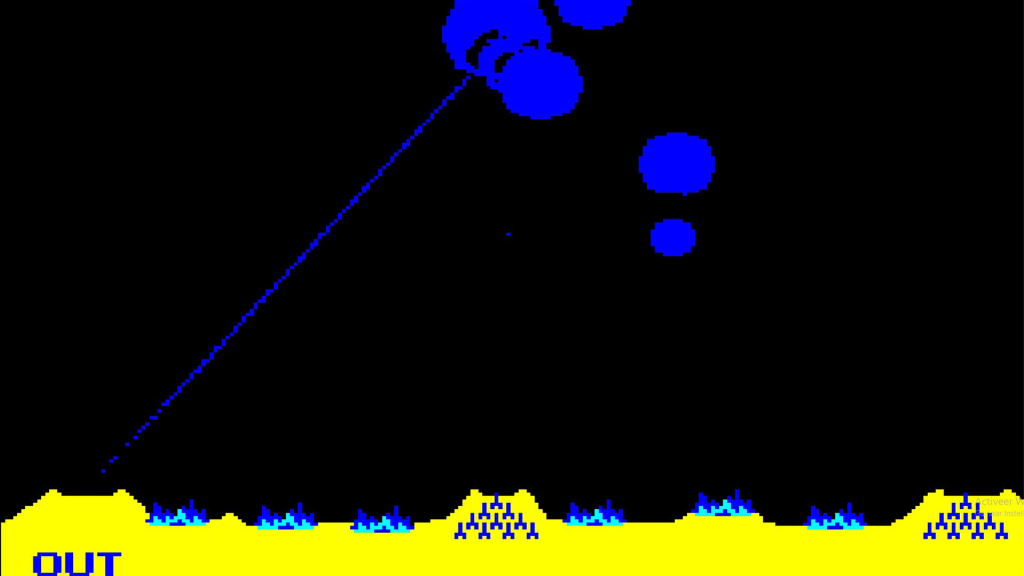
One of Atari’s classic games, Missile Command, had a strong underlying gameplay mechanic that could be expanded into a new form for modern players. The game was simple enough, tasking the player with maintaining the defense of a base from enemy assaults by blasting incoming missiles out of the sky. An early precursor to what modern gamers know as the shooter genre, there’s a lot of underlying fun baked into Missile Command‘s straightforward but challenging game design that has been updated in the past.
A new Missile Command could take the premise further, thanks to enhancements in technology, ranging from different types of defensive weapons to larger environments to protect. Supply management and ammo consumption could come into play, forcing players to decide which attacks to let get past them and which they have to ensure are brought down. There’s potential for a very tense modern take on Missile Command that could take everything that made the original so memorable and add modern touches for complexity.
Can Stay In The Past: Black Widow
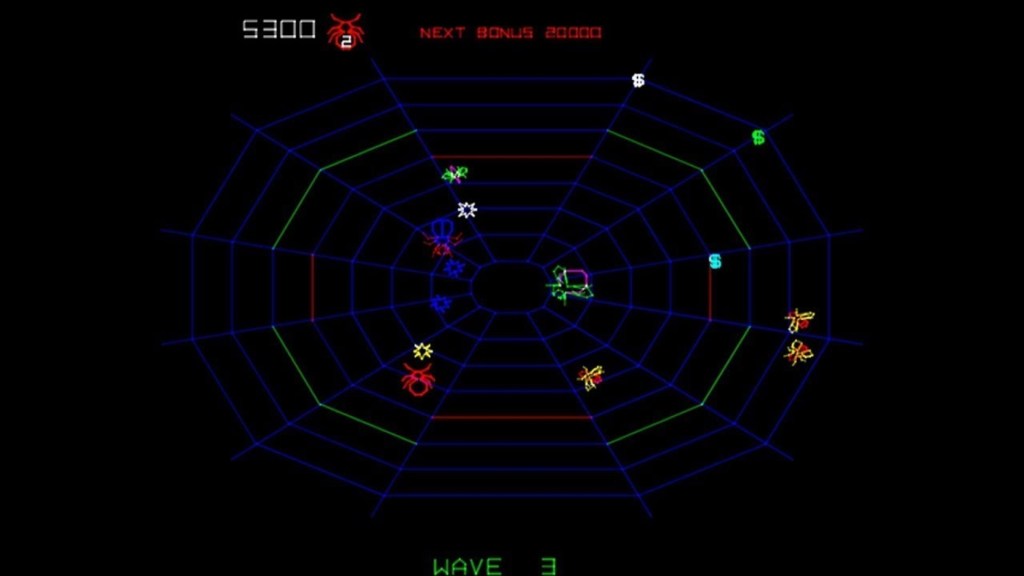
One of the many arcade shooters developed by Atari, Black Widow had some clever ideas that could quickly become overcomplicated. As the titular spider, players are tasked with maneuvering around the spider web and defending it from invading insects. Beyond the focus characters potentially being too unsettling for audiences who are uncomfortable around bugs, Black Widow‘s various mechanics overcomplicate the potentially straightforward title.
This is especially true for mechanics like the Bug Slayer, a rival character who doesn’t harm the player but can prevent them from earning points needed for extra lives, a frustrating mechanic that could become rage-inducing if it were given more CPU complexity. Black Widow Recharged highlighted that conundrum. While Black Widow remains one of Atari’s more inventive approaches to the early shooter archetype, it doesn’t quite have the underlying strength to make it ideal for a modern remake.
Needs A Remake: Star Raiders
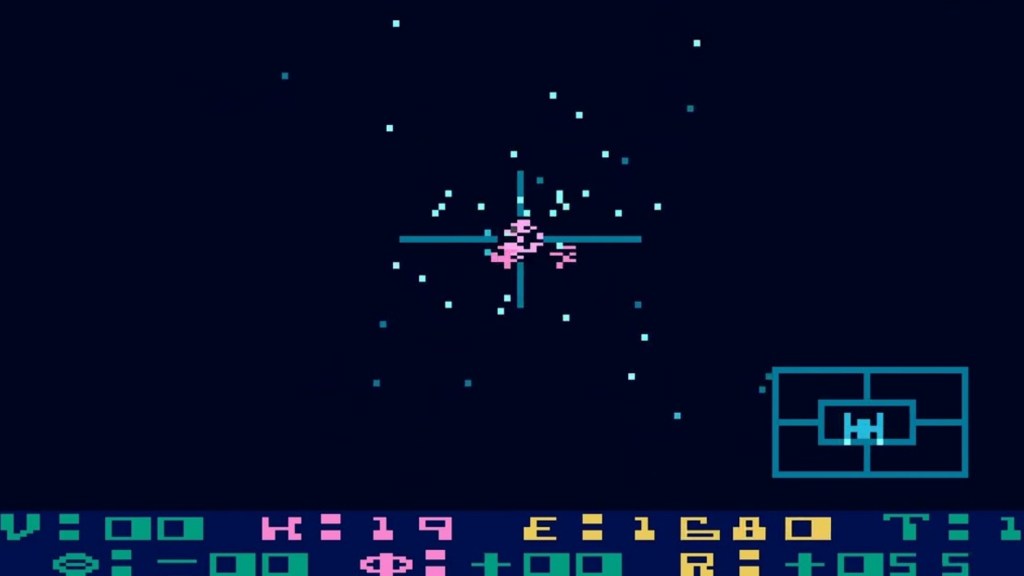
Star Raiders was a monumental hit for Atari when it launched in 1980, becoming a killer app for the Atari 400/800 and inspiring several decades of space combat games. The game follows players as they fight back against the Zylon Empire, shooting down their fighters before they can bring down human ships. The game’s exciting action, especially for the era, would translate well to modern audiences who have seen more expansions on that style of game.
The underlying complexity of the game design has been an inspiration for countless modern titles. It would be interesting to see how Atari takes all those modern approaches and filters them back through a reimagined take on the original, all while ensuring the adventurous spirit of the original remains baked into the DNA of the title. It would also be a good chance to make up for the lackluster remake from 2011, giving the developer a fun chance to expand on the concept.
Can Stay In The Past: Centipede
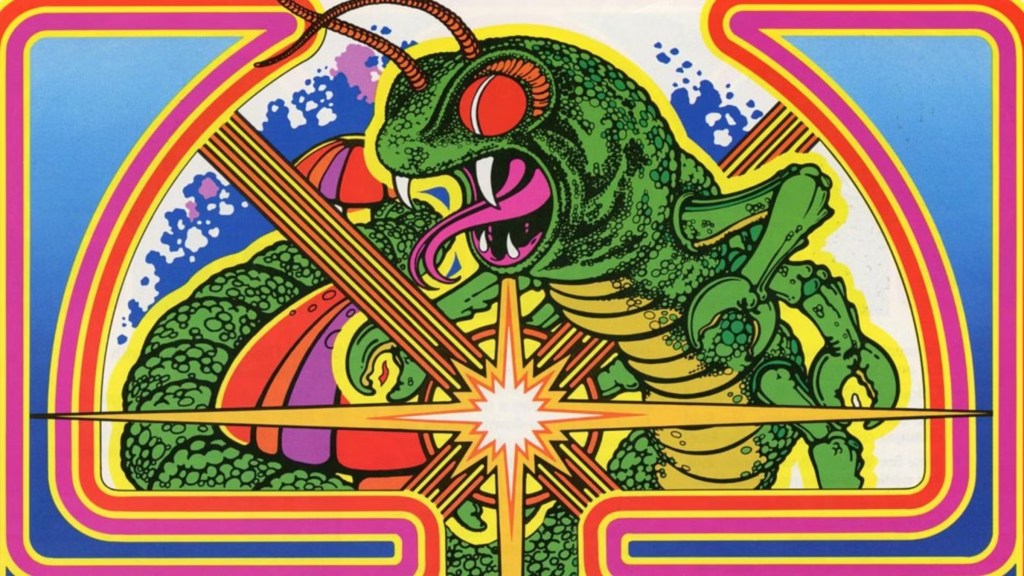
Centipede is a truly great title in the early Atari library, a tense top-down shooter where blasting the enemy to pieces is only part of the issue. As a gunner trying to prevent monstrous insects from reaching you, players have to shoot the enemies and use the environment to contend with the threat they still pose once splintered. Centipede is a genuine delight even decades after release, partly because of the simplicity of the game design and the efficiency of the core gameplay mechanic.
That level of craft has also proven tricky to translate to modern games, as other attempts to modernize the gameplay have overcomplicated it. Centipede might be one of those classic games that works better in the form it was originally released in, with a tight sense of design that may simply work better in that original form. While developers have found ways to add new enemy types or weapons to the game, Centipede is a strong enough game that it might not need a modern reimagining.
Needs A Remake: Maze Craze
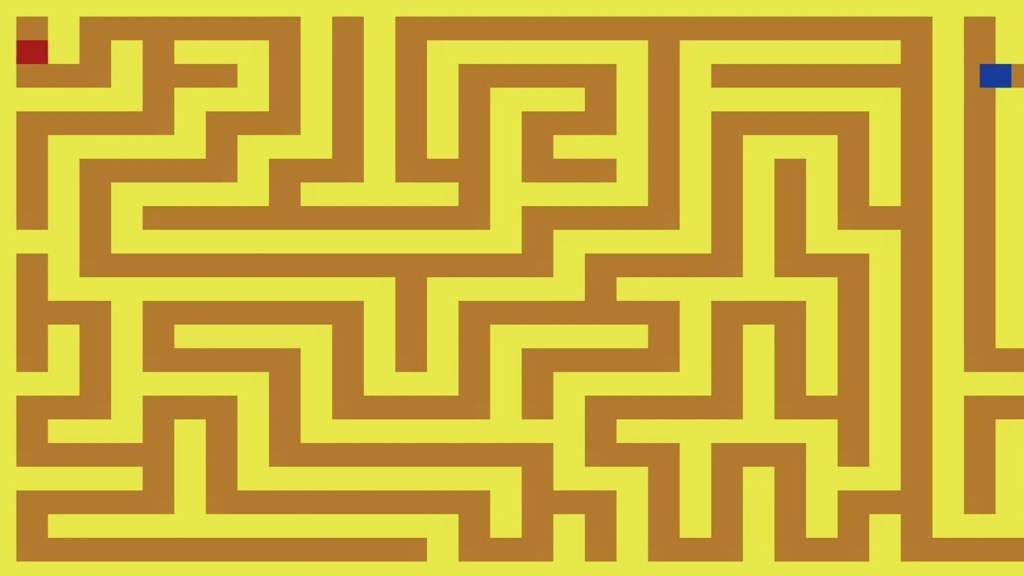
Maze Craze was a devilishly delightful multiplayer game from Atari that feels like it would be perfectly tailored for a modern reimagining. The game sees two players dropped into a randomly generated maze — with the mission to be the first one to escape the maze. Actually maneuvering around the maze was the trick, with the early graphics and processing power relying largely on the controls and very specific moves for challenge.
A modern reimagining of the game could add more challenges like obstacles and traps, as well as power-ups and upgrades to enhance the player’s run. The natural multiplayer element makes it a good fit for online play, effectively giving Atari the perfect opportunity to make their own version of something like Fall Guys. Maze Craze is just simple enough to be easy to learn, but with enough room to become complex, making it an ideal game for modern expansion.
Can Stay In The Past: Crystal Castles
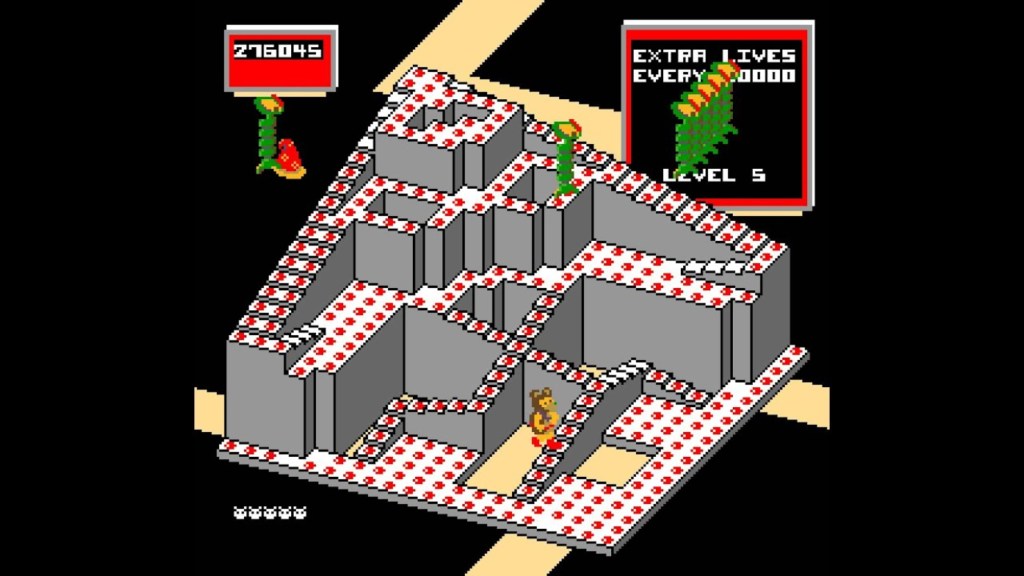
Crystal Castles stood out as an early Atari title that helped establish a lot of game design mechanics players take for granted now in genres like platformers — but that doesn’t mean it necessarily needs a modern remake. The game follows Bentley Bear, who explores a castle collecting gems while dodging enemies. The gameplay for Crystal Castles is simple and entertaining but would be improved upon in later years by games like Q*bert.
A modern take on Bentley Bear would likely expand on those early mechanics to become a platformer, a genre that has taken everything that made Crystal Castles unique and expanded upon tenfold. As such, there’s not a lot to the underlying gameplay of this title that calls out for expansion or reinvention. While the game had a lot of technical advantages over its peers, there’s little within Crystal Castle that hasn’t been improved upon by future games, making the idea of a remake or a reimagining less exciting than many other titles in the Atari library.
Needs A Remake: Dodge ‘Em
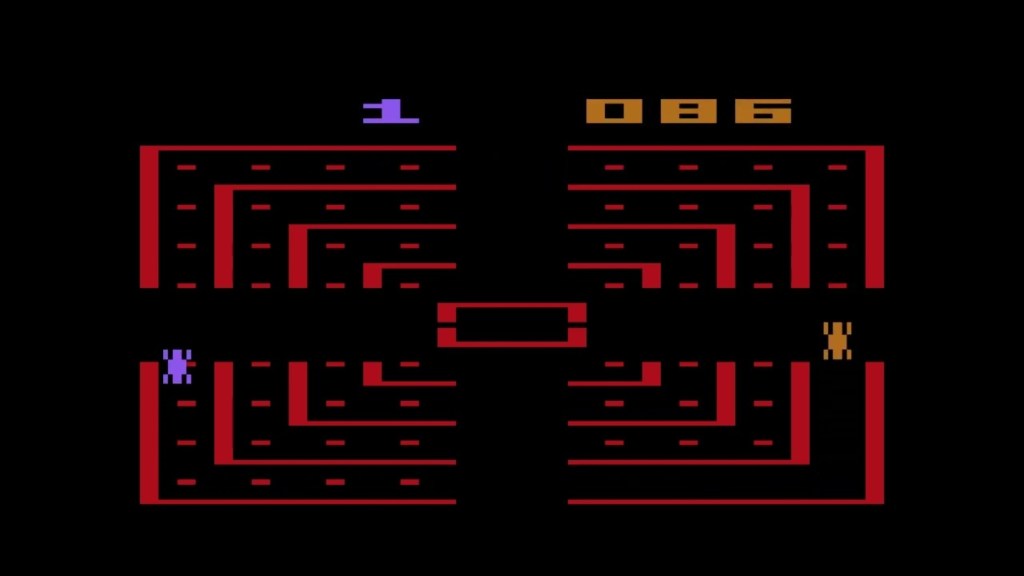
A fast-paced riff on the maze games that were incredibly popular in the Atari era, Dodge ‘Em‘s underlying gameplay mechanic makes it a natural pick for a modern reimagining. The game puts players behind the wheel of a car and tasks them with maneuvering around CPU-controlled cars to collect dots on the map without being hit. Playing like a sped-up Pac-Man, the underlying mechanic and the enhanced speed of Dodge ‘Em made for a surprisingly engaging experience — especially when played in multiplayer.
The subversion of the usual driving game mechanics (where players are just racing across tracks or trying to destroy other cars) would make for a fun addition to the modern landscape. A modern take on the title could introduce different types of vehicles, enemies, and tracks to explore. The multiplayer aspect makes it a good pick for the online era as well, leaving the door open for plenty of experimentation with different game modes. Dodge ‘Em may have a basic gameplay mechanic, but there’s enough room to add to it that it could produce a very fun modern arcade driving game.
Can Stay In The Past: Joust
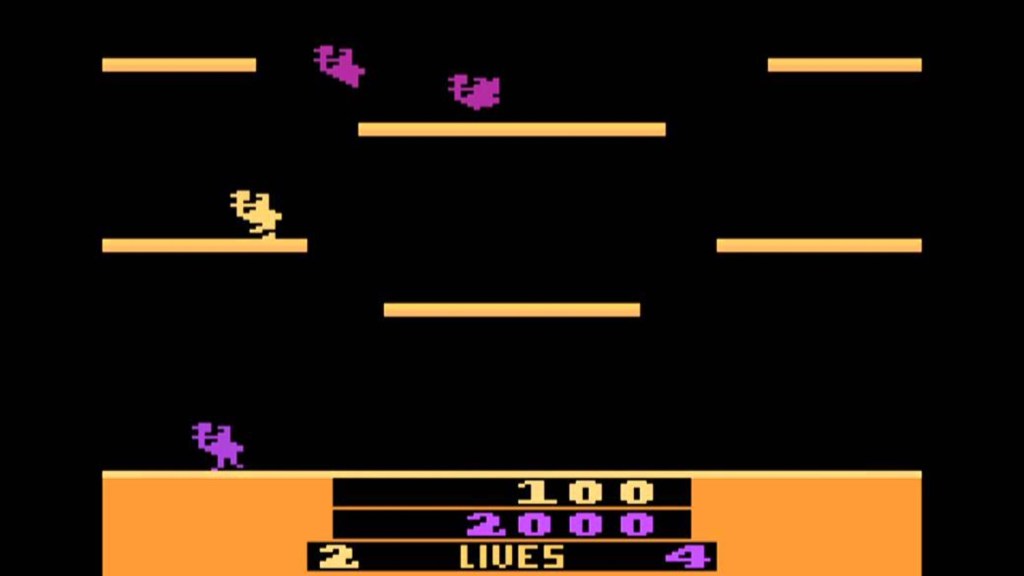
An iconically weird-looking game, Joust is the kind of title that’s hard to imagine how modern reimaginings would expand on the title. Joust sees players hopping between platforms as a knight atop an ostrich, dueling other such warriors. It was a visually striking game from the era that stands out even today, but with a fairly simple gameplay mechanic that doesn’t really call for much expansion in the modern era.
While modern takes on Joust could potentially find some fun with different kinds of mounts or unique weapons, the singular aesthetic might make it an odd choice to try to modernize. Joust also has an underlying gameplay mechanic that plenty of other modern games have added new layers to, so a radical transformation to this style of combat would be necessary to keep the game compelling. Joust is a bizarre relic of the early Atari era and may be better suited to remain in that space.
Needs A Remake: Warlords
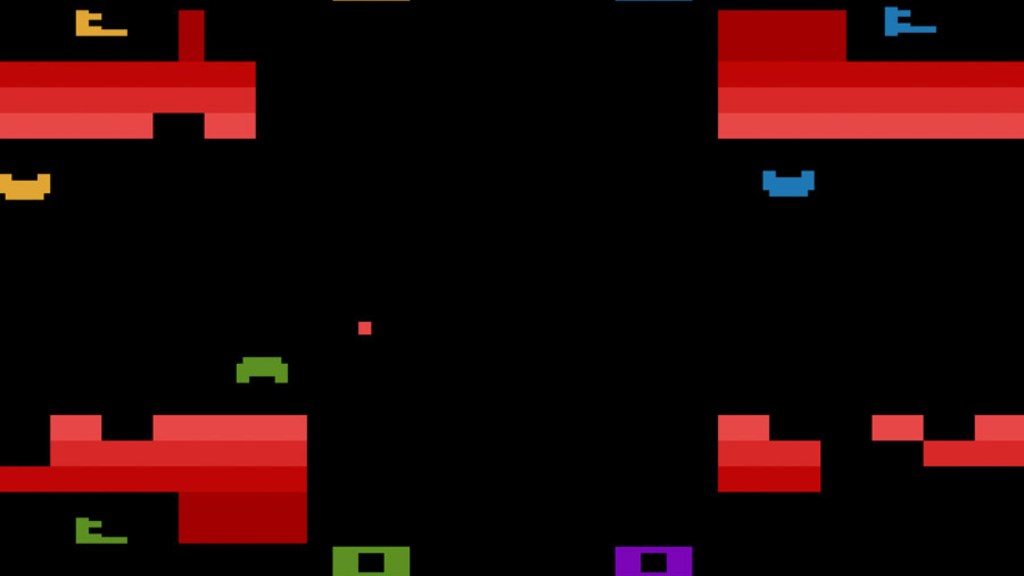
A clever fusion of Breakout and Pong, Warlords has an addictive and easy gameplay mechanic that makes it ideal for modern reinvention. An early four-player combat game, Warlords sees up to four players working to deflect or block incoming fireballs from destroying their castle — diverting the blasts to their opponents in an effort to be the last one standing. Warlords is fast-paced, simple to learn, and a blast to play with four players, making it ideal for an online multiplayer game.
We know this because Warlords got a remixed version for Xbox Live Arcade in 2008 that proved to be an absolute delight. Expansions of the game with more potential players or different upgrades could be a blast in the modern era, especially if the gameplay remained basic enough that it could be brought to mobile platforms. Warlords is one of the best multiplayer games Atari ever developed and would be a natural pick for a new incarnation.
Can Stay In The Past: E.T. the Extra-Terrestrial
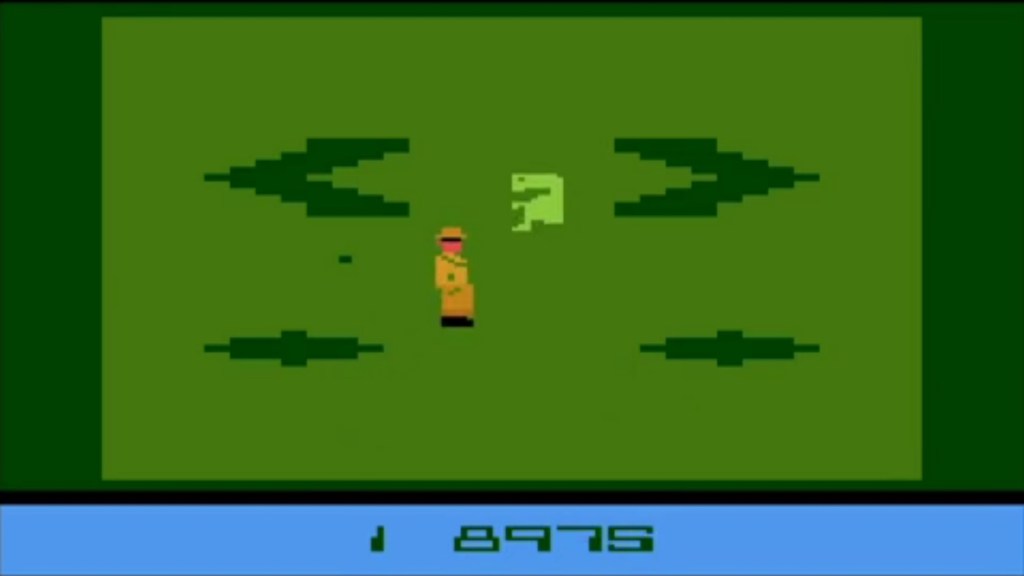
One of the most infamous flops in gaming history, there’s no real reason for Atari (or anyone, really) to revisit E.T. The Extra-Terrestrial. The game adaptation of the Steven Spielberg classic was rushed through development and was left with frustrating gameplay, leading it to become one of the biggest critical and commercial flops in gaming history. It was so bad that the home console market of the 1980s in North America collapsed and wouldn’t be revitalized until the NES helped open the door back up for casual gamers.
A modern take on E.T. might seem like a tantalizing opportunity to get some easy press and attention, but there’s really little to gain from trying to modernize one of gaming’s most infamous stumbles. If anything, it could just be a reminder of how precarious the gaming industry can feel at times. Remaking E.T. should be a last-case scenario for Atari.