Sonic the Hedgehog rolled into the 16-bit era, establishing itself as Sega’s mascot in short order. The game was a massive hit on the Sega Genesis, so it was only a matter of time before it exploded into a full-scale franchise. There have been dozens of Sonic games, many of which have been released on non-Sega hardware after the Dreamcast came and went. While some are fantastic platformers, others are mediocre, and several more are pretty lousy. We’ve ranked all of the main games in the Sonic franchise based on an aggregate of contemporary critics’ reviews upon release, their overall popularity when they were published, and their impact on the franchise.
Videos by ComicBook.com
50) Sonic Boom: Rise of Lyric
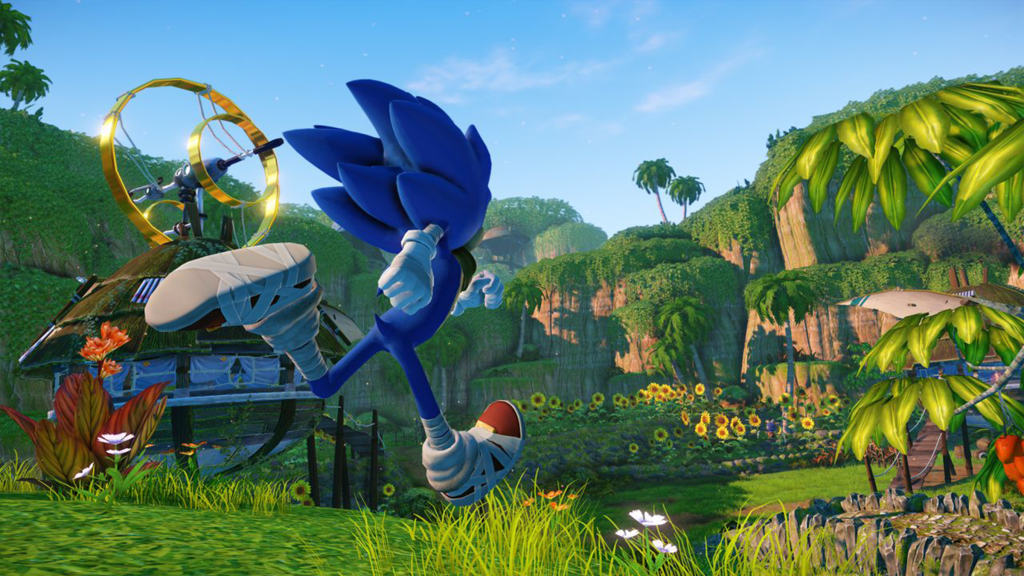
Sonic Boom: Rise of Lyric is a 2014 action-adventure game from the Sonic Boom spin-off franchise, serving as one of the prequels to the eponymous animated series. The game follows Sonic and company as they find themselves in Lyric, and they must stop the last Ancient from wiping out all life. The game was plagued with crummy controls, a dizzying camera system, poor combat, weird dialogue, a bad story, and overall terrible gameplay. It was also released with a host of bugs and technical issues, making it easily the worst game in the Sonic franchise.
49) Sonic the Hedgehog
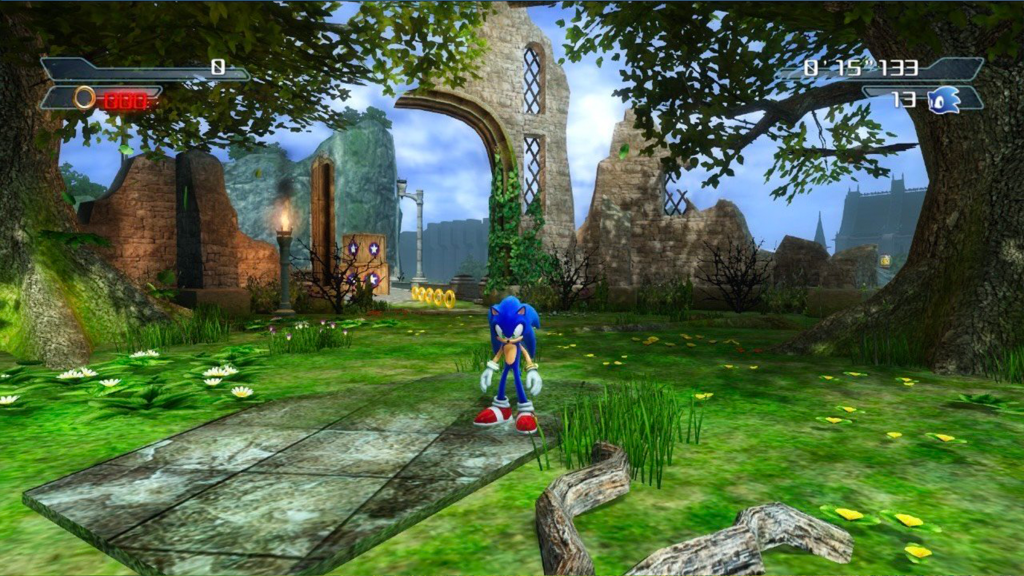
Sega published Sonic the Hedgehog in 2006 for the Xbox 360 and PlayStation 3, and it seemed promising upon release. The game sees players control Sonic, Shadow, and the newly introduced Silver as they fight against Solaris. Sonic the Hedgehog features individual campaigns for its three characters, all of whom have different abilities. It included cooperative multiplayer and a strong narrative. Unfortunately, it had several problems, including glitches, poorly coded controls, long load times, a lackluster story, and more. Many consider it to be one of the worst games in the franchise.
48) Sonic Boom: Shattered Crystal
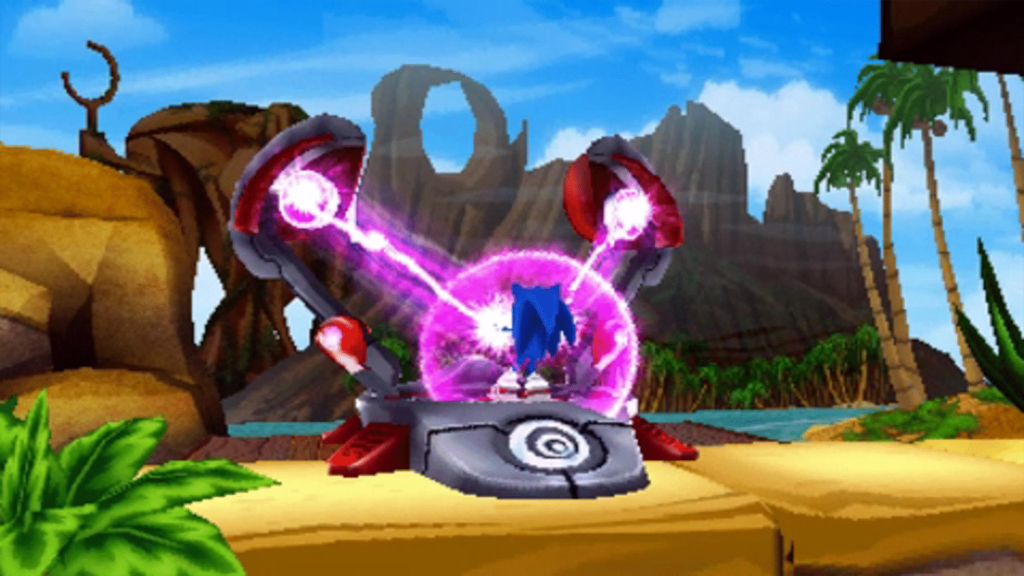
Sonic Boom: Shattered Crystal was released in 2014 as one of several prequel titles to the Sonic Boom animated series. It was released on the Wii U and Nintendo 3DS as a side-scrolling platformer emphasizing exploration. There are four playable characters: Sonic, Knuckles, Tails, and Sticks, and you can switch from one to another during gameplay. While the game was an improvement over Rise of Lyric, it still had some issues, including a slow pace, poor dialogue, and excessive repetition. It and Rise of Lyric are the lowest-selling games in the entire Sonic franchise.
47) Sonic Free Riders
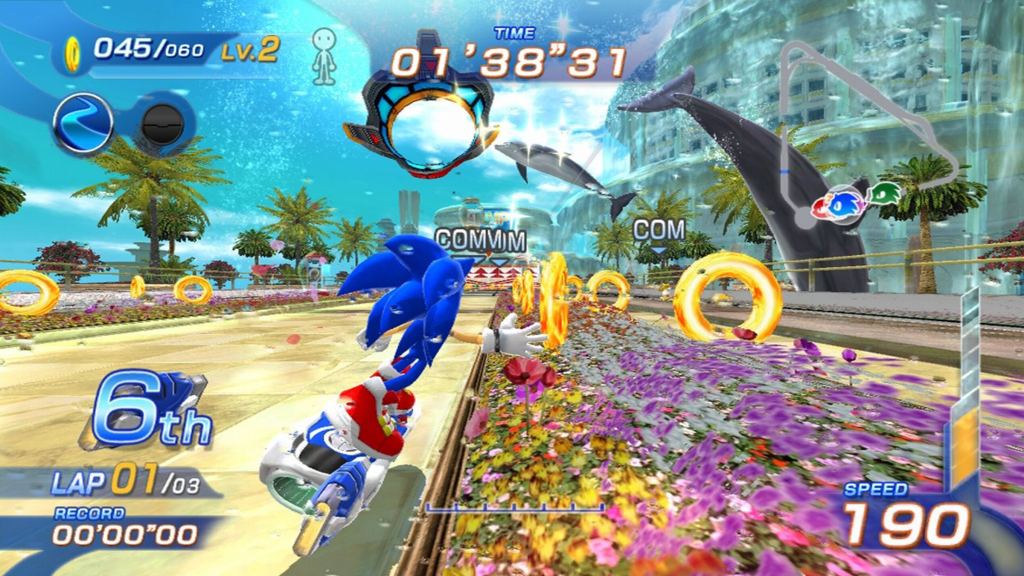
When Microsoft released the Kinect for the Xbox 360, several games were developed to showcase its new capabilities. One such game was Sonic Free Riders, released in 2010. The racing game required players to utilize the Kinect’s problematic motion controls, which was the number one complaint from gamers. Most of the time, the Kinect didn’t register controls properly, leading to inaccurate or completely unresponsive movement in the game. Still, it had several redeeming factors, including its multiplayer mode and overall graphical presentation, so some players enjoyed it when the Kinect functioned properly.
46) Sonic Drift 2
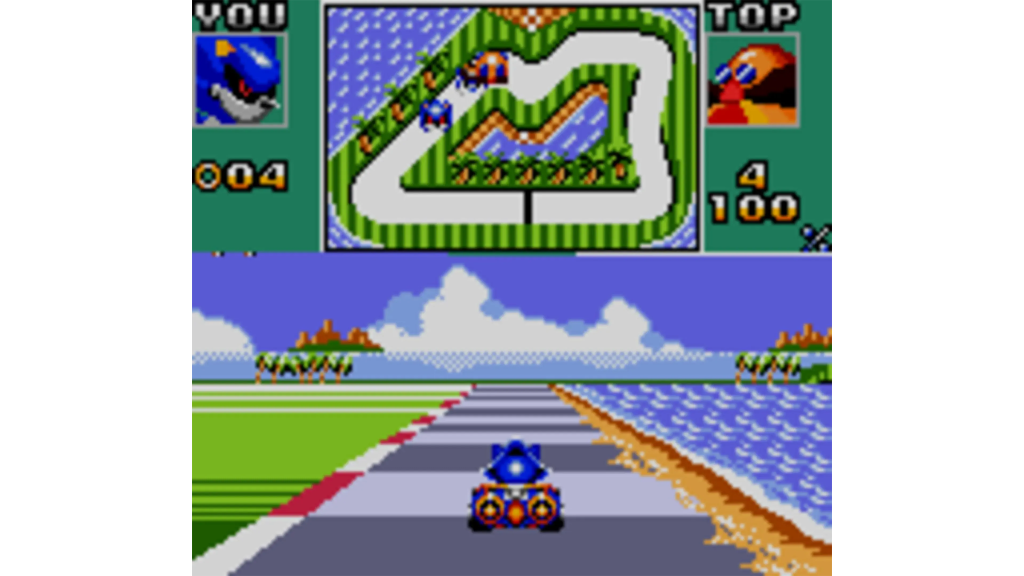
The second title in the Sonic Drift spinoff franchise was released on the Sega Game Gear in 1995. It was one of many kart racing titles of the era, and it featured more drivers than its predecessor. These included Fang the Sniper, Knuckles, and Metal Sonic. It also featured three gameplay modes: Chaos GP, Free Run, and Versus, allowing for multiplayer via a link cable. The game was mostly well-received with praise for its track design, graphics, and controls. Still, some didn’t care for the plethora of potential hazards, including numerous obstacles scattered across the game’s tracks.
45) Shadow the Hedgehog
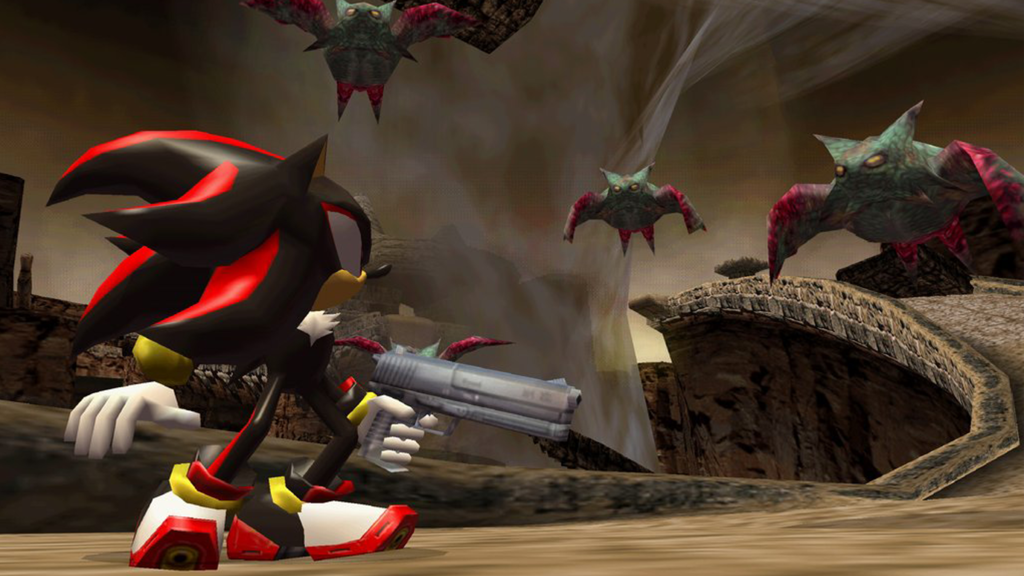
Shadow the Hedgehog is a 2005 platformer released on the GameCube, PlayStation 2, and Xbox. As the title suggests, the game features Shadow as the playable character. It begins with Shadow having no memories of his past, but he’s hampered, thanks to an ongoing alien invasion. While Shadow the Hedgehog included many of the mechanics popular to the franchise, it introduced a third-person shooter perspective and nonlinear elements. The game wasn’t a huge hit, as it was criticized for its controls and level designs. Some didn’t appreciate the inclusion of guns in the franchise, though it sold more than 2 million copies.
44) Sonic and the Black Knight
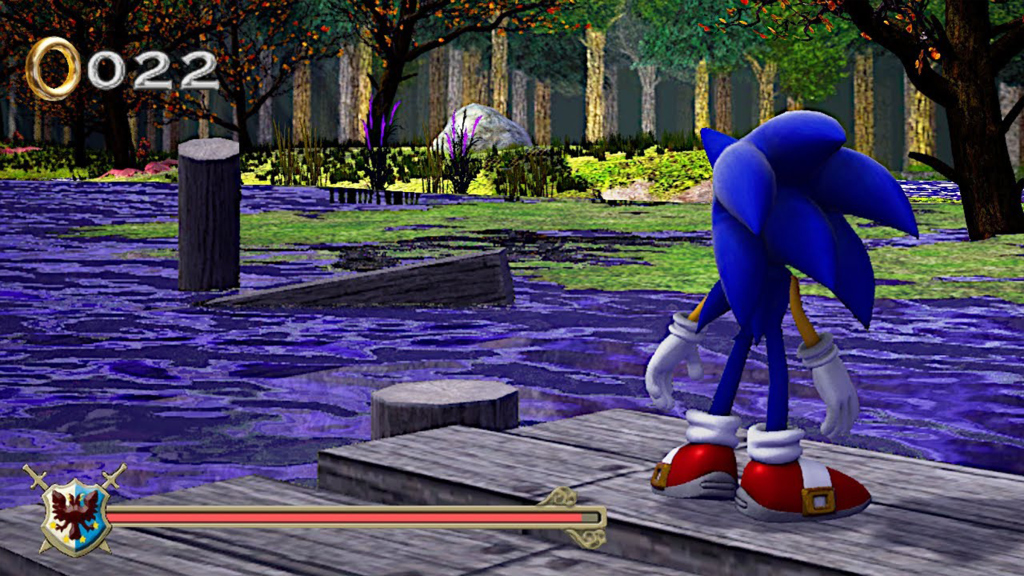
2009’s Sonic and the Black Knight is an unusual title in the Sonic franchise, as it lacks the inclusion of Dr. Eggman. It’s the second entry in the Sonic Storybook series, and sees Sonic transported into the tale of King Arthur. The game was released exclusively on the Wii and employed its motion-sensing capabilities for a variety of mechanics. Most notably, it was utilized in swinging Sonic’s sword as he attacked enemies. The game featured lovely graphics, a great story, and plenty of content. Still, some didn’t enjoy the motion controls and swordfighting mechanics that employed them.
43) Sonic Blast

Sonic Blast is a 1996 platformer released on the Game Gear. The game involves controlling Sonic and Nuckles across 15 levels to thwart Doctor Robotnik’s plan to use the Chaos Emeralds for his nefarious purposes. Much of the game featured side-scrolling platformer action, but it also included special stages to collect shards of the Chaos Emerald. The game was the last Sonic title for the handheld and featured pre-rendered graphics, showcasing the Game Gear’s technical capabilities. This didn’t make it a hit because, while it was programmed to look fantastic, its animations and color palette were mediocre.
42) Sonic Riders
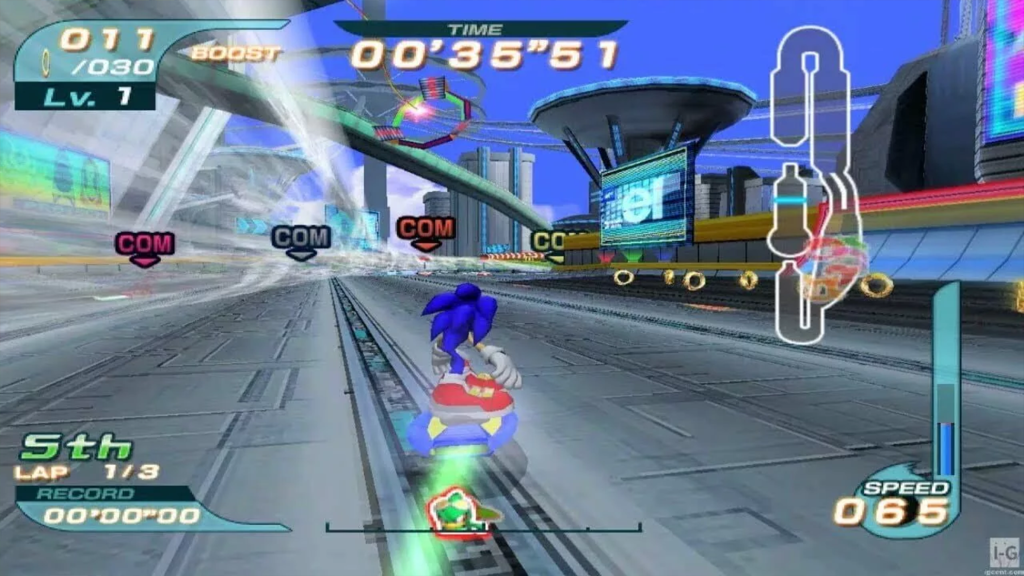
Sonic Riders is a racing game released on the GameCube, PlayStation 2, and Xbox in 2006. In the game, the player controls a racer atop a hoverboard while competing against computer or human-controlled racers. It was the first Sonic racing game in nearly a decade and a commercial success. Some didn’t like the controls and overall design, while most reviewers and players praised its visual style. While not a bad racing or Sonic game, Sonic Riders was mostly seen as an okay racer that didn’t elevate the genre or the Sonic franchise to new heights.
41) Sonic Riders: Zero Gravity
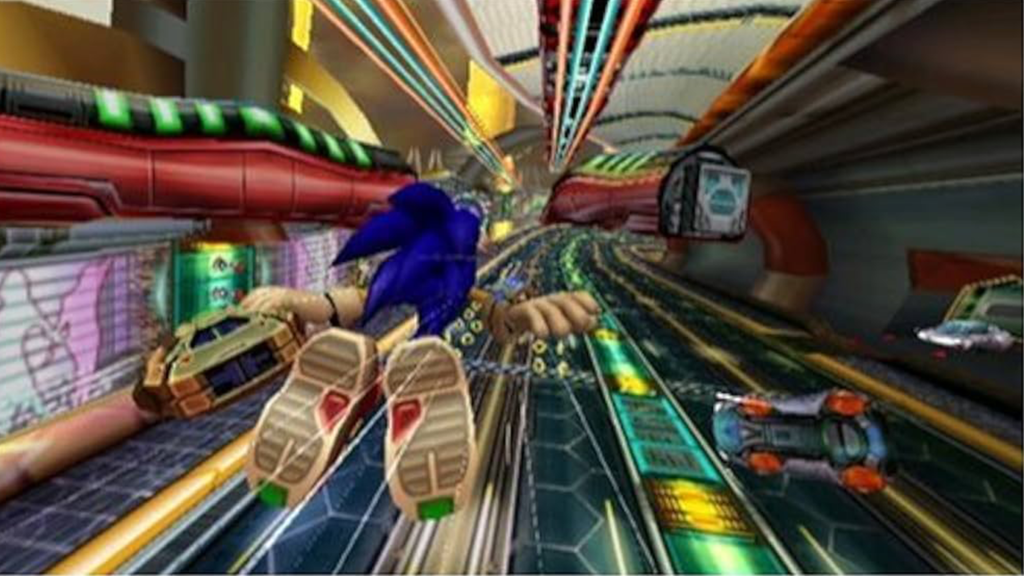
Because Sonic Riders was commercially successful, it received two sequels: Sonic Riders: Zero Gravity in 2008 for PlayStation 2 and the Nintendo Wii. The game featured many of the same mechanics and styles of its predecessors, using hovercrafts to zoom down its tracks. It added a new mechanic to its trick system that awarded Gravity Points, enabling more complex maneuvers. Many of the same complaints from its predecessor plagued Zero Gravity, though it did well enough to earn another entry in the Sonic spinoff franchise.
40) Sonic Forces
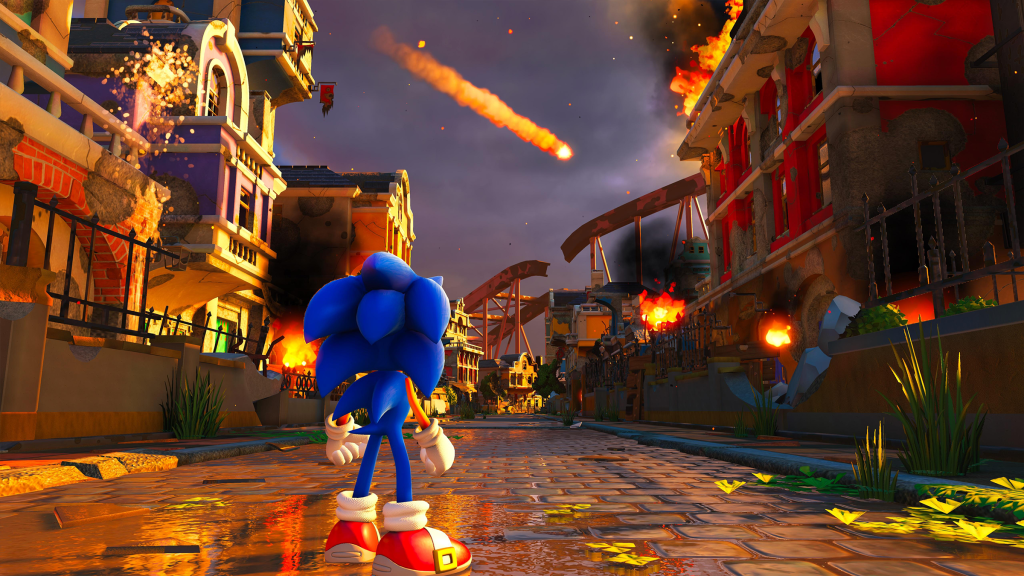
To commemorate the franchise’s 25th anniversary, Sega released Sonic Forces in 2017. The game follows Sonic as he joins a resistance movement against Doctor Eggman, who’s taken control of most of the planet. The game has three modes: Classic (side-scrolling), Modern (3D gameplay), and Avatar, which allows character customization. The game was released on the Switch, PlayStation 4, Xbox One, and PC to mixed reviews. The overall presentation, gameplay, and music received praise, while the game’s plot, level design, and short length turned some away. Some players didn’t like Classic mode, while others appreciated its callback to the franchise’s roots.
39) Sonic Unleashed
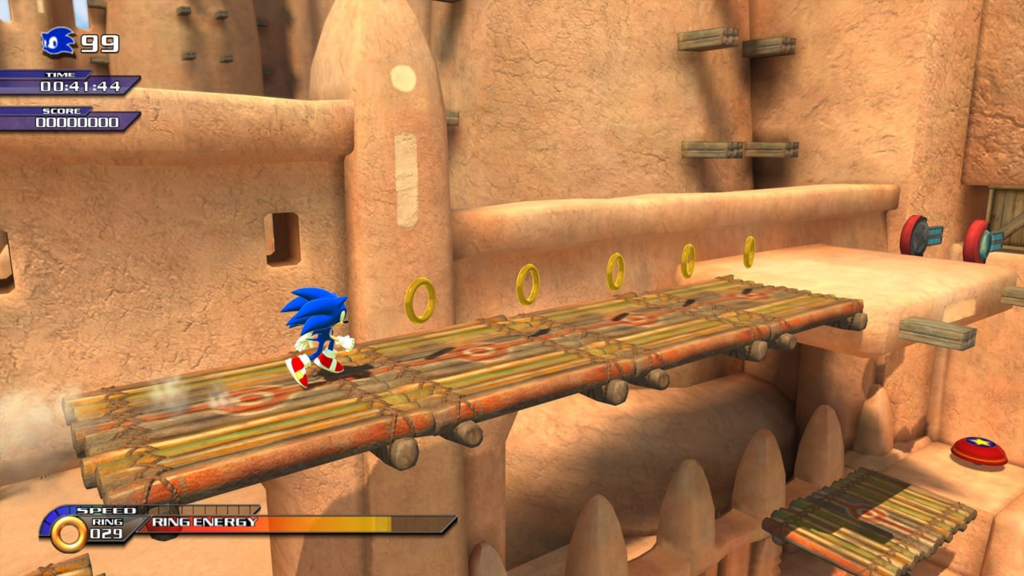
Sonic Unleashed was released in 2008 on all the major consoles available at the time. It follows Sonic attempting to restore the world following a cataclysmic action brought about by Doctor Eggman. Through it all, Sonic is afflicted with lycanthropy and has a new Werehog form. This introduced a day/night mechanic: Sonic is himself by day and a Werehog by night. The game was successful, selling almost 2.5 million copies, though it received some criticism surrounding the Werehog mechanic. It received praise for its graphics and the noticeable speed changes in daylight mode.
38) Sonic Lost World
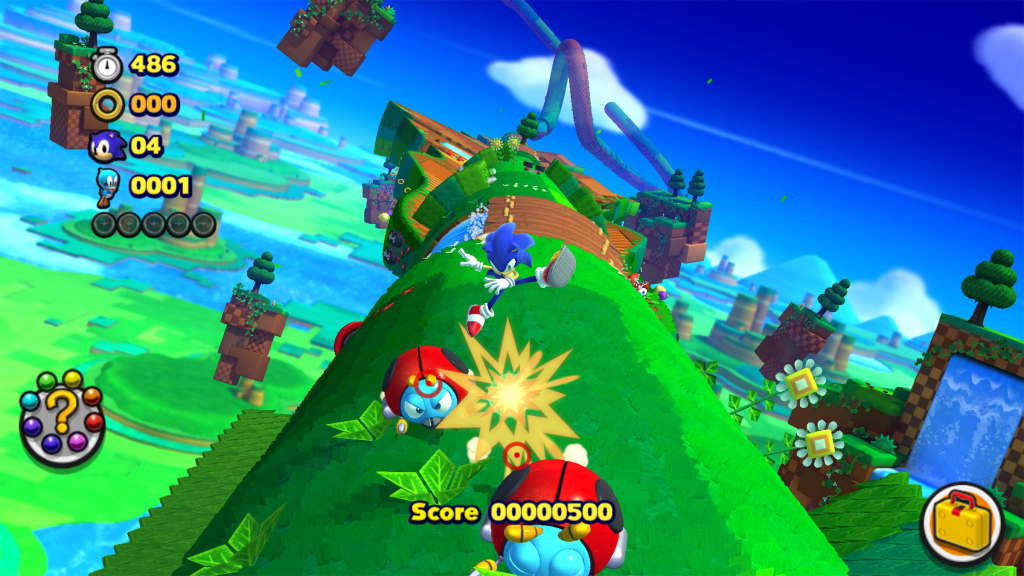
Sega and Nintendo collaborated to release Sonic Lost World in 2013 on the Wii U and 3DS. The game follows Sonic and Tails as they begrudgingly team up with Dr. Eggman to fight against the Deadly Six, an alien tribe threatening the world. While gameplay was typical of most Sonic titles, it included a parkour mechanic, which worked well with its tubular level design. The game received praise for its level variety and color palette, but its controls and antagonists were problematic for some gamers. Sonic Lost World featured DLC, which was available upon release and soon after, adding new levels and abilities.
37) Sonic Rivals 2
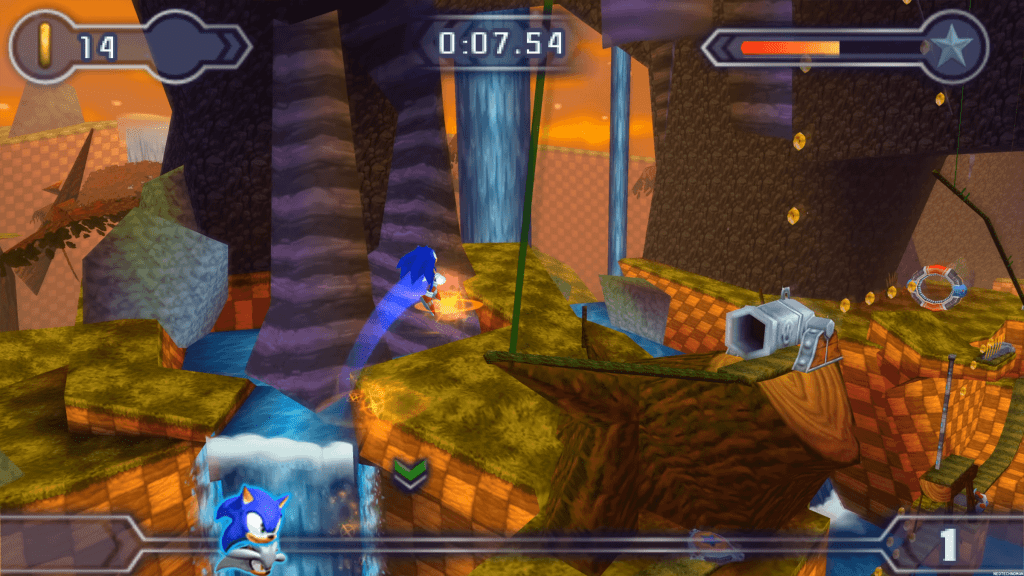
The second entry in the Sonic Rivals spinoff franchise was released in 2006 for the PlayStation Portable. The game featured four single-player modes, one of which included the game’s overarching story. Each zone consisted of three acts and a boss, and players could choose one of eight playable characters. That was three more than the game’s predecessor, allowing for an even number to split into two distinct teams. While Sonic Rivals 2 isn’t a bad entry in the Sonic franchise, it’s mostly average in terms of mechanics, gameplay, story, and graphics.
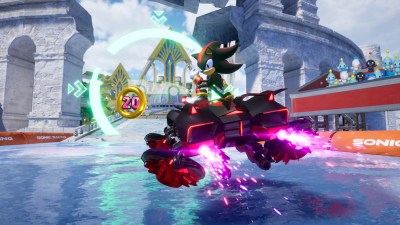
36) Sonic Drift
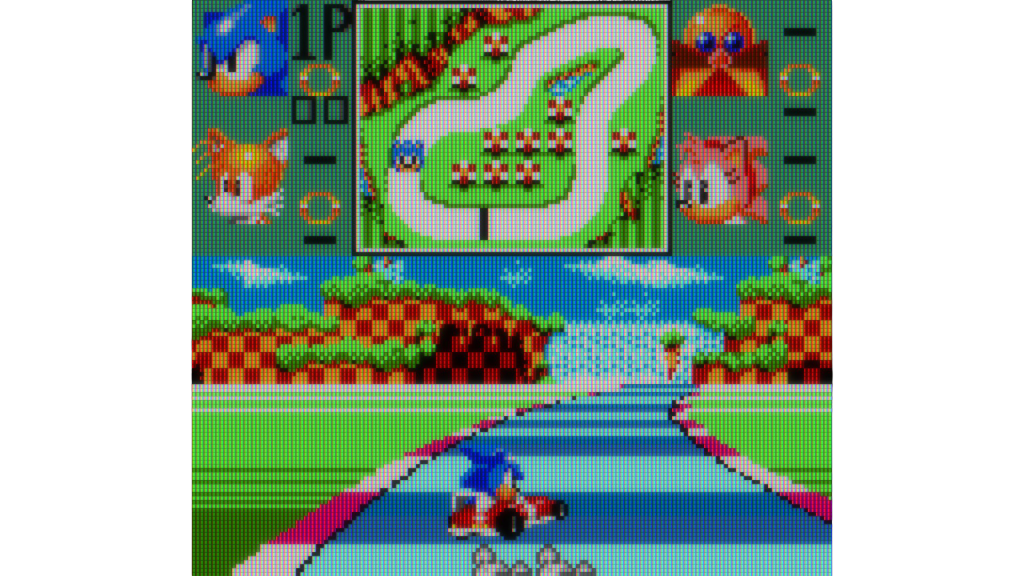
Sonic Drift introduced the character’s kart racing to the Sega Game Gear, and the game was packed with content. It featured 18 tracks, all designed to approximate the levels from the original Sonic the Hedgehog on the Genesis. The game was released exclusively in Japan in 1994, so not many in the West were able to play it until it was finally ported to the Dreamcast in 2003’s Sonic Adventure DX. Some criticisms focused on the overall gameplay and a lack of difficulty, but many who played it in the ‘90s enjoyed its features, which were similar in style to those of Sega’s Super Scaler arcade games.
35) Sonic the Hedgehog 4: Episode II

As the name implies, Sonic the Hedgehog 4: Episode II was released after Episode I, and follows the story where Sonic and Tales fight Doctor Eggman. The game is a 2D side-scrolling platformer, similar to the franchise’s earliest titles, with many of the same mechanics. It was released in 2012 for all the available platforms at the time. Sonic the Hedgehog 4: Episode II was well-received thanks to its impressive physics engine, graphics, and multiplayer functionality. It suffered in some areas, including its boss fights, but it was a moderate success. Still, it didn’t do well enough to continue the series.
34) Sonic Boom: Fire & Ice
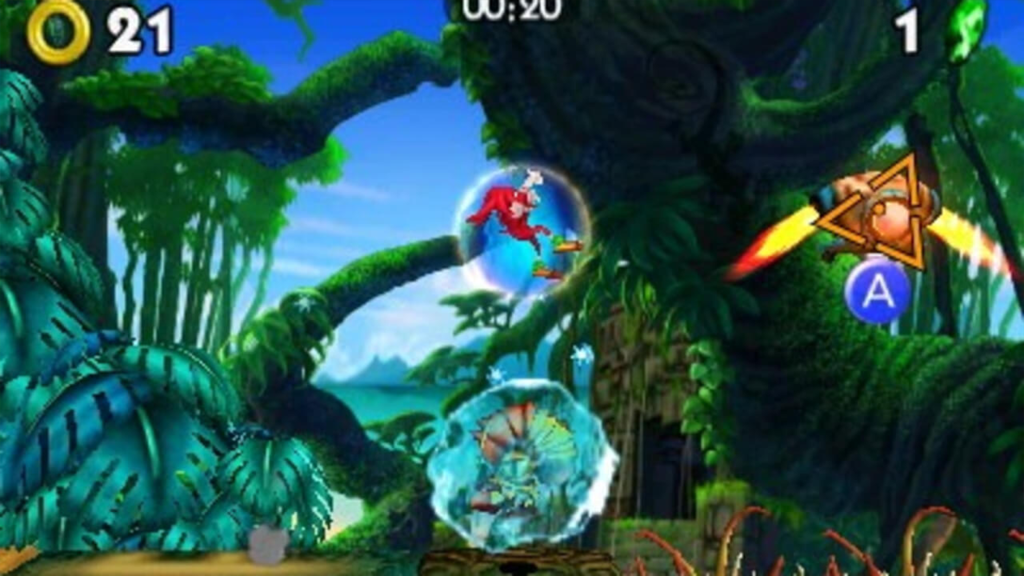
Sonic Boom: Fire & Ice is part of the Sonic Boom prequel game series and was released in 2016. The game dropped exclusively for the 3DS, taking full advantage of its hardware capabilities. Fire & Ice is a side-scrolling platformer, including Sonic, Knuckles, Sticks, Tails, and Amy, all available as playable characters. Gameplay allows for switching characters during gameplay, capitalizing on each one’s unique abilities to navigate the levels. While the game received mixed reviews, it’s widely considered the best of the three from the spinoff series for its more refined gameplay and improved graphics.
33) Knuckles’ Chaotix

Knuckles is a fan-favorite character in the Sonic franchise, and he’s gotten his own spinoff series. Knuckles’ Chaotix was released for the 32X in 1995, which is a shame, as not too many people had that console. Regardless, the platformer featured five playable characters with the goal of stopping Doctor Robotnik and Metal Sonic from conquering an island with six magical rings. The game wasn’t commercially successful, partly due to the failure of its system, but it’s not a terrible game, featuring innovative mechanics as the last true classic 2D Sonic game.
32) Sonic Rivals
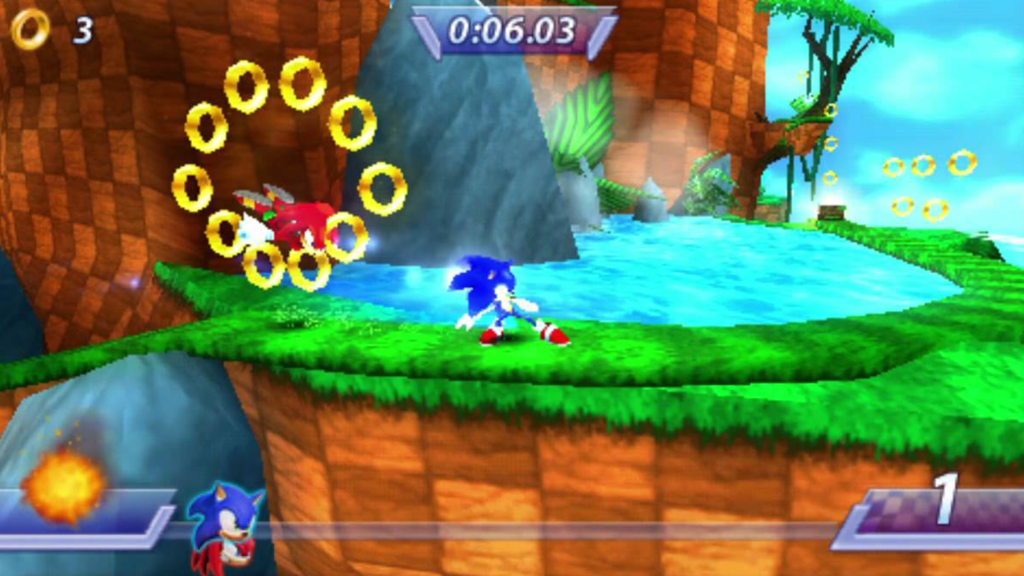
Sonic Rivals was released on the PlayStation Portable in 2005, establishing the short-lived spinoff action-racing series. The game started as a platformer, but evolved when it was engineered for the PSP, as its hardware capabilities supported more advanced gameplay. In the game, Sonic races against other characters and defeats a level boss, which adds a broader narrative and an overarching story. It was a commercial success, though it was strangely not released in Japan. Its graphics and sound were praised, while some criticized its controls and level design. It did well enough to garner a sequel, though Sonic Rivals 2 was the last in the series.
31) Sonic the Hedgehog: Triple Trouble
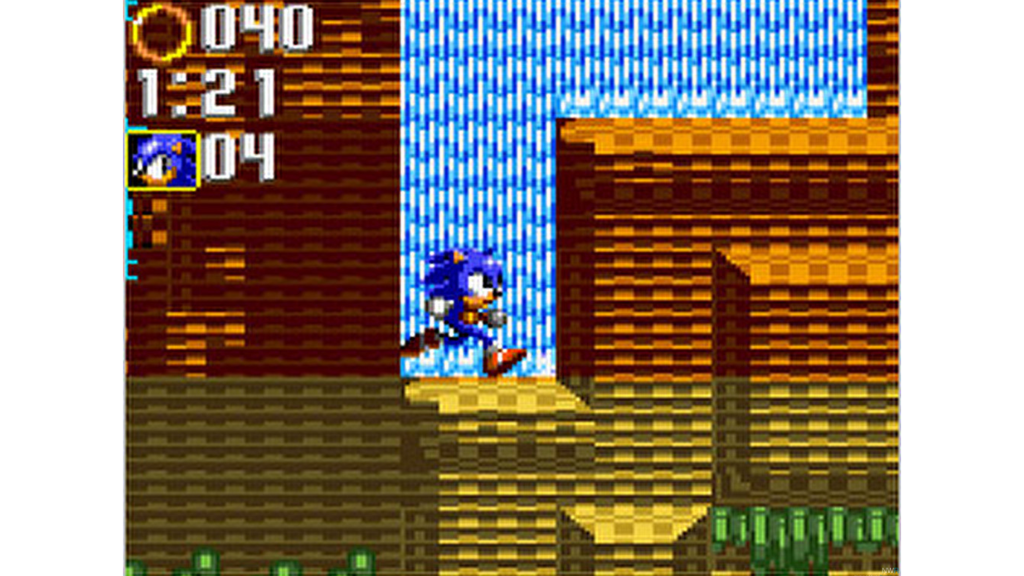
In 1994’s Sonic the Hedgehog: Triple Trouble on the Game Gear, the player took control of either Sonic or Tails as they endeavored to protect Chaos Emeralds from Doctor Robotnik, Knuckles, and Fang. The game featured the classic 2D side-scrolling format common to the franchise in the early 1990s, and used each character’s unique abilities to complete each level. Triple Trouble is a fun, portable addition to the franchise and one of the best titles released on the Game Gear, as it was comparable to the 16-bit games on the Genesis.
30) Sonic Frontiers
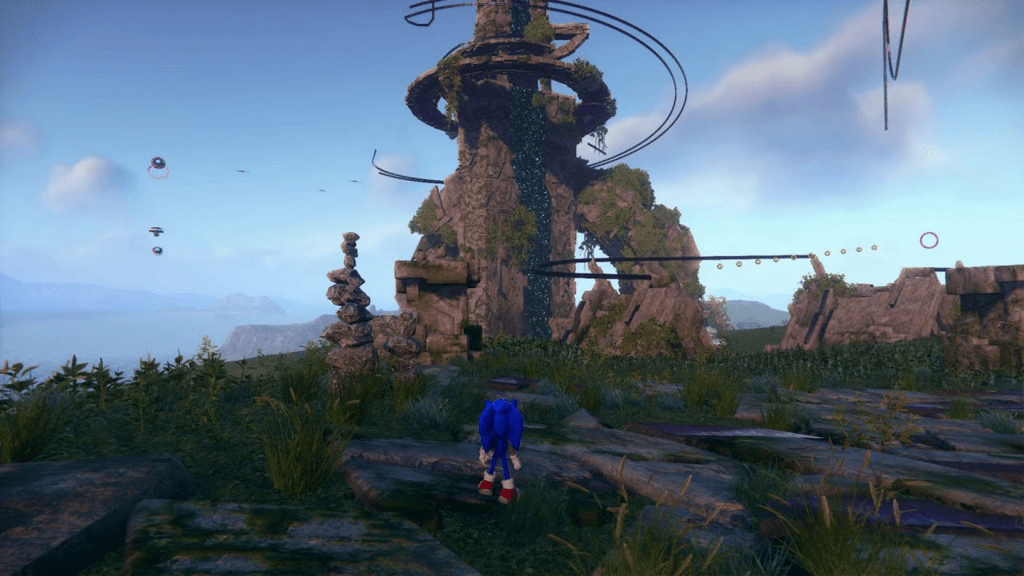
Sega released Sonic Frontiers in 2022 for the Switch, PlayStation 4 & 5, and pretty much everything else that could play it. The game features Sonic and his friends, who are caught in a wormhole that drops them in another dimension. It features a mix of mechanics from classic Sonic games, set in an open-world environment. Sonic must go through a series of islands, collect Chaos Emeralds, and defeat enemies. Sonic Frontiers did well, as players enjoyed its engrossing story, soundtrack, and graphics, though some felt Sega rushed it due to several glitches. Regardless, it sold 4.5 million copies, making it a success.
29) Sonic Heroes
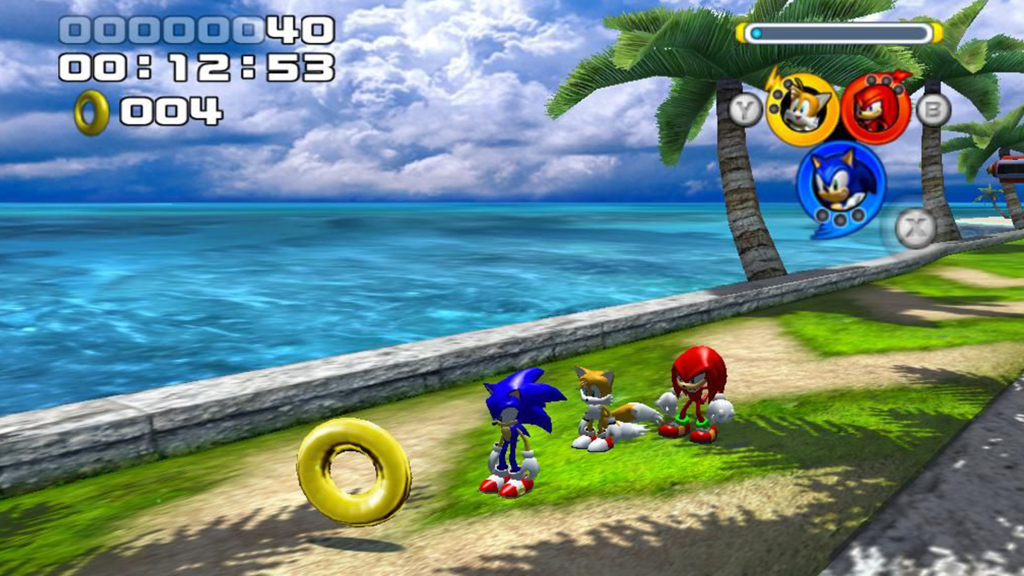
Sonic Heroes is a 2003 game released on all available systems, making it the first multi-platform title in the Sonic franchise. In the game, the player runs several characters through levels in search of Chaos Emeralds to defeat Doctor Eggman. The gameplay is more reminiscent of classic Sonic titles in that it doesn’t focus as much on the game’s exploration, instead favoring the style of the games popularized on the Genesis. Sonic Heroes was a success, selling nearly 3.5 million copies. While it had a camera mechanic some didn’t like, players praised it for its graphics, story, and gameplay.
28) Sonic and the Secret Rings
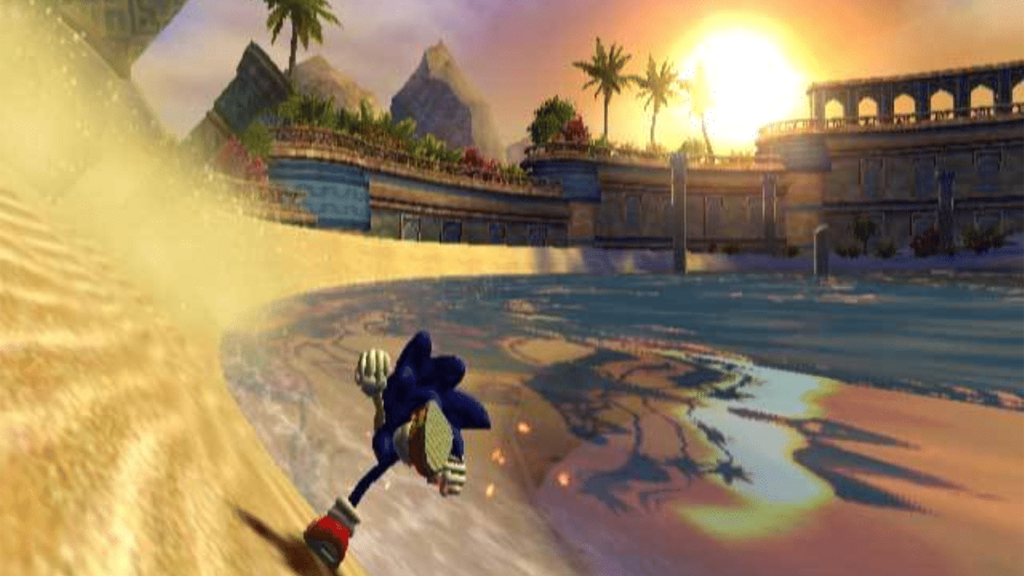
Sonic and the Secret Rings is a 2007 spin-off game published only on the Nintendo Wii. It’s the first Sonic title for the system, so expectations were high leading up to its release. The game follows Sonic on a quest to stop an evil genie. It utilizes many of the same platformer mechanics from previous Sonic titles, and includes an experience system with leveling. Players can unlock additional moves as they progress through the game. Secret Rings did well upon release and was an improvement over earlier titles, but some players found its controls to be challenging.
27) Sonic R
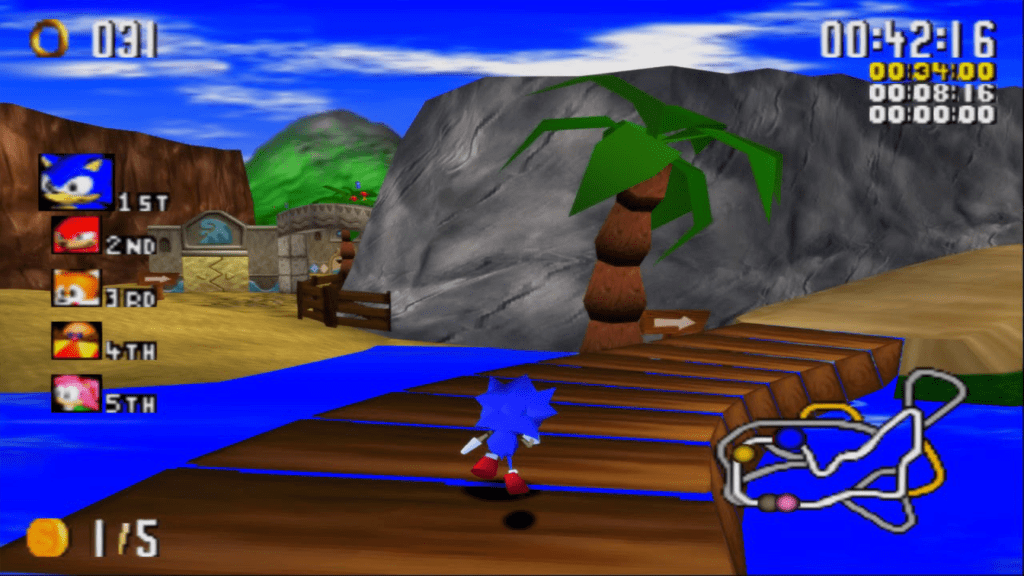
Sonic R is the third Sonic racing game, which was released on the Sega Saturn in 1997. It’s the first in the series to feature 3D graphics, and it includes ten characters from the franchise players can choose to race across the game’s Sonic-inspired tracks. It features an overarching narrative dealing with Doctor Robotnik attempting to steal Chaos Emeralds to take over the world, so you have to beat him to defeat him. The game featured impressive level design but somewhat shoddy controls. Regardless, it did well upon release, though in retrospect, it’s not the best racing game in the series.
26) Sonic Superstars

Sega released Sonic Superstars in 2023 for every available system, and it’s a callback to the franchise’s classic style of side-scrolling platformer. That said, it features beautiful graphics that are a step up from previous entries. The game allows the player to control Sonic, Tails, Knuckles, or Amy as they make their way through its levels on a quest to stop Doctor Eggman and Fang. It includes several interesting power-ups, and the game features four-player local multiplayer. Sonic Superstars was a success, selling over 2.4 million copies, and many players enjoyed its Genesis-inspired gameplay.
25) Sonic Generations
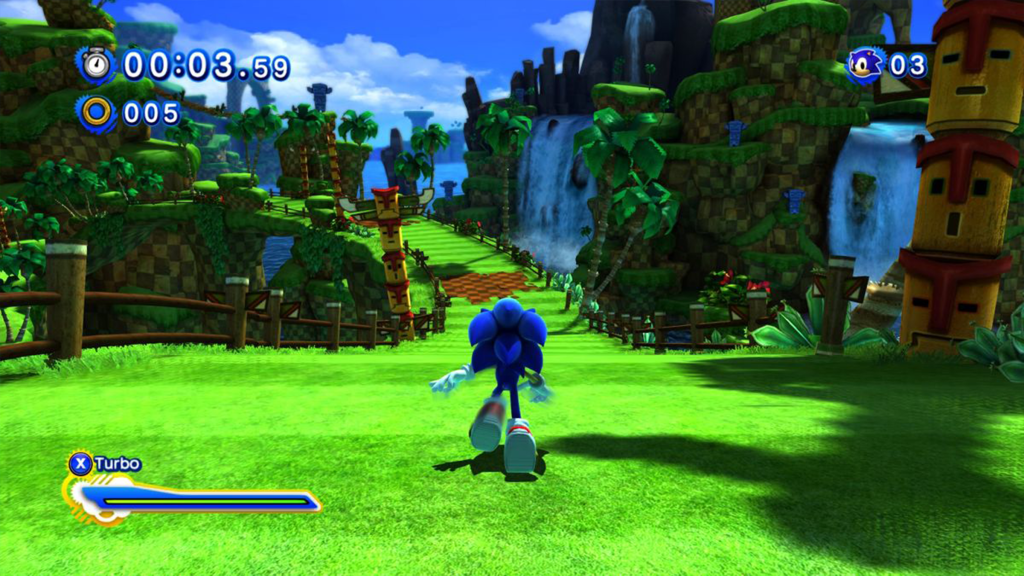
Sonic Generations is a 2011 platformer released on all major consoles, including the Nintendo 3DS. It was made to commemorate the franchise’s 20th anniversary and follows Sonic and Tails as they pair up with their past selves to explore previous Sonic games. This allows for two gameplay styles: Classic, a side-scrolling perspective, and Modern, featuring 3D levels. Sonic Generations was positively received by players and critics, selling around 1.85 million copies. Most found no fault with the game, praising it for its love for the overall franchise, beautiful visuals, and exciting gameplay.
24) Sonic & Sega All-Stars Racing
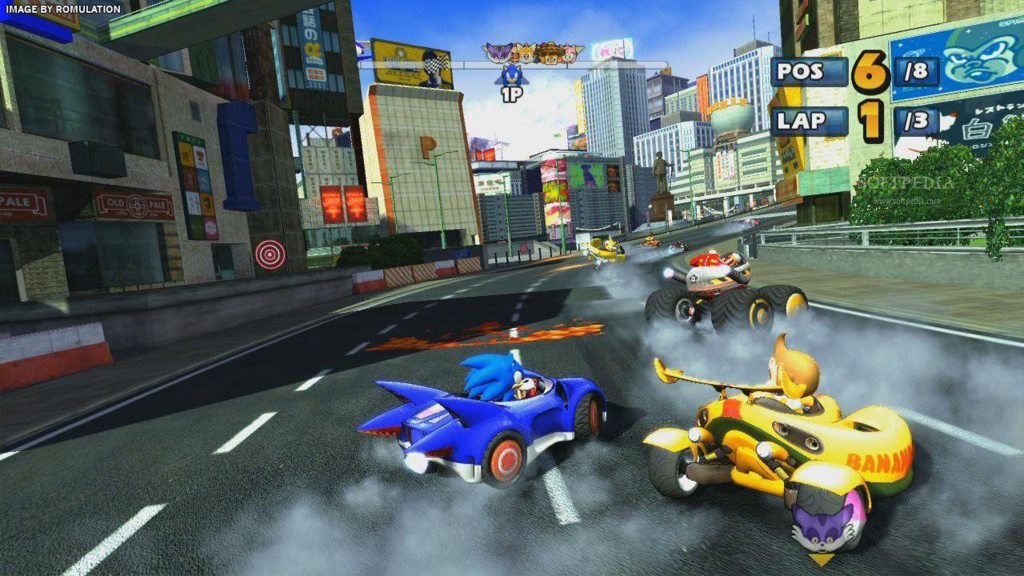
Sonic’s kart racers got a great addition in 2010 via Sonic & Sega All-Stars Racing, published on all of the available home consoles and the Nintendo DS. It’s the third title in the Sega All-Stars series, and it even had a mobile port on iOS the year after its release. The game features beautiful graphics and challenging yet fun tracks. This increases the game’s replayability and makes it a fan favorite among kart racing enthusiasts. Sonic & Sega All-Stars Racing did well commercially, spawning a sequel, which we’ll get to in a little bit.
23) Team Sonic Racing
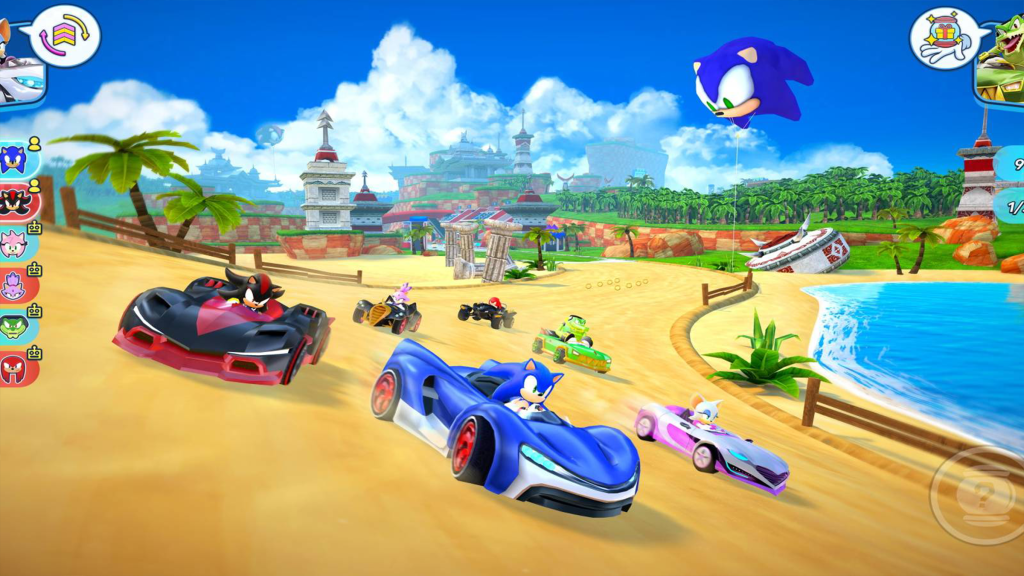
Team Sonic Racing is another kart racing game, though it’s newer, having been released in 2019 on the available consoles. It features 15 playable characters from across the franchise’s games. Gameplay features sports cars in a third-person perspective, with players able to pull off tricks, including drifting. It features cooperative gameplay, which sets it apart from other Sonic kart racers and makes it a more challenging experience, as well as several modes for diversified gameplay. Players appreciated the game’s track designs and cooperative gameplay, though the story mode wasn’t as much fun as in some other racers.
22) Sonic the Hedgehog 4: Episode I
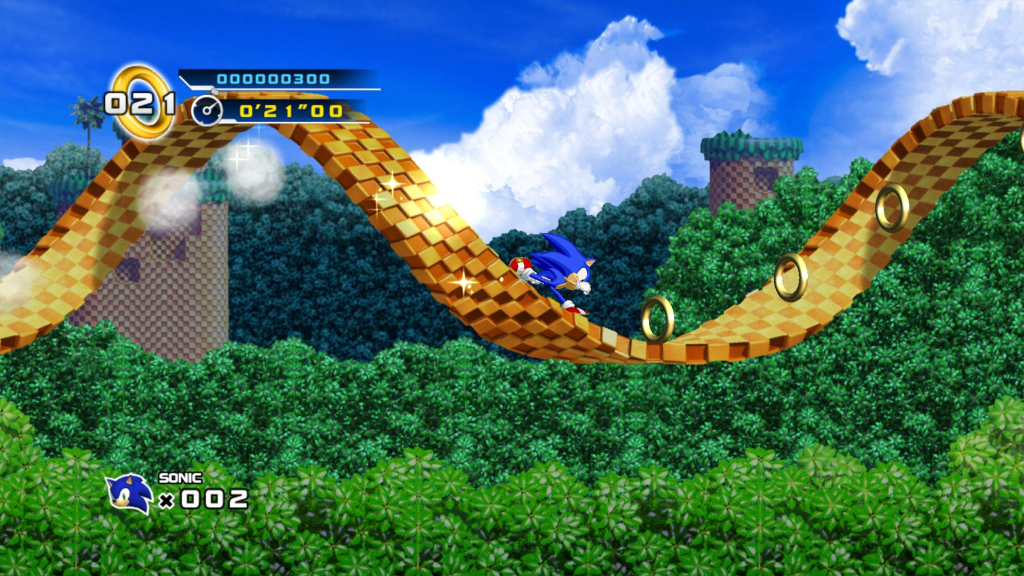
Like its successor, Sonic the Hedgehog 4: Episode I is a platformer featuring side-scrolling gameplay. It’s a sequel to 1994’s Sonic & Knuckles, following a story where Sonic must once more stop Doctor Eggman from his megalomaniacal aspirations of world domination. The game was released in 2010 and was available on all major consoles and computer systems, as well as a handful of cellphones running Android, Windows Phone, iOS, and BlackBerry Tablet OS. Sonic the Hedgehog 4: Episode I was praised for its embrace of the franchise’s nostalgic early days, and its success spawned a sequel.
21) Sonic Dream Team
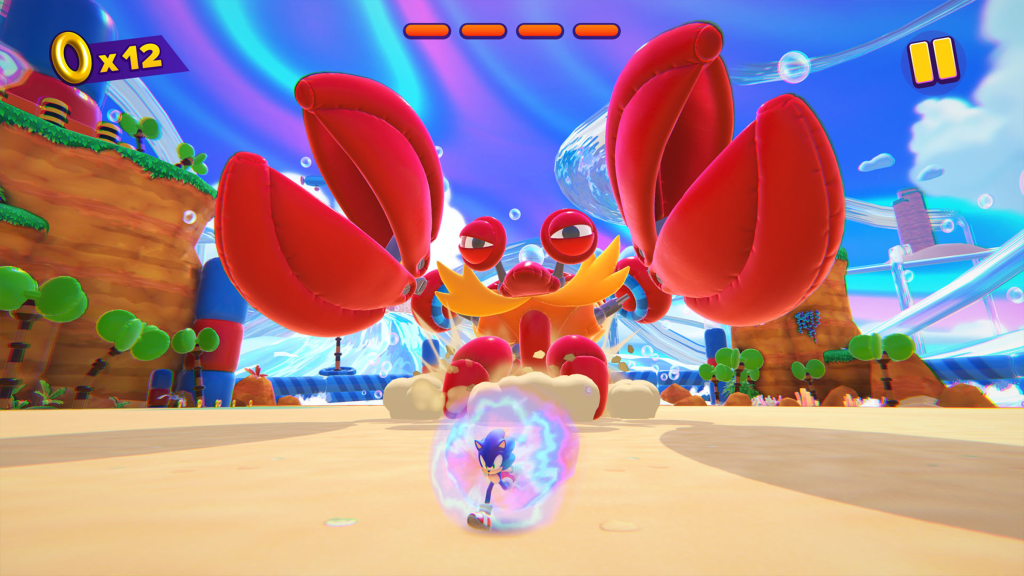
Sonic Dream Team was released in 2023 for a limited number of Apple Arcade-compatible systems: iOS, macOS, and tvOS. In the game, Sonic, Knuckles, Tails, Amy Rose, Cream, and Rouge make their way across Reverie Haven to thwart Doctor Eggman’s evil plans. It features excellent visuals and gameplay, though some found it too short for a standard full-length game. After its release, an update introduced Shadow to Sonic Dream Team. An additional update in 2025 included a mini campaign for the character, so it’s remained in active development since its release.
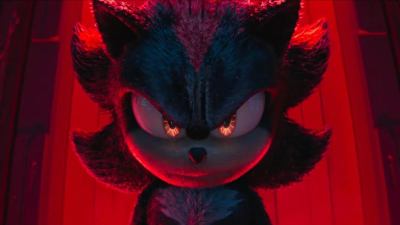
20) Sonic 3D Blast
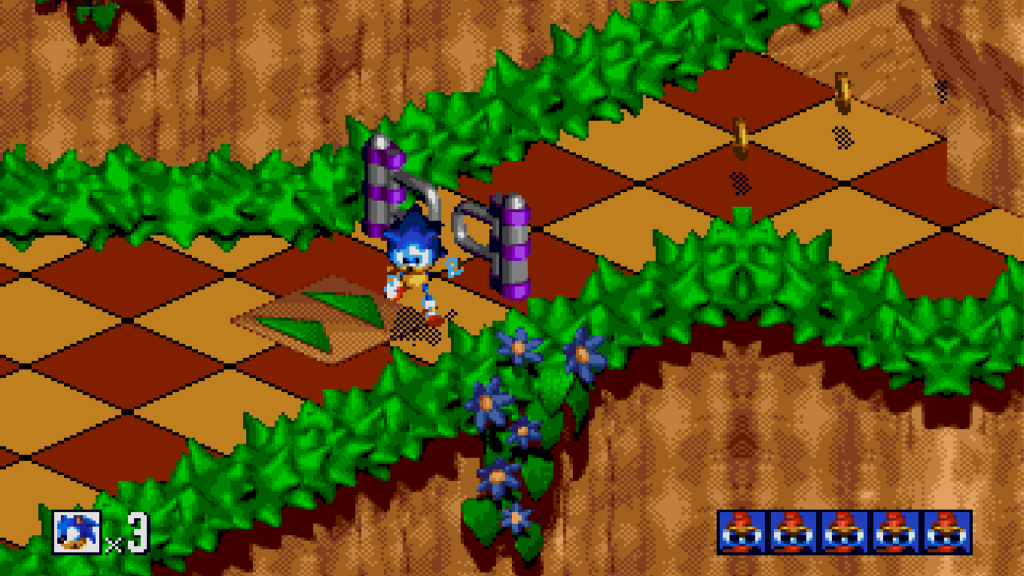
Sonic 3D Blast is a 1996 platformer released on both the Sega Genesis and the Sega Saturn. In the game, Sonic must save the Flickies from Doctor Robotnik by running through various levels, collecting the little birds to defeat the villain. The game’s mechanics are similar to those from previous franchise titles, but it’s distinctive through its use of a 2D isometric perspective. The graphics employ pre-rendered 3D models as well, improving the visuals over older Sonic games. The game was a hit, receiving widespread acclaim for its graphics, though some weren’t enamored with the isometric gameplay, as it was too dissimilar from previous Sonic games.
19) Sonic Adventure 2
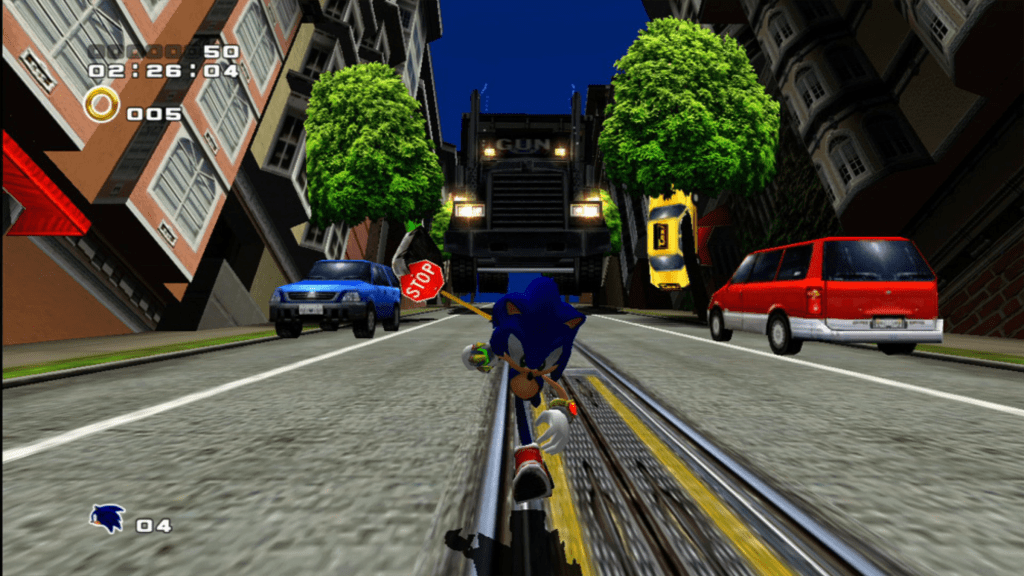
The second entry in the Sonic Adventure series was released on the Dreamcast in 2001. The game centers on two different stories featuring Sonic, Tails, and Knuckles. They fight to save the world from Doctor Eggman, Rouge, and Shadow. After its initial release, Sonic Adventure 2 was ported to the GameCube, PlayStation 3, and Xbox 360, so it had a wider reach than its predecessor. Despite this, it doesn’t match up to Sonic Adventure’s success. Still, there’s no denying that, on its own, it remains a beloved title in the franchise, praised for its story, graphics, and more.
18) Sonic & All-Stars Racing Transformed
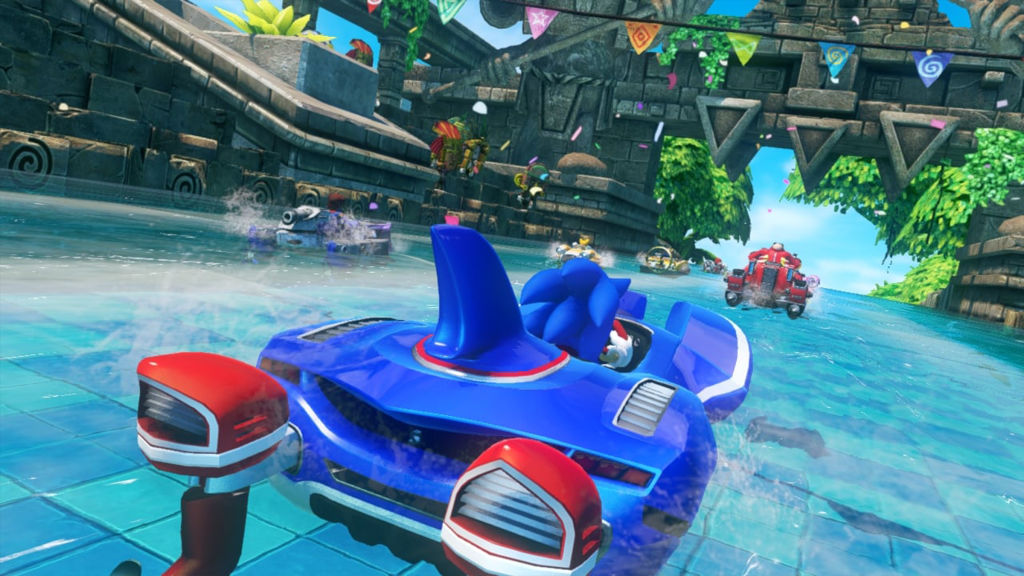
Sonic & All-Stars Racing Transformed is a 2012 kart racer that was released on pretty much everything that could play it, including the 3DS and PlayStation Vita. The game is a sequel to 2010’s Sonic & Sega All-Stars Racing. It received widespread acclaim for its robust roster of characters, graphics, controls, and more. The game was well received across the board, winning multiple accolades, including being named as one of the best racing games of 2012. While the first game in the series was a lot of fun to play, Transformed added considerably more content, making it superior in several ways.
17) Sonic Rush Adventure

Sonic Rush Adventure is the 2007 sequel to Sonic Rush, which was released two years earlier. The game was made for the Nintendo DS and features Sonic and Tails in another dimension, where they must help Blaze the Cat fight against pirates. Players control either Sonic or Blaze as they spin and run through the side-scrolling platformer, which has much in common with the franchise’s entries from the 1990s. It used the DS’ hardware by including boating minigames on its touchscreen. Sonic Rush Adventure was well received, and while it’s fun to play, some felt it lacked replay value; it’s still entertaining.
16) Sonic Colors
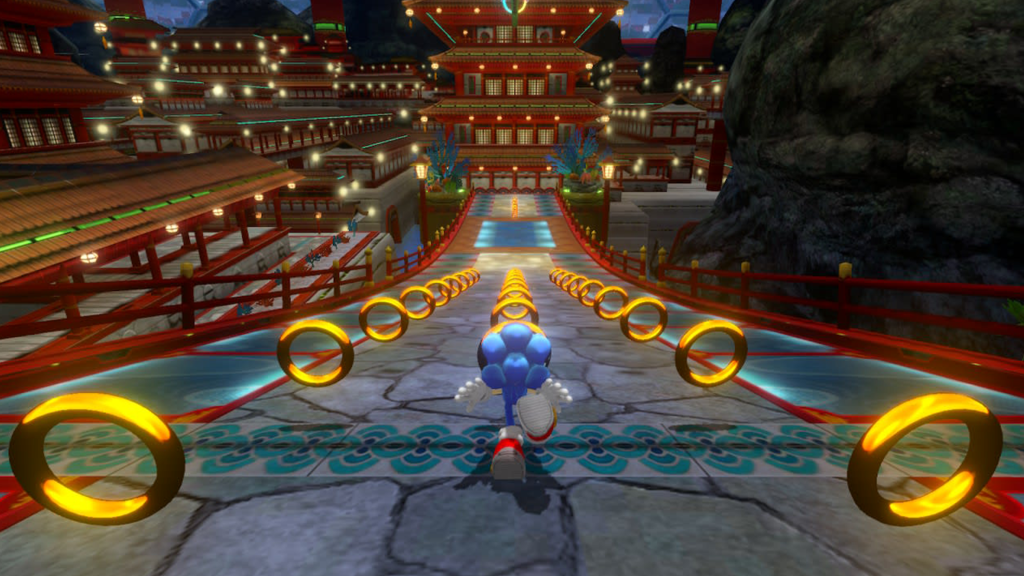
Sonic Colors was released in 2010 across all available systems and follows a similar style to other games of the era. In the game, Sonic must stop Doctor Eggman from taking over the world — that old chestnut. The game’s camera switches between classic side-scrolling and third-person perspectives, creating a rich gaming experience throughout. Sonic Colors was a hit upon release and a commercial success, selling over 4 million copies. It’s been praised for its high replayability, graphics, sound, gameplay, and more. Some weren’t as enamored with its multiplayer mode, but it remains one of the best entries in the franchise.
15) Sonic Advance 3

Some of the best handheld entries in the Sonic franchise were released on the Game Boy Advance, and Sonic Advance 3 is high on the list. It’s the last in the series, and it features Sonic, Amy, Tails, Knuckles, and Cream, all banded together to thwart Doctor Eggman’s plan to establish empires on each of the seven chunks of the planet that he’s split them into. It consists of seven zones, each with three acts and a boss. The gameplay and overall aesthetics were a great addition to the series, and Sonic Advance 3 was both a commercial and critical success.
14) Shadow Generations
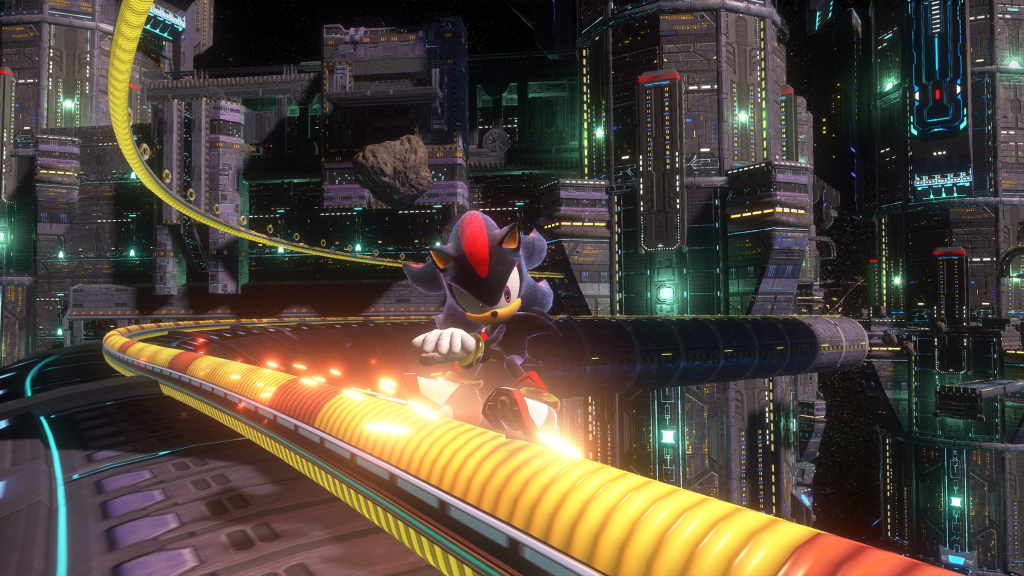
While Shadow’s first eponymous title didn’t do well with fans or critics, his second solo outing, 2024’s Shadow Generations, is incomparable to his earlier attempt. The game was released on all available consoles and PC, but it wasn’t available as a standalone title. Instead, it’s part of a bundle, Sonic X Shadow Generations, which includes a remaster of Sonic Generations. Regardless, it’s a game in and of itself, and it sees Shadow travel across time to fight Black Doom. The narrative runs alongside Sonic Generations, hence the bundle. It was a huge hit, selling over 2 million copies, and was ported to the Switch 2 in 2025.
13) Sonic Chaos
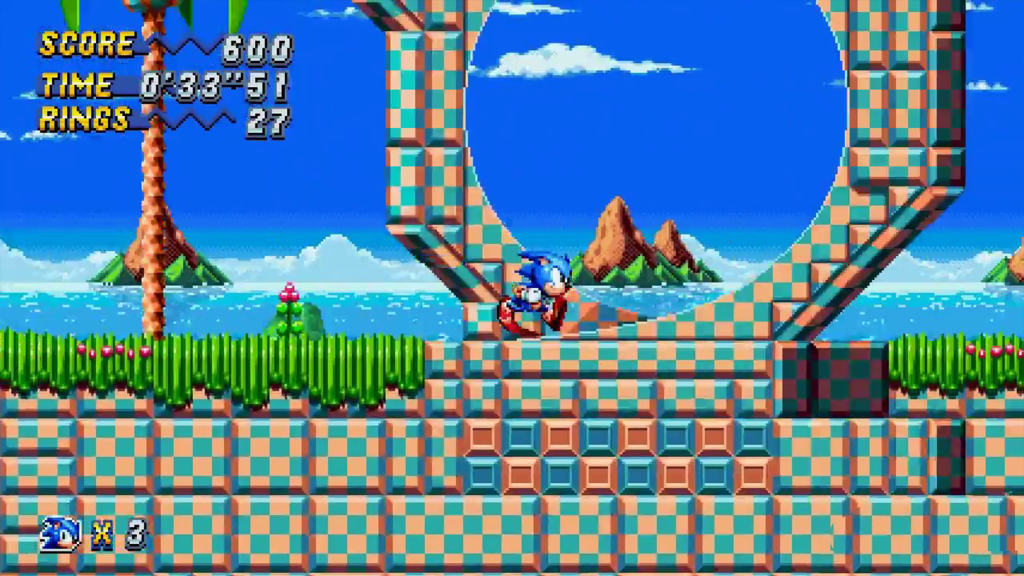
Sonic Chaos is an early franchise entry that found its way onto the Sega Master System and the Game Gear. In the game, Sonic and Tails hunt down Chaos Emeralds, taking them from Doctor Robotnik, who wants to develop nuclear weapons. The gameplay is very reminiscent of the Master System port of Sonic the Hedgehog 2, so it serves as a follow-up. Sonic Chaos is the first game for either system to allow players to play as Tails, taking advantage of his unique abilities. It was a hit, leading to its sequel, Sonic the Hedgehog: Triple Trouble.
12) Sonic Rush

Sega released Sonic Rush on the Nintendo DS in 2005, taking full advantage of the console’s capabilities. The game is a relatively standard 2D platformer, drawing inspiration from other handheld games like Sonic Advance. It features side-scrolling displayed on both DS screens. In Sonic Rush, the player controls Sonic alongside Blaze as they fight Doctor Eggman and Eggman Nega. Sonic Rush was highly praised for its graphics, music, and how well it extended the classic gameplay style of earlier entries in the franchise. Its success resulted in a sequel two years later, though it wasn’t as good as the original.
11) Sonic Racing: CrossWorlds
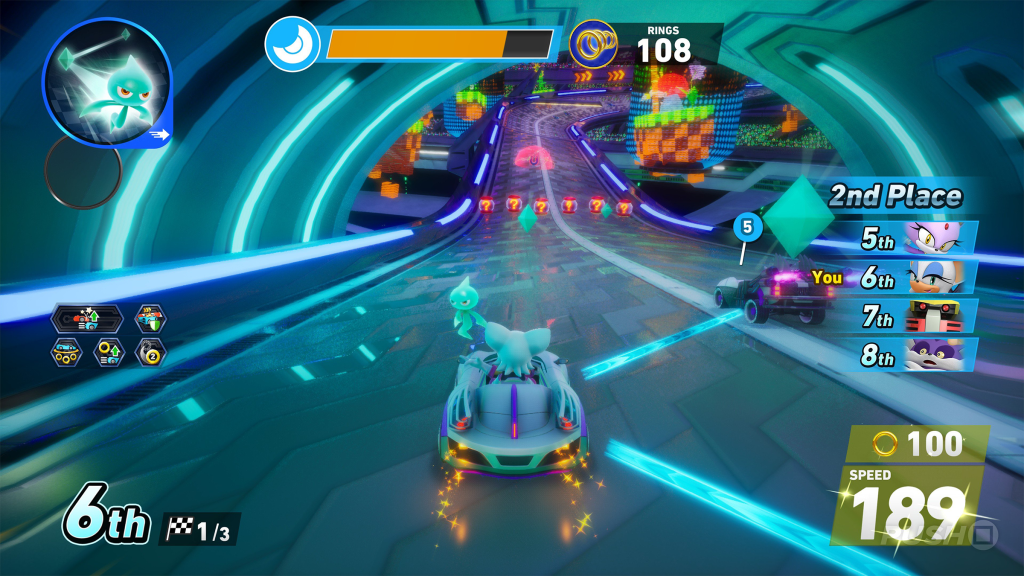
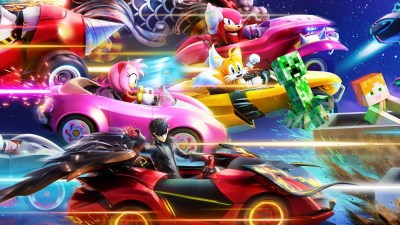
As of writing, Sonic Racing: CrossWorlds is the most recent addition to the Sonic franchise, and it’s a spectacular entry. The game is a kart racer that features a new CrossWorld mechanic that takes racers from one track to another mid-race. It was released in September 2025 for most systems, with a Switch 2 port arriving three months later. The gameplay is incredibly fun and entertaining, thanks mainly to a variety of customization options. Additional content was released soon after publication as DLCs, and Sonic Racing: CrossWorlds has enjoyed widespread acclaim from critics and players.
10) Sonic Advance 2
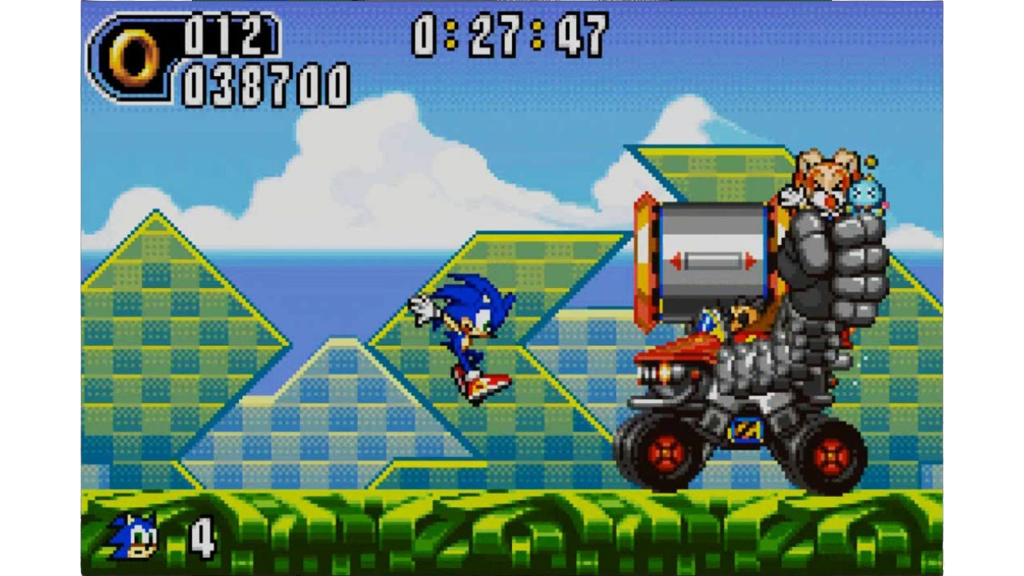
The second entry in the Sonic Advance series was another hit upon its 2002 release and remains a classic beloved by fans of the franchise. The game’s story follows Sonic on a quest to save his buddies by retrieving seven Chaos Emeralds from Dr. Eggman. Gameplay involves running through each level as one of five characters, using their unique abilities to reach the end. This leads to a boss battle after each level, where the player must fight Dr. Eggman. The game featured more content than its predecessor, and it offered high replayability. Like Sonic Advance, Sonic Advance 2 was commercially successful, spawning a sequel.
9) Sonic the Hedgehog Pocket Adventure
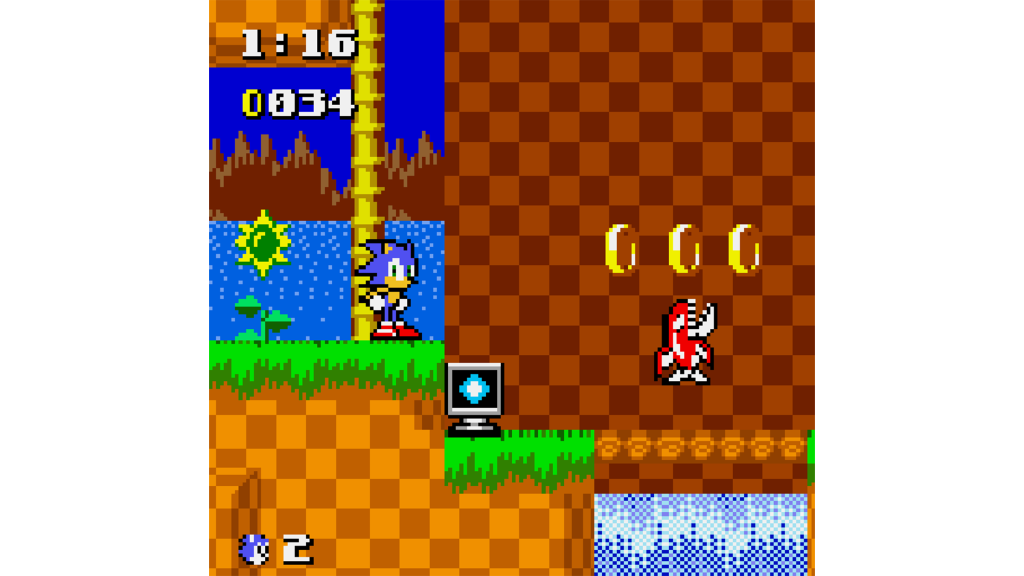
While it’s not the best-known system today, SNK’s NeoGeo Pocket Color featured some excellent titles, including Sonic the Hedgehog Pocket Adventure. The game was released in 1999, and it resembled the gameplay and style of earlier side-scrolling entries in the franchise. It’s a faithful adaptation of the formula that worked incredibly well on the system, which had impressive hardware capabilities at the time. The people who developed this title went on to create many more in the franchise, but it all started with Sonic the Hedgehog Pocket Adventure, which was widely beloved by fans as one of the franchise’s best mobile games.
8) Sonic Advance
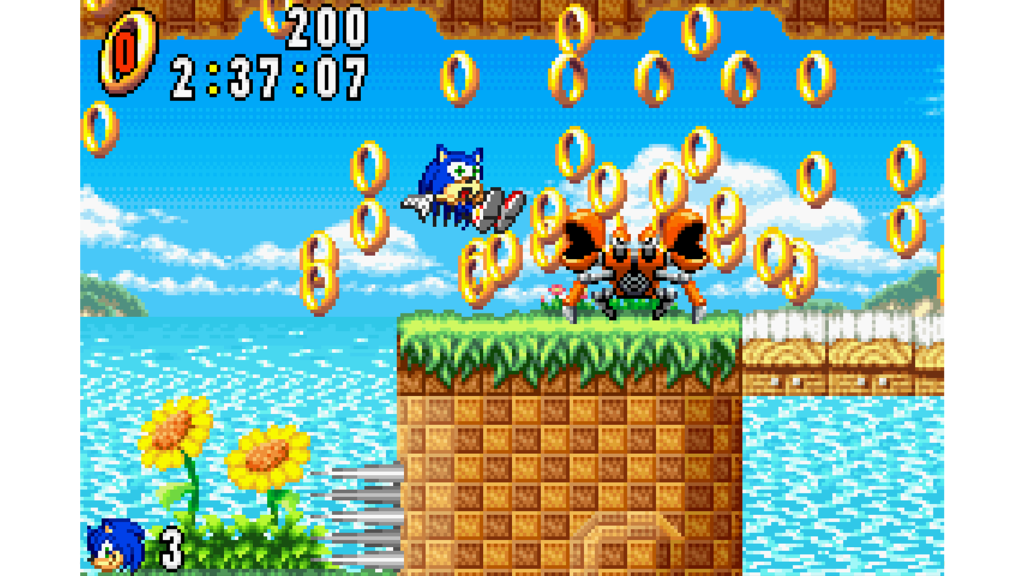
While each successive entry in the Sonic Advance series was bigger than the ones that came before, there’s no denying that the first was the best of them all. The game was one of the first Sega games released for a Nintendo console after Sega lost the ’90s console war following the Dreamcast’s commercial failure. In the game, Sonic, Amy, Tails, and Knuckles fight against Doctor Eggman, who naturally wants to take over the world. Gameplay is similar to earlier titles released on the Genesis, making it a fantastic mobile option for franchise fans. Sonic Advance was a huge hit, selling over 1.2 million copies, and spawned two sequels.
7) Sonic Mania
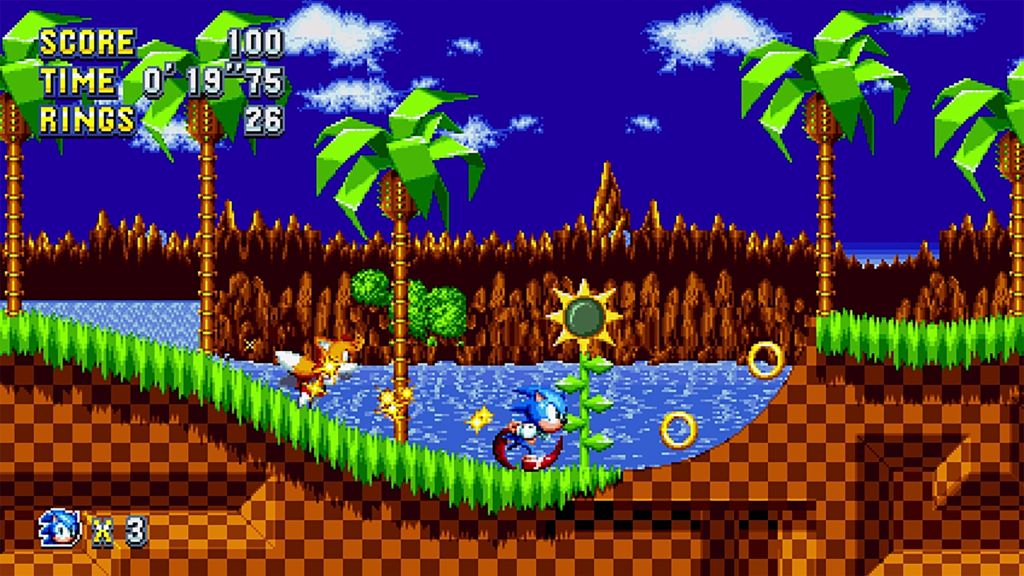
If you loved the original Sonic games on the Sega Genesis, Sega published a treat just for you in 2017 with the release of Sonic Mania on all available platforms. The game pays homage to 2D side-scrolling titles from the 1990s and was made to commemorate the franchise’s 25th anniversary. It features the same kind of side-scrolling magic you’ve come to expect across its 13 levels, several of which are redesigns from previous titles. In the game, Sonic, Tails, and Knuckles fight Doctor Eggman and his evil henchmen to save the day. Sonic Mania was a hit, selling more than a million copies, and is regarded as one of the best games in the franchise.
6) Sonic Adventure
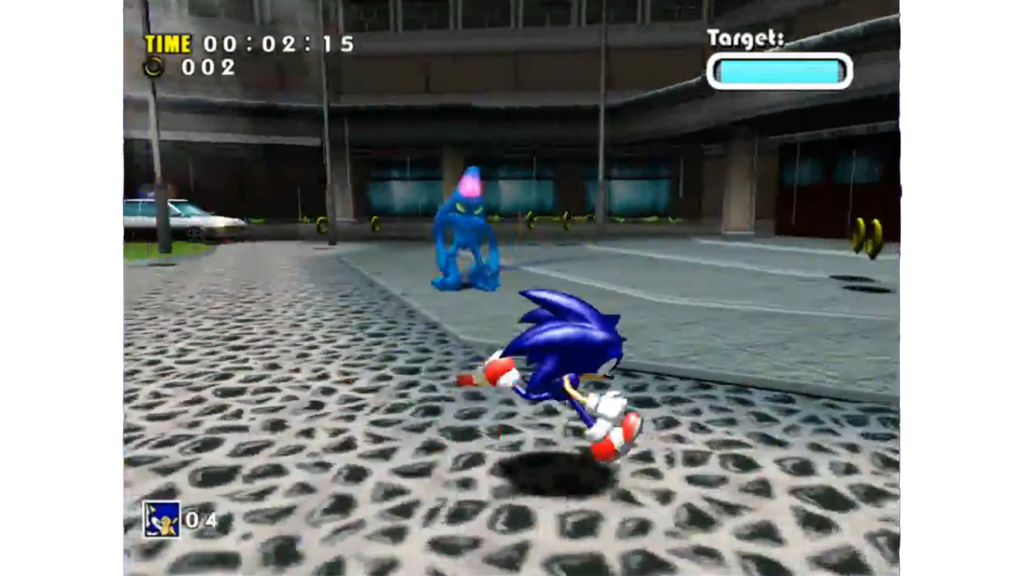
Sonic Adventure was released on the Dreamcast in 1998, and it was the first in the franchise to feature 3D gameplay. The game focuses on several characters, including Sonic, Tails, Knuckles, and others, as they seek out Chaos Emeralds to stop Doctor Robotnik from completing his evil plan. It is similar to previous entries, but adds several minigames, including a virtual pet and racing. The game was a huge success, but the Dreamcast’s poor sales limited its release. As a result, Sonic Adventure was ported to the GameCube and PC with updated graphics.
5) Sonic CD
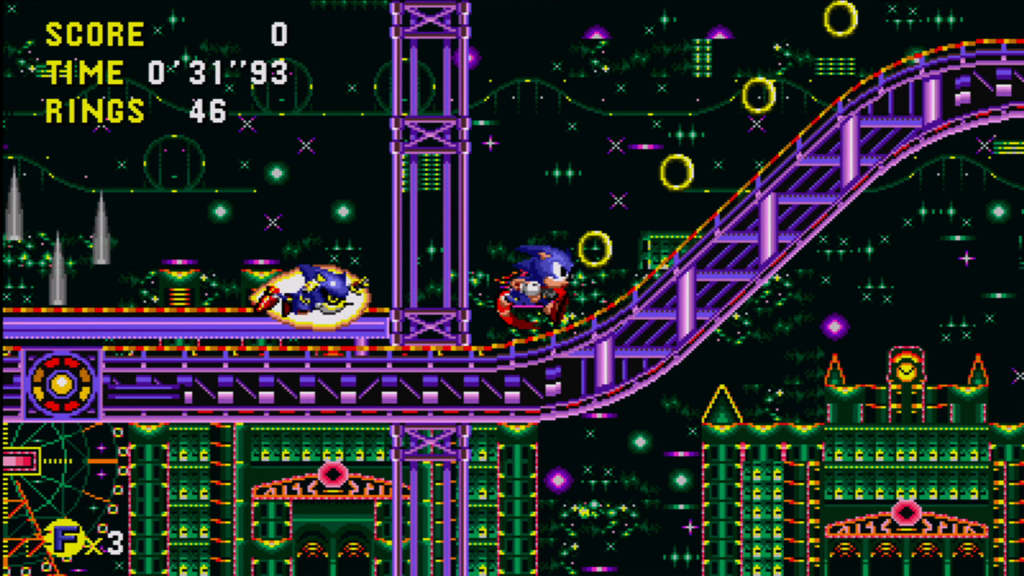
While the Sega CD wasn’t the best-selling system in Sega’s console library, it featured some fantastic games. One such title, Sonic CD, arrived in 1994, and it’s easily one of the franchise’s best. In the game, Sonic must protect Little Planet from Doctor Robotnik. He does so by running through levels, collecting rings, and beating up enemies. It included a time-travel mechanic that allowed players to experience stages differently, with altered layouts, graphics, and music. The game also marked the debut of Amy and Metal Sonic. It was a hit, selling over 1.5 million copies and becoming the system’s best-selling game.
4) Sonic the Hedgehog 2
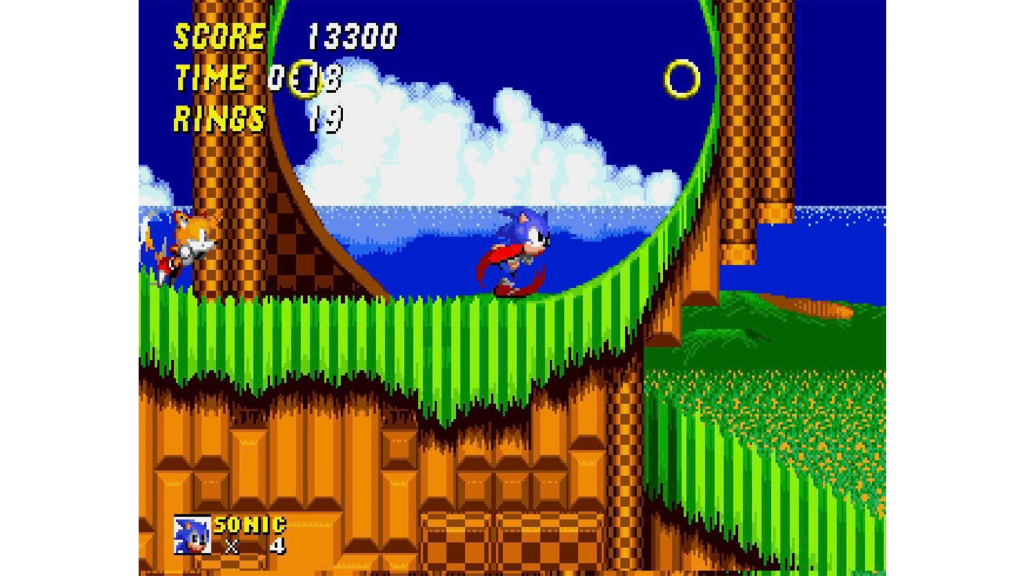
The first Sonic game was a fantastic hit for Sega, so it didn’t take long for the devs to throw together a sequel. While it was released only a year after the first, Sonic the Hedgehog 2 isn’t a bad sequel — it’s one of the franchise’s best titles, and remains so decades after its release in 1992. In the game, Sonic must stop Doctor Robotnik from stealing the Chaos Emeralds, so he runs through side-scrolling levels in the same style as the first title. Sonic the Hedgehog 2 introduced Tails to the franchise, featured larger levels, and included multiplayer mode and pre-rendered 3D graphics.
3) Sonic & Knuckles
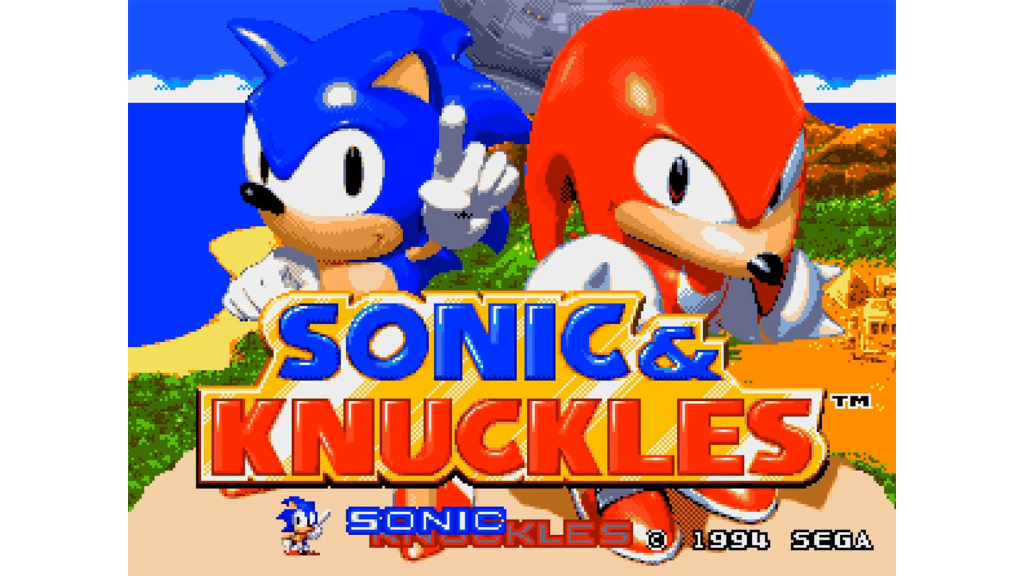
Sonic & Knuckles was released for the Sega Genesis in 1994 and quickly became a favorite title in the growing franchise. In the game, players take control of Sonic or Knuckles as they fight to stop Doctor Robotnik from launching the Death Egg into orbit. The game features the standard side-scrolling level design common to the period and features sensational replayability. It was one of the console’s best-selling games, amassing more than 4 million units, and is easily one of the most entertaining early entries in the franchise, standing above the many dozens that followed.
2) Sonic the Hedgehog
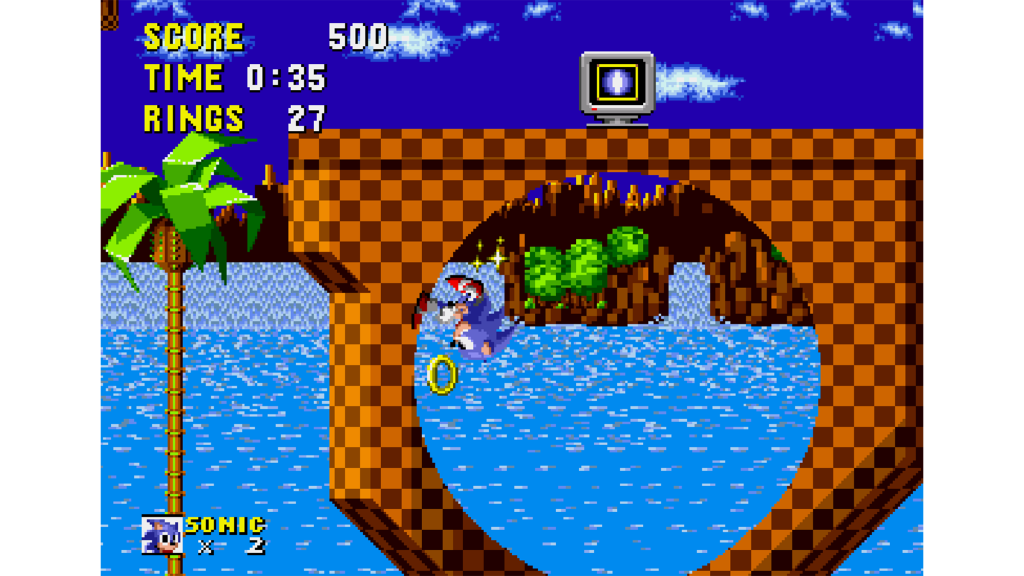
The game that launched the franchise in 1991 on the Sega Genesis, Sonic the Hedgehog, remains one of its best games. The story sees Sonic running and rolling to stop Doctor Robotnik from acquiring the Chaos Emeralds. It introduced the basic elements of all Sonic games with those two characters, rings, and more. It was an astounding success for Sega, selling more than 15 million copies and becoming the best-selling game on the Genesis. Since its release, Sonic the Hedgehog has been ported to a variety of systems, with sales exceeding 40 million copies.
1) Sonic the Hedgehog 3
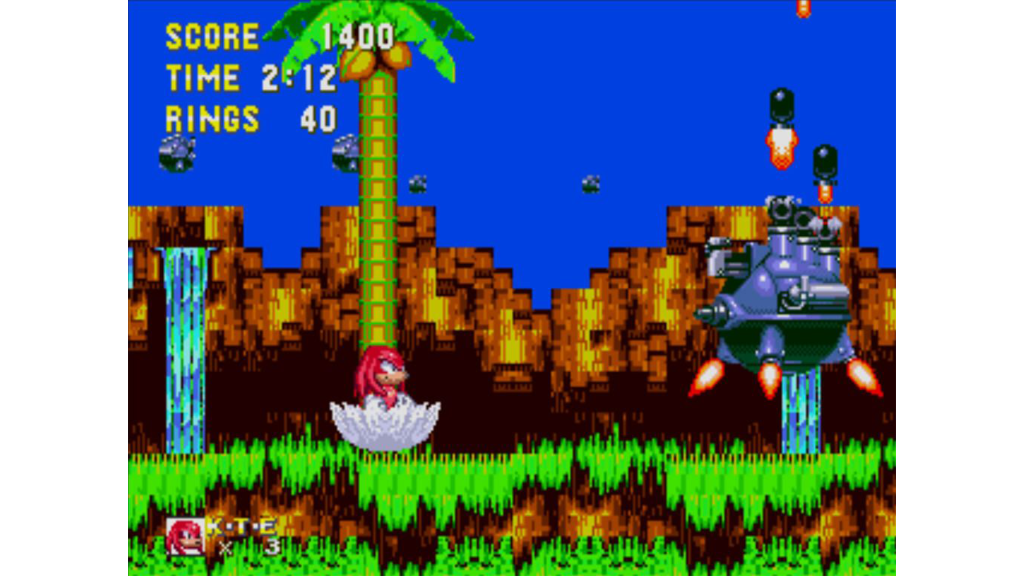
Of the first three games to arrive on the Genesis, Sonic the Hedgehog 3 is widely considered to be the best. Gameplay is similar to the previous two entries and allows for control of both Sonic and Tails. The story involves the two heroes attempting to recover the Chaos Emeralds so they can stop Doctor Robotnik from launching into space. The game is beloved for introducing Knuckles to the franchise. It was also a massive success for Sega, just as the other two mainline games on the system were. It became one of the Genesis’ best-selling games and a beloved classic still played by longtime franchise fans today, making it an easy contender for the franchise’s #1 game.
Which Sonic game is your favorite? Leave a comment below and join the conversation now in the ComicBook Forum!