I grew up with Tom Clancy games. My earliest memory is sitting at the family computer at 8 years old, struggling through the original Rainbow Six. I did not fully understand the tactical depth at the time, but the atmosphere stuck with me. Those games were tense and unlike anything else at the time. Over the years, Tom Clancy’s name has become synonymous with high-quality tactical shooters and innovative military thrillers. Yet today, the once-dominant brand feels like a hollow shell of what it used to be.
Videos by ComicBook.com
So, what happened to Tom Clancy games? How did a catalog of some of the most successful franchises in the 2000s and 2010s fade into near dormancy?
Tom Clancy Games Used to Dominate in the 2000s & 2010s

In the early 2000s, the Tom Clancy label was everywhere. They were the tactical shooters on the market, and Ubisoft leaned hard into it, producing a steady stream of hits that redefined the tactical shooter genre. Ghost Recon brought squad-based combat to sprawling outdoor environments, while Rainbow Six delivered intricate room-clearing action that required planning as much as shooting. Splinter Cell burst onto the scene in 2002 and quickly became one of Ubisoft’s crown jewels, praised for its stealth mechanics and memorable protagonist, Sam Fisher.
Sales figures really backed up the hype. The first Ghost Recon sold over 2 million copies, a huge success for a tactical shooter of its time. Splinter Cell rivaled even Metal Gear Solid in popularity and turned into a multi-million-selling franchise with several sequels in less than a decade. Rainbow Six 3: Raven Shield was beloved by fans, and the Vegas series in the mid-2000s gave the franchise a modernized twist that won over both critics and players.
Back then, it felt like Tom Clancy games were unstoppable. Every year, you could count on Ubisoft to drop another Clancy title, and it would usually become the talk of the industry. They had a balance of tactical depth, grounded realism, and blockbuster storytelling that made them stand apart from competitors like Call of Duty.
Ghost Recon & Splinter Cell Are Dead, And Rainbow Six Is Now Just Siege

Fast forward to today, and things could not look more different. Ghost Recon, once a respected tactical franchise, has stumbled horribly, tripping and falling for what seems like, indefinite time down a steep hill with little chance of recovery. Ghost Recon Wildlands had its fans, but it pushed the series toward open-world design and away from the grounded strategy that made the name famous. Breakpoint doubled down on that approach, and the backlash was brutal. Sales were disappointing, critics panned it for being generic, and Ubisoft eventually announced that development on the game had ceased. The last major project, a battle royale spin-off called Ghost Recon Frontline, was canceled before it even got out of testing, probably for the best considering the trend of Battle Royale titles ongoing today.
Splinter Cell, meanwhile, is practically a relic of days past. The last mainline entry, Splinter Cell: Blacklist, released all the way back in 2013. Since then, Ubisoft has teased Sam Fisher’s return countless times, only to deliver cameos in other games or appearances in mobile spin-offs. That mobile spin-off, in particular, really didn’t sit well with Splinter Cell enthusiasts. Nowadays, fans have been begging Ubisoft for a new entry, but a proper sequel has still never materialized. A remake of the original Splinter Cell is supposedly in development, but it has been years since its announcement, and updates have been so scarce that it might be vaporware at this point.

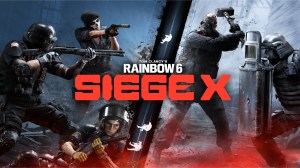
Rainbow Six is one of two series still active in Ubisoft’s Tom Clancy handbook, but it exists only as Siege. Released in 2015, Siege has been a massive success with a strong player base that continues today. Ubisoft deserves all credit for keeping it alive with regular updates and operators for over a decade now. For a live service title that is as hardcore as what Siege offers, the praises cannot be sung enough. The issue, though, is that Siege is all Rainbow Six is anymore. Siege is a competitive live service shooter that feels entirely separate from the legacy it carries. Ubisoft attempted to branch out with Rainbow Six Extraction, but the alien co-op shooter failed to land and quickly faded from relevance. And, to be honest, also for the best. Why Ubisoft decided to go that route with Siege’s spinoff is beyond anyone’s comprehension.
For longtime fans, though, this is a painful reality. The franchises that once defined the Tom Clancy label have either died, been abandoned, or transformed into something totally unrecognizable from their legacy.
The Division Is Tom Clancy’s Future, But Where’s The Division 3?

With Ghost Recon and Splinter Cell dormant, and Rainbow Six entirely tied to Siege, The Division has become Ubisoft’s main Tom Clancy property that still has some teeth these days. The first game had a rocky launch in 2016, but once fixes arrived, it became a massive success. The Division 2 was released in 2019 with strong reviews and sales, offering one of the better loot-shooter experiences of its time.
The problem is that Ubisoft has yet to commit to a third entry. The Division 2 has received expansions and content drops, but they have been sporadic and inconsistent. Meanwhile, Ubisoft announced spinoffs like The Division Heartland, but the project remains stuck in development and has yet to launch.
The Division has the best chance of carrying the Tom Clancy name forward, but Ubisoft’s silence on a proper sequel has left fans frustrated. To be clear, The Division 3 has been officially announced, but there has hardly been any information relating to its development. Since the announcement, Ubisoft has been radio silent, giving fans of both Tom Clancy and The Division series nothing meaningful to chew on in the meantime.
Can Tom Clancy Games Return to Their Heyday?

The question all longtime fans ask is whether these games can ever return to their golden age. Honestly, the demand is still there. Every time Ubisoft teases Splinter Cell, the fan response is generally enormous. Ghost Recon could thrive again if Ubisoft stopped chasing generic open-world trends and leaned back into tactical roots. Rainbow Six could easily expand beyond Siege, offering the kind of tense, story-driven missions that made the franchise iconic in the first place.
Unfortunately, Ubisoft appears more focused on live service models than on reviving the heart of these franchises. Reality is a bitter pill to swallow. Tom Clancy’s legacy has not disappeared, but it is buried under years of corporate hesitation and misguided direction, among other things in relation. Until Ubisoft decides to embrace what made these games special, all we have are memories.
Want to stay up to date on the biggest geek entertainment news? Add us as a preferred source in Google – HERE.
Most Viewed
-

Image Courtesy of MAPPA -

Image courtesy of Marvel Studios