One of Hollywood’s greatest what-ifs is David Lynch directing a Star Wars film. After the success of The Elephant Man, George Lucas asked Lynch to consider directing Return of the Jedi. What the director of Eraserhead and Twin Peaks might have done with a galaxy far, far away when he had the chance has long been a topic of curiosity for fans. Lynch’s surrealism and his ability to turn the ordinary into the deeply disturbing could have changed the whole course of Star Wars. Lynch may not have been to a galaxy far, far away, but one of his former co-workers did go on his own crazy space adventure.
Videos by ComicBook.com
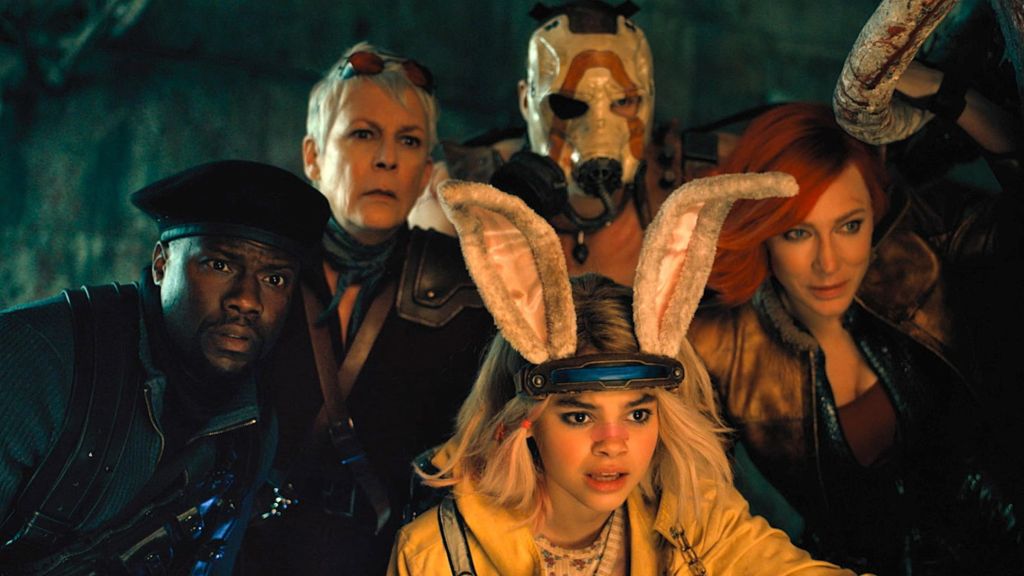
Borderlands was released in 2024 and directed by Eli Roth, the man behind such horror films as Cabin Fever and Hostel. The adaptation of Gearbox Software’s beloved video game franchise was a critical and commercial failure, frustrating fans and failing to connect with an audience. But now that it’s streaming, there’s an opportunity to enjoy Borderlands for more than its fidelity to the games. Roth concocted a kooky, colorful outer space romp that feels like it belongs right in the midst of the wave of Star Wars rip-offs that washed over movie theaters and video stores in the late 1970s and 1980s. No one says kooky anymore. But it’s appropriate for this movie.
Star Warsploitation Is Alive and Well
When Star Wars became a worldwide phenomenon in 1977, filmmakers all over the world tried to cash in on its success. Battle Beyond the Stars (1980) was pretty much The Magnificent Seven in space, with future Titanic director James Cameron on production design and James Horner on the score. It was produced by Roger Corman. Sets, models, and effects footage were then reused by Corman for Space Raiders (1983). Why build an expensive spaceship if you have one lying around? Other films, such as The Ice Pirates (1984), reveled in the silliness of a science fiction somewhere between the camp of Star Trek and Star Wars‘ space opera. The movies filled their stories with space pirates, zany robots, and whatever creatures their effects budgets allowed.
It feels like Borderlands is a new take on that tradition. The movie puts its characters in more and more ridiculous situations with alien monsters, mercenaries with heavy weapons, old technology, and what seems like an endless supply of explosions. Lilith is a bounty hunter played by Cate Blanchett who is hired to find a missing girl on the dangerous planet Pandora. The movie features Kevin Hart as Roland, Ariana Greenblatt as Tiny Tina, and Jack Black as the annoying robot Claptrap. The Lynchian connection went beyond the director’s chair; Jack Black even confessed that he channeled David Lynch for his voice performance as Claptrap, aiming for “a little old Americana, but he’s got a twisted, surreal look on the world.”
Roth himself has noted the influence of several great genre filmmakers on the movie. There’s a little George Miller, John Carpenter, and Luc Besson in the mix, particularly the colorful, anything-goes approach of Valerian and the City of a Thousand Planets. Blanchett certainly understands what kind of movie she’s making, spending much of her screen time shooting people, striking poses, and generally looking like she’s having a wonderful time. Gina Gershon is another highlight as Mad Moxxi, a flamboyant bar owner who wouldn’t look out of place in one of Besson’s more eccentric movies. Neither actress appears remotely out of place or embarrassed to be there.
Always Two There Are
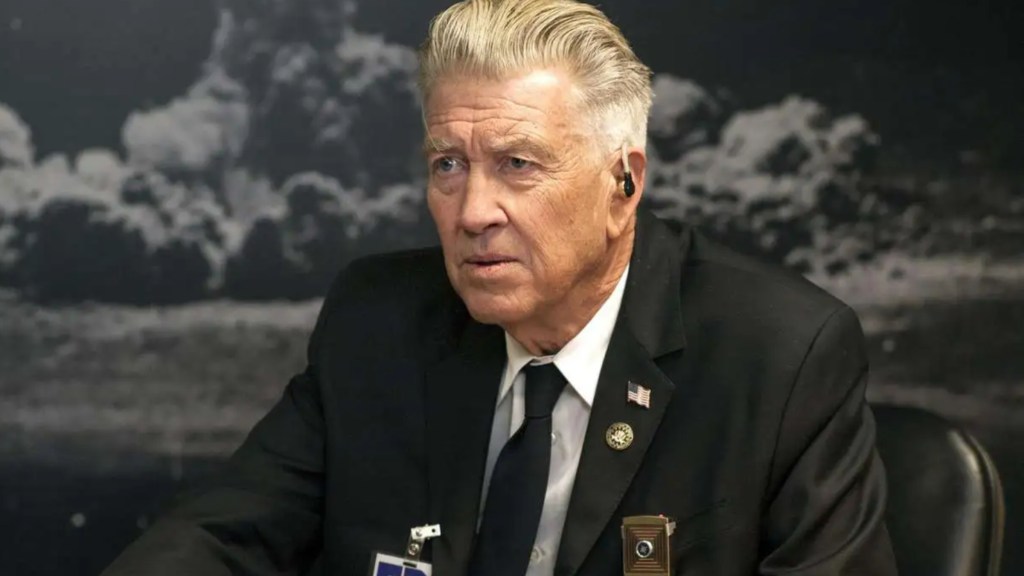
Roth worked with Lynch long before he directed Borderlands, producing content for the filmmaker’s website in the early days of internet entertainment. Roth has spoken of Lynch’s influence on his career, especially the uncomfortable mix of comedy and horror in Twin Peaks. He also worked with composer Angelo Badalamenti, whose music helped define the signature soundscape of Lynch’s television series. Badalamenti composed elements of the score for Roth’s feature directorial debut, Cabin Fever. Roth might be known for gruesome horror movies, but his career has deep Lynchian roots.
Lynch’s own experience with Star Wars was far less productive. Lynch visited Lucasfilm, having been asked by Lucas to discuss directing Return of the Jedi, and was shown some of the creatures and concepts being developed for the sequel. It gave him a headache, and he ended up telling his agent he could not do the movie. Lynch remembered saying that Lucas should direct it himself because he invented the whole universe. The job eventually went to Richard Marquand, and Lynch went on to make his own expensive sci-fi adventure, 1984’s Dune. That film became a famously troubled adaptation.
Forty years later, Roth found himself directing a troubled adaptation of his own. Much of the built-in audience for the video game franchise had high hopes for Borderlands, and it’s easy to see why. The games have their own unique characters, mythology, and sense of humor, much of which was changed or thrown out for the movie. Fans wanting a faithful adaptation were left in the cold. But take away those expectations, and Borderlands is an unexpectedly fun throwback to a time when filmmakers could get away with making ludicrous science fiction adventures just because spaceships, laser guns, and monsters are fun.
This isn’t exactly the Star Wars film that David Lynch never made, but it’s kind of funny that his former protégé is keeping the torch lit. If Twin Peaks showed Star Wars at its local theater, then Borderlands would have been played in Deer Meadow. And as a bit of unapologetic Star Warsploitation, it’s much more entertaining than its reputation would have you believe. Borderlands is available to stream on Peacock and for free with ads on Fandango at Home. Embrace the odd and let yourself be mildly entertained.
More Movies
-

Image courtesy of Marvel