For decades, J.R.R. Tolkien’s The Lord of the Rings has stood as the foundational pillar of modern fantasy. Published in the mid-1950s, the epic saga established the very template for the genre, creating a rich world with its own history, languages, and mythology that has inspired countless books, films, games, and television shows ever since. Its influence is so monumental that Tolkien is often called the father of modern high fantasy, with his work elevating the genre to a new level of mainstream acclaim. However, the journey to becoming a universally beloved classic was not without its bumps, and one part of the iconic trilogy proved to be surprisingly controversial upon its initial release.
Videos by ComicBook.com
On October 20, 1955, the final volume of The Lord of the Rings trilogy, The Return of the King, was published, bringing the epic War of the Ring to its dramatic conclusion. The book chronicles the final stages of Frodo and Sam’s perilous journey to destroy the One Ring in the fires of Mount Doom, while the remaining forces of Men make a desperate last stand against the armies of the dark lord Sauron. The story culminates in Aragorn, the hidden heir, embracing his destiny and claiming the throne of Gondor.
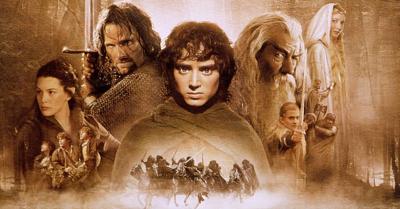
Despite its climactic nature, The Return of the King was met with a divided reception. The Scottish poet Edwin Muir famously criticized the characters as “boys masquerading as adult heroes,” and literary critic Edmund Wilson dismissed the work as “juvenile.” Even Tolkien himself expressed dissatisfaction with the title, preferring The War of the Ring because he felt The Return of the King revealed too much of the plot. Much of the division also stemmed from the book’s structure, as nearly half of it serves as an extended epilogue, detailing the hobbits’ return to a ravaged Shire and the subsequent rebuilding, a pacing choice that some readers found jarring after the destruction of the Ring.
The Lord of the Rings‘ Most Divisive Book Became Its Most Acclaimed Movie

Nearly 50 years after the book’s debut, Peter Jackson’s film adaptation of The Lord of the Rings: The Return of the King transformed the trilogy’s most debated installment into its most celebrated cinematic achievement. The 2003 film was not just a box office success, grossing over $1.1 billion worldwide, but also a critical triumph that shattered records. While the first two films, The Fellowship of the Ring and The Two Towers, had been nominated for numerous Academy Awards, they had primarily won in technical categories, a common fate for fantasy films at the time. The final film, however, achieved an unprecedented victory. The Return of the King was nominated for 11 Academy Awards and won every single one, a record for the largest clean sweep in Oscar history.
The Return of the King‘s historic haul included the coveted awards for Best Director for Peter Jackson and, most significantly, Best Picture. It was the first time a fantasy film had ever won the top prize, a landmark moment that Jackson himself acknowledged, stating he was “honoured, touched, and relieved” that the Academy had “seen past the trolls, the wizards and the hobbits.” The film’s overwhelming success cemented the trilogy’s legacy, turning the once-divisive final chapter into the crowning glory of one of cinema’s most beloved series.
What is your favorite moment from The Lord of the Rings trilogy? Leave a comment below and join the conversation now in the ComicBook Forum!
More Movies
-
Marvel Studios – Disney+