The ’80s were a pretty great time to be a sci-fi fan. Hollywood gave us E.T., The Thing, and Aliens, but not every movie from the decade got the same love. Some took huge swings, landed somewhere completely unexpected, and disappeared while better-known films became classics. And honestly, that’s part of the fun of digging through old sci-fi horror. Every so often, you find a movie that makes you wonder how on earth somebody convinced a studio to pay for it.
Videos by ComicBook.com
This one had a particularly wild idea, and bringing it to the screen was no small job. The filmmakers wanted creatures, strange transformations, and effects that could make audiences believe they were watching something from beyond our world. There was no clicking a mouse and letting a computer handle the hard stuff. Real people had to build these things and figure out how to make them work on camera. The result was one of the decade’s strangest productions, and its effects story deserves more attention than it usually gets.
Lifeforce Was the ’80s Sci-Fi Horror Movie Nobody Could Have Predicted
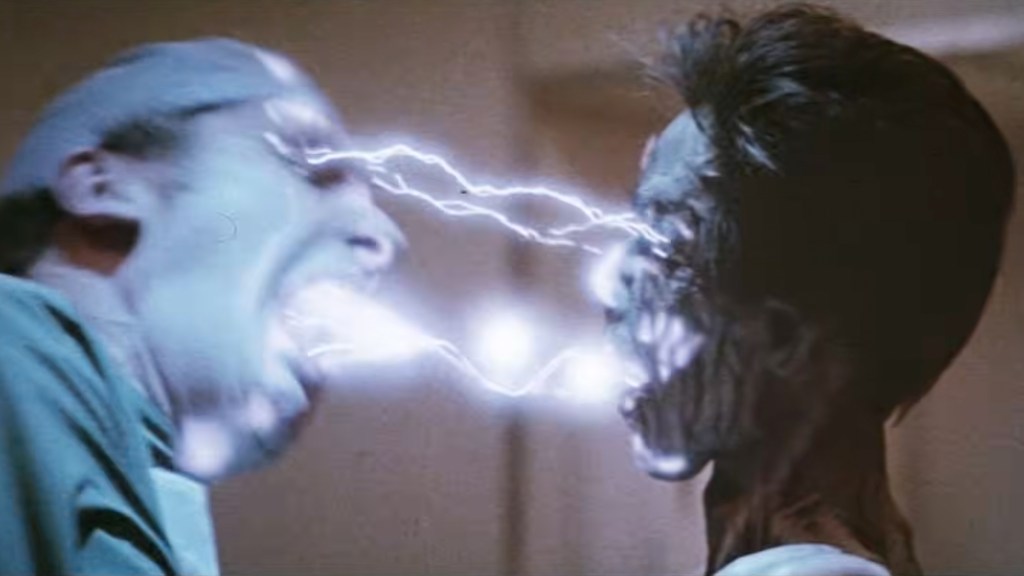
That movie was Lifeforce. It was released in 1985 and directed by Tobe Hooper. Hooper has other roles from movies like The Texas Chain Saw Massacre and Poltergeist. But this is not a horror movie. Lifeforce starts with astronauts discovering mysterious humanoids aboard an alien spacecraft near Halley’s Comet. Then things get considerably weirder. The visitors turn out to be connected to a threat that mixes alien invasion with vampire mythology, and before long, Earth is in serious trouble. Somewhere along the way, the movie seems to ask why a regular space monster would be enough when you could make the whole planet lose its mind instead.
Cannon Films wasn’t exactly thinking small, either. The production reportedly cost around $25 million, an enormous gamble for a company better known for its scrappy genre movies and ambitious action pictures. It also brought in John Dykstra, the visual effects veteran whose work on Star Wars helped change what science fiction could look like on screen. That’s a pretty serious résumé for a movie about space vampires. But Lifeforce wasn’t trying to be another Star Wars. Hooper was making something darker, stranger, and much harder to pull off. The movie needed effects that could sell both the science-fiction spectacle and the horror. That meant calling on several teams with very different skills.
Four Effects Teams Helped Make Lifeforce‘s Nightmares Look Real
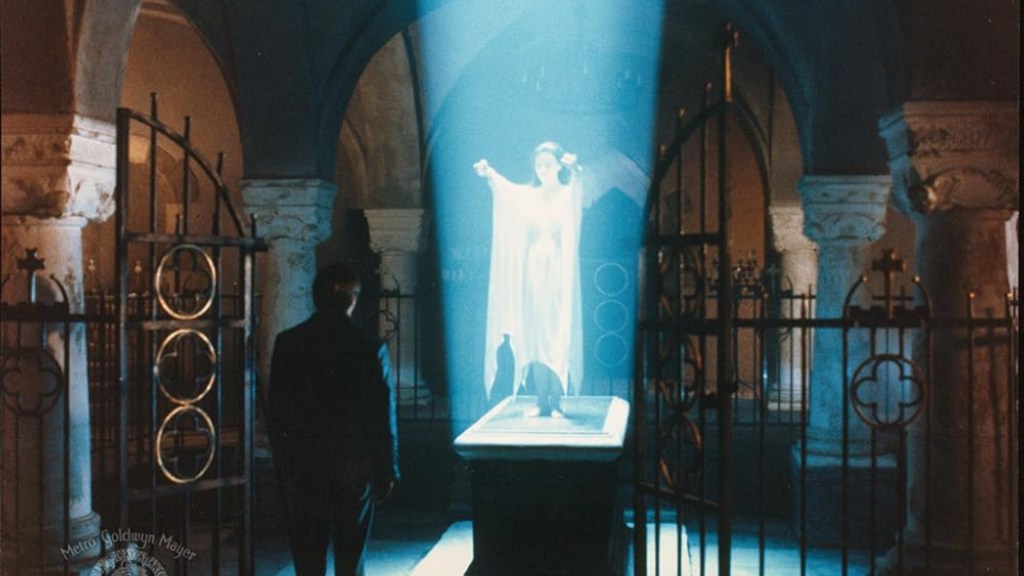
Here’s the part that makes the production worth a closer look. Lifeforce brought together multiple effects specialists rather than asking one crew to do everything. Dykstra’s Apogee Productions handled visual effects, while British artists worked on the film’s physical effects and creature work. Prosthetic-effects artist Nick Maley helped create the disturbing bodies seen throughout the story, and John Gant was among the specialists responsible for other practical effects. Each team basically had its own problems to solve. These days, a studio can lean heavily on digital artists to build an alien environment from scratch. But getting that kind of imagery onto the screen in 1985 often involved miniatures, optical photography, and mechanical effects.
One of the film’s more memorable tricks involved bodies physically shrinking and collapsing as their life force drained away. Maley’s team built mechanical figures with pumps, liquid bladders, and controls that allowed them to shrivel on camera. Hooper recalled that operating some of these effects could require around 20 people. That’s a lot of crew members just to make a body look like it’s having a very bad day. Dykstra’s team also experimented with lasers and reflective materials to create the strange energy effects seen in the film. The process wasn’t simple, and not every shot looks flawless by modern standards, but that’s almost beside the point. Lifeforce belongs to an era when filmmakers had to invent practical solutions to problems that couldn’t be fixed with a computer. For fans of old-school effects, watching those ideas come together is part of the movie’s appeal.