There’s no shortage of major franchises competing across movies and TV these days, but Star Wars has taken that idea to a different level, right? Having started in the late ’70s, it has continued to grow with films, shows, books, games, toys, and an almost ridiculous amount of spin-off content. At the same time, it has kept expanding its roster of characters through stories like The Mandalorian, Skeleton Crew, and The Acolyte, for example. So, in other words, it’s a gigantic franchise. And this kind of success doesn’t come around all that often, but after all this time, is it possible for a new one to show up with the same kind of potential? Well, there are a few properties that are either just getting started or getting ready to break out that could be good candidates.
Videos by ComicBook.com
With a huge amount of mythology, world-building, and room to expand, here are 3 franchises that could get there. Of course, that requires some caution, because even the richest source material can fall flat without the right planning and execution. Still, they have a lot going for them.
3) Dune
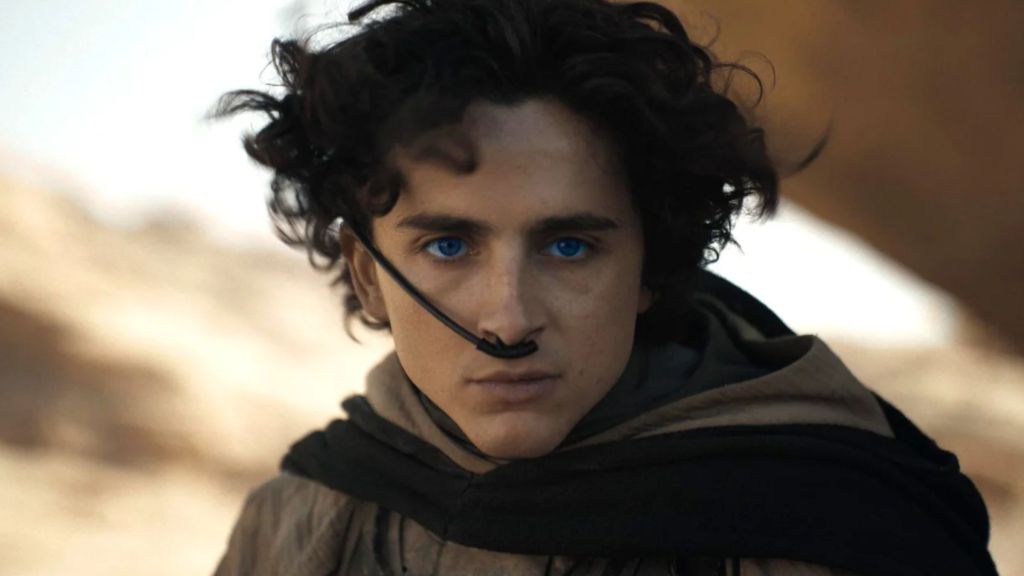
Even before Star Wars came along, there was Dune (which, in fact, inspired many aspects of George Lucas’ saga), and today, it is closer to that status than we might think. The book series written by Frank Herberk, follows Paul Atreides, a young nobleman who arrives on Arrakis, the desert planet that produces the most valuable spice in the universe, and ends up caught in a way involving great houses, religion, politics, and a prophecy that could change the fate of humanity. Overall, it’s a pretty complex story that was even considered unfilmable for a while. However, the past few years have shown just how much it needed the right amount of time and the right direction — and Denis Villeneuve’s adaptation was such a hit that it eventually led to the TV series Dune: Prophecy.
The third movie is one of the most anticipated events of this year, and the fact is that even though it may seem like everything is coming to and because of Paul’s arc, the universe itself is actually much bigger than his story. The original material makes up Herbert’s work with several characters, different periods, and conflicts, along with the material written by Brian Herbert (the author’s son) and Kevin J. Anderson. In total, more than 20 books explore this world, with a very well-established mythology and the ability to easily support all kinds of productions. Villeneuve is indeed wrapping up Dune‘s journey on the big screen, but there’s nothing stopping another director from stepping in for future installments if Warner Bros. wants to. Plus, people are already obsessed with it.
2) Cosmere
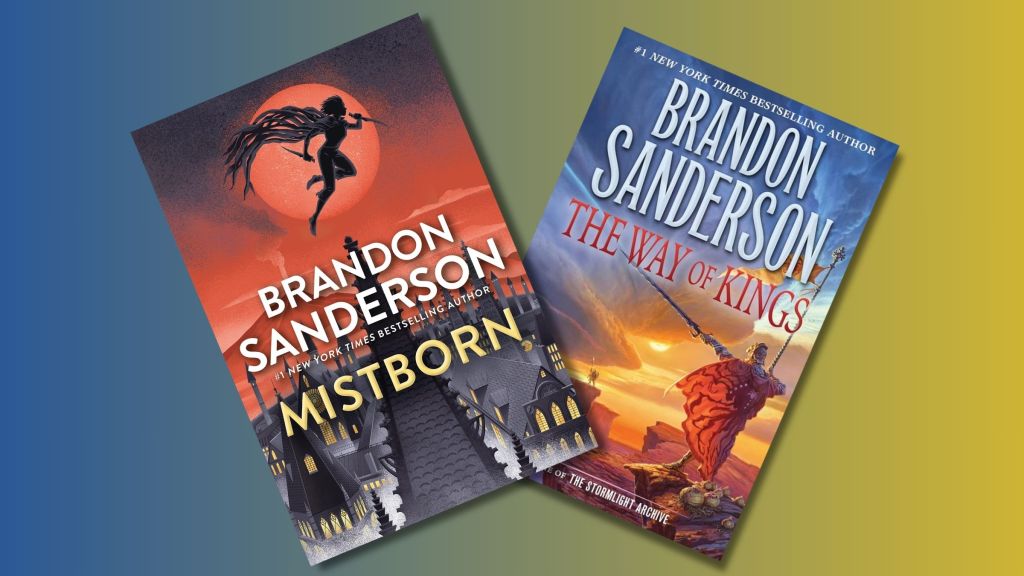
Unlike Dune, Cosmere has yet to make its way beyond Brandon Sanderson’s books, but its potential is enormous. The author has spent years building a very rich fantasy world with seemingly independent stories that take place on different worlds and are connected by a larger cosmology — so, a multiverse. Mistborn, for example, takes place in a world where an immortal ruler has maintained an oppressive empire for centuries, until a young woman with a rare ability joins a group of rebels to try to bring him down. The Stormlight Archive, on the other hand, takes place in a completely different kind of universe, marked by wars, knights, and a threat that is returning. And both sagas are already in line for adaptations across movies and TV.
What makes this franchise so special is that it doesn’t depend on a single character to carry it forward; it can already introduce more than one world, with totally distinct plots, and connect them when the time is right. The risk would be immediately trying to intertwine everything, because the audience should become invested in each individual story before betting on a connection. Filling the first adaptations with references isn’t really a good idea from the start, right? If handled properly, Cosmere would be one of the very few franchises with such a well-structured foundation, designed from the beginning with the ability to support several productions, as well as games, animation, and more. The amount of material here is staggering, and conceptually, it is extremely interesting.
1) Warhammer
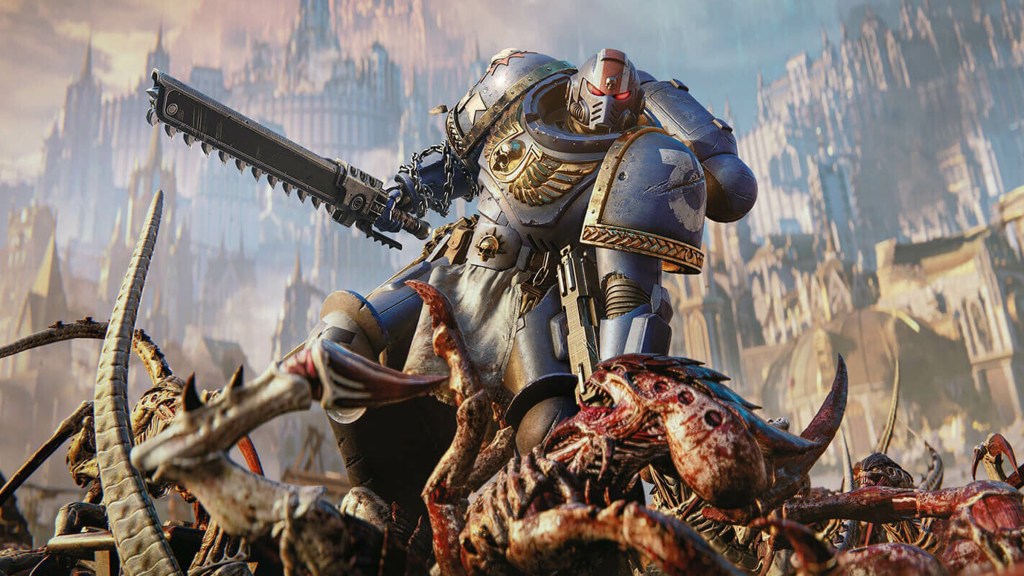
Warhammer might be the wildest pick on this list. And why? Instead of being a story that needs to expand, it’s actually already a colossal universe ready to be explored. Having originated as a game, the setting takes place in a future where humanity lives under the control of a brutal, heavily militarized empire while facing threats from all sides, including Orks, Tyranids, Aeldari, and the forces of Chaos. And within all of that, there are Space Marines, regular soldiers, inquisitors, cults, aliens, and dozens of other factions that can have stories of their own. So, basically, one series could follow a Space Marine unit, another could tell a detective story, another could be horror, another could focus on politics, and so on.
Here, there’s a similar kind of freedom to what helped Star Wars grow far beyond the original movies, and it is already confirmed to be getting a live-action show with Henry Cavill, along with an animated series based on Deathwatch. But this is also, by far, the easiest franchise on this list to mess up, since its universe has so much lore that trying to explain everything without proper planning would make it way too easy to lose viewers (most importantly, those experiencing all of this for the first time). Right from the start, it would need a story simple enough for anyone to follow while still preserving the sheer absurdity that makes Warhammer what it is. If it can pull that off, though, it’s hard to think of many current IPs with this much (seriously, this much) room to grow.
More Movies
-
IMAGE COURTESY OF SUNBOW -

Image Courtesy of Overture Films and Relativity Media