Modern cinema isn’t built simply on thousands and thousands of standalone films, as franchises and sequels have proven to be incredibly successful over the years. When a movie strikes gold with a great premise and commercial or critical success, it’s only natural that the creative forces behind it might want to expand upon its story. If there is room to continue the narrative or develop it into another movie, a sequel, or potentially even a franchise, it often makes perfect sense. In fact, many of the best movie sequels have improved their franchises by expanding the story of the original film in a way that attracts even bigger audiences than before.
Videos by ComicBook.com
However, just because a sequel continues the story of its predecessor doesn’t mean it has to be the exact same type of movie. Some movie franchises only seem to get better with time, with each new entry helping it to evolve and change shape as it continues to grow. Others do the opposite, with quality seeming to decline as they move away from the original film’s characters or ideas. There are many examples of sequels that perfectly represent the moment a franchise changed direction, and while it might not have always been for the better, it’s interesting to track the specifics of their transformation.
5) Aliens (1986)
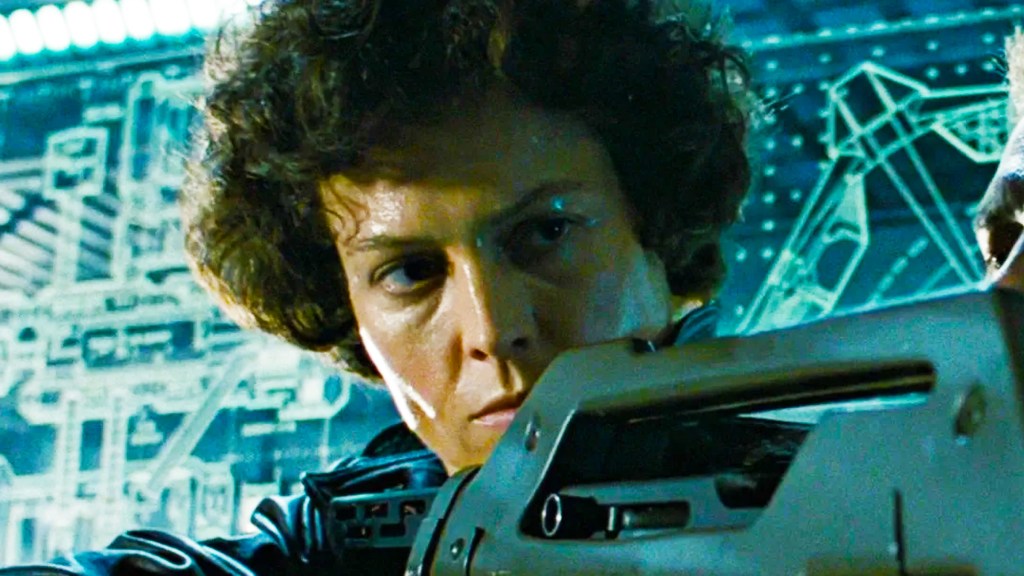
Over the years, there have been many sci-fi sequels better than the original, and 1986’s Aliens is often considered one of them. The follow-up to Ridley Scott’s 1979 classic took the only human character to survive the Xenomorph’s attack on the Nostromo and put her in the middle of another encounter with the dangerous creatures. Aliens might have taken its cues from the original movie, but it also made a huge change from its predecessor. Where Alien was pure claustrophobic horror, Aliens incorporated elements of sci-fi action into its plot, giving its characters a very slim chance to fight back against the Xenomorph threat. By showing just how futile fighting against the aliens appears to be, Aliens actually managed to be scary in a whole new way, taking the ideas of the original movie and transforming them into something new. Aliens is a sequel that established the franchise’s action potential, nudging it in a slightly different direction than the hopeless terror of the first film and toward something much larger and more existentially terrifying.
4) The Chronicles of Riddick (2004)
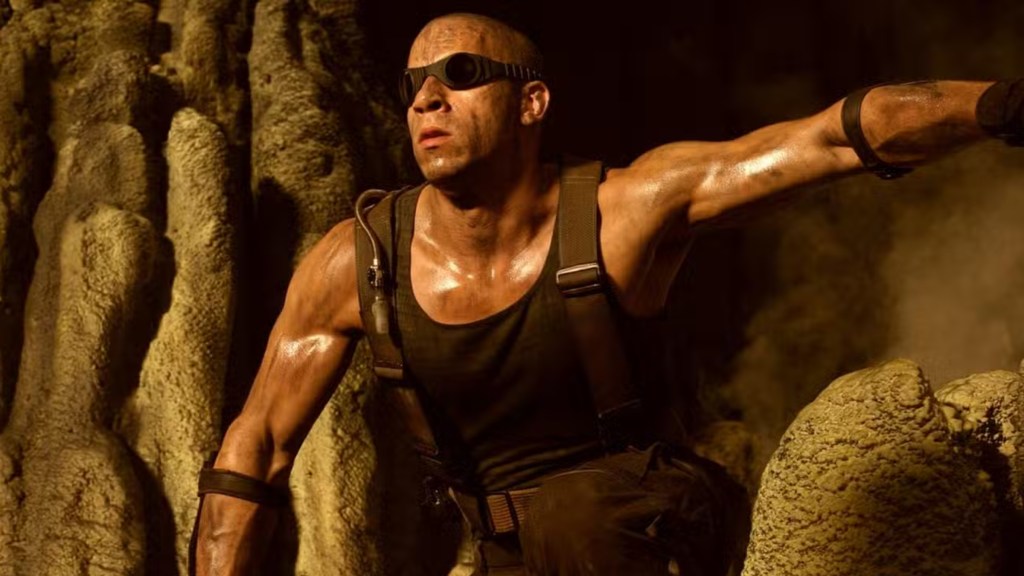
While Vin Diesel appears in many popular movie franchises, only one is considered to be the actor’s pet project. 2000’s Pitch Black was a sci-fi survival horror that saw Diesel play Riddick, a dangerous convict with enhanced eyes that allow him to see in the dark. The movie followed a group of terrified survivors of a crashed spaceship attempting to survive on a world filled with hostile nocturnal creatures, with Riddick proving to be the standout character. Diesel then went on to reprise the role in sequels centering on Riddick’s story, starting with 2004’s The Chronicles of Riddick. The sequel was a step in a whole new direction, taking a character from Pitch Black‘s atmospheric horror and casting him as the lead in a sprawling space opera. It was a bizarre choice, and the movie was nowhere near as successful as it might have been, going down in history as an underwhelming sci-fi flop despite having some good ideas.
3) Mad Max 2: The Road Warrior (1981)
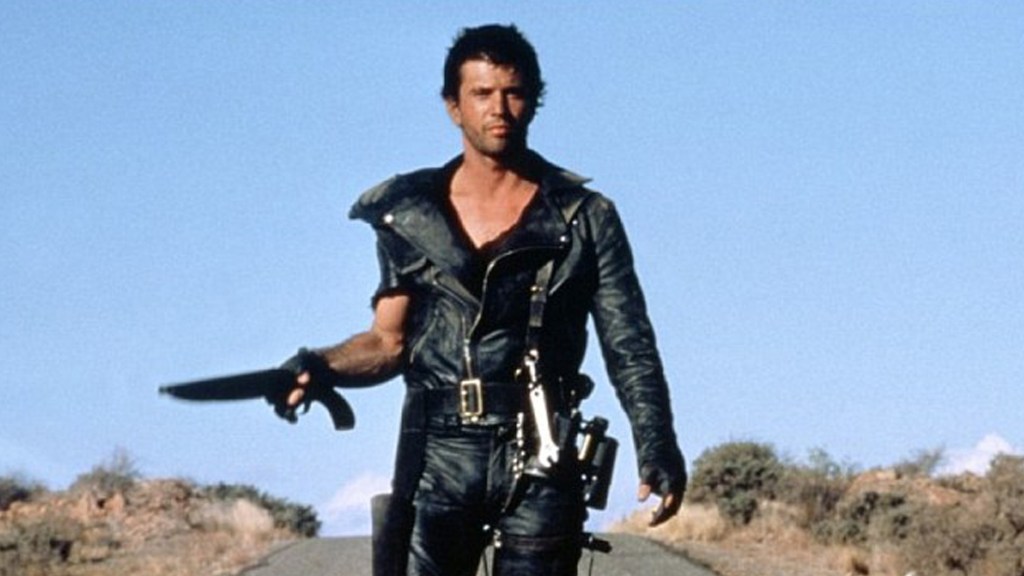
The first Mad Max movie was an interesting, if somewhat unremarkable, exploration of a world that has just tipped over the brink of collapse. The sequel, The Road Warrior, took the franchise in a whole new direction, embracing its apocalyptic setting and carving for itself a whole new identity that every Mad Max movie since has followed in one way or another. While the first film undeniably laid the groundwork with its story, The Road Warrior was the film that established the true character of the franchise, embracing its eclectic visual identity and defining the sort of apocalyptic action that made Mad Max so popular. Where the first film was a revenge thriller set on the verge of society’s collapse, The Road Warrior took its hero and turned him into a sort of mythological figure roaming the desert wasteland and taking the fight to its self-proclaimed warlords. In many ways, The Road Warrior marked the true beginning of the Mad Max franchise, because it was the first step in the direction that its sequels continue to head in for years to come.
2) Rambo: First Blood Part II (1985)
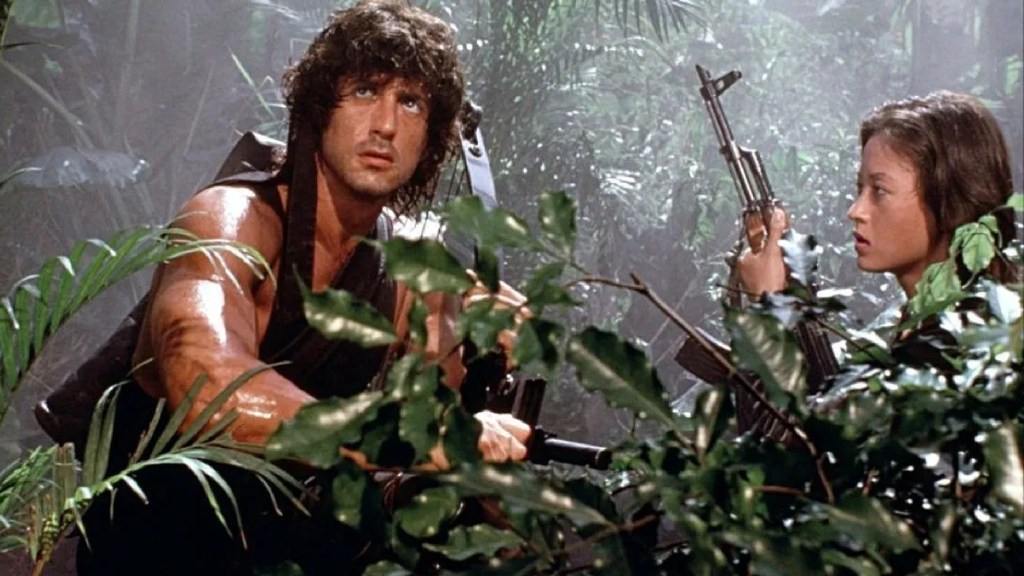
The movies of the Rambo franchise are best categorized as over-the-top action stories with a single action hero at their core. Helping to popularize the one-man army trope that defined the action movies of the ’80s, the Rambo franchise has become practically synonymous with a single veteran taking on forces that vastly outnumber him and emerging victorious. However, this core philosophy wasn’t really present in the franchise’s first — and, by most estimations, best — movie. First Blood introduced John Rambo as a misunderstood veteran living with PTSD whose appearance in a small town causes him to be unfairly hunted by corrupt law enforcement officers. The sequel, First Blood Part II, instead embraced the cheesier action tropes of the era, abandoning the original’s more thought-provoking elements to deliver all-out action thrills. While the movies that followed were largely successful, none of them ever managed to recapture the sensitivity and thematic depth of the original, proving that First Blood Part II‘s changes were indeed a step in the wrong direction.
1) Fast Five (2011)
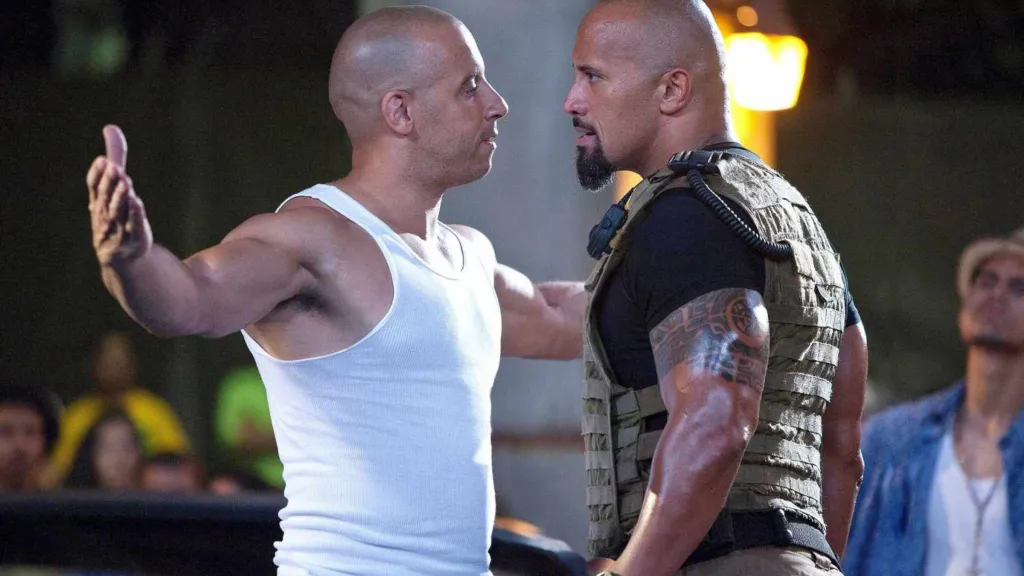
When The Fast and the Furious was first released in 2001, many felt the film was simply Point Break but with tricked-out cars instead of surfboards. A few sequels later, Fast Five completely switched the franchise up. Where the Fast & Furious movies were originally all about people who loved racing fast cars alongside their criminal lifestyles, Fast Five took the latter part to new heights. The result made for one of the best heist movies in recent years, and the franchise embraced this new identity. From there, everything continued to get bigger and more extreme, from the heists themselves to the stunts involved in pulling them off. The Fast and Furious movies are often cited as an example of a franchise that evolved considerably across its many movies, and Fast Five was the sequel that truly started the shift. While some lament the loss of the earlier entries’ realism, most would agree that the change of direction has been a big part of the franchise’s success, with the switch from car-focused crime movies to vehicular heist movies being hailed as a particularly clever move.
More Movies
-
Image Courtesy of Warner Bros. -
Image Courtesy of Warner Bros. -
Image Courtesy of Marvel -
Image Courtesy of Warner Bros.