Tim Burton’s two Batman movies still stand out as some of the most universally loved live-action adaptations of DC’s iconic vigilante, but the two films are far from flawless. Starting with Batman in 1989, Tim Burton’s movies brought the Dark Knight to life in a way previously thought impossible, delivering grit and gothic aesthetics with a light comedic edge. The result was hugely successful, prompting Burton to double down with 1992’s Batman Returns. For the follow-up, the quirky darkness was amped up even further, cementing the unique qualities of Burton’s Batman. Though the director didn’t return to complete his planned trilogy, his two-film Batman arc is still widely enjoyed more than three decades after its release.
Videos by ComicBook.com
While Burton’s Batman movies got many aspects of their characters right, that isn’t to say they don’t have their shortcomings. In fact, there are a number of issues with the movies that simply don’t make much sense, and, having had years to reflect on them, they’ve gotten pretty hard to overlook. While they don’t take away from the overall quality of Burton’s excellent movies, these elements are incredibly frustrating nonetheless.
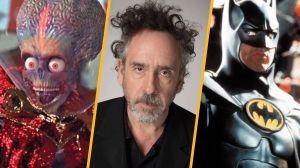
5) The GCPD Should Never Have Relied On Batman
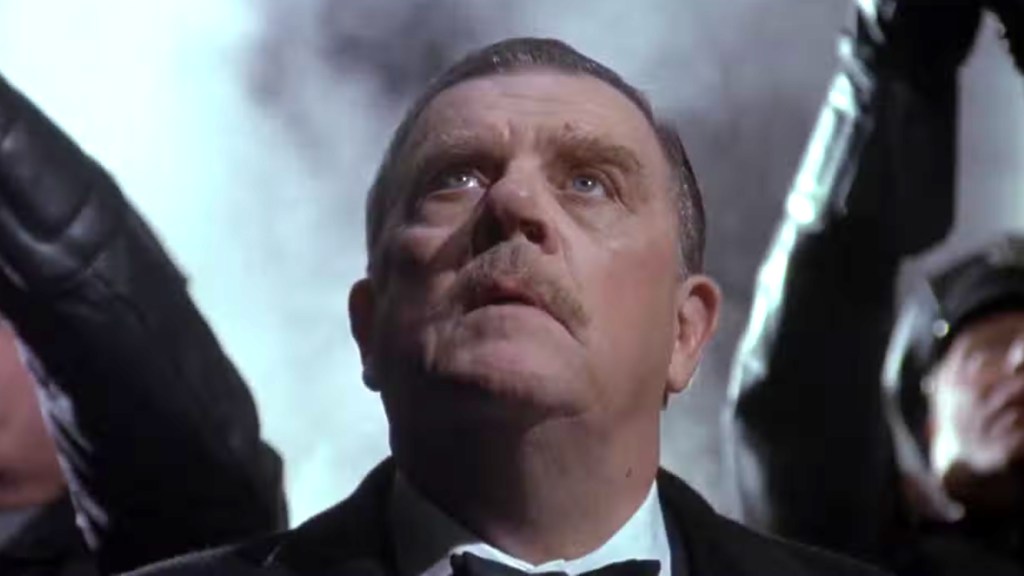
Although every movie version of Batman is different, one of the most consistent elements of his stories is his tentative collaboration with the GCPD, particularly with Commissioner James Gordon. Typically, the pair’s alliance sees the Gotham lawman accept Batman’s vigilantism as a necessary evil to curb the otherwise unstoppable tide of crime washing over the city. However, in the case of Tim Burton’s Batman movies, their relationship doesn’t make any sense.
The ending of Burton’s first movie sees the GCPD unveil the Bat-Signal, establishing that they will use it to ask for Batman’s help. However, considering everything the vigilante was responsible for over the course of the movie, this seems incredibly reckless of Gotham’s police. While it’s a mistake every Batman movie makes, it makes even less sense in Burton’s movies, considering the kill count of Keaton’s Batman.
4) Why Gotham’s Criminals Bought Into The Joker Gimmick
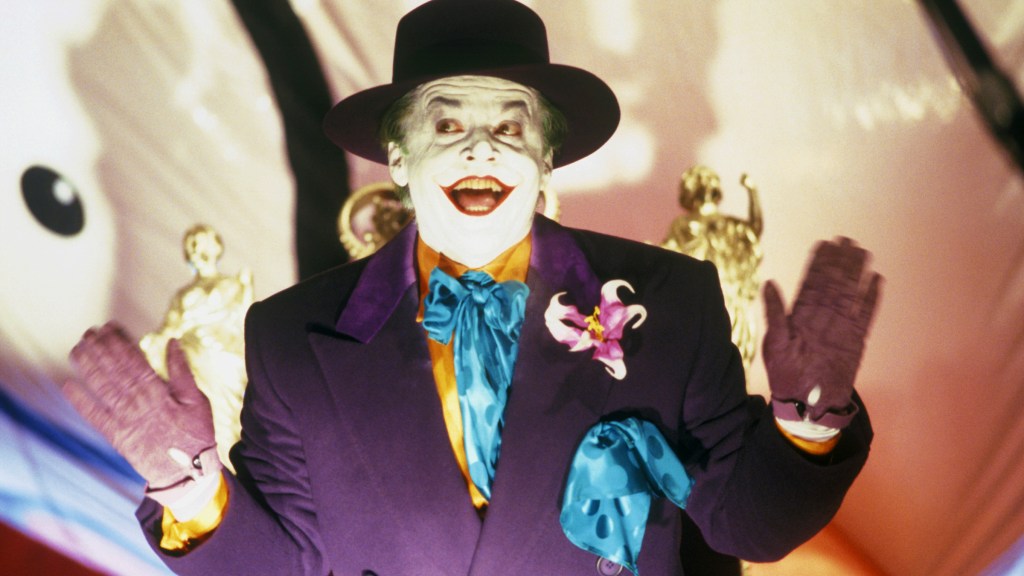
Jack Nicholson is considered one of the best live-action versions of the Joker, but that isn’t to say that everything about the character makes sense. Batman sees hardened criminal Jack Napier doused with experimental chemicals and transformed into the iconic villain, swiftly amassing an army of henchmen that help him effectively lay siege to Gotham City. While Nicholson’s turn as the Joker is excellent, there’s one part of his story that just doesn’t quite add up.
Before his transformation, Napier was part of a more traditional organized crime ring. Immediately after, he seizes control, forcing his many underlings to paint their faces and fit in with the Joker gimmick. Logically, there’s no reason that dangerous criminals would willingly acquiesce to the Joker’s request, as any one of them could just as easily dismiss his insanity, kill him, and take his place as Gotham’s biggest crime boss. The leap of logic creates a minor plot hole that just keeps nagging, regardless of the Joker’s place on the Mount Rushmore of Batman movie villains.
3) Batman’s Casual Attitude To Murder Doesn’t Add Up
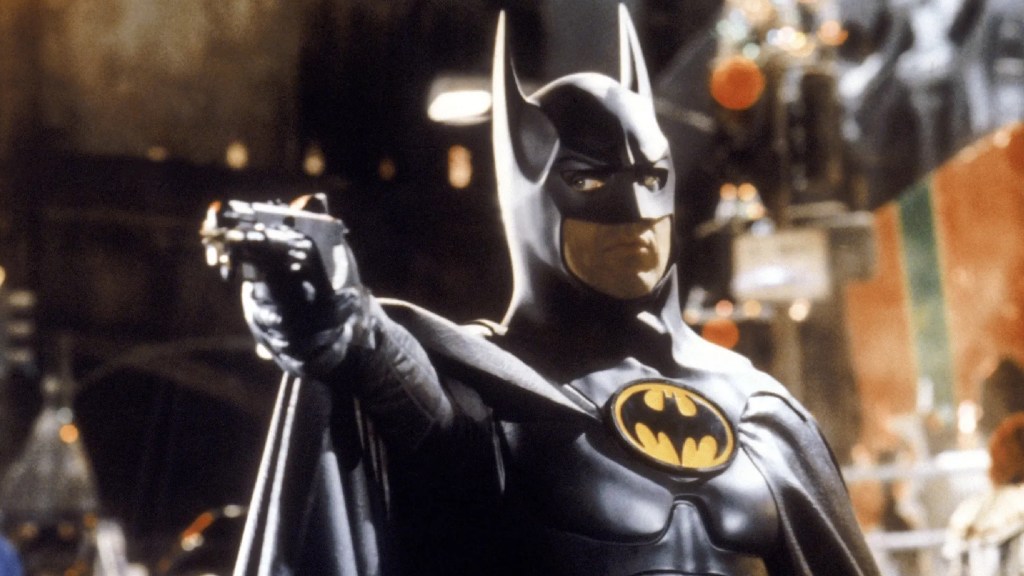
While many live-action versions of Batman killed people, Michael Keaton racked up at least 17 kills during his time in the cape and cowl. Tim Burton’s Batman movies opted not to introduce the hero’s traditional no-kill rule, which is one of the more divisive elements of the films. However, when examined more closely, Batman’s nonchalant attitude to killing criminals is pretty troubling.
Having seen his parents murdered at such a young age was the defining moment in Batman’s life, and this is shown in Burton’s Batman. For Bruce Wayne to then grow up to be so lackadaisical about offing some of Gotham’s more vulnerable citizens doesn’t quite fit, particularly as the movie rewrote his parents’ killer as a career criminal. While it does match the depiction of Batman as somewhat unstable, having Michael Keaton’s Batman be a stone-cold killer just doesn’t make sense.
2) How The Penguin Became A (Reasonably) Functional Adult
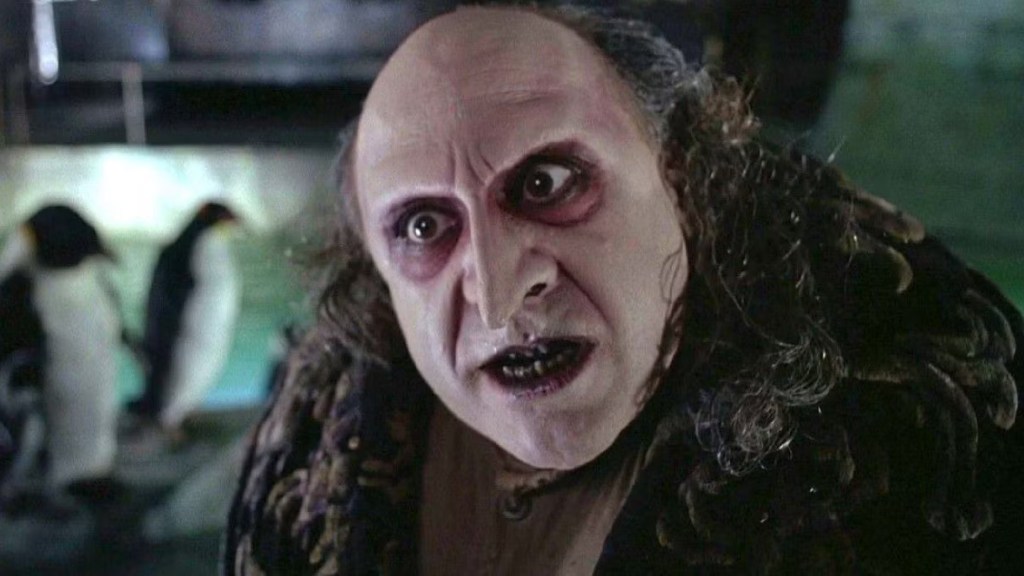
Batman Returns had the near-impossible task of following up on Jack Nicholson’s exceptional performance as the iconic Batman villain, the Joker. Danny DeVito’s turn as the Penguin took the character in a new, grotesque direction, with Burton reimagining him as having been born with birth defects that lend him a more avian air. While it works on many levels to deliver one of the best Batman movie villains, it also creates a pretty glaring plot hole.
In Batman Returns, Oswald Cobblepot’s high-society parents are horrified by their child’s appearance and send him away, where he is then shown being taken in by penguins. He is then raised by the animals from infancy, eventually returning to get his revenge on Gotham. However, had he truly been raised by penguins, he surely wouldn’t have such a solid command of the English language or such an insightful understanding of the innermost workings of Gotham’s society.
1) How Nobody Uncovered Bruce Wayne’s Secret Earlier
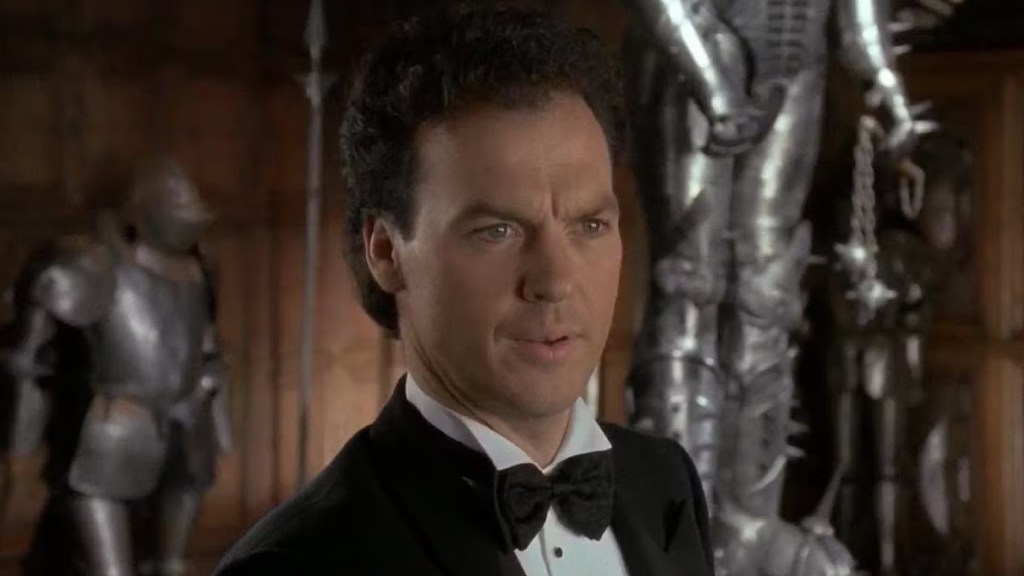
Michael Keaton’s turn as both Batman and Bruce Wayne in Tim Burton’s movies saw him feature in several great scenes both in and out of the iconic costume. 1989’s Batman sees Wayne become romantically involved with Vicki Vale, who then uncovers his secret identity. Even though she’s an investigative reporter, the ease with which she uncovered his double life was alarming, making an element of Burton’s movies seem pretty hard to believe.
It’s worth noting that Keaton’s portrayal of Bruce Wayne painted him as an eccentric billionaire. His extravagant collection of weapons and his apparent reclusive nature — despite being incredibly charismatic at social events — point to Wayne hiding something, and it seems unlikely that no one else had previously looked into his life. Considering how easy it was for Vale to discern the truth, it seems unlikely that no one else suspected that Bruce Wayne was actually Batman.
What do you think? Leave a comment below and join the conversation now in the ComicBook Forum!
Most Viewed
-

Courtesy of Crunchyroll -
Image Courtesy of Marvel Comics