Television history is littered with ambitious projects that failed to find their footing before the network ax fell, leaving behind unresolved cliffhangers and broken potential. This phenomenon is particularly prevalent in fantasy TV shows, where complex world-building and dense mythology require a level of patience that executives rarely possess. Audiences often need time to acclimate to the specific rules of a new universe, yet the traditional broadcast model frequently demands immediate retention and high ratings to justify expensive budgets. When a show dares to challenge the viewer with cryptic lore and a slow narrative burn, it often finds itself on the chopping block long before the story reaches its intended conclusion. That was the case of HBO’s Carnivàle.
Videos by ComicBook.com
Premiering on September 14, 2003, Carnivàle was a visually stunning period piece set against the bleak backdrop of the Great Depression. Created by Daniel Knauf, the series involves a traveling circus and a California preacher, both unknowingly marching toward an apocalyptic clash between good and evil. The story followed Ben Hawkins (Nick Stahl), a fugitive with miraculous healing powers who finds refuge with a sideshow troupe, and Brother Justin Crowe (Clancy Brown), a Methodist minister haunted by messianic visions. The show ran for two seasons before HBO abruptly pulled the plug in May 2005. Despite its short lifespan, Carnivàle garnered a fervent following for its intricate storytelling and atmospheric dread.
Why Was Carnivàle Cancelled?
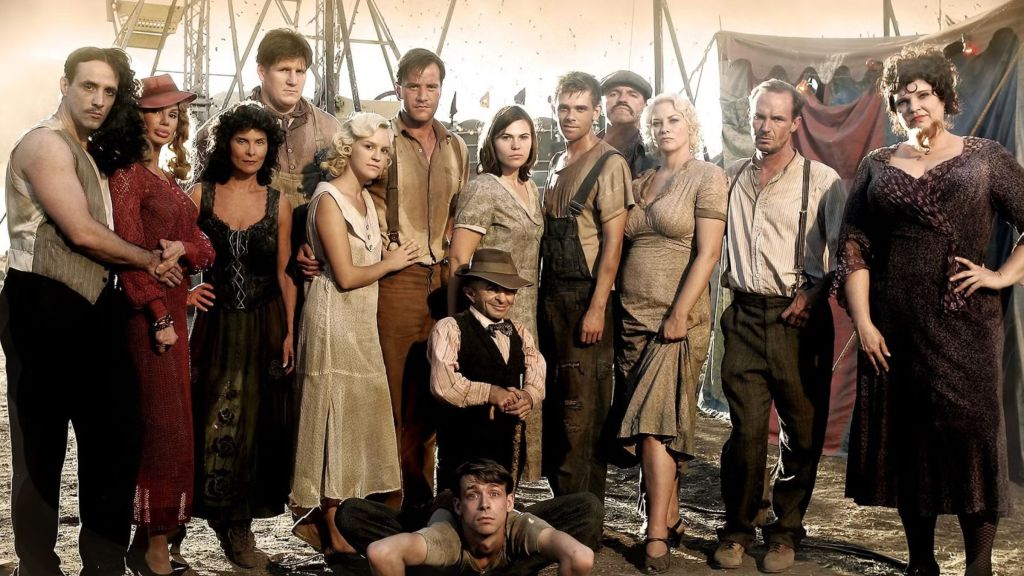
The cancellation of Carnivàle was ultimately a collision between artistic ambition and economic reality. In the early 2000s, HBO was riding high on the massive cultural and financial success of The Sopranos and Sex and the City. These shows were relatively cost-effective compared to the sprawling requirements of a period fantasy. Carnivàle cost approximately $4 million per episode to produce, a staggering sum for 2003, necessitated by its elaborate set designs, period-accurate costumes, and visual effects.

While the series premiered to a record-breaking 5.3 million viewers, the audience numbers steadily eroded over the course of the first season. By the time the second season aired, the average viewership had dropped to roughly 1.7 million. Additionally, the show’s density was a hurdle in the pre-streaming era. Missing a single episode meant losing track of the intricate mythology, making it difficult for casual viewers to jump in mid-run, further stagnating the ratings. For the network executives, the math simply did not work. The show was too expensive to maintain for a niche audience that was not growing.
Beyond the financials, the structure of the show itself contributed to its demise. Daniel Knauf had envisioned Carnivàle as a trilogy of “books,” with each book comprised of two seasons. This meant the Season 2 finale functioned as the end of Book One, wrapping up the initial conflict between Ben and Brother Justin while setting the stage for a much larger war in the unproduced future seasons. Ironically, this structured ending gave HBO a convenient off-ramp. Because the immediate plot threads regarding the initial confrontation were technically resolved, the network could argue that the story had reached a natural conclusion, despite the massive cliffhangers involving Sofie (Clea DuVall) and the fate of Management.
Carnivàle Is an Underrated TV Show
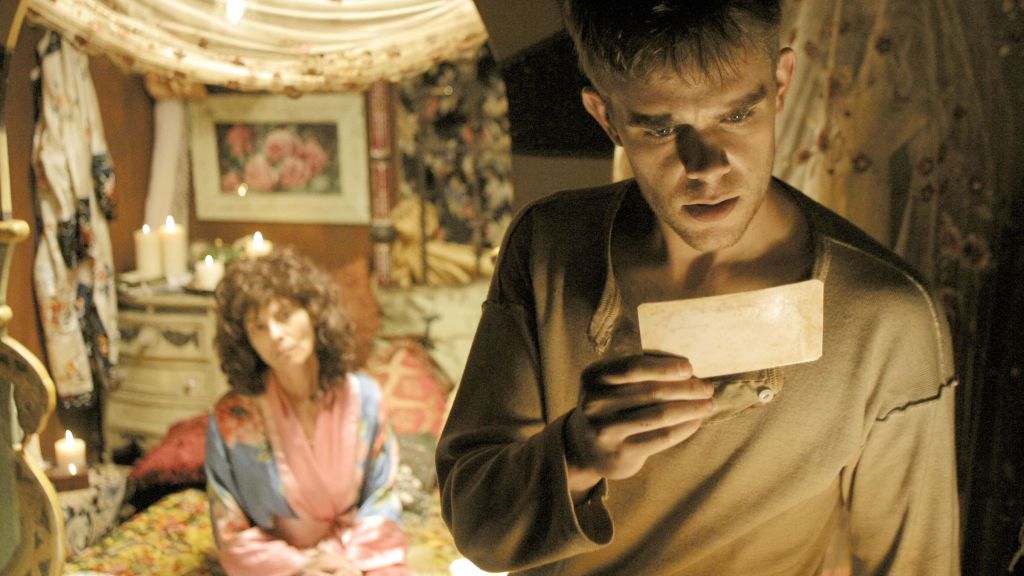
Despite the premature ending, Carnivàle stands as a landmark of atmospheric storytelling that predated the “Prestige TV” boom of the 2010s. The series committed to its tone with an intensity that few shows have matched since. The cinematography captured the sun-bleached despair of the Dust Bowl, creating a world that felt lived-in rather than like a soundstage. This visual language was supported by a mythology that was refreshingly original. Rather than relying on standard fantasy tropes, Knauf built a lore based on Gnosticism, Masonic history, and Christian apocrypha. As a result, the concept of the Avatars—generational beings of Light and Darkness—added a cosmic weight to the personal struggles of the characters.
The performances anchored this high-concept fantasy. Brown delivered a career-defining performance as Brother Justin, creating a villain who was terrifying precisely because he truly believed he was doing God’s work. His descent into darkness was a tragic slide that mirrored the rise of demagoguery in the 1930s. Similarly, the supporting cast, including Michael J. Anderson as the vertically challenged manager Samson and Tim DeKay as the cynical roadie Jonesy, fleshed out a world where every character had a secret history. Carnivàle proved that fantasy television could be serious, artistic, and adult long before Game of Thrones dominated the cultural conversation. It was a show that understood that the greatest monsters are often human, and that the fight between good and evil is rarely as simple as black and white.
Carnivàle is currently available to stream on HBO Max.
Do you think Carnivàle would have survived if it had been released in the streaming era? Leave a comment below and join the conversation now in the ComicBook Forum!
More TV Shows
-

Courtesy of Cartoon Network