The ’80s were a wild time in the United States. I was born in 1980, into a world that was rapidly changing. The hippie kids of the ’60s and early ’70s were adults and voted Ronald Reagan into office with a resouning landslide electoral victory two months after I was born, throwing away love and LSD for profit and cocaine, the year ending with the death of John Lennon, almost as if the iconoclastic spirit of the ’60s decided that they wanted off this ride before it got worse. These two events might not seem related, but they changed pop culture forever. The hippies sold out and that’s why we are where we are right now. However, not all of them did. The ’80s were also a time of wild art and experimentation, as a new generation of kids rebelled and created punk, post-punk, new wave, and goth. A whole generation of artists took the spirit of the ’60s and put it in play in a way that the generation that experienced didn’t. A perfect example of this is Mystery Science Theater 3000.
Videos by ComicBook.com
Myster Science Theater 3000 is one of those venerable pieces of pop culture that had a massive effect on everything, but most people who weren’t there don’t even know it existed. The show was the brainchild of Joel Hodgson. He had grown up during the B-movie explosion of the ’50s and ’60s, and had a love for those terrible old movies. He pitched the show to St. Paul, Minnesota’s KTMA-TV (now known as WUCW) in 1988, where it would air and gain a cult following, leading to it becoming the flagship of the early Comedy Channel before it merged with the other comedy channel, with Mystery Science Theater 3000 airing on Comedy Central until it ended in 1996. It completely changed the pop culture landscape in ways you’d never imagine.
Mystery Science Theater 3000 Changed the Way We Interact With Movies
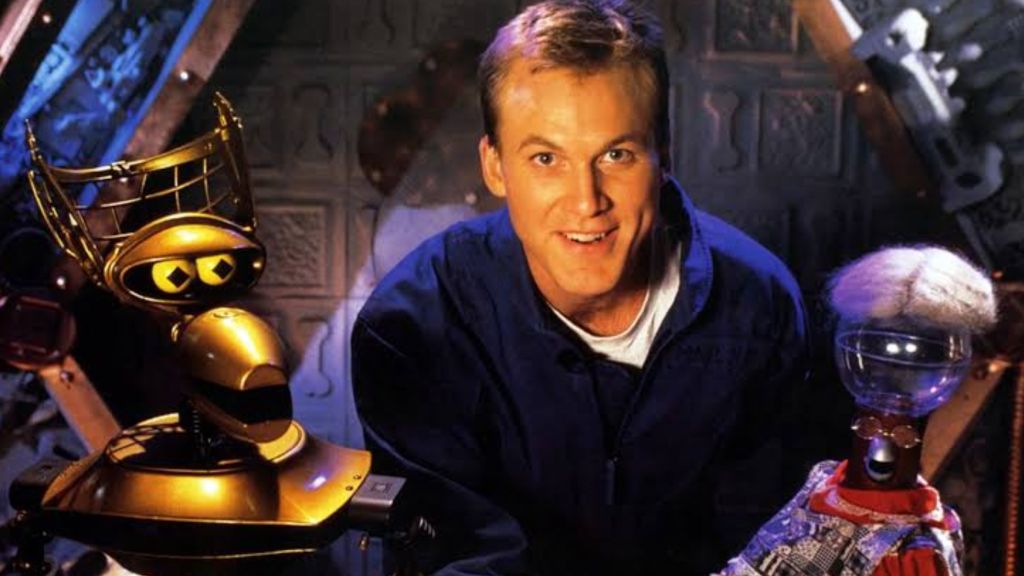
Nowadays, you can go on YouTube and find a hundred thousand different movie review channels. There’s the ones you expect – just a person talking about a film – and then there’s the ones where the hosts have built up a whole universe outside of their reviews. They review the movies in character and each review tells it own story in their continuing narrative (can anyone email me a Pizza Roll?). Some of them have recurring characters, guest stars, and the like. You can find a channel like this for basically any piece of pop culture you like, across just about any genre. It’s just the way it is now.
However, before 1988, there wasn’t really anything like that on TV. Sure, there was Siskel & Ebert At the Movies, which was fantastic, and critics would appear on a variety of talk and news show, but it was all played straight. Mystery Science Theater 3000 was something completely new when it started; Hodgson created his own story to be a part of the show, to keep people tuned in to these terrible old movies. Like many people in the ’80s, Hodgson had spent years watching bad B-movies and making fun of them with his friends. This sort of thing has always been a rite of passage, and Hodgson brought that to audiences in Minnesota and then across the country.
The premise of Mystery Science Theater 3000 is simple – Hodgson played Joel Robinson, a person who kidnapped by mad scientists, referred to as “the Mads”, and imprisoned on the Satellite of Love, named after the classic Lou Reed song (here’s a reference not all of you will get – “shine a light of love” – but you all know who said it). In order to stay sane, Robinson ended up building sentient robots, named Tom Servo, Crow T. Robot, the station operations manager GPC (formerly named after the common slur used against the Romani people), and Cambot. The group of them would watch the worst movies you can ever imagine, making fun of them the whole way.
My stepdad was a guy who loved bad black and white sci-fi B-movies, and we would often rent them and watch them, making fun of them the entire time. Hodgson did the same with his friends on the shows, except he did it in such a way that matched the spirit of those old B-movies. The low budget sci-fi movies of the ’50s and ’60s were some of the weirdest, cheesiest things imaginable, and MST3K, the most common abbreviation of the show’s name, tapped into that spirit.
I think one of the things that we miss about those old movies, and why MST3K was such a success, was that they were often labors of love. Look at someone like legendary B-movie director Ed Wood. He loved the stories he told. Roger Corman is known as one of the most efficient directors in the history of Hollywood, churning out low budget movies like nobody else, but does anyone doubt that he loved what he was doing? These old movies were labors of love, and MST3K was to tap into that, both by lovingly (and not so lovingly) mocking these movies while also using their tropes and ideas and also by being one itself.
The show would run for one season in St. Paul, moving to the Comedy Channel in 1989, which eventually morph into Comedy Central. Starting in 1991, MST3K was the flagship for the channel. People tuned into the show, allowing the network to get more successful and bring us classics like The Daily Show and South Park. The only reason we have Comedy Central at all is because MST3K was there, getting viewers and selling merch. It was one of the best cult ’80s TV shows of its day. Hodgson would eventually leave the show due to creative differences with co-producer Jim Mallon, as well as his own discomfort for being on camera, ending an era of the show.
He would be replaced by Mike Nelson, played by actor Michael J. Nelson, and then Nelson would be replaced by Jonah Heston, played by Jonah Ray. The show ended in 1996, just in time for DVDs to make it way easier to sell entire seasons of TV (I once bought an entire season of a show on VHS in the ’90s; it was expensive and took up several feet of space). All new audiences were introduced to the show and its format. Many of these people would end up using the Internet to do their own spin on the MST3K formula, allowing YouTube to become an entertainment juggernaut, all on the back of a show that the nerdiest people you knew in the ’90s loved.
The World Would Look Very Different Without Mystery Science Theater 3000
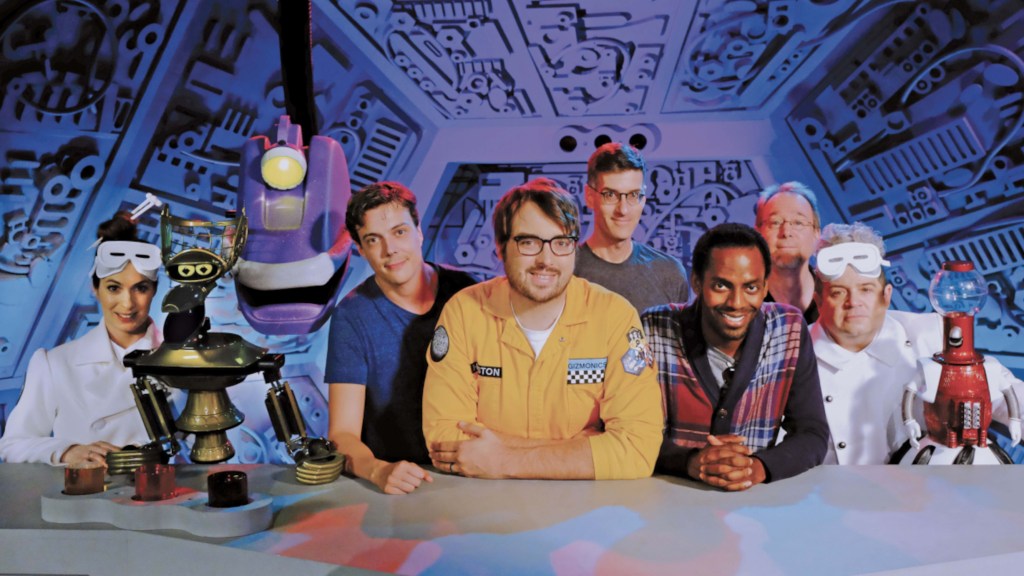
Mystery Science Theater 3000‘s legend has grown and grown over the years. For a very particular kind of nerd in the ’90s, MST3K was mana from the heavens. It gave them a sense of community and inspiration, leading a whole generation to create their own little worlds in order to do a fun movie review show. The spirit of MST3K inspired people like the Angry Video Game Nerd, the Nostalgia Critic and the rest of Channel Awesome, and the Red Letter Media guys, for better and for worse. It’s a massive part of the DNA of YouTube, which itself has changed the face of pop culture in a variety of ways.
Sometimes, I like to think about the people who changed the world in strange ways. Most of these people never expected to become such important part of pop culture; most of them probably still don’t even realize how integral they are to the world. Joel Hodgson creating Mystery Science Theater 3000 in 1988 was the first domino that would lead to our pop cultural world. He legitimately played a huge role in building our current entertainment paradigm and he did it by making fun of bad movies with his puppets. Fans have brought the show back numerous times, with it returning in 2017 and eventually becoming RiffTrax. Mystery Science Theater 3000 will always be one of the most important shows ever made, even if most people never knew about it.
What do you think of Mystery Science Theater 3000? Were you a fan? How do you feel about its place in pop culture? Sound off in the comment section below.
More TV Shows
-

Courtesy of Netflix/Carnival Films & Television -

IMAGE COURTESY OF MARVEL TV