The late ’90s were a pretty wonderful time to be a television fan. Friends was dominating Thursday nights, The X-Files was still making people afraid of perfectly ordinary forests, and every network seemed determined to find the next big supernatural hit. Meanwhile, Buffy the Vampire Slayer was busy proving that a show about a teenage girl fighting vampires could be considerably smarter than its premise suggested. It also had a habit of making ordinary occasions extremely dangerous. Apparently, not even Thanksgiving was safe.
Videos by ComicBook.com
There’s something particularly entertaining about revisiting holiday episodes from this era. They remind us of a time when television characters actually had to show up at somebody’s house for dinner instead of sending a group text. But one of Buffy’s holiday adventures deserves a closer look for reasons that have little to do with turkey or awkward family conversations. The fourth season tackled a particularly uncomfortable part of American history and wrapped it in a supernatural adventure. It wasn’t exactly the sort of Thanksgiving special you’d expect between Home Improvement reruns and a football game.
Buffy the Vampire Slayer’s “Pangs” Made Thanksgiving Much More Uncomfortable
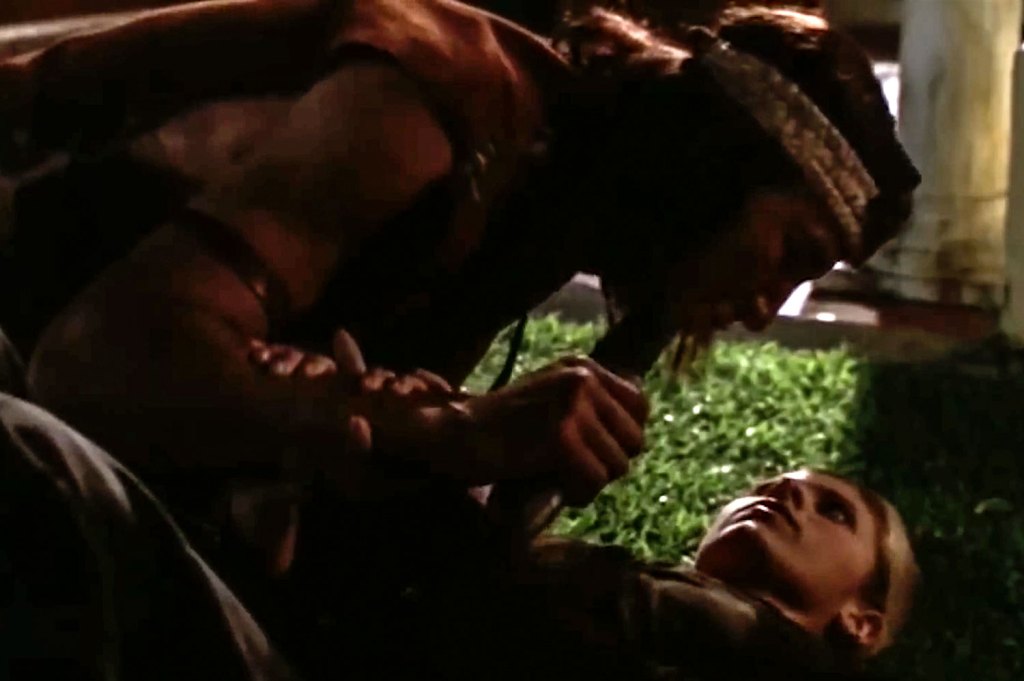
That episode was “Pangs” from November 1999. Buffy wants to celebrate Thanksgiving with her friends, but a construction project awakens the spirit of a Chumash warrior named Hus. He’s understandably furious about the treatment of his people and has no intention of quietly accepting the holiday festivities. Buffy suddenly finds herself dealing with an enemy whose anger comes from something considerably more complicated than an ordinary supernatural grudge. And that’s where the episode gets interesting.
Here’s a clip from the episode featuring Spike, a resident vampire, making a particularly blunt observation. It illustrates how the show didn’t simply take one stance on American history but instead explored several conflicting perspectives. Looking back, that’s one of the episode’s greatest strengths. It encourages viewers to question the simplified version of history they’ve grown accustomed to hearing and consider the experiences of people who were often left out of the traditional narrative. Even decades later, there’s value in using popular entertainment to introduce these uncomfortable conversations. Episodes like “Pangs” can remind us that understanding history means looking beyond the familiar stories and being willing to acknowledge perspectives that don’t always make it into the textbooks.
The timing is worth remembering, too. America was preparing for Y2K, and Britney Spears was everywhere. The Blair Witch Project had turned a walk in the woods into a potential nightmare. Yet Buffy was tackling colonialism during a holiday that most television shows treated as an excuse for sitcom misunderstandings. Hus wants revenge for the violence committed against his people and Buffy has to stop him from killing innocent people. Meanwhile, Angel turns up unexpectedly and creates another headache for the Slayer. It’s a strange combination of historical commentary and romantic complications. Somehow, the gang still has to figure out Thanksgiving dinner. Honestly, that’s probably the most unrealistic part of the whole episode.
Why Buffy’s Thanksgiving Episode Was More Controversial Than Fans Remember
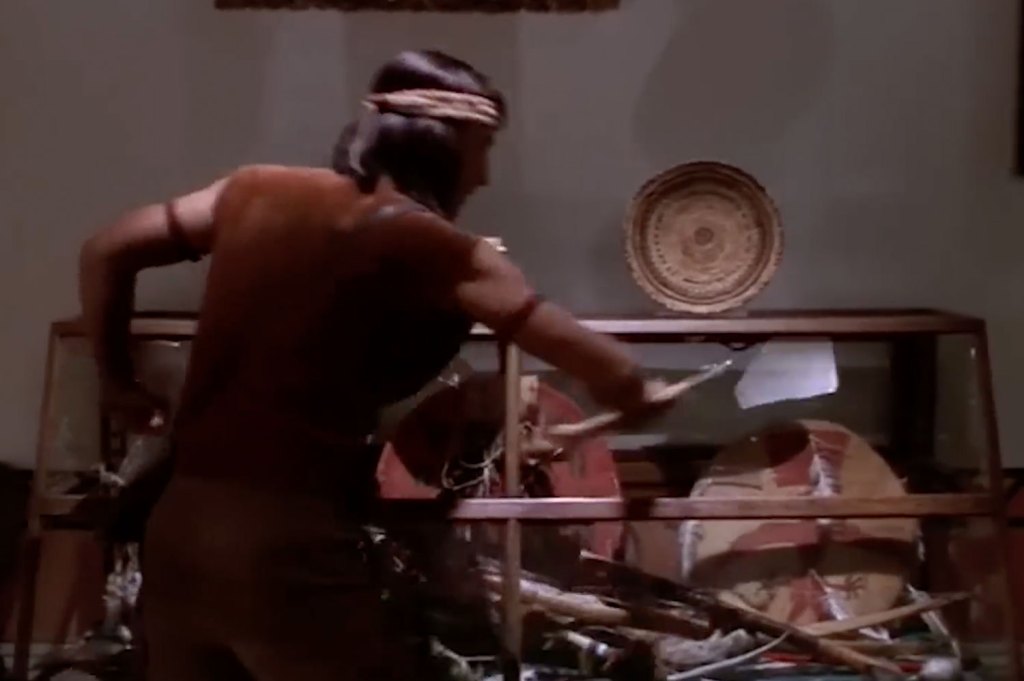
I’ve always found “Pangs” interesting because it understands that Thanksgiving comes with a rather complicated history. The episode doesn’t simply give Buffy another monster to fight. It challenges the traditional story surrounding the holiday and brings Indigenous dispossession into a mainstream supernatural drama. That’s a pretty ambitious move for a series that also gave us giant praying mantises and vampires with terrible fashion sense. The problem is that Hus becomes the villain of the week despite having legitimate reasons to be angry. Buffy ultimately has to defeat him to protect her friends. That creates an uncomfortable contradiction at the heart of the story.
There’s also the question of how much room the episode gives Indigenous perspectives. The Chumash history provides the conflict but the story largely follows Buffy and her familiar circle of friends. That doesn’t erase the episode’s willingness to raise the subject. It does make its approach feel limited when revisiting it today. Still, I’d rather see a television series take an ambitious swing and leave viewers with something to discuss than watch another Thanksgiving special where everybody argues about who brought the wrong pie. “Pangs” doesn’t get everything right. But it certainly gave Buffy fans something more interesting to remember than another holiday dinner gone wrong. And in Sunnydale, that’s saying something.
More TV Shows
-
Image Courtesy of Warner Bros. -
Image Courtesy of Image Comics -
Image Courtesy of Skydance -
Image Courtesy of Warner Bros.