While most UK TV premieres enjoy an easy ride onto the air, there are exceptions—and the lead-up to Doctor Who was more like a rollercoaster than an easy cruise. Yeesh. And on November 23, 1963, nobody could have envisaged what a hit the strange new sci-fi series would become. You might think the show’s legacy started smoothly, but nope, it was anything but. Unfortunately, the very first episode was caught up in a storm of production problems and unpredictable events.
Videos by ComicBook.com
The path to TV for the Doctor was not an easy one. The BBC faced unexpected obstacles, and the first episode did not air as planned. The results got so knotted up that the BBC figured audiences deserved a second chance to see the start of this remarkable story. An appropriately strange beginning for a series that would go on to spend decades defying reality until it all seemed quite normal.
Doctor Who‘s Pilot Almost Never Made It Onto the BBC
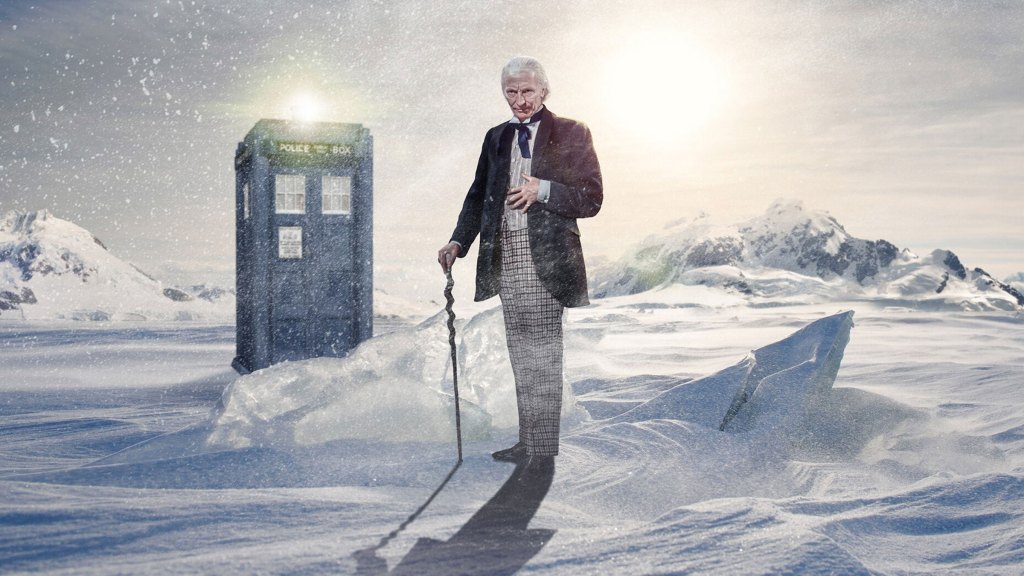
Before Doctor Who became a beloved fixture of pop culture, getting its very first episode on air was a very real challenge. The first version of “An Unearthly Child” was recorded back in September 1963, but it wasn’t quite up to the BBC’s high standards. Technical difficulties and concerns about the cast’s performances left the production team unhappy with the results. Rather than simply accept the recording and move forward, the decision was made to reshoot the episode. That meant bringing the cast and crew back together to do it all over again. It must have felt like an ironic time-travel job for the series. Fortunately, the second recording proved more successful, and the BBC managed to get the episode ready for its scheduled November premiere.
However, everything that followed was upstaged by other events. On November 22, 1963, the world was shocked into silence when President John F. Kennedy was tragically assassinated in Dallas, Texas. News of the shooting was broadcast on television screens across the world, and the BBC, which had devoted plenty of airtime to the tragedy, ended up overshadowing the new Doctor Who series. The show was forced to make its debut the following day with much less fanfare than intended. To make matters worse, there were technical difficulties, too, as some regions experienced power failures, meaning viewers couldn’t watch the episode when it was being broadcast. For a series that would become a TV mainstay for decades to come, its first leap through history was anything but smooth.
Why the BBC Repeated Doctor Who‘s Premiere on November 30
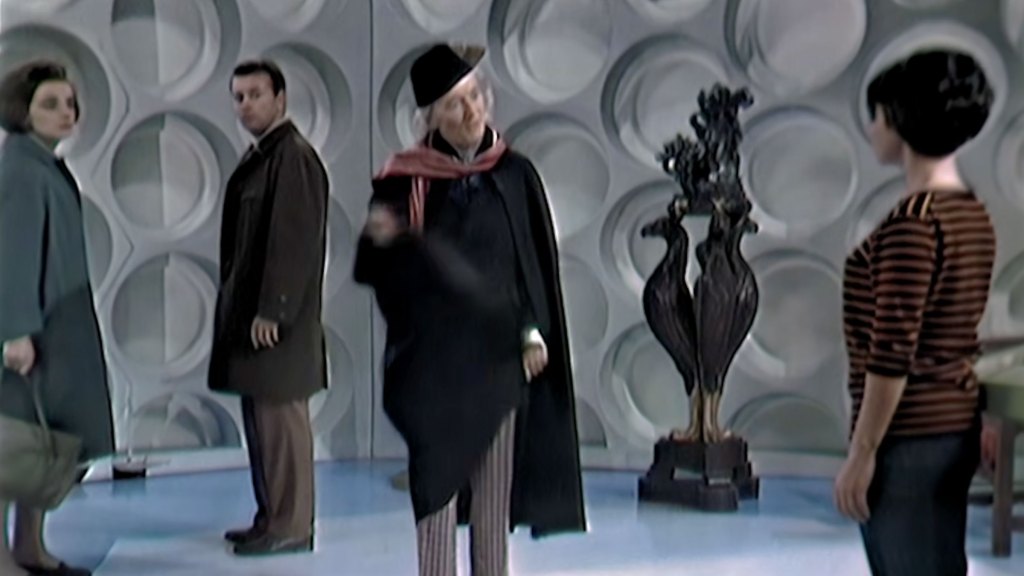
All was not lost, however. When it became clear after the turmoil of the first airing that many viewers hadn’t had a chance to experience the series’ first adventure, the BBC decided to give them another opportunity. With extensive coverage of Kennedy’s assassination and widespread problems with the electricity supply, the network hadn’t successfully introduced the series to the world in the way it had hoped. And so, instead of simply plowing on and blindly trusting that viewers would catch up, the BBC issued an extra broadcast of “An Unearthly Child” on November 30, 1963. This gave audiences a second chance to meet the mysterious Doctor, his granddaughter, and the two unlikely schoolteachers caught up in one of the most extraordinary adventures of all time.
That repeat also gave the series another chance to establish its wonderfully bizarre concept. When teachers Ian Chesterton and Barbara Wright become interested in their student Susan’s strange knowledge, which seems to go far beyond anything an ordinary schoolgirl should know, their investigation leads them to a strange police box and its equally odd owner. Soon, they’re leaping through space and time in the TARDIS, and the longest-running saga in television history has begun. Nobody involved in those original broadcasts could have known just how successful the show would become. What started as a small BBC science-fiction story would eventually turn into a television juggernaut, with a new Doctor for each successive generation. And when the original series eventually had to return to its own beginnings, the fact that it all started with a second chance seems more appropriate than you might think for a Time Lord.
More TV Shows
-
Image Courtesy of SkyDance