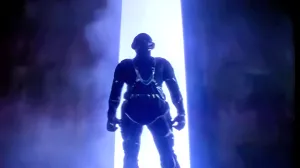
The Simpsons just did the unthinkable, resurrecting a character that nobody ever expected to see again. In Treehouse of Horror XXXVII, the show brought back the owner of the Kwik-E Mart, Apu Nahasapeemapetilon. It was a huge shock and an actual surprise to many who thought we had seen the last of this infamous character nearly a decade ago. The episode also attempted to right a longtime wrong by giving Apu a new voice supplied by Sunil Malhotra, a prolific voice actor who was born in New Delhi, India, before moving to Chicago with his family when he was six months old.
Videos by ComicBook.com
It’s not just hyperbole to say we really didn’t think Apu would show up in a new episode ever again, and fans have been irate ever since the character was exiled from the series. But while Apu’s reappearance only just happened, his return has actually been years in the making, and something the series has been working towards since the messy incident with this character began nearly a decade ago.
The Problem with Apu
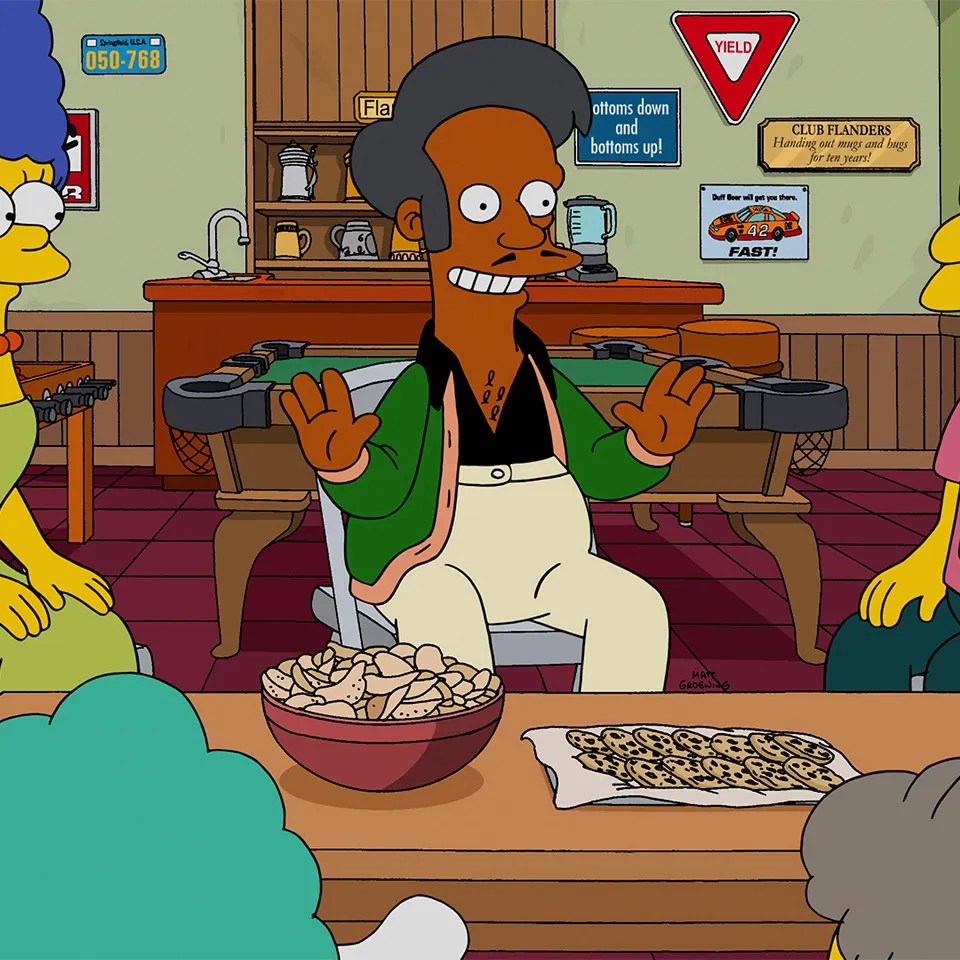
The internet’s reaction to Apu’s return has been primarily positive so far, but to understand why this is such a big deal, we need to look back at what the issue was and when it first came to light. In 2017, comedian Hari Kondabolu released a documentary called The Problem with Apu, which examined negative stereotypes of Indian people in media with a focus on a certain small business owner in Springfield. The impact was almost immediate, and the discourse around what actors are allowed to play characters of different races and cultures other than their own became a significant topic for many. It was a battle of those who felt “the best person should get the job” against people who believed authenticity was important, and dismissing that idea means a whitewashed impersonation or interpretation of a character that has minimal connection to the person performing it.
Initially, the long-running series opted to treat the situation like a joke. In Season 29’s “No Good Read Goes Unpunished” from 2018, Marge reads Lisa a bedtime story filled with appalling outdated stereotypes. Surprisingly, it was Lisa who seemingly defended the book, saying “Something that started decades ago and was applauded and inoffensive is now politically incorrect.” Lisa looks down towards a framed photo of Apu on her nightstand, and continues, “What can you do?”Marge responds reassuringly with, “Some things will be dealt with at a later date” but Lisa gets in the last word by adding, “if at all.” This knee-jerk reaction drew even more criticism and negative attention to the show, and it was up to one of its stars to try and remedy the situation.
Weeks later on The Late Show with Stephen Colbert, Hank Azaria addressed the episode and overall incident by apologizing for the episode’s content and taking responsibility for the problem. “I think the most important thing is to listen to South Asian people, Indian people in this country when they talk about what they feel and how they think about the character, and what their American experience of it has been,” Azaria explained. “I really want to see Indian, South Asian writers in the writers room … including how [Apu] is voiced or not voiced. I’m perfectly willing to step aside. It just feels like the right thing to do to me.”
Apu Becomes an Agent of Change
Immediately following Azaria’s interview with Colbert, The Simpsons announced their intent to make positive changes around their casting choices. Their first step was recasting all of their Black characters with Black actors, meaning Dr. Hibbert, Drederick Tatum and Homer’s work buddy Carl Carlson had a more authentic sound to their dialgoue. But The Simpsons wasn’t the only animated show changing their tune. Around the same time, Mike Henry stepped down from voicing Cleveland on Family Guy, and Jenny Slate left Netflix’s Big Mouth to make space for a Black performer to voice Missy. More and more shows and films went out of their way to bring genuine change to the entertainment world, setting the stage for The Simpsons to make their next move.
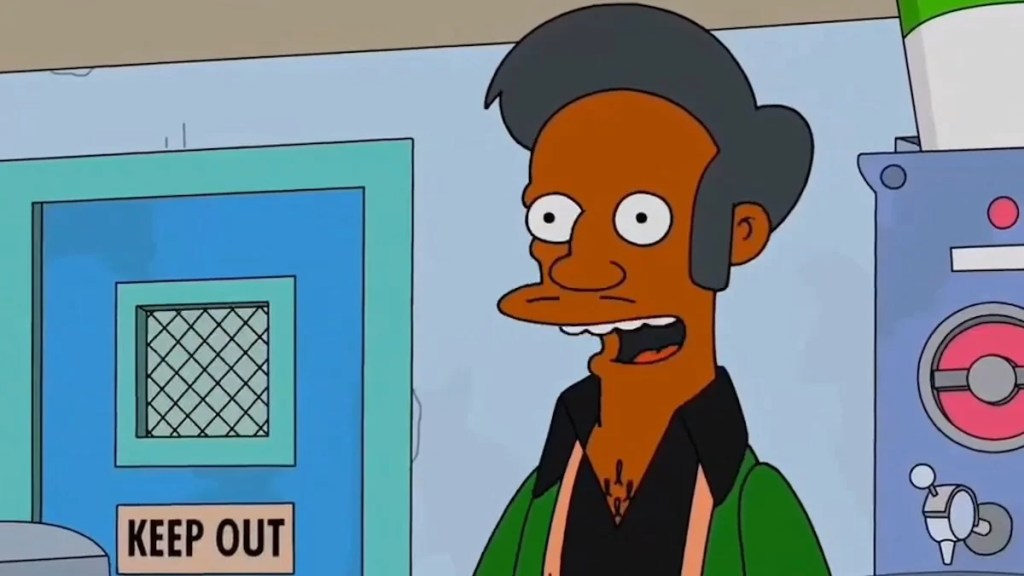
While these impactful changes were happening in Hollywood, The Simpsons banished Apu to the Shadow Realm, solving their problem by pretending the character who was the catalyst of the issue didn’t exist. On the very infrequent occasions Apu would appear onscreen, the character never uttered a sound. It felt like a disservice to the character whose controversy fueled a much-needed conversation about authenticity. The showrunners seemingly gave up on Apu, and many viewers believed he would never be seen or heard in a significant way again. While Apu was on a longterm hiatus, it seemed the creators of the show had secret plans of their own, and they finally came to fruition during primetime on Oct. 18, 2026.
Apu’s Comeback Has Been Years In the Making
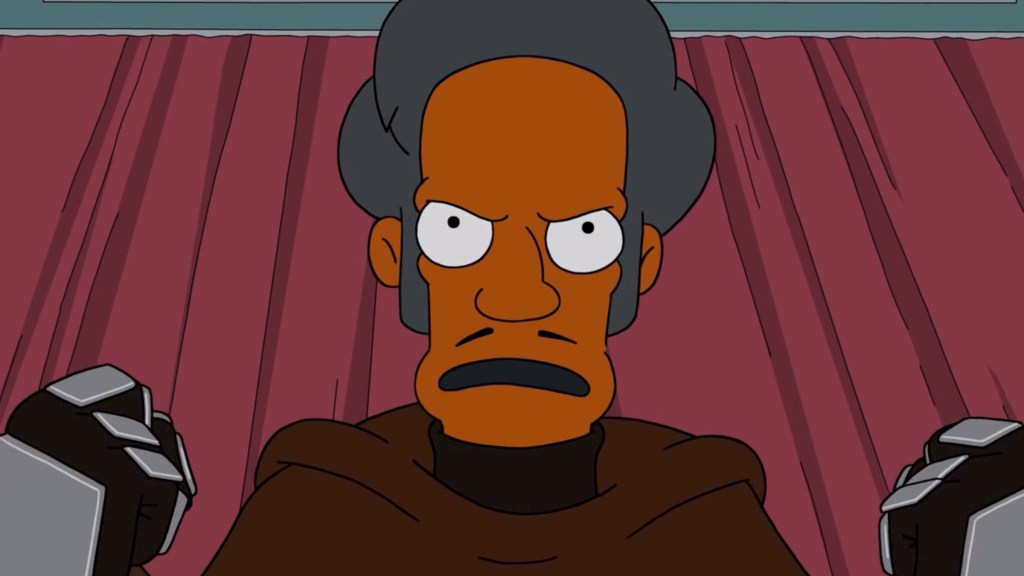
When Apu revealed himself in “The Revenging,” it was difficult to say who was more shocked — the denizens of Springfield about to be mass-murdered, or the audience watching at home that didn’t expect to see the character, let alone hear his voice. In a very meta way, the series finally addressed the unpleasantness around his exit and offered an actual apology delivered primarily by Homer. Making the moment even bigger was the feeling that this Halloween special might be the first Treehouse of Horror that is actually canonical, ending with Apu waking up from his nightmare to be invited to Homer’s party and see all of the friends he felt like he missed for years.
Making this a true Halloween treat and not a trick, the status of this character has been essentially confirmed as more than a one-time appearance. “We love this character, and wanted to bring him back in a smart, ‘Simpsons’-y way that allowed him to evolve,” executive producer Matt Selman Selman told Variety. “We’re excited by what Sunil has already brought to the role, and look forward to seeing more of Apu in the future.”
It may have taken longer than fans wanted, but Apu is finally back where he belongs, and it was achieved in the best way possible. This important evolution in the industry began with The Simpsons, and it feel like this closure for the character is a signal that represents how far Hollywood as a whole has come to bring us to this moment. One can argue about the quality of the show as the seasons passed, but they’re still trying to do the right thing and telling the best stories they can. With Apu back in the fold, it feels like a fresh chapter has been added to the legacy of one of the greatest animated sit-coms in history, and I can’t wait to see what comes next. All I really want to say to The Simpsons creative team and Apu’s new performer is “Thank you, come again.”