What is a miniseries? Shows with that perfect format when you want a complete story without having to invest too much time in your life. But there’s a very real side effect of the streaming era: a lot of great stuff just disappears. If that already happens with multi-season shows, imagine the ones with only one. A miniseries premieres, gets a few strong reviews, becomes a recommendation for a couple of days, and then it’s gone, overshadowed by whatever new story keeps most people more engaged. And the worst part is that many of these are truly great, with sharp writing, incredible performances, and plots that hit in a different way.
Videos by ComicBook.com
There are many reasons why they end up being overlooked and never brought up again, from not landing on the right algorithm to simply being too heavy for some people to finish. But if there’s one thing they do right, it’s showing how TV should be made today. Here are 5 incredible miniseries most people don’t even realize still exist. It’s time to dig them back up.
5) Under the Banner of Heaven

If you’re into true crime but you’re also tired of the usual formula this genre tends to follow on TV, Under the Banner of Heaven flips that approach. It’s not trying to be suspenseful in the traditional way; it’s trying to be serious and unsettling. Here, we follow Jeb Pyre (Andrew Garfield), a Mormon detective investigating the murder of a woman and her baby, only to uncover connections to religious extremism within his own community. But don’t worry, this isn’t a show that’s about religion. The point is to show how belief systems can normalize disturbing behavior to the point where people start treating the unthinkable as completely justified.
And there’s absolutely no rush for the story to move forward — that slow pace is clearly intentional. Under the Banner of Heaven isn’t built around constant shock value, and every new clue feels less like a twist and more like proof that the situation is even darker than it seemed. It’s a high-quality production that most viewers praised, but it still ended up being forgotten because it doesn’t play as the typical true crime hit. Its structure isn’t the kind that appeals to everyone right now, especially in a streaming era where people usually want something faster and more addictive to hold their attention.
4) Olive Kitteridge
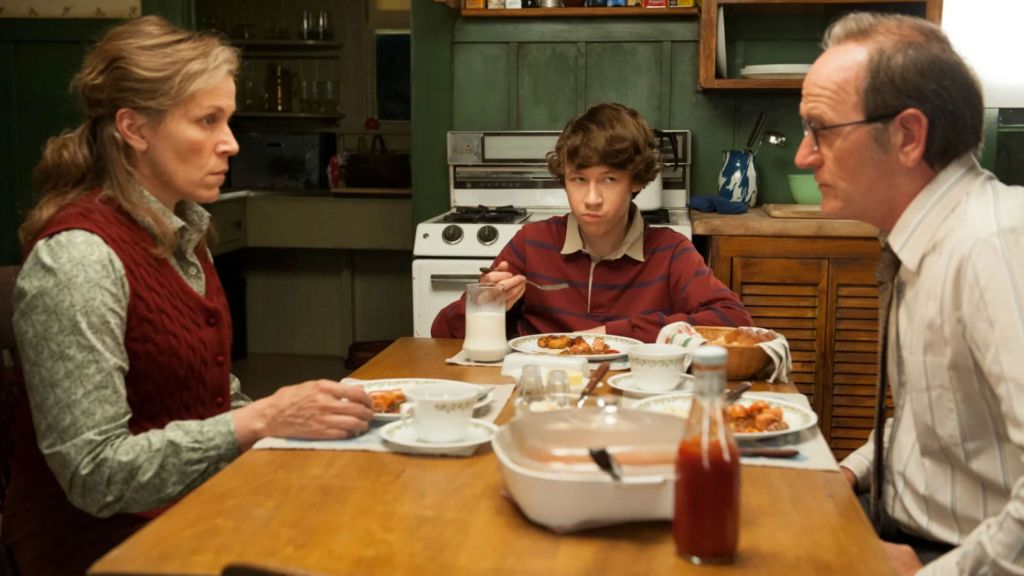
The reason most people forgot about Olive Kitteridge is that it’s basically the opposite of what gets people talking. Don’t expect cliffhangers, plot twists, or quote-ready dialogue, because this is a much quieter, more restrained kind of show. What it does have is a central character who feels like a real person, and that’s the whole reason it hits as hard as it does. The story follows Olive (Frances McDormand), a schoolteacher living in a small town, as the series spans decades of her life — her marriage, her relationship with her son, and her interactions with ordinary people who are also just trying to emotionally survive.
What happens here is powerful, but it’s simple: the show presents Olive as someone who’s hard to live with, hard to love, and hard to defend, yet you keep watching because the entire point is that life is full of people like her. Olive Kitteridge works because it feels like an almost perfect portrait of real life, so it’s human and relatable. Overall, it’s absolutely worth watching, but only if you fully lean into what it’s trying to do and don’t expect some tightly engineered, modern-style plot built around nonstop pacing.

3) When They See Us
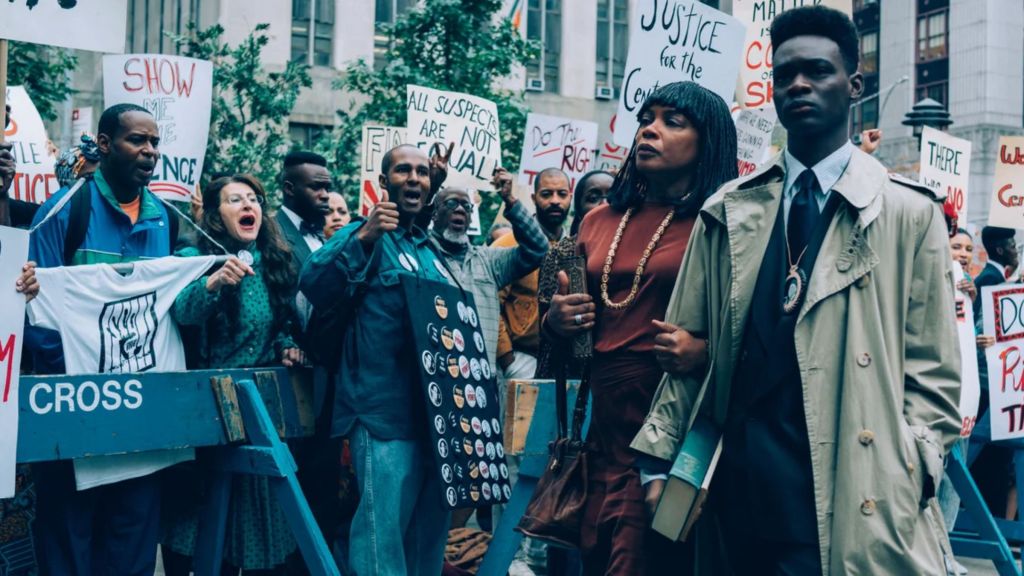
There was a time when When They See Us was being recommended, but it didn’t take long for it to disappear from the conversation, and now barely anyone brings it up. Which is crazy, because beyond being great, it feels like the kind of show that should be almost mandatory viewing. Why? The story retells the case of the Central Park Five — Black and Latino teenagers who were falsely accused of a crime in 1989. From there, you watch everything unfold: the manipulative interrogations, the convictions, and the impact it had on their families. Is it heavy? Yes, but not because it’s trying to shock you, but because it’s too outrageous. You spend most of it struggling to process the fact that this actually happened.
When They See Us isn’t really a crime drama, but a reconstruction of the kind of injustice that ruins lives and then moves on like it was nothing, because it all comes down to an entire system operating exactly the way it always has. And the series makes sure each of the teenagers feels like a real person, so they have their own personalities, their own fears, and their own confusion (no one is treated like a symbol). This isn’t the kind of show you watch for entertainment, but it’s the kind that reminds you why TV can be a form of protest and not just escapism.
2) I May Destroy You

By trying to be bold and different, that’s why I May Destroy You barely gets talked about anymore. But if there’s one show that makes a lot of others feel lazy, it’s this one. While most trauma-focused series take the easy route (either turning into a predictable misery drama or a healing journey story), this one leans straight into chaos. The plot follows Arabella (Michaela Coel), a writer who starts remembering fragments of a night when she was drugged and assaulted, and tries to piece together what actually happened. At the same time, her life begins falling apart bit by bit.
The series plays like a dark comedy: it’s funny when it shouldn’t be, and uncomfortable exactly when you want to laugh. And that isn’t messy writing, it’s complete tonal control. It feels improvised, but it’s way too sharp to be accidental. The show tackles everything: consent, memory, social media, ego, guilt, and even how people around you process violence in completely different ways. I May Destroy You has a brilliant script, characters full of contradictions (like real people), and it never plays it safe. It’s one of the most impressive things you can watch on TV right now.
1) It’s a Sin
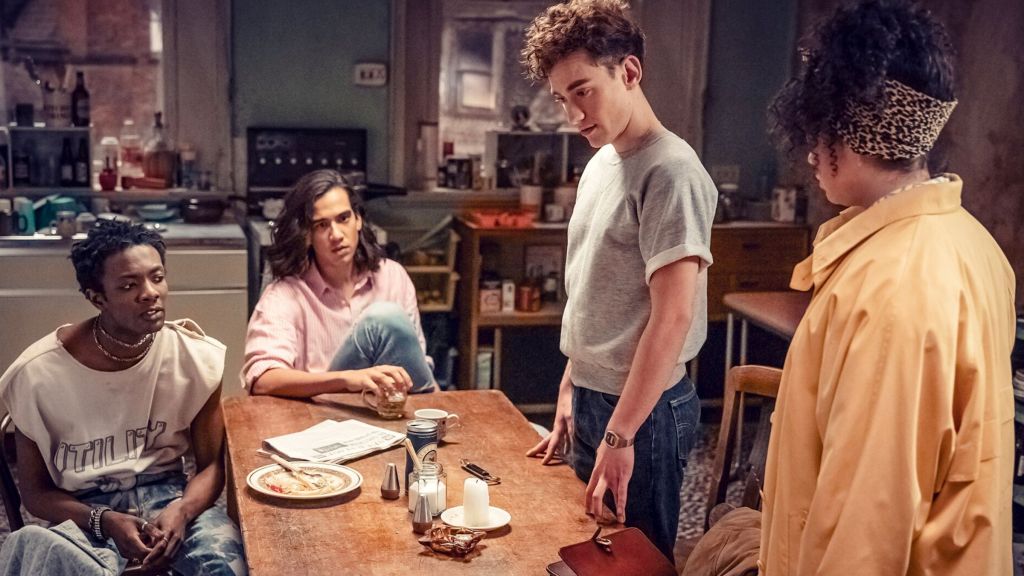
When you think of a series that destroys you but still feels like a masterpiece, Chernobyl is probably one of the first titles that comes to mind, right? It’s a Sin belongs in that same conversation. This is a show that sticks with you after it’s over, and it’s honestly a reminder of what TV can look like when it’s done at the highest level. The story follows a group of young gay friends in London during the ’80s, right as the HIV/AIDS crisis begins. So you watch their sense of freedom and future get replaced by fear, prejudice, and total institutional abandonment. Several shows have touched on this era, but this one goes deeper and hits harder.
The entire point of It’s a Sin is to make you feel what people actually went through, and it does that by making you care about the characters immediately. Before it becomes a story about death, it becomes a story about life — happy, loud, young, and full of plans. It almost feels cruel on purpose, but it works because the show understands something most dramas don’t: the pain only lands when the characters feel like friends, not just representations. And while weak marketing definitely played a role here, the series may have been forgotten because it also asks too much emotionally. But, by the end, it leaves you really annoyed that more people don’t talk about it the way they should.
What do you think? Leave a comment below and join the conversation now in the ComicBook Forum!
More TV Shows
-

Image Courtesy of Marvel Studios -

Marvel Studios – Disney+ -
Cartoon Network