Maintaining a consistent level of quality throughout a television series is an arduous task that few productions ever truly achieve. Within the fantasy genre, this challenge is magnified by the existence of complex lore, intricate worldbuilding, and high audience expectations for epic conclusions. Successful examples like Avatar: The Last Airbender or The Good Place demonstrated that it is possible to conclude a multi-season narrative with thematic resonance and critical acclaim. These shows managed to weave together various plot threads while staying true to their established characters, providing a sense of finality that felt earned rather than forced. However, the reality for many other series is far less prestigious.
Videos by ComicBook.com
Even the most beloved fantasy TV shows are susceptible to creative mismanagement, sudden budget constraints, or behind-the-scenes drama that can derail years of storytelling in a single season. When showrunners lose sight of the narrative’s core or attempt to pivot the series in a new direction too late in the game, the resulting final episodes often alienate the very fanbase that sustained them. This event is all the more tragic when it happens in a final season, souring the memory of a great series when it’s too late to try and course correct it.
7) Gargoyles
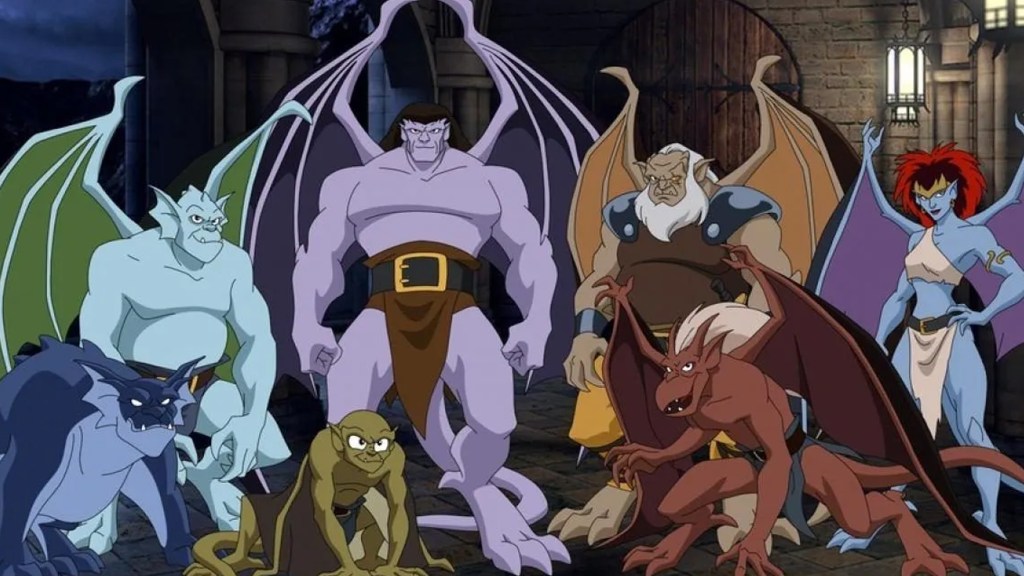
The third season of Gargoyles, rebranded as The Goliath Chronicles, represents one of the most drastic drops in quality in animated history. This decline was primarily due to a total overhaul of the creative team after the series moved from syndication to ABC’s Saturday morning lineup. As a direct consequence, series creator Greg Weisman was removed from his leadership role, and the complexity of Goliath (voiced by Keith David) and his clan was flattened to accommodate stricter broadcast standards and practices. Furthermore, the animation quality plummeted as the production was moved to different studios, losing the cinematic atmosphere that once defined the show. Because the new writers did not understand the established lore, the season felt like a hollow imitation of its former self. To this day, the fandom and Weisman himself largely consider the televised third season non-canonical, preferring the continuation found in later comic books.
6) Disenchantment
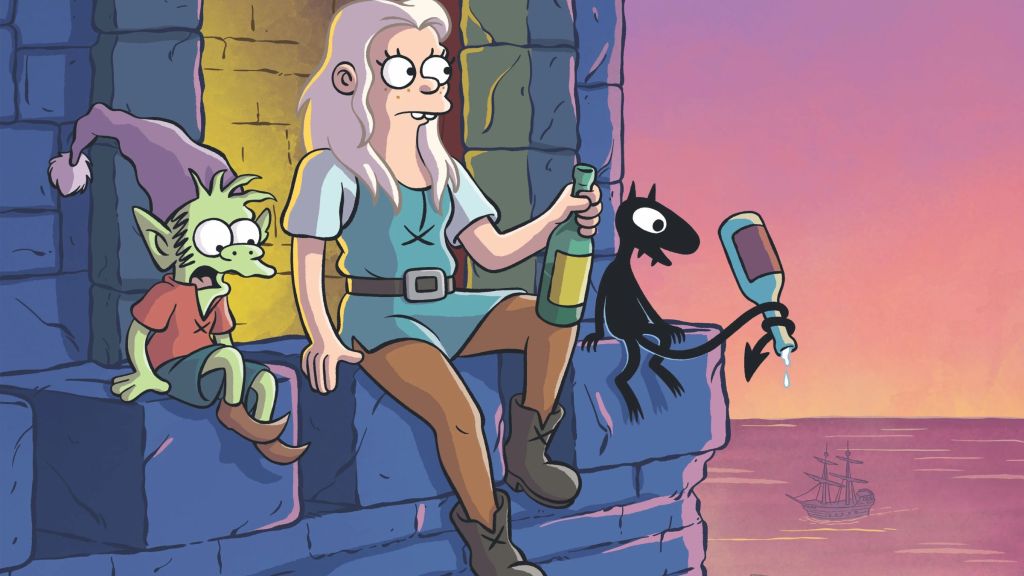
While Disenchantment initially promised a subversive take on fantasy tropes from the creator of The Simpsons, its final season on Netflix struggled to justify its own existence. The primary issue with the fifth season was a reliance on a checklist approach to storytelling, where every minor character and plot thread was rushed toward a resolution. Unsurprisingly, the narrative momentum stalled as the show prioritized tying up loose ends over organic character growth. On top of that, the humor in the final episodes of Disenchantment lacked the sharpness of early seasons, often recycling gags rather than innovating within its unique setting. This resulted in a finale that was functional but entirely lacked the emotional weight required for a series that had spent years building its mystery.
5) Merlin
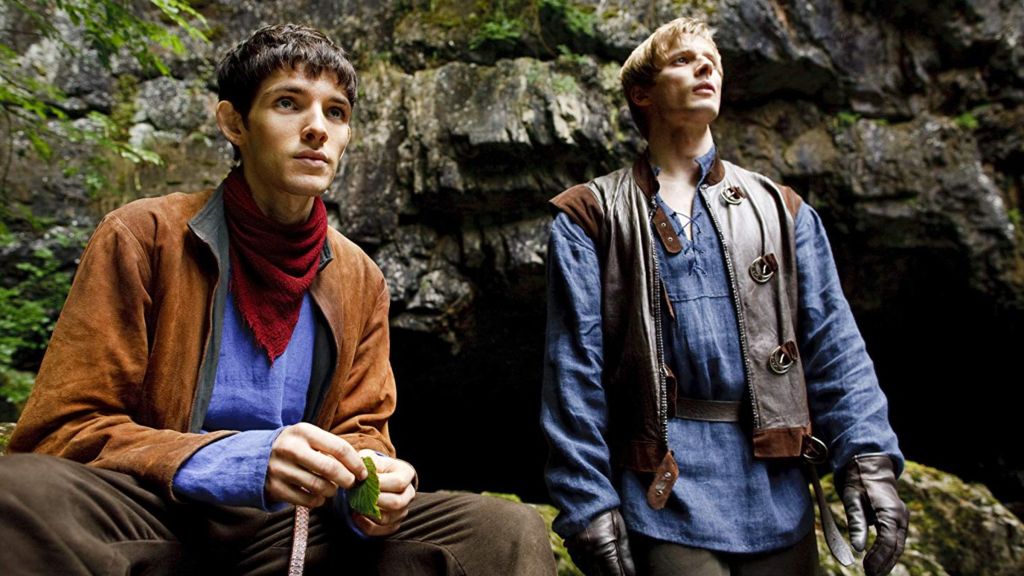
The final season of the BBC’s Merlin remains a source of intense frustration for fans due to its bleak and arguably nihilistic conclusion. For five seasons, the series teased a future where Merlin (Colin Morgan) would openly serve as Arthur’s (Bradley James) advisor in a magic-friendly Camelot. However, the writers chose to adhere strictly to the tragic end of the original Arthurian legends, which directly contradicted the hopeful, revisionist tone the show had cultivated. Arthur only learned the truth about Merlin’s magic in his final moments, effectively robbing the audience of the partnership they had waited years to see. The final shot of an immortal Merlin wandering a modern-day highway was a jarring and depressing pivot that many viewers felt retroactively ruined the show’s lighthearted charm. This decision to prioritize a twist ending over satisfying character development resulted in a finale that felt like a betrayal of the series’ core premise.
4) Once Upon a Time
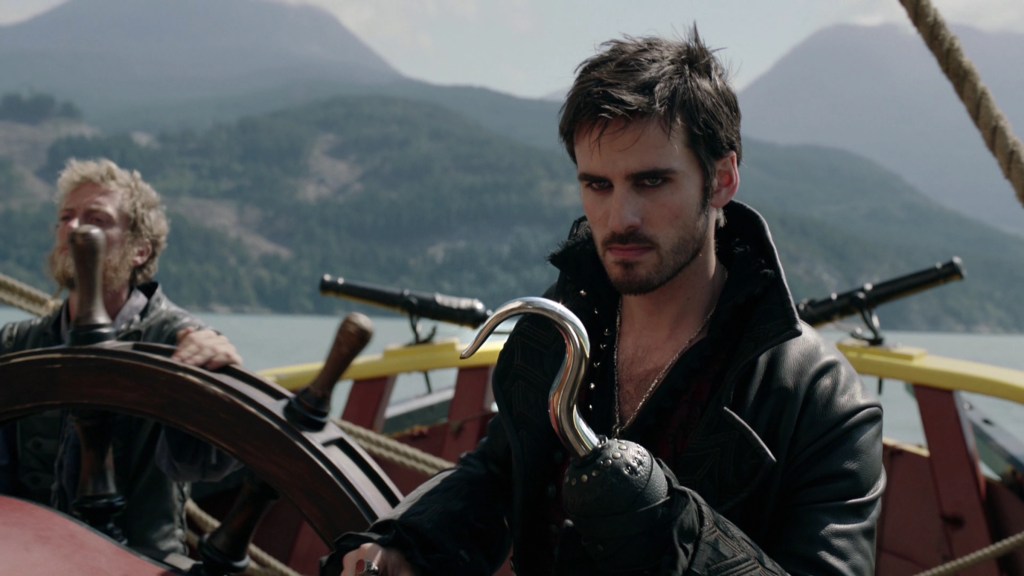
The seventh season of Once Upon a Time was a soft reboot that fundamentally misunderstood why audiences watched the show. After the departure of most of the original cast, including Jennifer Morrison as Emma Swan and Ginnifer Goodwin as Snow White, the series moved the action to a new setting in Seattle called Hyperion Heights. This change stripped away the charm of Storybrooke and replaced it with a convoluted plot involving an adult Henry Mills (Andrew J. West) and his daughter, Lucy (Alison Fernandez). While Regina (Lana Parrilla) and Rumplestiltskin (Robert Carlyle) remained as series regulars, their new “cursed” identities felt like a regression for characters who had already completed their redemption arcs. Due to all that, the final season of Once Upon a Time felt like an unnecessary epilogue that dragged on long after the story had naturally concluded in the season six finale, resulting in a disjointed and forgettable end to an otherwise iconic franchise.
3) Xena: Warrior Princess
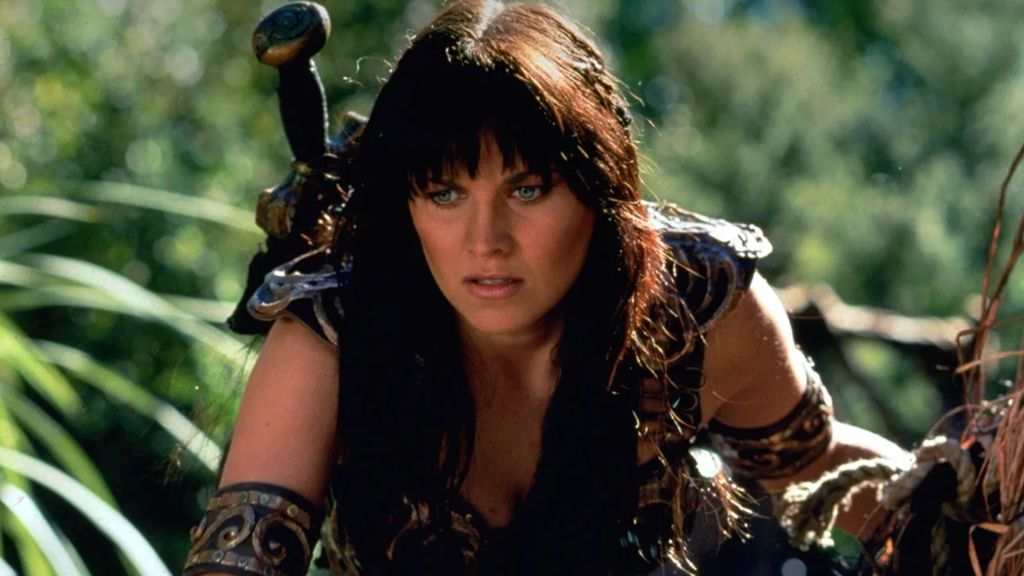
Few finales are as reviled as the two-part ending of Xena: Warrior Princess, titled “A Friend in Need.” After six seasons of Xena (Lucy Lawless) seeking redemption for her past sins, the writers introduced a previously unmentioned crime. The revelation that Xena was responsible for the accidental deaths of 40,000 souls was a last-minute addition that felt disconnected from the show’s established history, and forcing the protagonist to remain dead to appease these souls was a narrative choice that many felt ignored her years of atoning for more significant crimes. Gabrielle (Renee O’Connor) was left to carry on Xena’s mission alone, but the emotional impact was undercut by the sheer randomness of the Japanese setting and the new antagonists. This ending was so controversial that the cast and crew have frequently expressed regret over the decision in the years since it aired.
2) Charmed

The final season of Charmed was a victim of severe budget cuts and network interference that stripped the show of its identity. Due to financial constraints, series regular Leo (Brian Krause) was written out for half of the season, and the special effects budget was visibly reduced. To compensate, the network mandated the introduction of a new, younger witch named Billie (Kaley Cuoco) to serve as a potential lead for a spin-off. This shifted the focus away from the bond between Piper (Holly Marie Combs), Phoebe (Alyssa Milano), and Paige (Rose McGowan). While the very final episode provided some nostalgia through time travel and cameos, the preceding twenty episodes were a slog of uninspired writing and domestic drama. Because of that, the final season of Charmed felt like a cheap imitation of the show’s glory days.
1) Game of Thrones

The collapse of Game of Thrones in its eighth season remains the definitive example of a prestige series crashing at the finish line. After outpacing the source material written by George R.R. Martin, showrunners David Benioff and D.B. Weiss chose to conclude the epic narrative in just six episodes. This led to a catastrophic acceleration of plot points that required characters like Jon Snow (Kit Harington) and Daenerys Targaryen (Emilia Clarke) to make hasty decisions for the sake of reaching a predetermined ending. As a result, the strategic depth that once defined the show’s political maneuvers was replaced by spectacle and shock moments that lacked internal logic. From the sudden turn to villainy of Daenerys to the anticlimactic defeat of the Night King (Vladimir Furdik) and the controversial decision to crown Bran Stark (Isaac Hempstead Wright), the final season of Game of Thrones almost destroyed all the good faith the series had built in previous years.
Which fantasy series had the worst final season, in your opinion? Leave a comment below and join the conversation now in the ComicBook Forum!
Most Viewed
-

Courtesy of The Pokemon Company -

Image Courtesy of Studio Pierrot -

Image Courtesy of Netflix -
Image Courtesy of IDW Comics -

Images via Jasper Savage/Prime Video