Television is a volatile medium where sustained creative excellence is often the exception rather than the rule. Producing a high-quality series requires a precise alignment of scriptwriting, financial stability, and cast chemistry, all of which are subject to change over time. This inherent instability frequently leads to uneven seasons, even in productions with massive cultural footprints. For instance, Game of Thrones saw its critical standing fracture in its final season as the narrative pace outpaced the established logic of the characters. Similarly, the series finale of Stranger Things on New Year’s Eve 2025 resulted in the “Conformity Gate” phenomenon, where a portion of the audience became so disillusioned with the ending that they theorized the entire finale was a reality-warping hallucination.
Videos by ComicBook.com
Beyond controversial finales, some TV shows do manage to improve their production value across multiple years. Yet, even then, they often experience a nonlinear journey. Agents of SHIELD serves as a prime example of this struggle, as the show successfully transitioned from a standard procedural into a complex science fiction epic, yet it still navigated a couple of divisive seasons and creative pivots that prevented a perfect upward trajectory. More often than not, the best television shows are those that maintain a consistent baseline. Still, there are rare instances where a production manages to get progressively better with every subsequent season. These outliers defy the traditional laws of narrative fatigue, utilizing their foundations to build increasingly ambitious and emotionally resonant stories.
7) Parks and Recreation
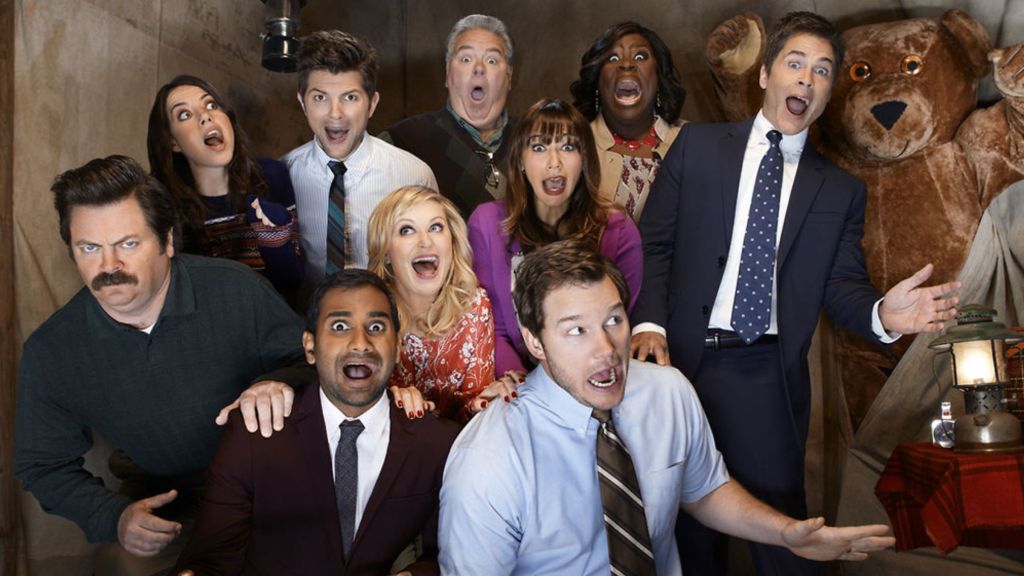
The debut season of Parks and Recreation is frequently cited as a tentative experiment that struggled to differentiate its identity from the established mockumentary style of The Office. During its initial six episodes, the character of Leslie Knope (Amy Poehler) was framed as a somewhat incompetent and delusional bureaucrat, a creative choice that resulted in a lukewarm reception. However, the production team executed a significant pivot in the second season by emphasizing Leslie’s competence and the genuine affection within the ensemble. This change transformed the show into a high-energy comedy that celebrated optimism and civil service. As the series progressed, the addition of characters like Ben Wyatt (Adam Scott) and Chris Traeger (Rob Lowe) bolstered the cast chemistry, leading to increasingly sophisticated storylines involving the town of Pawnee. By the time the final season aired, the show had evolved into a heartwarming character study that maintained its comedic sharp edge while delivering a poignant conclusion for every member of the Parks Department.

6) The Good Place

Creator Michael Schur built The Good Place on a high-concept premise that demanded constant evolution to avoid the traps of sitcom stagnation. The first season functioned as a clever subversion of the afterlife, focusing on the efforts of Eleanor Shellstrop (Kristen Bell) to avoid being discovered as a “mistake” in a heavenly utopia managed by Michael (Ted Danson). While the early episodes were praised for their wit, the show elevated its status by ending the first year with a massive narrative twist that fundamentally changed the nature of the series. Every subsequent season followed this pattern of radical reinvention, moving the characters—including Chidi Anagonye (William Jackson Harper) and Tahani Al-Jamil (Jameela Jamil)—through various existential crises and moral dilemmas. The writing of The Good Place also became more intellectually dense, incorporating complex ethical philosophies while maintaining a rapid-fire comedic pace. This commitment to growth ensured that the series remained unpredictable and ended on its strongest possible note, providing a profound meditation on the human condition.
5) BoJack Horseman

The initial episodes of BoJack Horseman presented the series as a standard adult animated comedy, utilizing animal-based puns and Hollywood satire to establish its world. This introductory phase quickly gave way to a much deeper and more devastating exploration of depression, addiction, and the consequences of fame. Throughout its six-season run, BoJack Horseman achieved a remarkable trajectory of maturity, with each year also pushing the boundaries of the medium. The series experimented with unconventional formats, such as the silent underwater journey in “Fish Out of Water” or the twenty-minute eulogy in “Free Churro,” to delve into the damaged psyche of BoJack Horseman (voiced by Will Arnett). As the narrative expanded to focus on the struggles of Diane Nguyen (voiced by Alison Brie) and Princess Carolyn (voiced by Amy Sedaris), the show provided a nuanced look at the difficulty of personal growth. Finally, by refusing to offer easy redemption for its protagonist, BoJack Horseman maintained its intellectual rigor and concluded as one of the most emotionally impactful dramas in the history of animation.
4) Avatar: The Last Airbender
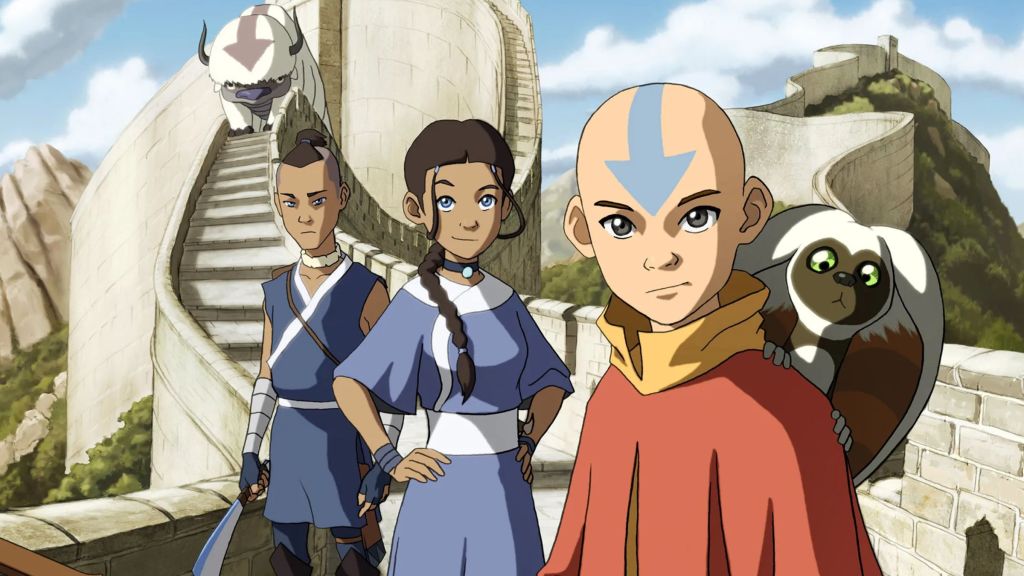
Avatar: The Last Airbender followed a meticulously planned three-act structure that allowed the story to grow alongside its audience. The first season, “Book One: Water,” focused on the relatively simple quest of Aang (voiced by Zach Tyler Eisen) to begin his elemental training while evading Prince Zuko (voiced by Dante Basco). As the series transitioned into “Book Two: Earth” and “Book Three: Fire,” the narrative complexity increased, introducing themes of political corruption, the morality of war, and generational trauma. The character development mirrored this expansion, specifically through the redemption arc of Zuko, which remains a benchmark for the industry. On top of that, the production values also saw a significant improvement, as the animation of the bending battles became more cinematic and fluid with every chapter. This culminated in a four-part finale that successfully balanced massive action spectacle with a philosophical resolution, ensuring the legacy of Avatar: The Last Airbender remained untarnished by the passage of time.
3) Succession
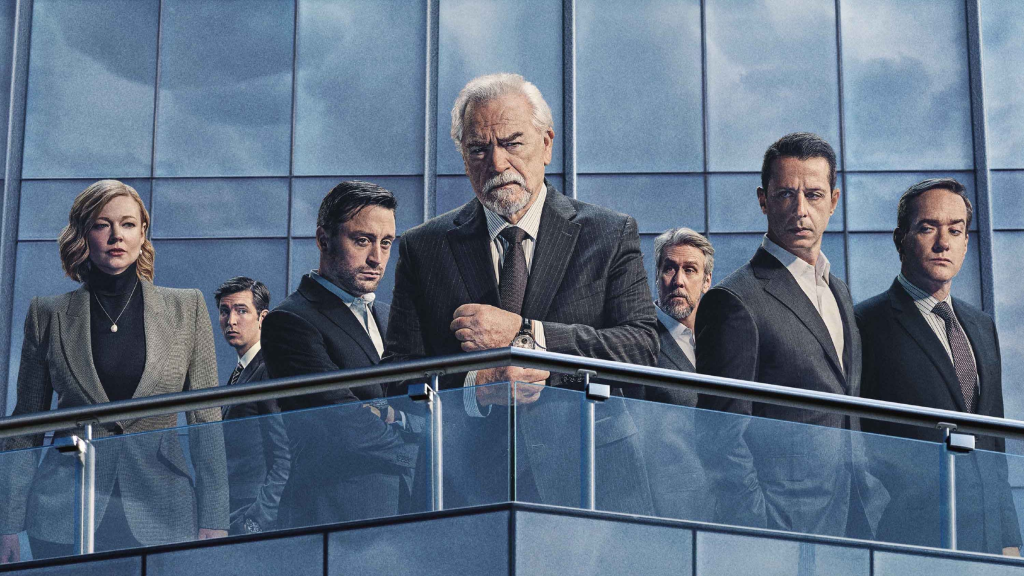
The satirical drama Succession arrived as a sharp critique of corporate power, but it reached new heights of tension and tragedy as it approached its finale. Showrunner Jesse Armstrong utilized the internal competition between the Roy siblings—Kendall Roy (Jeremy Strong), Siobhan Roy (Sarah Snook), and Roman Roy (Kieran Culkin)—to create a narrative that felt increasingly high-stakes and claustrophobic. While the first season established the eccentricities of Logan Roy (Brian Cox), the subsequent seasons refined the show’s unique blend of Shakespearean drama and cringe comedy. The dialogue became more rhythmic and brutal, while the cinematography utilized a frantic, handheld style to capture the feeling of a dynasty in collapse. Each season finale of Succession also functioned as a major cultural event that shifted the power dynamics of the family, leading to a final season that was widely praised for its uncompromising look at the cyclical nature of abuse and the emptiness of inherited wealth.
2) The Leftovers

Following a first season that was often criticized for being relentlessly grim, The Leftovers underwent a creative transformation that turned it into a landmark of prestige television. The initial year adapted Tom Perrotta’s novel with a focus on the immediate grief of a community after a global disappearance event. For the second and third seasons, showrunner Damon Lindelof moved the setting to new locations and embraced a more surreal tone that prioritized emotional honesty over plot explanations. This shift allowed the performances of Justin Theroux as Kevin Garvey and Carrie Coon as Nora Durst to reach incredible levels of intensity. Parallel to that, the show became more confident in its use of religious iconography and metaphor, exploring the desperate ways humans attempt to find meaning in an indifferent universe. By the time the series reached its final episodes in Australia, The Leftovers had transitioned from a survival drama into a profound meditation on faith and the stories we tell to endure trauma.
1) Better Call Saul / Breaking Bad
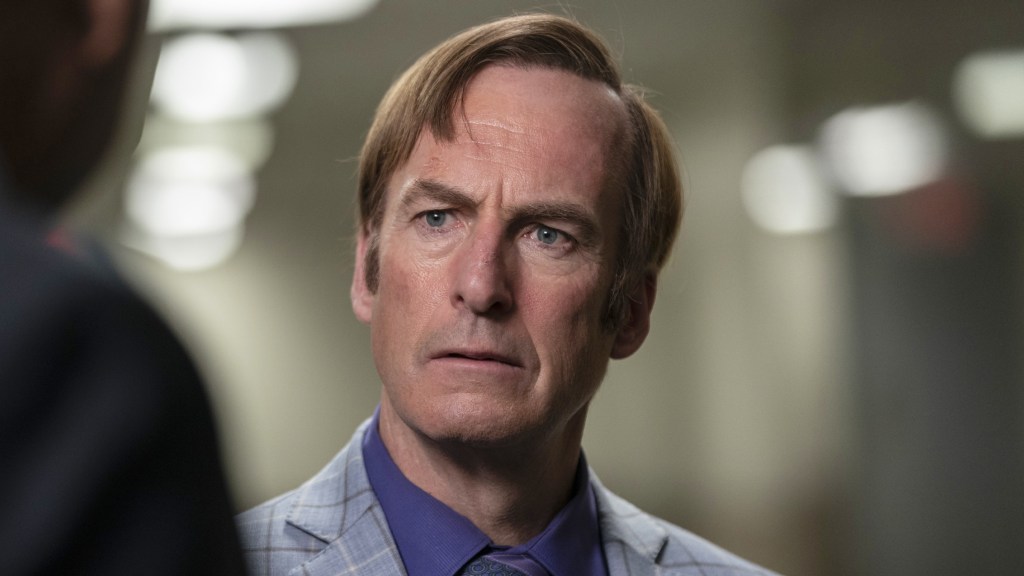
The collaboration between Vince Gilligan and Peter Gould resulted in a fourteen-year period of television excellence that saw two separate series maintain a nearly impossible standard of improvement. Breaking Bad began as a focused character study of Walter White (Bryan Cranston) before expanding into a sprawling crime epic that perfected the narrative cliffhanger. Every season increased the stakes for Jesse Pinkman (Aaron Paul) and the supporting cast, leading to a final run of episodes that are cited as some of the best in the history of the medium. This trajectory continued with the prequel series Better Call Saul, which matched its predecessor’s technical precision while offering a more deliberate and psychological exploration of Jimmy McGill (Bob Odenkirk). The prequel utilized its final seasons to bridge the gap between the two shows, employing a monochrome flash-forward narrative that provided a haunting resolution to the entire franchise. Together, these series represent a singular achievement where the writers used every prior narrative beat to strengthen the outcome, proving that a long-running story can indeed get better with age.
Which television series do you think delivered its best material in its final season? Leave a comment below and join the conversation now in the ComicBook Forum!
Most Viewed
-

Image Courtesy of Prime Video -

Image Courtesy of TOHO